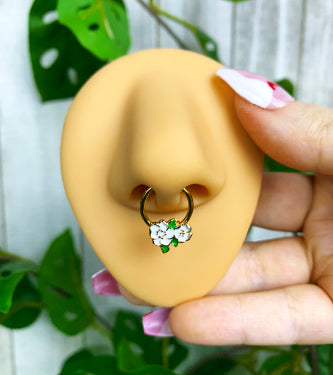



















You wake up, catch your new nose ring on a pillowcase, and find a little crust around the jewelry. Your first instinct is probably to scrub it off, twist the ring, or reach for hydrogen peroxide. Resist all three. Nose ring care works best when it's boring, gentle, and consistent, especially while your piercing is still building a stable channel.
Why Your Nose Piercing Needs a Strict Routine
A fresh nostril piercing looks small, but it's still a healing wound in a busy part of your face. Fingers, makeup, skincare, glasses, masks, towels, pillows, and accidental snags can all disturb it. The nose also sits close to moisture and everyday bacteria, so casual handling can turn a manageable irritation into a drawn-out problem.
Non-earlobe piercings deserve extra respect. A clinical review found complications in 23% of people with piercings at sites other than the soft earlobe, while Cleveland Clinic summarizes the risk as nearly 1 in 4 experiencing an infection or another medical issue. Read the clinical guidance from Cleveland Clinic on infected nose piercings, then treat your aftercare like part of the piercing itself.
Practical rule: Clean the piercing consistently, then leave it alone. More touching doesn't equal better care.
Your routine should protect the healing tissue from friction and contamination without stripping it dry. Wash your hands before contact, keep products away from the opening, and pay attention to the direction your symptoms are moving. A little tenderness that steadily settles is different from pain and swelling that keep increasing.
Before your appointment, use this piercing preparation guide to think through placement, jewelry, and practical healing conditions. Once the needle has done its work, your job is simple: reduce trauma, avoid improvising, and give your body time to finish the repair.
The Only Daily Cleaning Method You Should Use
Forget elaborate social-media routines with cotton swabs, oils, scrubs, and mystery mixtures. Use a sterile wound-wash saline labeled 0.9% sodium chloride as the only active ingredient. The Association of Professional Piercers recommends saline applied with clean gauze or by rinsing, followed by gentle drying with disposable paper. Apply it 1–3 times daily, keeping the process calm rather than aggressive.

Use this routine:
- Wash your hands thoroughly. Clean hands prevent you from transferring grime directly to the piercing.
- Saturate clean gauze with sterile saline, or let the saline rinse over the area.
- Allow debris to soften naturally. Don't pick at crust while it's dry and stuck to the jewelry.
- Pat the area dry with disposable paper. Cloth towels can harbor bacteria and snag the jewelry.
- Leave the jewelry still. Don't rotate, slide, or twist it to “clean” the inside.
The APP cautions against routine homemade salt solutions because concentration errors can irritate healing tissue. If sterile saline isn't available, its fallback mixture is 1/8–1/4 teaspoon, or 0.75–1.42 g, of non-iodized fine-grain salt in 250 mL of warm distilled or bottled water, as outlined in the Association of Professional Piercers aftercare guidance. Sterile wound wash is still the cleaner choice.
For a broader explanation of saline care and sea-salt methods, compare it with BodyCandy's basic piercing care guide. Never substitute contact-lens saline, eye drops, alcohol, hydrogen peroxide, Betadine, harsh soap, or ointment. Those products can dry or damage fragile tissue instead of helping it.
Watch the cleaning demonstration here, but don't copy any motion that involves twisting or moving the jewelry.
Decoding Bumps, Crust, and Healing Symptoms
A crusty piercing isn't automatically infected. During the first few weeks, mild tenderness, itching, limited redness or darkening, and pale fluid that dries into a crust can fall within normal healing. Small lumps can also develop from trapped fluid, known as granulomas. The NHS recommends holding a warm-water-soaked pad against such a lump once daily.
Mechanical irritation looks different from ordinary healing, even though the two can overlap. A ring that catches on clothing, moves repeatedly, or gets pressed during sleep can create a small irritation bump and keep the area reactive. The fix is usually less friction and less handling, not a stronger chemical.
Allergic contact dermatitis deserves its own category. It's reported as the most frequent noninfectious skin complication of piercing, with nickel identified as the leading allergen. A systematic review reported an odds ratio of 5.9 linking piercing history with nickel allergy among the studied adult populations, as described in the systematic review of piercing and nickel allergy.
| Symptom Type | What It Looks or Feels Like | Likely Cause |
|---|---|---|
| Normal healing | Mild tenderness or itching, limited redness or darkening, pale fluid that dries into a light crust | Healing tissue and normal drainage |
| Mechanical irritation | A localized bump or persistent soreness after snagging, pressure, or jewelry movement | Friction, trauma, or poor fit |
| Allergic reaction | Itchy rash or bumps, skin-color changes, thickened or cracked skin, blisters, or draining fluid, often spreading beyond the hole | Nickel or another material-related contact reaction |
| Possible infection | Increasing pain, warmth, swelling, marked redness or darkening, thick yellow or green discharge, or worsening tenderness | Infection requiring medical assessment |
A nickel reaction can begin within a couple of days after contact. If the area is intensely itchy and the rash extends beyond the piercing, stop blaming every symptom on infection and consider the jewelry material. Mayo Clinic identifies avoiding nickel contact as the first treatment step, but breathing difficulty is an emergency, and pain, warmth, pus, or swelling need prompt professional assessment.
For a closer look at localized bumps, use BodyCandy's nose piercing bump guide. Don't diagnose a worsening problem by repeatedly cleaning it, applying ointment, or swapping jewelry.
Common Aftercare Mistakes That Sabotage Healing
The fastest way to annoy a healing piercing is to treat it like a dirty dish. Scrubbing, twisting, and repeatedly checking the jewelry create friction inside tissue that's trying to close and strengthen around the channel.
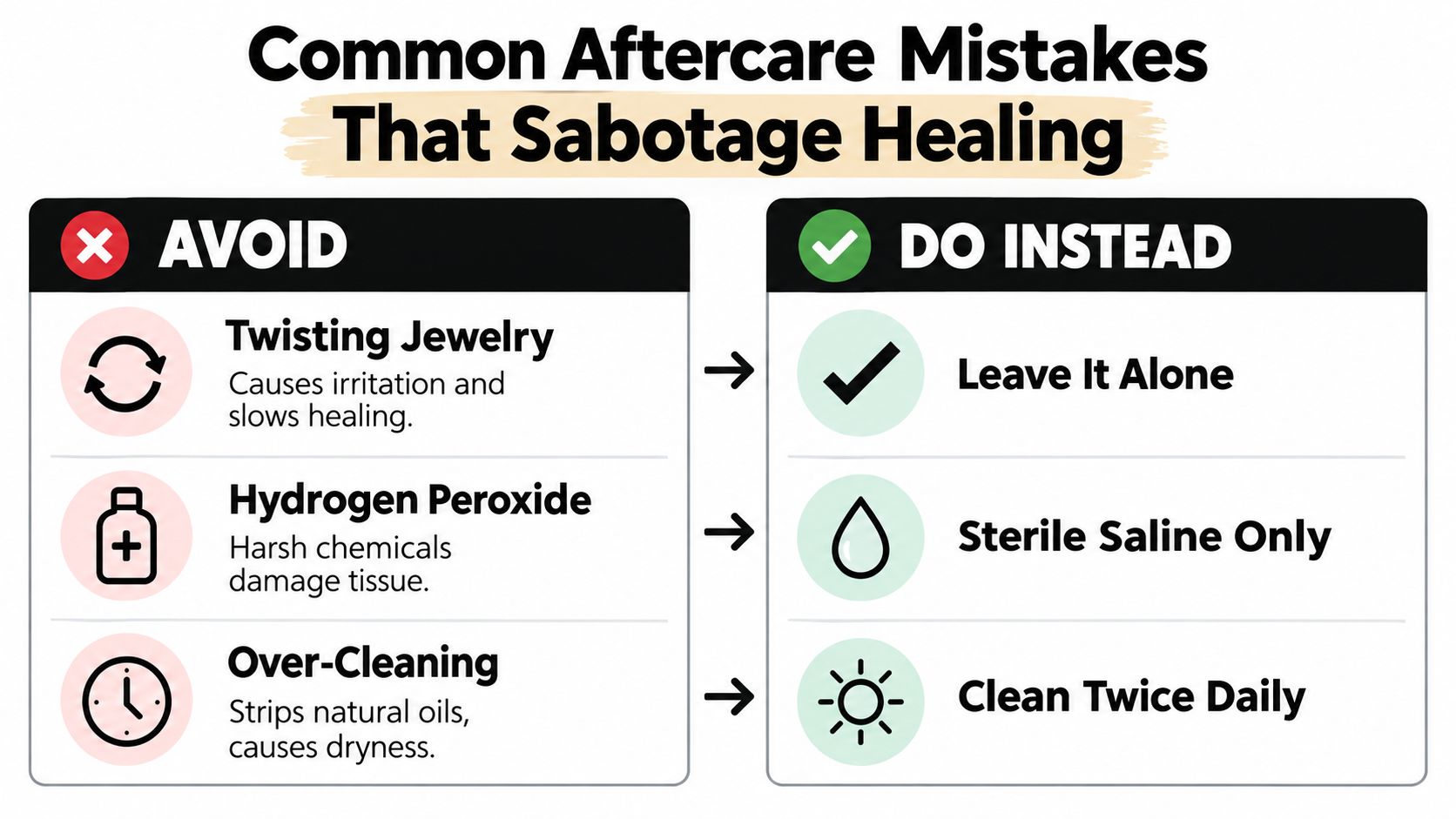
Twisting jewelry is not cleaning. It drags bacteria and debris through the channel, reopens irritated tissue, and can prolong inflammation. Leave the ring or stud in its position unless a qualified clinician or piercer gives you a specific reason to change it.
Hydrogen peroxide, iodine, rubbing alcohol, and other harsh products don't belong on a fresh piercing. Mayo Clinic warns that hydrogen peroxide, iodine, and similar products can injure newly pierced skin, while mechanical manipulation can disrupt the healing channel. The Mayo Clinic piercing-care guidance supports a gentler approach.
Skip these habits:
- Over-cleaning: Repeated washing can cause dryness and irritation instead of improving hygiene.
- Sleeping directly on it: Pressure and pillow friction can keep a bump active.
- Applying makeup or skincare nearby: Creams and cosmetics can collect around the opening and add irritants.
- Using cloth towels: Loops snag jewelry, and damp fabric can transfer bacteria.
- Changing jewelry too soon: A channel can look calm on the outside while remaining fragile inside.
- Trusting mystery metal: Low-quality alloys can trigger irritation or allergic contact dermatitis.
The same rule applies to DIY ointments and antibiotic creams. Neomycin-containing triple-antibiotic products can themselves trigger contact dermatitis, so adding more product to an itchy rash may make the situation worse. Keep your routine narrow, your hands clean, and your jewelry stable.
When to See a Doctor and Why You Should Leave the Jewelry In
A worsening piercing needs medical attention, not a panic removal. Seek prompt clinical assessment for increasing swelling, pain, heat, marked redness or darkening, thick yellow or green discharge, feverishness, chills, or feeling generally ill. Those signs carry more weight than a small amount of early crust.
The urge to pull the jewelry out is understandable. It can also create a new problem. If the surface closes while drainage remains inside, assessment becomes harder and infection can become trapped.
Don't turn a medical problem into a sealed-over one by removing the jewelry on your own.
The NHS advises urgent clinical assessment when infection is suspected and says to leave the jewelry in unless a clinician instructs removal, because closure can trap drainage and complicate evaluation. Follow the NHS guidance for infected piercings rather than relying on a dramatic internet remedy.
Keep cleaning gentle while arranging care. Don't repeatedly flood an angry piercing with products, squeeze a lump, or switch jewelry to “let it breathe.” A clinician can decide whether the problem is infectious, allergic, or mechanical and guide the next step safely.
Upgrading to High-Quality Jewelry for Long-Term Health
Once your piercing has fully healed, long-term care becomes less about constant cleaning and more about smart material choices. Implant-grade titanium and solid gold are sensible options for people who want to reduce exposure to irritating alloys, especially if they've reacted to inexpensive jewelry before. Don't treat the word “hypoallergenic” as a universal guarantee. Check the actual material and ask questions about the alloy.
Nickel deserves particular caution. Mayo Clinic identifies avoiding nickel contact as the first treatment step for allergic reactions. Breathing difficulty requires emergency care, while swelling, warmth, pus, or pain can point toward infection and warrants prompt professional assessment, as explained in its nickel allergy symptoms and treatment guidance.
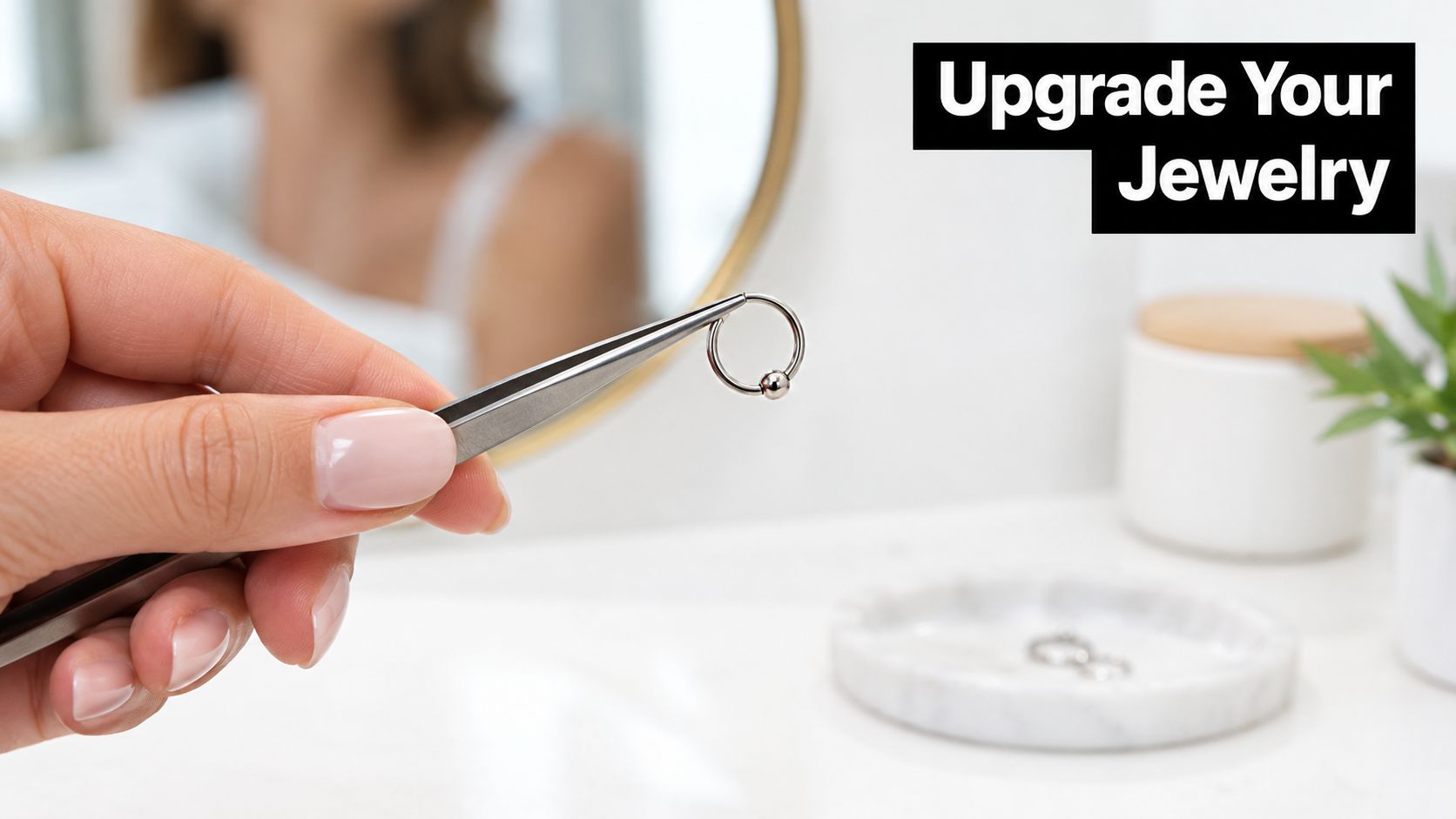
Before your first jewelry change, make sure the piercing is genuinely healed, not merely having a good day. Wash your hands, clean the new piece, avoid forcing it through, and stop if you meet resistance. A properly fitted piece should sit comfortably without pulling, pinching, or constantly shifting.
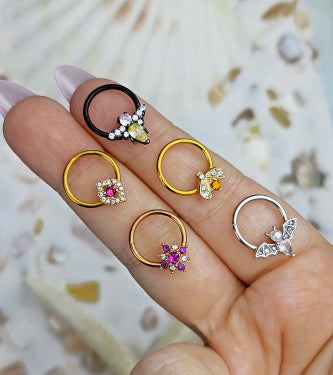
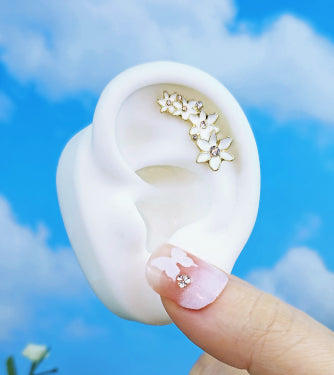
BodyCandy offers nose rings and other body-piercing jewelry in styles suited to different looks and preferences, including options for shoppers seeking sensitive-skin-friendly materials. Choose verified materials, keep the jewelry clean, and retire anything that repeatedly causes itching or irritation.
Ready to give your healed piercing a cleaner, sharper upgrade? Browse the nose ring and body jewelry selection at BodyCandy, choose a material you can verify, and keep your style bold without making your nose do unnecessary overtime.