



















Here’s the frustrating truth about piercing aftercare: half of what you “know” came from your mom, a TikTok, or a friend who read something once in 2014. And some of that advice might be sabotaging your heal. The science and what professional piercers recommend have moved on, so let’s clear out the myths that refuse to go away.
One quick note before we start: this is general info, not medical advice, and nothing here beats the specific instructions your own piercer gave you. If something’s wrong, they’re the ones to ask.
Myth #1: The more you clean it, the faster it heals
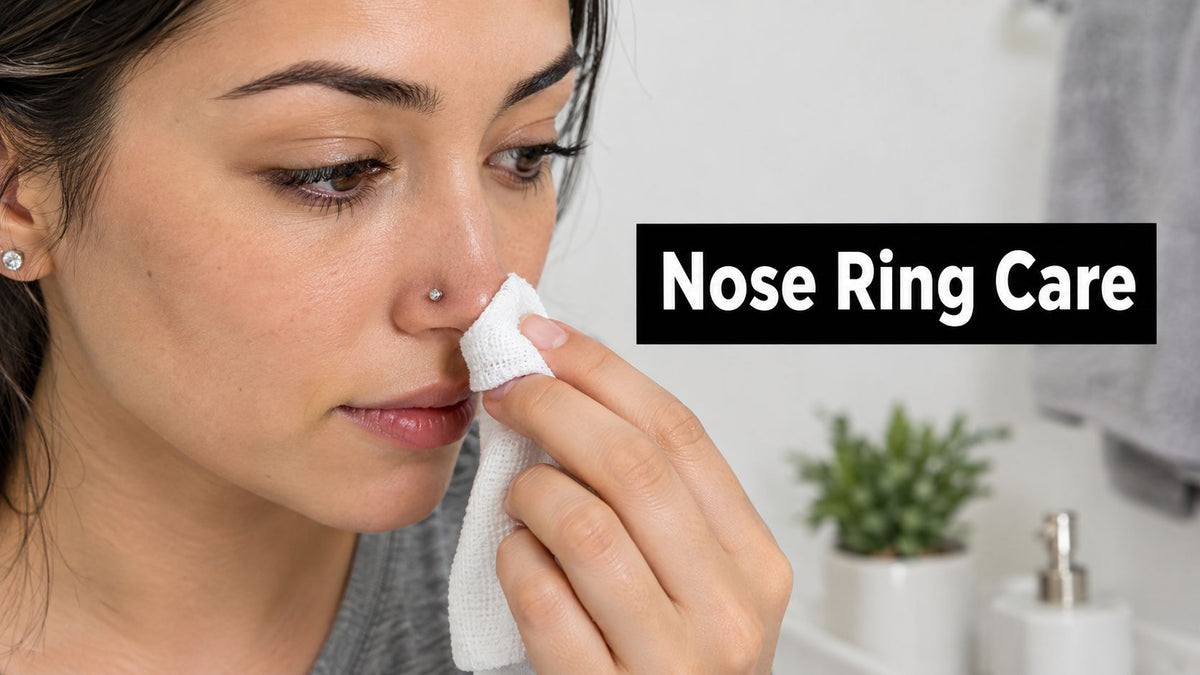
This one feels true, which is why it’s so sticky. In reality, over-cleaning is one of the most common ways people irritate a perfectly happy piercing. Scrubbing at it several times a day strips the area and keeps interrupting the work your body is trying to do. What piercers widely recommend is gentle and minimal, usually a sterile saline rinse a couple of times a day and otherwise leaving it alone. You can grab a bottle of sterile saline on our site: https://www.bodycandy.com/products/body-candy-100-natural-body-piercing-aftercare-solution
Myth #2: Alcohol and hydrogen peroxide keep it clean
The classic. They sting, so they must be working... no pain no gain, right? Not quite. Both are now widely considered too harsh for a fresh piercing because they can dry out and irritate the healing skin. The go-to these days is simple sterile saline, which cleans without the collateral damage.
Myth #3: You should twist and rotate the jewelry
If you learned to spin your earrings “so they don’t stick,” this is the big one to unlearn. Twisting drags bacteria and dried crust back into the piercing and re-irritates the channel every time. That healing that your piercing did overnight? Twisting it just set you a step back. Modern aftercare advice is hands-off: don’t rotate it, don’t play with it, just leave it be.
Myth #4: Dab on some antibiotic ointment
Reaching for the Neosporin feels responsible. The problem is that thick ointments can trap moisture and debris against the piercing, which is the opposite of what healing skin wants. This is exactly the kind of thing to ask your piercer about rather than assume, and a goo piercer will steer you away from ointments entirely.
Myth #5: DIY sea salt soaks, and stronger is better
Salt soaks aren’t the villain, but the homemade version causes a lot of accidental damage. People eyeball the ratio, go way too strong, and end up irritating and drying the skin they’re trying to soothe. If you’re using saline at all, premade sterile saline takes the guesswork out, and the “more salt equals faster healing” logic simply doesn’t hold.
Myth #6: If it looks healed, it’s healed
The sneakiest myth of all, because piercings are little liars sometimes. The surface closes up and looks calm long before the inside has finished, kind of like a storefront that’s open while construction is still happening in the back. Swapping jewelry or slacking on care too early is a fast track to irritation. When you think it’s healed, give it more time, and let your piercer confirm before you change anything.
The honest truth:
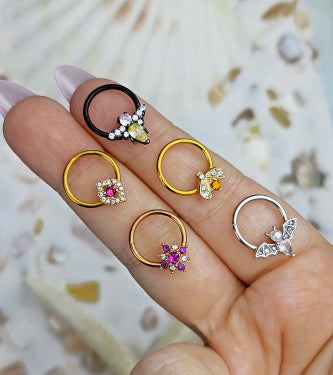
Bood aftercare is mostly about doing less, not more, and trusting your piercer over the internet. It also helps to start with jewelry that isn’t fighting you. Body Candy uses implant-grade titanium and solid 14K gold, much of it made in house by our own master jeweler, so your healed piercing is comfy with quality metal instead of something that adds irritation of its own.
Leave it alone, keep it simple, and let your body do the thing it’s good at. Patience really is the whole secret.