














Thinking about getting your navel pierced, or maybe you're just ready to switch up your look? Awesome! We totally get it. One of the biggest questions we hear is, "What belly button piercing size should I get?" It can feel a little confusing with all the talk about 'gauge' and 'length,' but don't sweat it—we're here to break it all down for you.
Finding Your Perfect Belly Ring Fit
Listen, getting the size right isn't just about looks; it's the secret to a happy, healthy piercing. Picking out the wrong size can lead to everything from constant irritation to, worst-case scenario, your body rejecting that brand-new bling you just fell in love with. Think of this guide as your personal cheat sheet for understanding navel piercing sizes, so you can shop with total confidence.
Your body also changes, and your piercing needs might change right along with it. Life events can definitely mean you'll need to swap out your jewelry. Knowing how to handle your bling is a great skill to have, especially if you're ever looking into something like a pregnancy belly ring.
Here’s a quick peek at what we'll cover to get you squared away:
- Breaking down the difference between gauge and length
- Figuring out how to measure for your jewelry at home
- Why the right size is so important, especially when you're healing
Understanding Gauge And Length In Navel Jewelry
Alright, let's get into the two most important measurements you need to know for your belly button jewelry: gauge and length. Honestly, getting these right is the key to a happy piercing and making sure your new bling looks absolutely killer.
Think of the gauge as just the thickness of the jewelry's bar. It's like the difference between a delicate, thin chain and a chunky, statement necklace. Now, here's the slightly weird part: with body jewelry, a lower gauge number means a thicker bar. For belly button piercings, the industry standard is almost always 14G.
So What About Length?
Next up is length. This one's way more straightforward—it's just how long the barbell is. We measure it in a straight line between the top and bottom balls or gems, without including the decorative ends themselves.
Getting the length right is absolutely crucial for your comfort. A barbell that's too short can pinch or dig into your skin, which is a one-way ticket to irritation city. On the flip side, a bar that's too long will snag on everything from your high-waisted jeans to your favorite crop top. No, thank you! The perfect length lets your jewelry sit comfortably and is a key part of understanding the full anatomy of a belly ring and how it works with your body.
The infographic below really shows how a perfect fit impacts your comfort, piercing health, and overall style.
As you can see, finding that "Goldilocks" fit isn't just about looking good. It’s essential for keeping your piercing healthy and irritation-free for the long haul.
Standard Belly Ring Size Chart
Professional piercers stick to standard sizes for some very good reasons—consistency, safety, and your comfort. This chart is your quick reference guide to get familiar with the most common sizes you'll see for navel piercings.
| Measurement | Standard Size (Imperial) | Standard Size (Metric) | Common Use |
|---|---|---|---|
| Gauge (Thickness) | 14G | 1.6 mm | The universal standard for initial navel piercings. |
| Length (Short) | 5/16" | 8 mm | Smaller navels or fully healed piercings. |
| Length (Standard) | 3/8" | 10 mm | Most common length for healed piercings. |
| Length (Long) | 7/16" | 11 mm | Often used for initial piercings to allow for swelling. |
| Length (Extra-Long) | 1/2" | 12 mm - 14 mm | Deeper navels or significant initial swelling. |
This range helps accommodate all kinds of different body types and that initial swelling you get with a fresh piercing. It ensures your jewelry is both durable and comfortable throughout the entire healing journey.
How to Measure for Your New Belly Ring
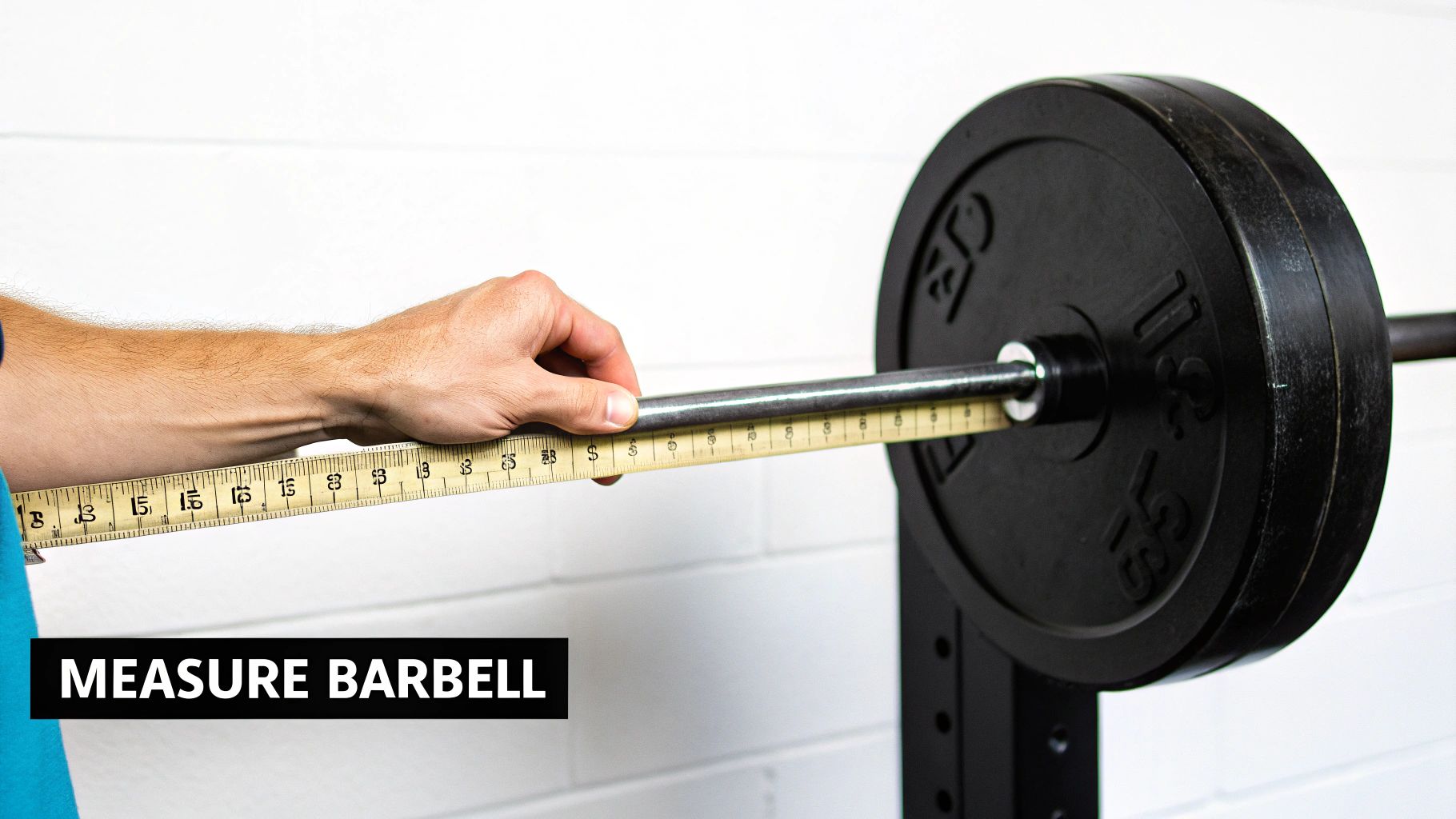
Alright, so you're ready to find that perfect fit and start shopping for some amazing new bling? Figuring out your belly ring size is way easier than you think, and you can totally do it right at home.
All you'll need is a piece of your current jewelry that fits you well and a ruler that shows millimeters. This one quick measurement is the key to unlocking a world of comfy and stylish navel jewelry. Let's get to it!
The Simple Steps to Finding Your Length
Finding your ideal length is all about measuring the barbell—that's the part that actually sits inside your piercing. It’s a super common mistake to measure the entire piece of jewelry, charms and all. That won't give you the correct belly button piercing size.
Here’s the right way to do it:
- Remove Your Jewelry: Carefully take out the belly ring you're going to measure.
- Isolate the Barbell: Lay it down on a flat surface. You're only interested in the wearable part of the bar.
- Measure the Wearable Length: Use your ruler and measure the distance in a straight line from one end of the barbell to the other. Crucially, do not include the decorative balls or any charms in this measurement.
- Note the Measurement: Jot down that number in millimeters. For most people, this will be around 10mm (or 3/8 of an inch), which is the standard size.
Pro Tip: If your current jewelry feels a bit too snug or maybe a little too loose, adjust your measurement. Add a millimeter for more room, or subtract one for a closer fit. This tiny adjustment makes all the difference in the world!
Knowing this number empowers you to shop with confidence, making sure your new jewelry will sit perfectly without pinching or snagging. This simple process is your ticket to finding awesome new pieces at Bodycandy.
Why 14 Gauge Is the Industry Standard
Have you ever wondered why your piercer reached for a 14 gauge needle for your navel piercing? It’s not just some random pick from the box. This is the industry-wide standard for some really important reasons, all centered around keeping your new piercing happy and healthy from day one.
A 14G barbell hits that perfect sweet spot. It’s substantial enough to create a stable piercing channel, which is exactly what you need for a smooth healing journey. This thickness also helps prevent rejection—that dreaded process where your body decides it doesn't like the new jewelry and literally pushes it out. Thinner jewelry is way more likely to trigger this response.
Avoiding the Dreaded "Cheese-Wire Effect"
Using a thinner gauge, like an 18G or 16G, can sometimes cause what piercers grimly call the "cheese-wire effect." It sounds awful because it is! This is when a piece of jewelry that’s too thin slowly cuts through the skin over time due to pressure and movement, just like a thin wire slicing through a block of cheese.
A 14G bar has enough surface area to distribute that pressure evenly, helping to anchor it securely and prevent it from migrating. This ensures your piercing stays exactly where you want it.
Belly button piercings are consistently one of the most popular procedures in studios all over the world. Because of this steady demand, having a safe, universal standard like 14G is critical. If you learn more about piercing studio trends, you'll see why sticking to the standard is a big deal for both piercers and clients.
Here's the best part: this standardization makes shopping for new jewelry an absolute dream. Since 14G is the go-to size, you’ll find a nearly endless variety of gorgeous curved barbells that are designed to fit your piercing perfectly. You'll never struggle to find cute new styles in your size.
Choosing the Right Size for a Healing Piercing
The jewelry you leave the piercing studio with isn't necessarily the jewelry you'll wear forever. In fact, your piercing's needs will change quite a bit as it heals. Right after you get pierced, your piercer will use a barbell that seems a little longer than you might expect. Don't worry, this isn't a mistake—it's actually a super important part of the process!
That initial extra room is there for a very good reason: swelling. Your body’s natural reaction is to swell up a bit around the new piercing. A longer bar prevents the jewelry from getting too tight, which can cause some serious irritation and really slow down your healing.
Ready to Downsize
Once all that initial swelling has gone down and your piercing is well on its way to being healed, it's time to switch to a shorter, more snug barbell. This is called downsizing, and it’s a total game-changer for both comfort and the long-term health of your piercing. The trick is knowing when the time is right.
You'll know it's time to consider downsizing when:
- The initial swelling has completely disappeared.
- There's no more tenderness, redness, or discharge.
- The barbell is looking noticeably long, with a visible gap of extra space.
Why Downsizing Matters: A well-fitting, shorter bar is way less likely to get caught or snagged on your clothes, towels, or blankets. This is huge! It reduces the risk of painful tugs that can traumatize your piercing and set your healing journey way back.
The full healing process for a navel piercing can take anywhere from six months to a year, sometimes even longer. Getting familiar with the different healing times for popular piercings can help you set some realistic expectations.
After the first couple of months, it's a great idea to check in with your piercer. They can take a look at how you're healing and help you find that perfect ‘forever’ piece that will feel like it was made just for you.
Matching Your Jewelry to Your Style and Piercing
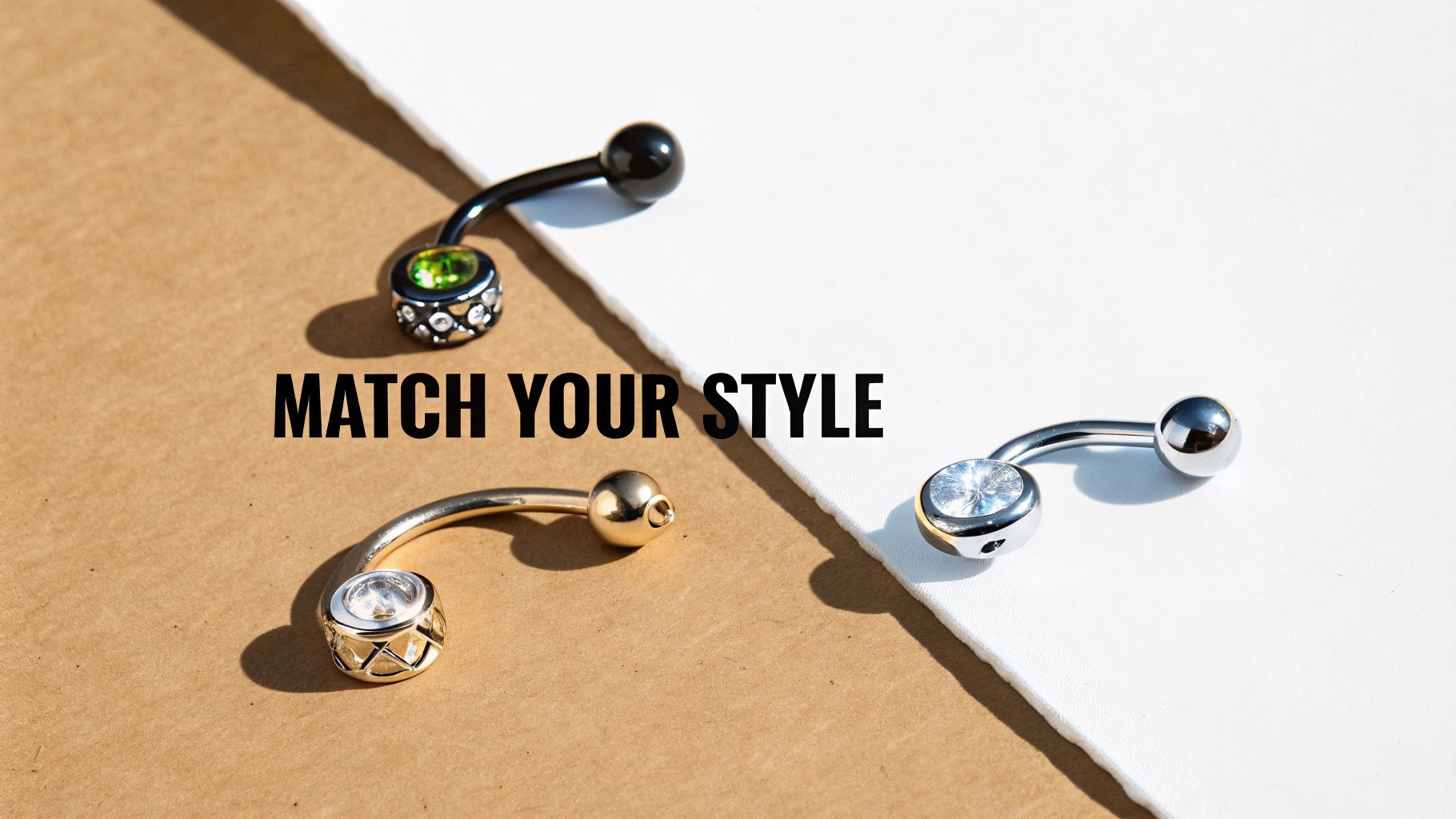
Alright, now we get to the fun part—picking out the jewelry that screams you! Getting the right belly button piercing size is step one, but choosing your style is where your personality really gets to shine.
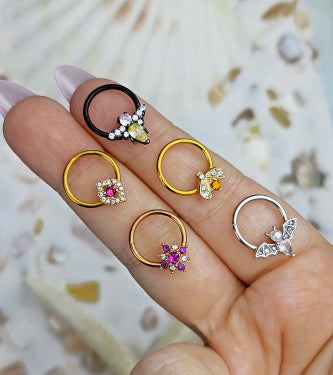
The world of navel jewelry is massive. You've got everything from the classic curved barbells perfect for everyday wear to stunning "top-down" or reverse styles where the main decorative element sits up top. For a totally different vibe, there are also captive bead rings and seamless clickers.
Find Jewelry That Fits Your Anatomy
Your unique anatomy plays a huge role in what will look and feel best. For instance, some people have a navel that tends to "wink" or collapse when they sit down. If that's you, a traditional, bottom-heavy ring might get pushed around and cause some serious irritation.
A floating navel piercing is an amazing solution for this body type. Instead of a ball at the bottom, it uses a small, flat disc that sits comfortably inside the navel without pressure. This lets a gorgeous gem sparkle from the top, working with your body, not against it.
Your piercing is a form of self-expression, but comfort is king. The right jewelry style for your specific anatomy ensures your piercing not only looks fantastic but also stays healthy and happy long-term.
Material choice is another key decision. For any new or sensitive piercing, implant-grade titanium is the undisputed champion. It's hypoallergenic and super safe for your body. Once you're fully healed up, you can start exploring other body-safe options like surgical steel or even luxe 14k gold.
The global body piercing market is booming, and it's easy to see why. Thanks to celebrity influence and a growing demand for high-quality, hypoallergenic jewelry, piercings are more popular than ever. When you're picking out your style, you're part of a massive fashion movement that values both safety and self-expression. You can learn more about the growing body piercing market trends to see just how big navel piercings have become.
Your Top Questions About Belly Ring Sizes
Still have a few questions buzzing around? You're not alone! It's totally normal to want all the details before you start shopping for new bling. We've pulled together the most common questions we hear to clear up any lingering confusion.
Let's dive in and get you feeling 100% confident in your next jewelry purchase.
What Happens If I Wear the Wrong Size Belly Ring?
This is a big one, and the answer is super important for keeping your piercing happy. A barbell that's too short is a recipe for trouble. The ends can press into your skin, causing irritation, embedding (where the skin starts to grow over the jewelry), or even infection.
On the flip side, a barbell that's too long is basically a snag magnet for your clothes. Catching your ring on your jeans is not only painful but can seriously traumatize a piercing, whether it's brand new or fully healed.
An incorrect gauge is also a problem. Using a thinner ring, like a 16G in a standard 14G piercing, can lead to that dreaded "cheese-cutter effect." This is where the jewelry slowly migrates through the skin over time, which can damage the piercing. Getting the right belly button piercing size isn't just about looks—it's essential for a healthy piercing!
Can I Switch from a 14G to a 16G Belly Ring?
While you can physically put a thinner 16G bar into a 14G piercing, it’s generally not a great idea for long-term wear. Over time, your piercing can actually shrink to fit the smaller jewelry.
This might make it difficult, or even a little painful, to switch back to the standard 14G size later on. If you find a 16G piece you absolutely adore, our advice is to treat it like a "special occasion" ring. Wear it for a short time, but stick to your piercing's original gauge for everyday styles.
Does My Navel Shape Affect the Size I Need?
Yes, absolutely! Your unique anatomy is one of the biggest factors in finding that perfect, comfortable fit. The barbell length you need is all about the thickness of the skin that was pierced, not the size of your belly button itself.
Someone with a deeper navel or a more pronounced ridge of tissue will almost always need a longer bar than someone with a shallower one. This is exactly why getting an accurate measurement (or having a pro piercer help you out) is the best way to find a length that feels like it was made just for your body.
Ready to show off your style with a fit that feels amazing? At BodyCandy, we have an incredible collection of 14G belly rings for every vibe. Shop our full collection of belly button rings today!