







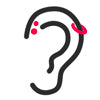
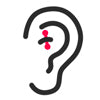
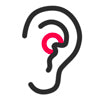




You know that moment when you've got a new pair of earrings in your hand, you're facing the mirror, and the tiny post just won't line up with the catch? That's the exact headache hinged hoop earrings can cause on day one, even when the pair looks flawless in the box. The good news is that the problem usually isn't you, it's fit, hinge alignment, or the way the closure is designed to sit against your ear.
These hoops are more than a cute circle with a click. They're a small piece of jewelry engineering, and once you understand the mechanism, you can spot the pairs that sit flush, the ones that tilt, and the materials that won't give sensitive ears grief. The questions are simple, what is this style, will it fit your ear, and is it gentle enough for daily wear?
The Moment Every Hinged Hoop Wearer Recognizes
You hold the earring up, turn it toward the light, and try to line the post with the tiny notch on the other side. One hand on the mirror, one on the hoop, and suddenly the whole thing feels way more fiddly than it looked online. That tiny struggle is exactly why hinged hoops deserve a real fit conversation, not just a style one.
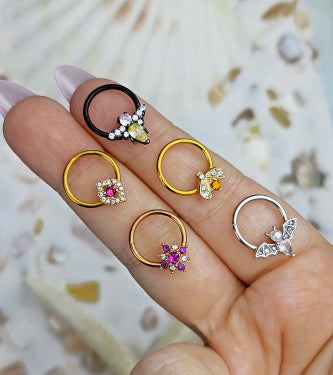
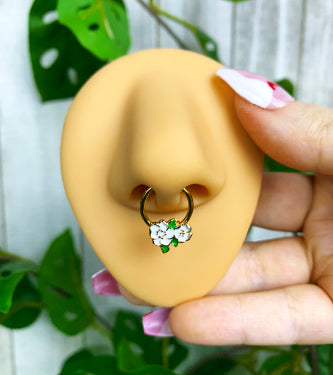
A hinged hoop earring uses a built-in hinge plus a clasp or locking end, so it opens and closes like a little door instead of asking you to bend the metal through your ear. In the source definition, the post opens up, goes through the piercing, and locks into a small indentation or hole on the opposite side, which is what sets this style apart from endless hoops and simpler circular earrings (25karats glossary). That click-in feel is the whole point.
What you're usually really asking
The first question is what it is. The second is whether the shape will sit straight on your ear, because a pretty hoop can still tilt forward if the diameter or wire size is off. The third is whether the metal and clasp will stay comfortable once you wear it longer than five minutes.
Practical rule: if a hoop looks gorgeous but feels annoyingly off-center, don't blame your ear first. Check the diameter, the gauge, and the latch alignment.
A lot of shoppers stop at “it closes shut,” but the more useful question is whether it closes shut cleanly and stays that way while you move. That's the difference between a cute accessory and a pair you reach for again and again.
What Makes a Hinged Hoop a Hinged Hoop

The simplest way to think about hinged hoop earrings is this. The hoop opens at one point, swings like a tiny gate, and then locks closed with a built-in catch. You're not forcing the metal open and closed every time you wear it, which is why this closure feels cleaner than a bend-through style.
The parts that do the work
The hinge is the pivot. The post is the piece that passes through your piercing. The catch is the part that grabs the post and keeps the hoop closed once it's lined up correctly.
That mechanism sounds basic, but it depends on tight alignment. A technical guide notes that the hinge pin, barrel sleeve, latch tongue, and catch notch all need to meet with precision, including a hinge pin diameter of about 0.4 to 0.6 mm, barrel-bore tolerances of ±0.02 mm, and catch alignment within 0.1 mm (mechanical closure guide). It also says a 0.3 mm misalignment can reduce retention force by up to 40% in that guide, which explains why a hoop can feel “fine” in your hand but loose once it's on your ear.
Why the name gets messy
Retailers don't always call the same mechanism the same thing. You might see snap-bar earrings, clicker earrings, or lever-back earrings used for similar hinge-and-lock constructions (naming guide). That's why shopping by mechanism matters more than shopping by label.
The label changes. The motion matters. If it swings open and clicks shut, you're looking at the right family of closure.
Hinged hoops are often treated like a premium finding because they combine a clean look with a locked closure, and patents show that the post can curve to follow the ear's back contour for a more comfortable profile (patent US6125657A). That's why they feel smoother in huggie-style designs, especially when you want the hoop to sit close and tidy.
Huggies Clickers and Continuous Styles Compared
Small hoops all get lumped together in casual shopping, but the wear changes a lot once you start looking at shape and closure. A huggie sits close to the lobe, a mid-size hoop reads more classic, and a larger hoop starts behaving like a statement piece. Change the closure, and the feel changes too, because the hinge, the opening, and the way the ends meet all affect how the earring sits.
Hinged Hoop Style Breakdown
| Style | Typical Diameter | Best For | Closure Type |
|---|---|---|---|
| Huggie | 5 to 15 mm | Close lobe fit, second piercings, snug everyday wear | Hinged, click-in, snap-bar |
| Mid-size hoop | 12 to 15 mm | Everyday lobe wear, slightly looser look | Hinged or continuous tube build |
| Oversized hoop | 20 mm+ | Statement styling, bolder visible swing | Hinged or wire-through styles |
| Continuous hoop | Varies by design | Clean visual line, minimal hardware look | Continuous tube or hidden closure |
A hinge usually wins when you want security and a flush profile. Endless-style hoops can look sleek, but they often rely on a bend or open edge that does not give the same locked feel. A captive bead ring has a different structure altogether, with a bead held between ends rather than a hinged door.
For shoppers comparing clicker-style closures in more than just hoops, this septum clicker guide helps because the same snap-close logic shows up in other piercings too. That makes it easier to recognize the closure you like across different jewelry types instead of guessing from the product name alone.
How to choose the right silhouette
- Choose a huggie when you want the hoop to stay close and move minimally.
- Choose a mid-size hoop when you want visible shape without too much swing.
- Choose a larger hoop when style matters more than low-profile wear.
- Choose a continuous hoop when you want a cleaner visual line and fewer visible joints.
The important part is matching the hoop to the piercing, not forcing your ear to adapt to the trend. A snug lobe, a cartilage spot, and a thicker placement all behave differently, so the same design can sit neatly on one ear and pull forward on another.
Sizing Diameter Gauge and Ear Anatomy
A beautiful hoop can still wear wrong if the diameter is off. Too small, and it pinches or rides too high. Too large, and it drops forward, twists, or creates that annoying off-balance look you keep trying to fix in the mirror.
Diameter is only half the story
The fit puzzle has two main pieces, diameter and gauge. Diameter affects how much space the hoop has to hang, while gauge affects how heavy and thick the post feels in your piercing. A lighter, slimmer hoop usually behaves more predictably on a delicate lobe, while a thicker wire can pull the front of the earring down if your ear doesn't have the structure to support it.
For practical shopping, a 6 to 8 mm huggie usually reads as a snug lobe fit, a 12 to 15 mm hoop leans toward everyday wear, and 20 mm+ moves into statement territory. Those ranges help you think about visual scale, but your own lobe thickness matters just as much as the number on the product page. If your lobe is thinner, a too-large diameter can make the hoop swing forward instead of sitting flat.
Fit clue: the more the hoop's weight sits away from the piercing, the more it wants to rotate. That's why the same pair can look centered on one ear and skewed on another.
A quick sizing check
Start with the piercing placement, then think about where the hoop should rest. A lobe usually tolerates more variety than cartilage, but your lobe thickness and the piercing angle still matter. If the hoop keeps tilting, the issue is often the relationship between the center of gravity and the hinge position, not just the hoop itself.
Use this BodyCandy sizing guide if you need help translating measurements into something wearable. It's much easier to shop smart once you know the dimensions you're comparing.
Best Materials for Sensitive Skin and Daily Wear
Material matters more than it might seem, especially when a hinge gets opened and closed over and over. A soft or reactive metal can turn a decent closure into a fussy one, and a sensitive ear will tell you fast if the finish or alloy isn't playing nice.
What each material tends to mean in real life
Titanium is the safest first thought for fresh or sensitive piercings because it's lightweight and commonly chosen for comfort. The lighter weight also helps a hoop sit better, since heavy jewelry can exaggerate droop.
Surgical steel is sturdy and usually more affordable, which makes it a common everyday choice when you want durability without chasing a precious-metal price tag. If you're comparing options for sensitivity, this quick sensitive-skin guide is a useful starting point.
14k and 18k solid gold bring that premium feel and are a familiar choice for daily wear. They're also a smart pick when you want something classic and less likely to cause drama on sensitive ears, though the weight can affect how the hoop hangs.
Sterling silver looks gorgeous, but it's softer. Repeated handling can bend it more easily, and that matters around a hinge because the closure needs to stay lined up. If the metal flexes too much, the latch can start feeling less crisp over time.
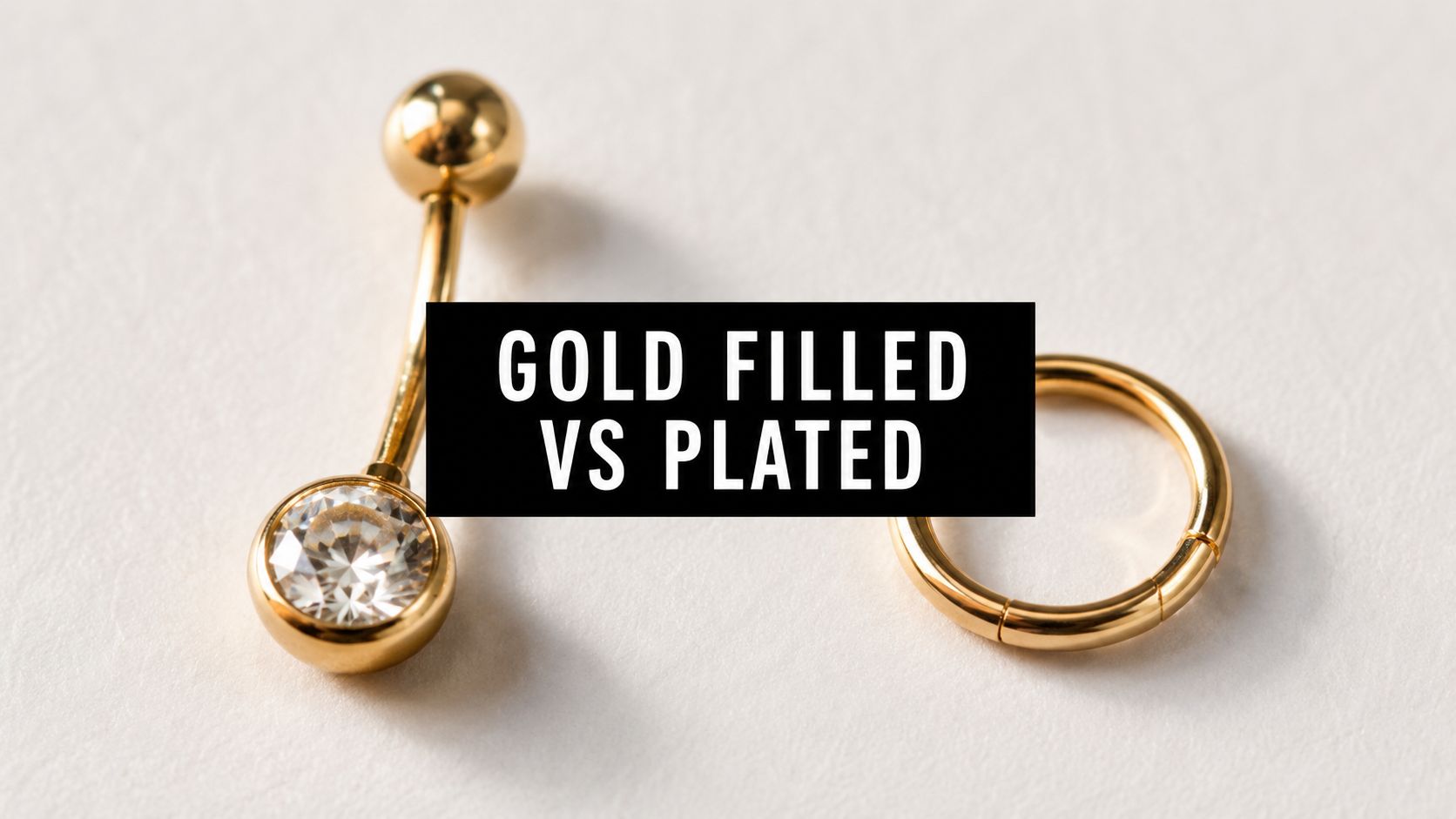
PVD-coated or gold-plated fashion metals can give you the look at a lower price, but plating around the hinge can wear faster because that spot gets moved the most. That doesn't mean you can't wear them, it means you should be realistic about lifespan.
Fast material cheat sheet
- Sensitive ears: titanium or solid gold usually make the most sense.
- Daily wear: titanium, surgical steel, or solid gold tend to behave better.
- Budget fashion: plated options work best when you're gentle with them.
- Repeated hinge use: avoid soft metals if the closure already feels loose.
A soft metal in a high-stress hinge is a recipe for alignment trouble over time. If you want the hoop to keep clicking shut cleanly, give the mechanism something stable to work with.
How to Put In and Take Out Hinged Hoops Safely

The trick is to be gentle before you feel resistance, not after. Once you start forcing a hinge, the closure gets harder to trust, and your ear gets irritated for no good reason.
The clean way to wear them
- Open the hoop by pulling the clasp away from the post.
- Insert the post through your piercing while keeping the opening lined up.
- Close the hoop by pressing the post back into the catch until you hear or feel a click.
That click is the cue. One fitting guide says the hoop is secure when you hear that sound, which gives you a concrete check instead of guessing by feel (click-closure demo).
When the closure doesn't feel right
If the click feels mushy instead of crisp, the hinge may be getting tired. If you have to pinch harder than usual, the alignment may be off. If the hoop only stays shut when you press it in a very specific way, don't keep forcing it, because repeated off-axis closing can make the problem worse.
Cartilage can make this trickier than a healed lobe because swelling or angle changes can make the release point harder to find. A good rule is simple, if a hoop starts fighting you every time, it's not being “stubborn,” it's telling you something about wear.
If you hear a weak close, stop and inspect the latch before you wear it out more.
The same logic applies when removing the piece. Open it straight, don't yank sideways, and don't twist the hoop against the hinge.
Cleaning and Care That Protects the Hinge
A hinge usually gives up for one of two reasons, buildup in the mechanism or fatigue from rough handling. If you treat it like a simple decoration instead of a small moving part, it'll show you the difference pretty fast.
The routine that keeps it clicking
For daily-wear pairs, a warm-soapy soak is the starting point. Let the hoop sit long enough to loosen residue, then use a soft toothbrush around the pin and catch, rinse it clean, and dry it completely before storage. If you wear a pair only a few times a week, you can clean it less often, but it still needs the same gentle approach.
Avoid harsh alcohol baths, sulfur-containing soaps, and jewelry dips on plated pieces, because those can be rough on finishes and moving parts. Don't sleep in heavy hoops either, especially if the hinge already feels soft, because pressure plus movement is how closures start to loosen. Store hinged hoops flat or hang them so the clasp isn't taking the weight of other jewelry.
Small habits that save the mechanism
- Use warm water and mild soap for routine cleaning.
- Brush the hinge area gently so debris doesn't collect near the latch.
- Dry every crease and joint before you put the hoop away.
- Handle the post straight instead of bending the closure sideways.
The care rule is simple. If you keep the hinge clean and stop stressing it, the click tends to stay cleaner for longer.
Pro tip: regular care prevents hinge failures.
Styling Ideas and How to Choose Your Perfect Pair
Once the fit feels right, the styling part gets fun. A tiny huggie in the lobe can look sharp with a mid-size hoop higher up, and a single oversized gold hoop can do all the talking on its own. If you like stacked piercings, clickers can also create a neat line across a conch or rook when the profile stays flush.
Easy ways to build a look
- Minimal look: one slim hoop in each lobe with a clean finish.
- Mixed stack: a small titanium huggie in the lobe and a slightly larger hoop in the helix.
- Statement look: one larger gold hoop worn alone so the shape stays front and center.
- Layered piercings: matching clickers across multiple spots for a coordinated ear story.
Gift shopping gets easier when you follow the ear, not the trend. If you know the person wears sensitive-friendly metals, titanium or solid gold are the safer starting points. If you're unsure about their gauge or how snug they like a hoop, huggie sizing is usually easier to get right than a dramatic oversized shape.
BodyCandy carries hinged hoop styles across different looks and finishes, so the smart move is to compare the closure, the material, and the diameter before you buy. That way you're choosing for comfort first, then style, which is usually how the pairs end up getting worn the most.
Ready to find a pair that fits the way you wear jewelry, not just the way it looks in a photo? Shop BodyCandy for hinged hoop earrings, sensitive-skin-friendly options, and everyday styles that click shut the way they should. Visit BodyCandy and pick the pair that matches your piercing, your routine, and your vibe.