18 Gauge Nose Rings

18G is one step thicker than the nostril standard, and plenty of piercers use it. This is every 18 gauge nose ring in one place. Studs, screws, L-shapes and hoops, in surgical steel, titanium and real 14k gold. If a 20G stud feels loose in your piercing, this is your page.


18G Nose Ring Fit Guide

18G is 1.0mm, against 0.8mm for 20G. The difference is small to look at and obvious to wear. An 18G post in a 20G piercing goes in only with slow, gentle pressure, and never by force. A 20G post in an 18G piercing goes in easily but sits loose and can spin. Match what you have now. Gauge and length are on every product page.

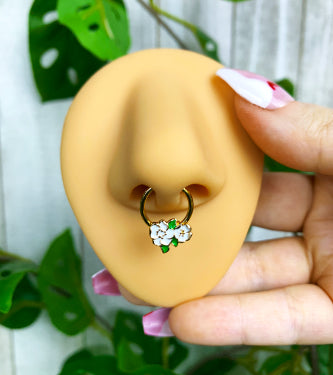
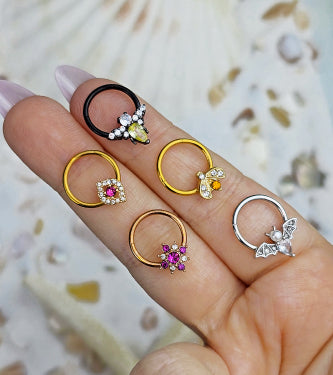
Hoops here run 5/16" and 3/8" inside diameter. Studs run the standard 1/4" (6mm) wearable length. Many of the 18G hinged hoops also fit the helix and tragus, which is why a few are titled as cartilage rings.

The other gauges, and the whole nose:
FAQ

Both are standard. Many piercers use 18G for the initial piercing because the slightly thicker post is sturdier while it heals, and plenty of people stay there. 20G is the more common size for everyday jewelry. Match whatever you were pierced with.

It's one step thicker, 1.0mm against 0.8mm. A healed piercing often accepts it with slow, gentle insertion, but never force it. If it won't glide in, stay at 20G.

Yes, it goes in easily. It will sit a little loose and may spin, and a piercing left in thinner jewelry for a long time can shrink to fit it. If you like the 18G fit, stay on this page.

5/16" (8mm) hugs the nostril close. 3/8" (10mm) gives the hoop a little air and movement. If your current hoop fits well, buy the same diameter. It's on every product page.

Many do. An 18G hinged hoop in 5/16" or 3/8" also fits a helix, tragus or daith, which is why a few pieces here are titled as cartilage rings. The product page lists which piercings each one suits.

316L surgical steel for most, implant-grade titanium for sensitive noses, and solid 14k gold at the top. Every product page lists the metal.