
















Thinking about getting one of the most talked-about intimate piercings? Awesome! Let's dive right in and get you all the info you need. A hood piercing is a type of female genital piercing, but it’s probably not what you think. It's placed through the clitoral hood—that small, protective fold of skin over the clitoris.
That's a super important detail: it doesn't pierce the clitoris itself. This makes the experience way less intense than most people imagine!
Demystifying the Hood Piercing
If you're curious about getting a more intimate piece of body jewelry, you've totally come to the right place. We're going to break down exactly what a hood piercing is, moving past the myths and getting straight to the facts in a clear, shame-free way.
This piercing is all about that thin layer of skin covering the clitoris. And while it might feel like a modern trend, adorning your body has a surprisingly rich history. The practice is part of a broader cultural story of genital piercings that dates back over 2,000 years, with deep roots in regions like South Asia and Southeast Asia.
Vertical vs. Horizontal Placement
When you hear someone talking about a hood piercing, they’re almost always referring to one of two main styles:
- Vertical Clitoral Hood (VCH): This is, by far, the most popular option out there. The piercing runs top-to-bottom through the hood, with the bottom bead resting just above the clitoris. Its placement is famous for enhancing sensitivity and works well for most anatomies.
- Horizontal Clitoral Hood (HCH): This style is exactly what it sounds like—it runs side-to-side through the hood. It's less common than the VCH but offers a unique and different aesthetic.
Understanding these basics is the perfect first step in your journey. For a little more inspiration, you should check out our guide on intimate body jewelry for ladies' piercings to see all the incredible possibilities.
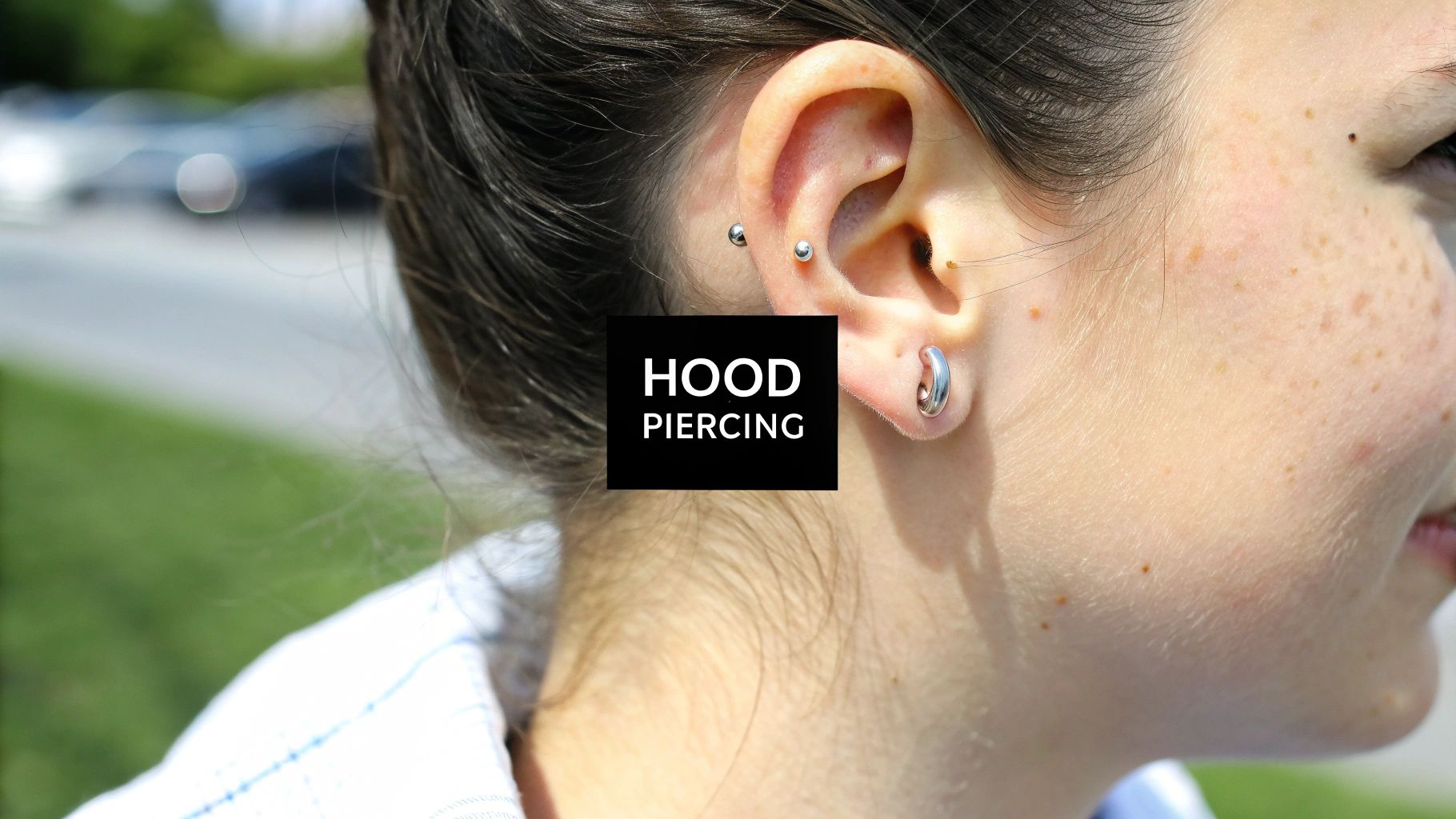
Your Piercing Appointment Step by Step
So, you’re thinking about getting a hood piercing and wondering what actually goes down during the appointment? Let's walk through the whole thing, from start to finish. Knowing exactly what to expect will help you feel way more confident and prepared for the big day. No surprises here!
First things first, your journey really begins long before you even set foot in the studio. It all starts with finding a highly reputable piercer who specializes in intimate piercings. This part is absolutely crucial. This kind of piercing requires very specific anatomical knowledge and expertise, so it's definitely not a job for just any piercer. A true professional will make you feel totally comfortable from the moment you make contact.
The Consultation and Marking
Once you're at the studio for your appointment, things will kick off with a private consultation. Your piercer will take a look at your anatomy to make sure you're a good candidate and chat with you about the best placement. This is your chance to ask any last-minute questions and talk about jewelry options.
After you're both on the same page, the piercer will carefully mark the entry and exit points with a sterile marker. They'll then hand you a mirror so you can check out the placement and make sure you're completely happy with it before moving on.
Pro Tip: Don't be shy about asking your piercer to adjust the marking! It's way easier to move a little dot of ink than it is to re-pierce something later. This is your body, and your input is key to getting the look you really want.
This next visual breaks down the core piercing process into three simple, sterile stages.
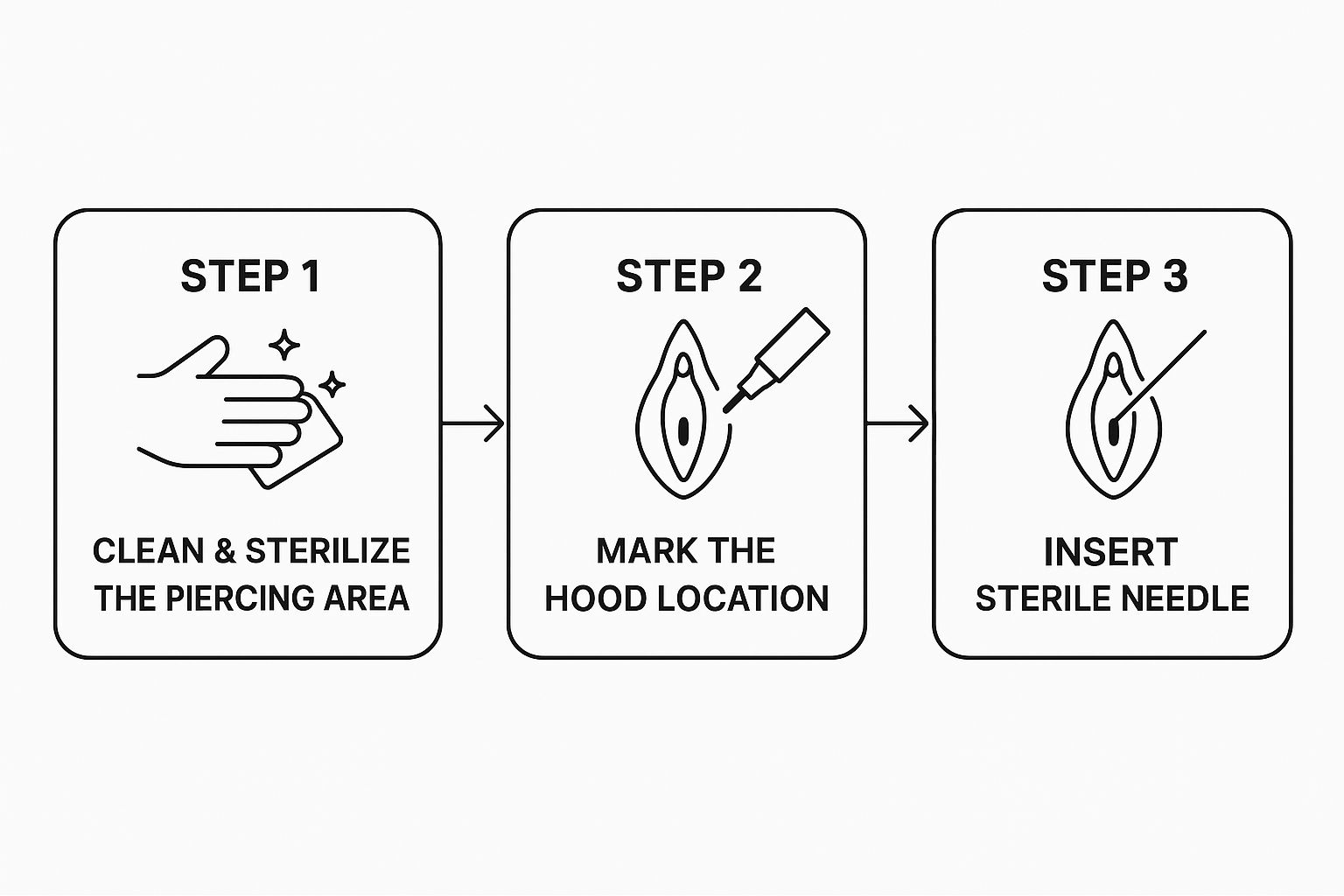
As you can see, the focus is all about hygiene and precision at every single step, from sterilization all the way to the final needle insertion.
The Piercing Itself
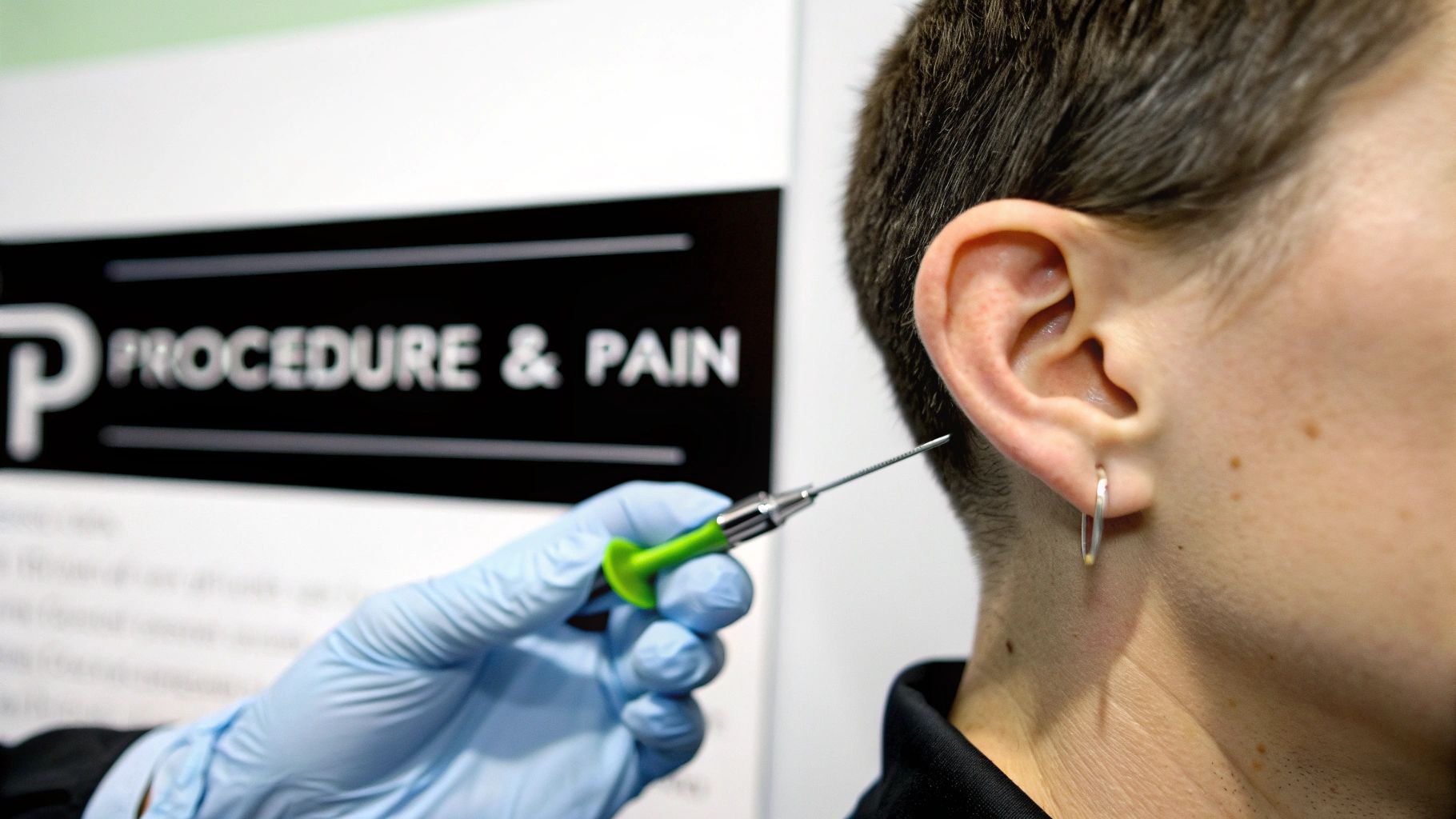
Alright, this is the part everyone gets a little nervous about, but we promise it’s incredibly fast. Using a sterile, single-use needle, the whole thing is over in a flash—literally a second or two. Most people describe it as a quick, sharp pinch that’s gone almost as soon as it starts.
Because the tissue of the clitoral hood is so thin and has great blood flow, many people find it's actually less painful than getting cartilage or even a navel piercing. A professional, safe process makes all the difference in making sure you have a smooth and positive experience.
Choosing the Best Jewelry for Your Hood Piercing
Now for the fun part—the jewelry! Picking out the perfect piece is about more than just how it looks; it's a huge part of a smooth healing process and your long-term comfort. This is where you get to really personalize your new piercing.
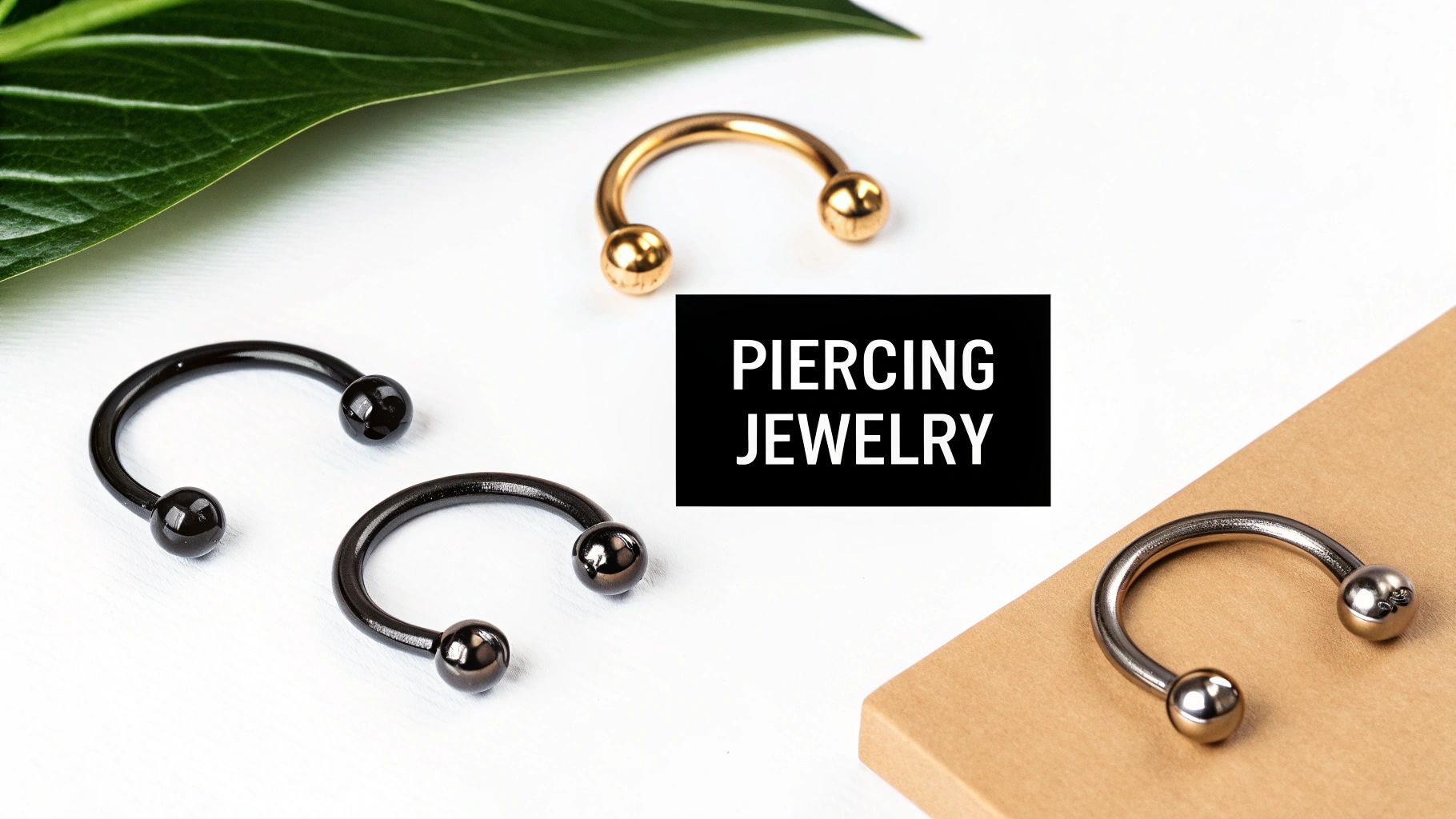
For the ever-popular Vertical Clitoral Hood (VCH) piercing, a curved barbell is the undisputed champion. There’s a good reason for this: the bottom bead is designed to rest gently against the clitoris, which is what creates that enhanced sensation many people are looking for with this piercing.
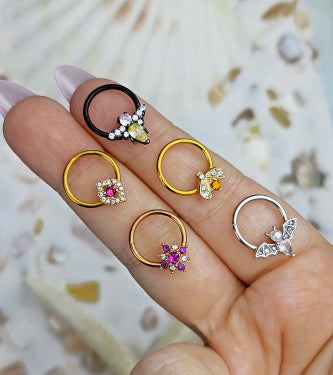
On the other hand, if you go for a Horizontal Clitoral Hood (HCH) piercing, you’ll probably be looking at different jewelry styles. Things like captive bead rings (CBRs) or smaller circular barbells are more common here, since they fit the side-to-side placement much better.
Hood Piercing Jewelry Comparison
To make it even clearer, here’s a quick breakdown of which jewelry works best for which hood piercing.
| Jewelry Type | Best For | Material Recommendation |
|---|---|---|
| Curved Barbell | Vertical (VCH) | Implant-Grade Titanium |
| Captive Bead Ring | Horizontal (HCH) | Implant-Grade Titanium |
| Circular Barbell | Horizontal (HCH) | Implant-Grade Titanium |
| 14k Gold Pieces | VCH or HCH (Healed) | Solid 14k Gold Only |
Ultimately, your piercer will help you choose the ideal starter jewelry based on your specific anatomy, but this gives you a great idea of what to expect.
Material Matters Most
No matter which style you fall in love with, the single most important factor is the material. We’re talking about an incredibly sensitive area, so using only body-safe, high-quality metals is completely non-negotiable, especially for your initial jewelry.
Here’s what you should be looking for:
- Implant-Grade Titanium: This is the gold standard for any fresh piercing, period. It's totally nickel-free and biocompatible, which means your body is extremely unlikely to have a bad reaction to it.
- 14k Gold: Once you’re all healed up, you can start exploring more decorative options. Solid 14k gold (and we mean solid, not plated!) is a beautiful and body-safe choice for adding a touch of luxury.
Choosing the right material from the start is the best way to dodge irritation and keep your piercing happy. Think of it as the foundation for a successful healing journey—get this right, and everything else falls into place much more easily.
Sorting through different metals can feel a bit like a science class, but we've got your back. To learn more about what your jewelry is actually made of, you can find a ton of helpful info in our complete guide to body jewelry metals. Getting this part right will help you find a style that not only looks amazing but feels great, too.
Your Complete Healing and Aftercare Guide
So you’ve got your gorgeous new piercing—now what? Now comes the easy part, believe it or not. Taking care of your new hood piercing is surprisingly simple, and the best part is that it’s one of the fastest-healing piercings out there. You’ll be back to your normal routine before you know it.
Thanks to the incredible blood flow to this part of the body, the healing time is ridiculously fast. Most people are fully healed and ready to go in just 4 to 8 weeks! Your main job during this time is pretty simple: keep it clean and otherwise, leave it alone. Let your body do its thing.
The Daily Cleaning Routine
Your cleaning routine needs to be gentle. We can't stress this enough. This is a delicate area, so harsh chemicals are a huge no-no. Your new best friend is a simple, sterile saline solution.
You’ll want to clean the piercing just once or twice a day. You can either give it a quick spray directly with the saline solution or, even better, soak a clean piece of non-woven gauze and gently hold it against the piercing for a couple of minutes. Afterward, just pat the area dry with a fresh paper towel. Stay away from cloth towels—they can snag your jewelry and they’re a breeding ground for bacteria.
For a deeper dive into aftercare products, check out our guide on using H2Ocean aftercare solutions to keep your piercing happy and healthy.
Healing Do's and Don'ts
Getting through the healing process is all about creating the perfect environment for your body to work its magic. Making a few tiny adjustments to your daily habits will make all the difference between a smooth heal and a frustrating one.
Key Takeaway: The goal is to avoid irritation and contamination at all costs. Think of your new piercing like a tiny, sensitive wound that just needs to be protected while it closes up.
Here’s a quick checklist to keep in mind for those first crucial weeks:
- DO wear loose-fitting clothing and breathable cotton underwear. This is a big one. It cuts down on friction and lets air circulate, which is exactly what a healing piercing needs.
- DON'T use harsh soaps, cleansers, alcohol, or hydrogen peroxide. These are way too aggressive and will only irritate the delicate tissue, making your healing time longer.
- DO give the area a quick rinse with clean water after you shower. This just helps wash away any leftover soap residue that might cause irritation.
- DON'T engage in sexual activity during that initial healing window. It's best to wait until you're fully healed to avoid introducing bacteria or causing any physical trauma to the site.
- DO stay out of pools, hot tubs, lakes, and oceans. These bodies of water are basically a party for bacteria, and a new piercing is an open invitation you don't want to send.
Understanding the Risks and How to Avoid Them
Alright, let's have a real talk about the potential risks. Any time you get a new piercing, you're inviting a foreign object into your body, and it's smart to know what can happen. Being informed isn't about scaring you off—it's about making sure you have the best, smoothest experience possible.
The big three issues you'll hear about are infection, rejection, and migration. Rejection is pretty much what it sounds like: your body just decides it doesn't like the new jewelry and literally pushes it out. Migration is its sneaky cousin; instead of kicking the jewelry out completely, the piercing just sort of travels from its original spot.
Minimizing Your Risks
So, how do you sidestep these problems? Let's say this loud and clear: your single most powerful defense is choosing a highly experienced, professional piercer. This isn't the time to bargain hunt.
Finding a piercer who specializes in intimate piercings is your number one defense against complications. Improper placement is the leading cause of almost all major issues, and an expert knows how to work with your unique anatomy for a perfect fit.
Beyond that, here are a few other things to keep on your radar:
- Infection: This is almost always a result of lax aftercare or touching the area with unwashed hands. Keep it simple and clean with a sterile saline spray, and you'll dramatically lower this risk. Seriously, hands off!
- Embedding: This can happen if the initial jewelry is too short to accommodate the initial swelling. A great piercer will anticipate this and fit you with a slightly longer bar to start, preventing the jewelry from sinking into the tissue.
- Tearing: Ouch. Accidental snags on clothing or during intimacy can cause tears. Stick to loose, breathable fabrics (think cotton undies and comfy pants) during the healing phase to keep your new addition safe and sound.
Honestly, it boils down to two things: picking a top-notch piercer and following their aftercare instructions to the letter. Do that, and you’re setting yourself up for a happy, healthy piercing that you'll love for years to come.
Common Questions About Hood Piercings
It's completely normal to have a ton of questions swirling around when you're thinking about getting a hood piercing. Let's tackle some of the most frequent ones so you can walk into your decision feeling confident and fully in the know.
Does a Hood Piercing Increase Sensitivity?
For a lot of people, the answer is a big "yes!" The Vertical Clitoral Hood (VCH) piercing is intentionally placed so the bottom of the jewelry can provide some direct, gentle stimulation. But, of course, everyone's body is unique, so experiences can definitely vary from person to person.
How Old Do You Have to Be to Get One?
This is one area with zero wiggle room. You must be at least 18 years old to get any kind of genital piercing, pretty much everywhere. Any professional, reputable studio will ask for a valid, government-issued photo ID to confirm your age. No exceptions.
While it might feel like a recent trend, the clitoral hood piercing actually saw a big surge in popularity back in the 1970s and 80s. This was part of a larger body piercing revival, with pioneering studios like The Gauntlet in Los Angeles leading the charge with sterile techniques that made these piercings safer and more accessible.
Today, surveys estimate that between 0.5% and 2% of women in Western countries have genital piercings, often choosing them for both aesthetics and sensation. If you're curious about the backstory, you can discover insights on genital piercing history at getmaude.com.
Can My Anatomy Affect the Piercing?
Absolutely. Your anatomy is a huge factor in determining if a hood piercing is a good fit for you. While a VCH works for most people, an in-person consultation with a skilled piercer is non-negotiable. They'll need to take a look to find the best placement and make sure you're a suitable candidate.
Will It Affect Medical Appointments or Childbirth?
Once it's fully healed, a hood piercing shouldn't cause any issues with routine appointments like a Pap smear. That said, you can always choose to take it out for the appointment if you'd be more comfortable.
When it comes to childbirth, most doctors and midwives will recommend removing all jewelry, especially intimate piercings. This is just a precaution to prevent any potential tearing or other complications during delivery.
Ready to explore the stunning jewelry that makes this piercing so special? BodyCandy has an incredible collection of high-quality, body-safe pieces waiting for you. Find your perfect style and shop our intimate jewelry collection today