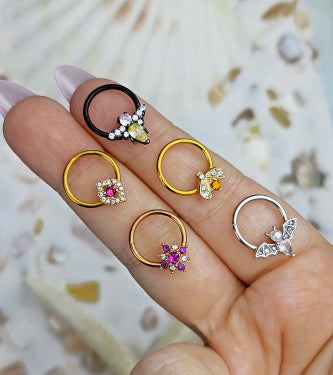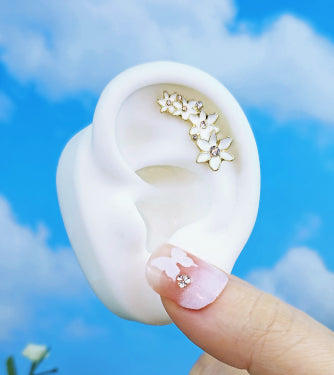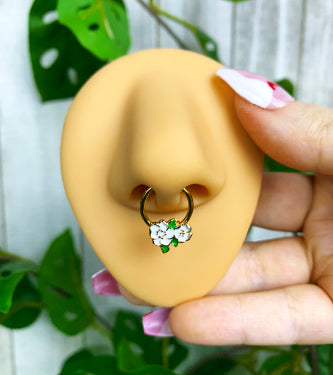



















So, you're thinking about getting your nose pierced and adding some serious sparkle to your look! Amazing choice. The whole process is way less scary than you think and really just boils down to a few key things: picking a style you're obsessed with, finding a piercer you trust, and committing to some super simple aftercare.
It’s a super exciting time, and knowing what to expect from start to finish makes the entire experience way more fun and way less nerve-wracking. Let's get into it!
Finding Your Perfect Nose Piercing Style

Getting your nose pierced is about so much more than just picking a spot and going for it. It's about finding a placement that really complements your unique facial anatomy and matches your vibe. When you get it right, a nose piercing can highlight your best features and become a signature part of your personal style.
Think of it like finding the perfect pair of sunglasses—what looks incredible on your bestie might not be the ideal fit for you. A little research now will pay off big time.
Exploring Popular Placements
The world of nose piercings is full of amazing options, and each one brings its own distinct personality. Let's break down a few of the most popular choices you'll run into.
- Classic Nostril: This is the timeless go-to, placed right on the curve of either nostril. It’s incredibly versatile—you can rock a tiny, subtle stud for a hint of sparkle or go bolder with a statement hoop.
- Edgy Septum: This piercing goes through the "sweet spot" of cartilage dividing your nostrils. A septum piercing makes a cool, confident statement. Plus, you can easily flip it up and hide it with a retainer if you need to!
- Unique High Nostril: Placed much further up on the bridge of your nose than a standard nostril piercing, this style is perfect for anyone who loves creating curated looks with delicate chains or multiple studs.
Want to see all the different possibilities? Dive into our complete nose piercing index to find the one that really speaks to you.
The best placement for you is one that not only looks great but also fits your lifestyle. Think about your job, your hobbies, and your overall personal style when you're making your final decision.
The Great Initial Jewelry Debate
You might be dreaming of walking out of the studio with a delicate little gold hoop, but let's pump the brakes for a sec. Almost every professional piercer will start you off with a specific type of stud, and there's a really good reason for it: healing.
Hoops, as gorgeous as they are, move around a lot. All that twisting and turning can seriously irritate a fresh piercing, leading to those dreaded irritation bumps and a healing process that's way longer and more complicated than it needs to be.
Studs, on the other hand, especially implant-grade titanium flat-back labrets, are the undisputed gold standard for initial jewelry. They're stable, low-profile, and minimize movement, which gives your new piercing the absolute best chance to heal without drama.
Once your piercing is fully healed—and this can take 6 months or even longer—then you can swap it out for that amazing hoop you've been eyeing. Think of that initial stud as the foundation for all the awesome jewelry to come!
How to Choose a Reputable Piercer and Studio
Okay, you've got a piercing style in mind. Now for the most critical decision of this entire process: picking the person who's actually going to do the piercing. Let's be real—this is not the time to hunt for a bargain or just pop into the closest shop. Finding a skilled, professional piercer is non-negotiable for your safety and the health of your new bling.
Your entire experience, from the moment the needle goes through to how well you heal, hinges on the person holding that needle. A great piercer nails the placement, keeps everything sterile, and starts you off with high-quality jewelry.
What a Professional Studio Looks Like
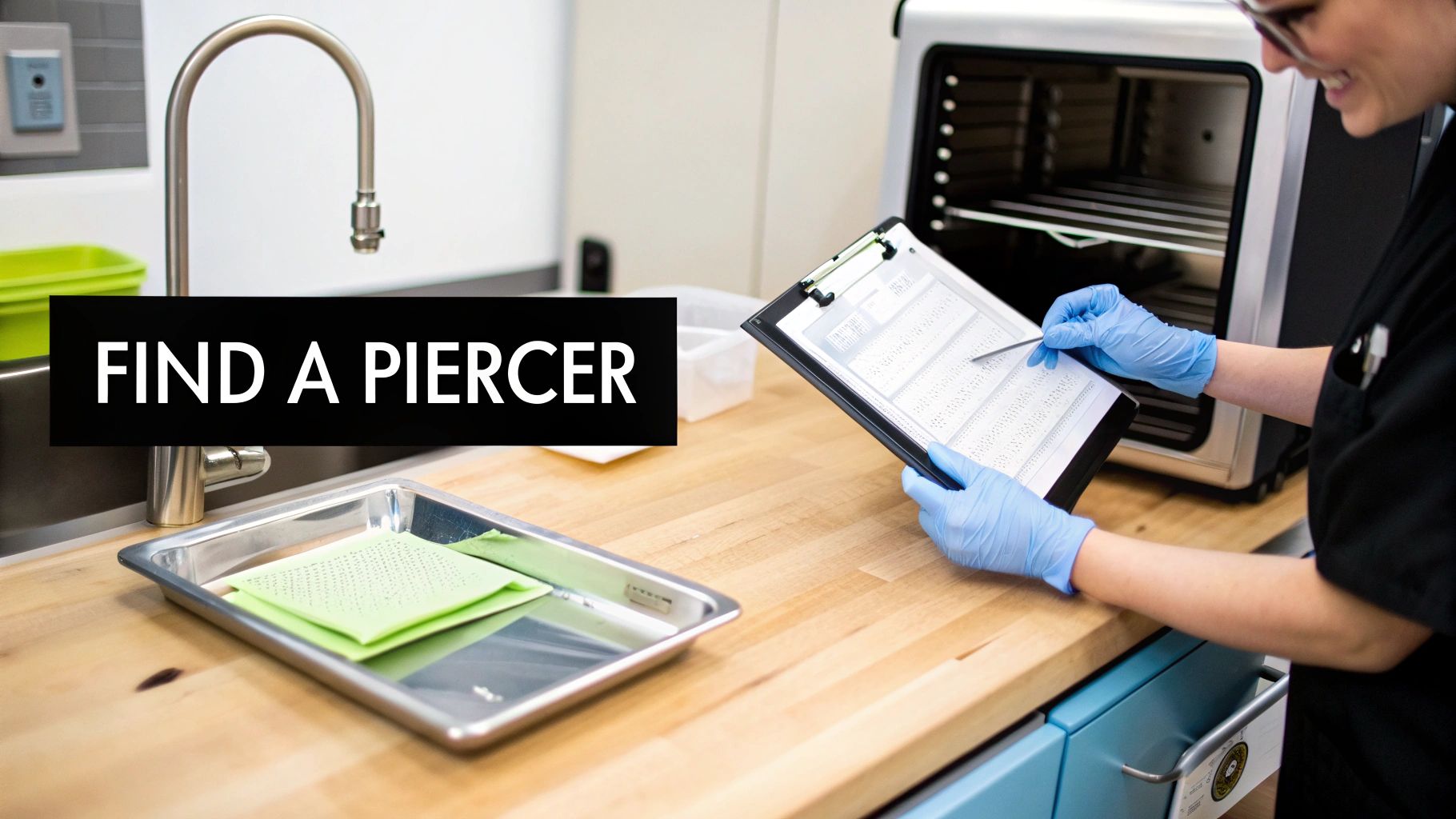
When you walk into a piercing studio, it should immediately feel clean and professional. I'm not just talking about a tidy waiting area; you need to look for specific signs that they're serious about hygiene. A reputable studio will never have a problem with you asking questions or wanting to see their setup before you commit.
Here are the green flags you should be looking for:
- Visible Sterilization Equipment: Ask to see their autoclave. This machine uses high-pressure steam to sterilize equipment, and any good studio will be proud to show you their sterilization area and process.
- Single-Use Needles: Your piercer absolutely must open a brand-new, sealed, single-use needle right in front of you. No exceptions.
- Spotless Environment: The piercing room itself should be immaculate. Look for clean surfaces and proper biohazard containers for used needles.
The demand for safe piercings has exploded. The body piercing service market hit USD 1.5 billion in 2024 and is only getting bigger, which shows just how many people are looking for pros. You're part of that trend, so you deserve a studio that meets the highest standards. You can read more about the growth of professional piercing services to see why quality really does matter.
Analyzing a Piercer's Portfolio
A picture is worth a thousand words, especially when it comes to piercings. Every credible piercer will have a portfolio, whether it's on Instagram or a physical book in the studio. But don't just get wowed by photos of fresh piercings—they almost always look good right after they're done.
The true mark of a skilled piercer is in their healed work. Look for photos of piercings that are several months old. They should look happy, healthy, and perfectly placed, without any signs of irritation or migration.
As you scroll through their work, pay attention to the details. Do they consistently achieve crisp, well-angled placements that actually suit their clients' anatomy? That's the kind of meticulousness that separates a decent piercer from a truly great one.
Major Red Flags to Avoid
Knowing what to run away from is just as important as knowing what to look for. If you see any of these red flags, turn around and find another studio. Seriously.
- Piercing Guns: Never, ever let anyone near your nose with a piercing gun. They cause blunt force trauma, are impossible to properly sterilize, and are often loaded with low-quality jewelry. A professional will only use a hollow needle.
- Vague Aftercare Advice: If their aftercare instructions are confusing or, worse, involve harsh stuff like alcohol or peroxide, that's a huge red flag.
- Pushy Sales Tactics: You shouldn't feel pressured into buying expensive, proprietary aftercare products. A simple, sterile saline solution is all you really need.
What Really Happens During Your Piercing Appointment
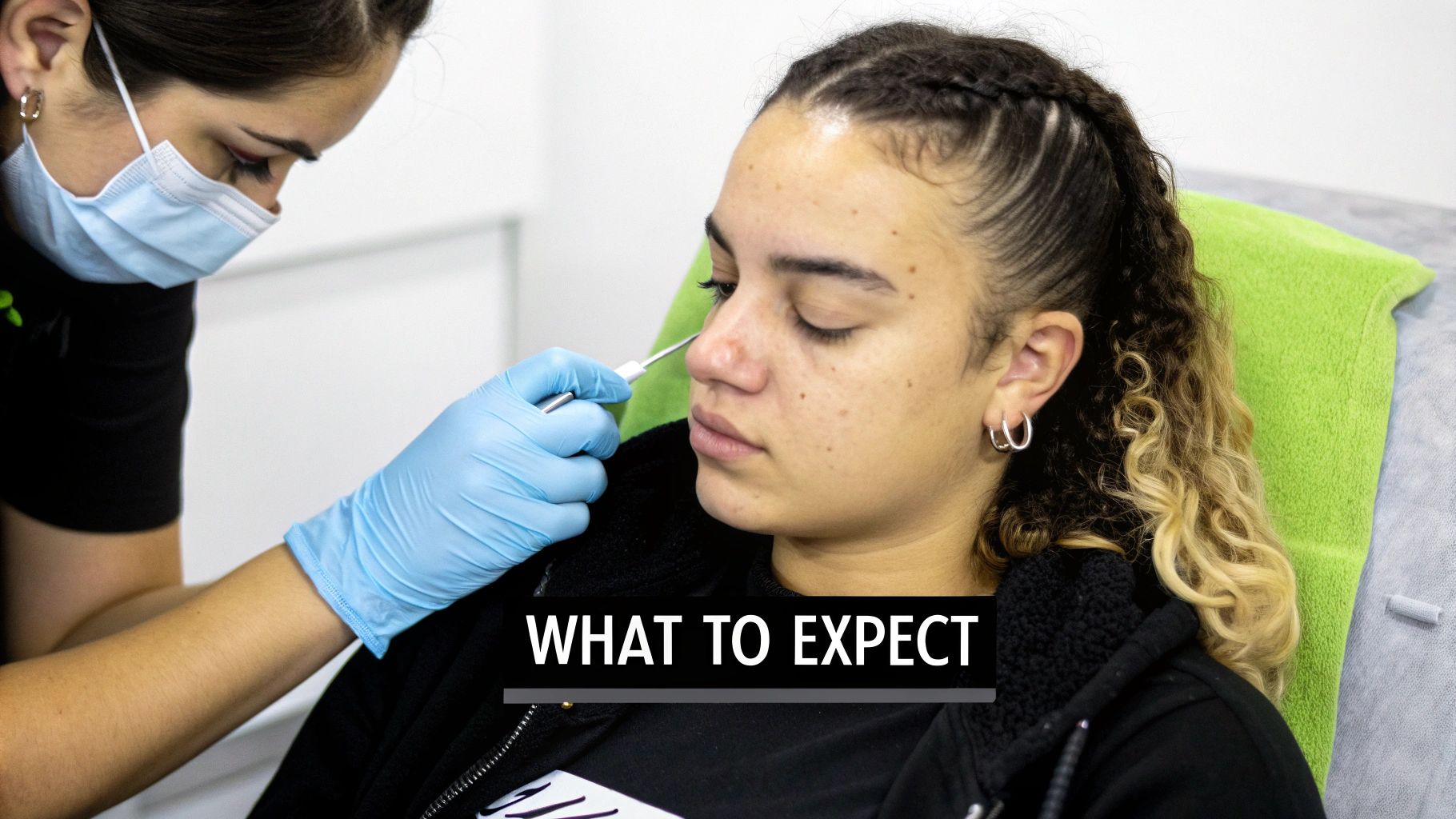
It’s completely normal to feel a few butterflies before your appointment. You’re excited, maybe a little nervous, and that’s all part of the fun! Knowing exactly what to expect helps turn those jitters into pure anticipation.
First up, you'll tackle a bit of standard paperwork. This is usually just a consent form to confirm your age and acknowledge the procedure. Think of it as a good sign—it means you’re in a professional studio that takes safety seriously.
The Consultation and Placement
Now for the creative part! You’ll sit down with your piercer to nail down the perfect spot. After cleaning the area, they'll use a sterile, single-use skin marker to place a tiny dot on your nose.
This is your moment to be picky in the best possible way. Your piercer will hand you a mirror so you can check out the placement from every angle. Don't be shy! Ask to see it a little higher, a touch lower, or more to the side until it feels absolutely perfect. A great piercer wants you to be 100% happy before they even think about picking up a needle.
Remember, this is a team effort. Your piercer brings the technical skill, but you bring the vision. Speak up to ensure the placement is exactly where you want it.
The Main Event: The Actual Piercing
Once you give the final "okay" on the placement, it's go-time. Honestly, the whole thing is over in a blink.
Your piercer will instruct you to take a deep breath in and then a long, slow breath out. As you exhale, they’ll quickly perform the piercing with a sterile, hollow needle and seamlessly guide your starter jewelry into place.
So, what about the pain? Most people describe it as a quick, sharp pinch that makes your eyes water for a second. It's more of a surprise than anything else. Before you can fully register what happened, your gorgeous new jewelry is in. It really is that fast.
Want to see it for yourself? Check out some real piercing experiences to demystify the moment.
Afterward, your piercer will clean the area one last time, let you admire your new look in the mirror, and then walk you through all the aftercare instructions you'll need for a smooth, happy healing journey.
Your Essential Guide to Nose Piercing Aftercare
Congrats, you did it! Now that you’re rocking your new nose jewelry, the really important part begins—the healing journey. Proper aftercare is the single biggest factor in making sure your piercing heals beautifully, and honestly, it’s way easier than you might think.
Your mission is simple: keep it clean, keep it dry, and leave it alone. That’s pretty much the whole game! Your body is a healing powerhouse, and your job is just to create the right environment for it to work its magic.
Your Daily Cleaning Routine
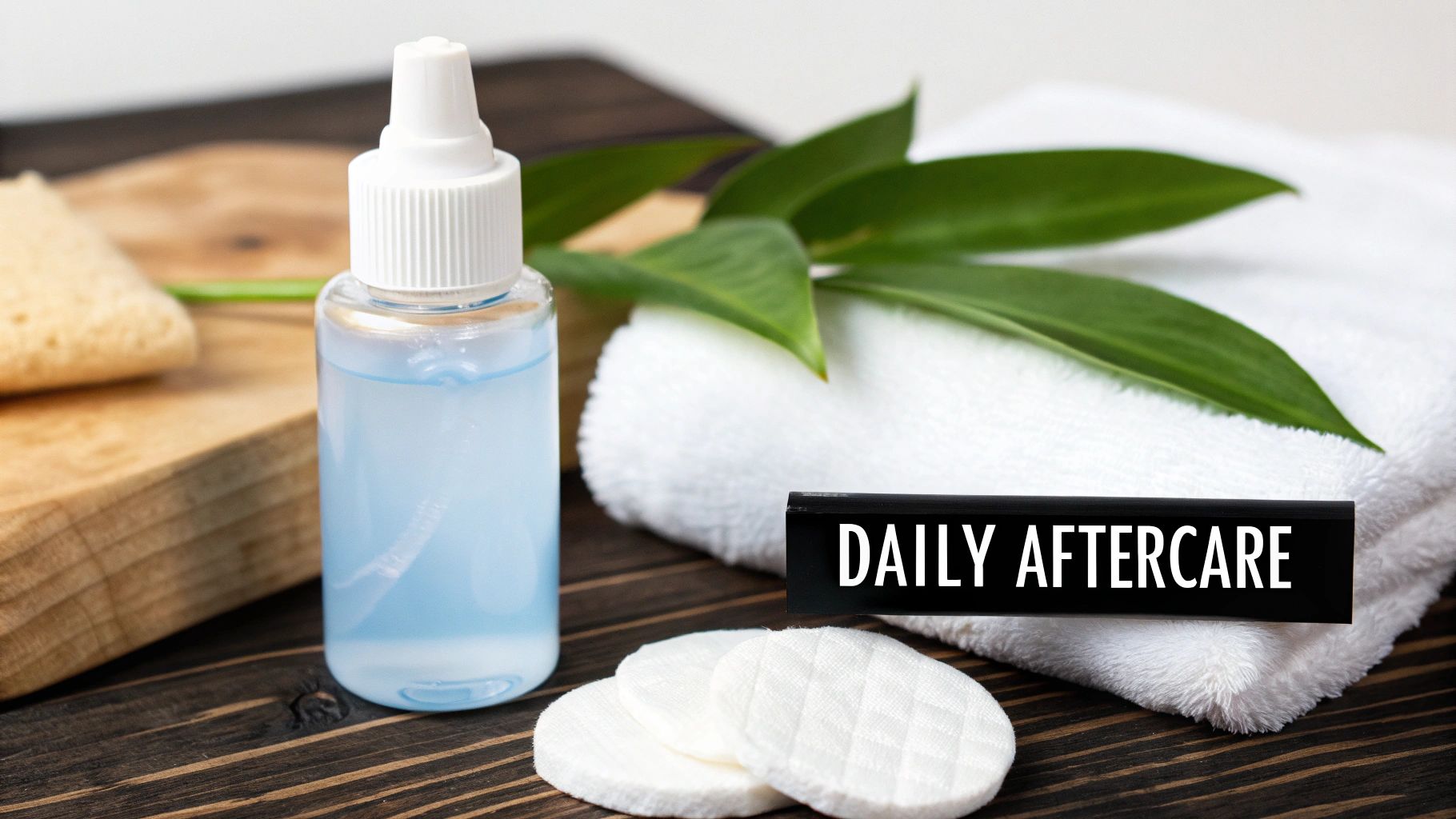
Consistency is everything. Your cleaning routine should be quick, simple, and focused on one key ingredient: sterile saline solution. You'll want to clean your new piercing just twice a day—once when you wake up and once before bed.
It can be tempting to clean it more, but over-cleaning can be just as irritating as not cleaning it enough. Stick to the schedule. Think of it as a new, super-minimalist step in your skincare routine.
Here’s all you have to do:
- Wash Your Hands: Before you even think about touching your piercing, wash your hands thoroughly with soap and water. This is non-negotiable for keeping bacteria away.
- Soak the Area: Generously spray a sterile saline solution directly onto the front and back of the piercing. Don’t be shy—make sure the entire area is soaked.
- Gently Wipe Away 'Crusties': You'll probably notice some yellowish-white crust forming around the jewelry. This is totally normal—it’s just dried lymph fluid, a sign your body is healing. Use a piece of non-woven gauze or a clean paper towel dampened with more saline to gently wipe it away. Avoid cotton balls or Q-tips, as their tiny fibers can get snagged and cause major irritation.
- Pat It Dry: Using a fresh, clean paper towel, gently pat the area completely dry. Moisture is not your friend here; a damp piercing can become a breeding ground for bacteria, so don't skip this!
What to Keep Far, Far Away
What you don’t put on your piercing is just as important as what you do. So many common bathroom cabinet products can do more harm than good, leading to irritation, dryness, and a seriously delayed healing process.
Keep this stuff far away from your fresh piercing:
- Alcohol and Hydrogen Peroxide: These are way too harsh. They'll just dry out the delicate healing tissue and make things worse.
- Ointments (like Neosporin): These are thick, block airflow, and can trap bacteria right against your skin.
- Harsh Soaps or Facial Cleansers: Try to avoid getting cleansers with fragrances, dyes, or exfoliants directly on the piercing.
- Tea Tree Oil or Other DIY Concoctions: While some people swear by these for other things, they are often way too strong for a fresh, open wound.
If you're curious about professional-grade products, you can explore more about specialized piercing aftercare solutions that are perfectly formulated for new piercings.
The golden rule of aftercare is simple: If you wouldn't put it in your eye, don't put it on your fresh piercing. Sterile saline is all you need.
The 'Hands-Off' Rules
Beyond your daily cleaning, the best thing you can possibly do for your piercing is to leave it the heck alone. Twisting, turning, or playing with your new jewelry is a one-way ticket to irritation bumps and a much longer healing time.
You also have to be mindful during everyday activities. Be extra careful when washing your face, drying off with a towel, or pulling clothes over your head. Snagging that new jewelry is not only painful, but it can also set your healing back weeks.
Troubleshooting Common Piercing Problems
Look, even if you follow your aftercare routine to the letter, new piercings can be a bit dramatic sometimes. Don't panic! Most of the issues that pop up are minor and totally manageable once you know what you're looking at.
The key is learning the difference between what's normal healing and what's a red flag. For example, seeing some whitish-yellow "crusties" is actually a good sign—that's just lymph fluid doing its job. A little swelling and redness in the first week? Also totally standard. Your goal is to spot when these normal signs cross the line into something that needs a little extra help.
The Infamous Irritation Bump
If you've spent any time on piercing forums, you've probably heard of the dreaded irritation bump. It’s that small, angry-looking reddish bump that forms right next to your new jewelry. First thing to know: it's not an infection. It's your body's way of throwing up a flare signal that says, "Hey, something is bothering me here!"
These bumps are incredibly common and usually caused by something simple. The first step to making it go away is playing detective to figure out the trigger.
Common Culprits Behind Irritation Bumps:
- Physical Trauma: Accidentally snagging your jewelry on a towel or catching it on your pillowcase while you sleep—this is a classic.
- Movement: Constantly twisting, turning, or just fidgeting with your jewelry. Leave it alone! You're just disrupting all that delicate new tissue.
- Trapped Moisture: Not drying the piercing thoroughly after cleaning creates a damp environment where irritation loves to hang out.
- The Wrong Jewelry: Low-quality metals are a big no-no. So is putting a hoop in a fresh piercing before it's ready, as the movement can cause constant friction.
To calm things down, just get back to basics. Double down on your aftercare, sticking to sterile saline soaks twice a day. Be extra, extra careful not to bump or snag it, and gently pat it completely dry afterward. Whatever you do, do not try to pop it or slather it with harsh stuff like tea tree oil. That will only make it angrier.
When to Call Your Piercer
While most issues are minor bumps in the road, some signs are clear indicators that you need to check in with a pro. Your piercer is your best friend here—trust me, they've seen it all and can tell you exactly what's going on. If you notice anything on this list, book a follow-up.
Never try to "wait it out" if you suspect an infection. A quick trip to your piercer or a doctor can stop a small issue from snowballing into a serious problem.
Contact a professional immediately if you experience:
- Thick Discharge: Any fluid that’s yellow, green, or has a foul smell is a major red flag.
- Excessive Swelling: Swelling is normal at first, but if it gets worse after the first week or feels uncomfortably tight around the jewelry, get it checked.
- Spreading Redness or Heat: If the skin around the piercing is hot to the touch and the redness is expanding outwards.
- Severe Pain: A new piercing should get less sore over time, not more. Throbbing or intense pain isn't part of the deal.
These symptoms could point to an infection, which may need a doctor's attention. Your piercer can assess the situation and will tell you if it's time to seek medical advice.
Styling Your Healed Nose Piercing
You made it! You’ve been patient, you’ve kept up with your cleaning routine, and now the moment you've been waiting for is finally here—your nose piercing is healed and ready for its big debut. This is where the real fun begins. It's time to explore the amazing world of nose jewelry and let your personality shine.
The options are practically endless, but when you're picking out new bling, it all boils down to two key things: material and style. If you get these two right, your piercing will not only look incredible but will also stay happy and healthy for the long haul.
Choosing Your Perfect Material
Even with a fully healed piercing, the metal you choose still matters. A lot. Your skin deserves the best, and picking a body-safe material is crucial for preventing any surprise irritation or sensitivity issues from crashing the party.
Think of these as the VIPs of piercing materials:
- Implant-Grade Titanium: This is the gold standard for good reason. It's completely hypoallergenic, super lightweight, and tough enough for everyday wear without a second thought.
- 14k Gold: If you're going for a classic, luxurious vibe, you can't beat solid 14k gold. It’s got that timeless shine and is a fantastic body-safe choice for most people.
- Surgical Steel: A solid, budget-friendly option, 316L surgical steel works great for many people. Just a heads-up, though: if you have extreme metal sensitivities, you might be better off sticking with titanium.
Remember, just because it's healed doesn't mean it's invincible. Sticking to high-quality metals is the smartest way to keep your piercing comfortable and looking its absolute best.
Finding Your Signature Style
Okay, now for the most exciting part—finding the piece that just screams you. The global body piercing jewelry market is absolutely booming, set to hit almost USD 9.8 billion by 2033. A huge driver behind this growth is the insane variety of nose jewelry we have now. This means you have more choices than ever to express your personal style. You can learn more about the rise of piercing jewelry trends to see just how massive this form of self-expression has become.
From subtle and minimalist to bold and dramatic, there’s a perfect piece out there for whatever vibe you're feeling.
- L-Bend Studs: A fantastic staple piece. They are super easy to put in and comfortable for pretty much everyone.
- Seamless Rings & Clickers: These are your go-to for that sleek, perfect hoop look you've been dreaming of. Clickers have a handy hinge that makes them extra secure, so you never have to worry about them falling out.
- Bone Studs: Simple and effective. These have a tiny ball on the end to keep them snug and in place, making them great for a barely-there look.
Whether you're all about delicate nose studs or you want to rock some eye-catching hoops, now is the perfect time to start experimenting and building your personal collection.
Got More Questions About Nose Piercings?
We get it—even after covering all the bases, you probably still have a few things you're wondering about. That's totally normal! So, we've rounded up the most common questions we hear about getting a nose piercing and put them all in one spot for you.
How Much Does Getting a Nose Piercing Hurt?
Honestly, it’s over in a flash! Most people describe the feeling as a quick, sharp pinch. You'll probably notice your eye on the pierced side waters up a bit, which is just a reflex.
On a pain scale from 1 to 10, a standard nostril piercing usually lands somewhere around a 3 or 4. That makes it one of the less intense piercings you can get.
Can I Get a Hoop in My New Nose Piercing?
This is a question we hear all the time, but any reputable piercer will give you a firm "no." For your initial piercing, you'll almost always start with a stud, like a flat-back labret.
Why? Studs are way more stable and don't move around much. That stability is super important for preventing those annoying irritation bumps and helping your piercing heal smoothly without complications. You can absolutely switch to that dream hoop once you're fully healed, but you need to be patient—that typically takes about 6 to 9 months.
What Do I Do If I Get Sick While My Piercing Is Healing?
It happens! Getting a cold with a fresh piercing isn't ideal, but it's manageable. The main thing is to be extra gentle when you're blowing or wiping your nose.
After you've dealt with a runny nose, just give the area a quick clean with your sterile saline solution to clear away any residue. The key is to avoid putting pressure on the piercing or snagging the jewelry. Your piercing might get a little extra swollen or tender, but if you stick to your aftercare routine, it will calm down once you're feeling better.
Ready to start planning your perfect healed piercing look? BodyCandy has an incredible collection of high-quality nose jewelry waiting for you.
Shop the full collection of nose rings at Bodycandy.com today!