












You're standing in front of the mirror, tugging at a belly ring that felt perfectly comfortable recently. The top ball now seems to press into your skin, your usual curved barbell looks less relaxed, and you're wondering whether a belly button ring extender during pregnancy will solve the problem or create a new one.
The short answer is that an extender can give a healed piercing more room, but it isn't a medical safeguard. Pregnancy changes the shape and tension of the navel area, so the right choice may be a longer flexible bar, a pregnancy retainer, or no jewelry at all. Your comfort, the condition of the piercing, and advice from your prenatal care provider should guide the decision.
What a Belly Button Ring Extender Actually Does
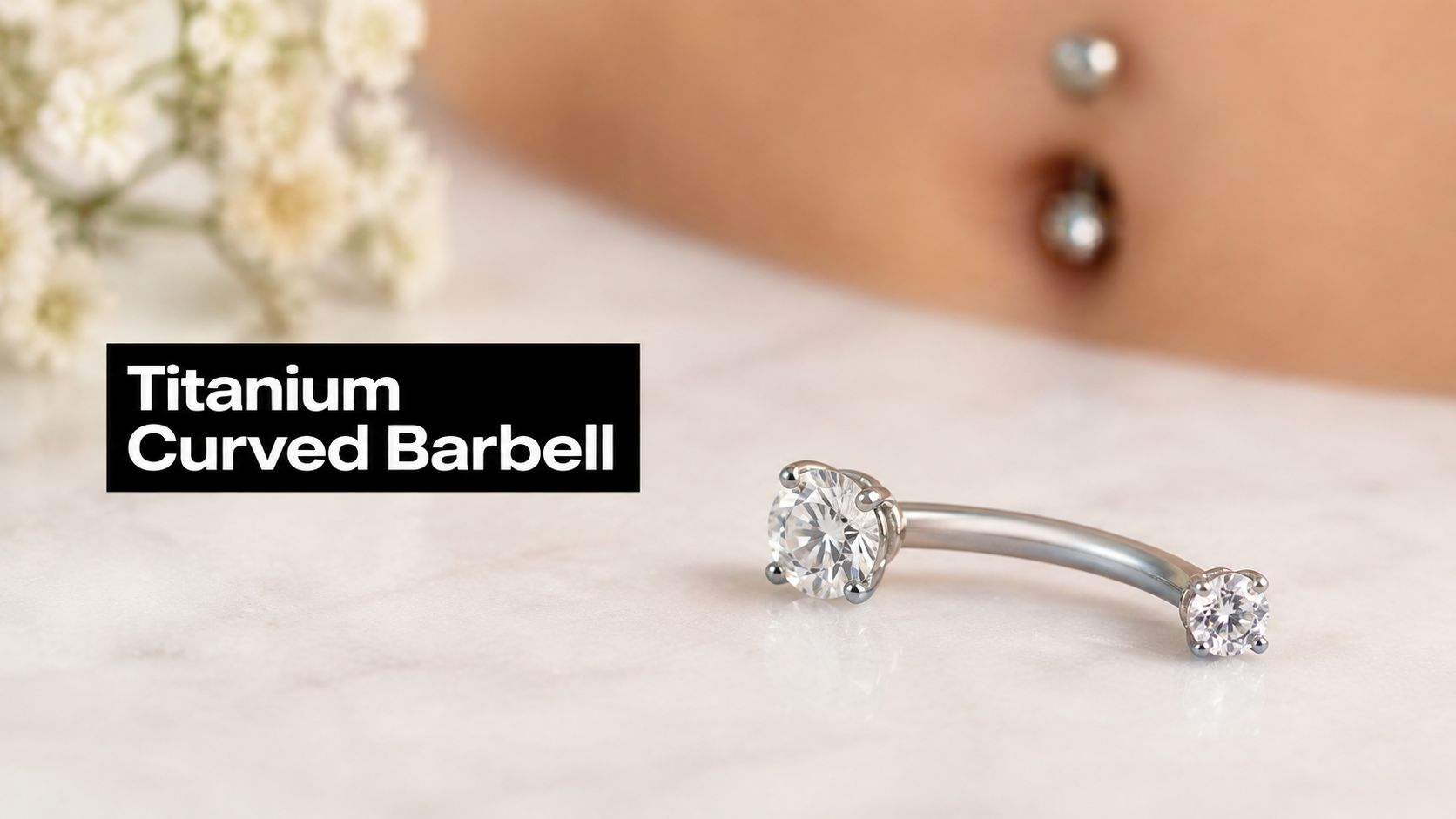
A belly button ring extender is a practical piece of jewelry hardware. It adds length between the piercing and the decorative end, giving the jewelry more space as your abdomen expands. Some options are longer barbells, while others use a flexible material or a dangling design to reduce pressure from a rigid ring.
Think of the difference between a waistband that sits comfortably and one that digs in. The waistband hasn't become dangerous because it feels snug, but continued pressure can irritate your skin. A belly ring can behave similarly when the top ball starts pressing into the navel or the barbell no longer sits naturally.
Pregnancy changes the navel area in several directions as the abdomen enlarges. That movement can put tension on the piercing channel, also called the fistula. A fully healed piercing can often remain in place, but a rigid or short piece may contribute to irritation, migration, tearing, or rejection when it no longer matches your changing anatomy, as explained in this pregnancy belly button piercing guide.

Practical rule: An extender creates breathing room. It doesn't stop skin from stretching, prevent infection, or make a fresh piercing safe during pregnancy.
A new navel piercing should wait until after pregnancy. Pregnancy-related immune changes and abdominal stretching can make healing harder, while non-sterile piercing equipment can expose you to hepatitis B, hepatitis C, or HIV, according to the American Pregnancy Association's piercing guidance. If your piercing is still healing, an extender may add movement and friction instead of solving the underlying issue.
Pregnancy-Safe Materials for Sensitive Skin
Pregnancy can make familiar jewelry feel unfamiliar. Skin may become more reactive, and a metal you once tolerated might suddenly cause itching, redness, or irritation. That makes material selection more important than sparkle when you're choosing an extender.
Start by checking the product description rather than relying on a vague phrase such as “hypoallergenic.” Look for a clearly named material and a smooth finish.
Materials worth considering
- Implant-grade titanium is a lightweight choice often selected for sensitive piercings. The specific grade and finish still matter, so buy from a seller that identifies the material clearly.
- Niobium is another material commonly considered suitable for people who react to certain metals. Its surface should be smooth and free from damage.
- 14k solid gold can work for some wearers, provided it isn't gold-plated and the alloy doesn't contain a metal that irritates you. “Gold tone” describes color, not necessarily solid gold.
- BioFlex and PTFE are flexible options for a growing abdomen. PTFE is also used in surgical implants, while BioFlex-style jewelry is designed to bend with movement rather than forcing a rigid shape against the skin.
Nickel-bearing alloys and mystery metals deserve extra caution when your skin is already sensitive. A product page that only says “metal” or “silver color” doesn't tell you enough about what touches the piercing.
For a useful primer on how jewelry materials affect reactive skin, browse this guide to hypoallergenic jewelry for sensitive skin. Keep your checklist simple:
- Confirm the exact material.
- Choose a smooth, flexible design when abdominal tension is increasing.
- Avoid chipped coatings, rough threads, and decorative edges that can catch.
- Stop wearing anything that causes persistent irritation, even if the product is marketed for pregnancy.
A flexible extender may feel gentler than a rigid metal bar, but flexibility doesn't erase the need for clean jewelry and regular inspection. If the piercing is painful or inflamed, material alone won't fix it.
How to Measure and Fit an Extender
Sizing by guesswork is how a belly ring turns into a tiny snag machine. Measure while standing, because your navel and abdominal skin sit differently when you're upright than when you're lying down.
Start with the bar you currently wear. Measure the wearable length, meaning the part that passes through the piercing, rather than including the balls, gems, or charm. A piercer can check this with calipers if you aren't sure how to identify the measurement. BodyCandy's caliper jewelry measuring guide can help you understand the process.
A practical fitting check
- Look for pressure first. The top ball shouldn't disappear into the skin, leave a deep indentation, or feel painful when you sit.
- Check the gap while standing. You want comfortable clearance between the jewelry and your changing skin. A small fingertip of room is a useful practical target, but your anatomy matters more than a fixed number.
- Watch the movement. The bar should move naturally without swinging excessively, pinching, or dragging the piercing channel.
- Size up when tension appears. If your jewelry feels tight, the skin looks stretched around it, or clothing catches more often, ask a piercer to assess the next length rather than forcing the current piece to work.

One sizing guide lists 14 mm jewelry as usable up to about seven months, while 19 mm or 20 mm versions are described as usable up to full term. Those are guide estimates, not promises. Your abdomen, piercing placement, jewelry shape, and rate of skin change may require a different fit, so don't wait for a calendar milestone if the bar already feels tight. See the pregnancy belly ring sizing guidance for the source of those size descriptions.
If you want a visual change without adding pressure at the piercing opening, a lightweight dangle can replace a bulky charm. It still needs enough clearance to avoid catching on clothing, and it shouldn't pull downward on a tender channel.
Safety Signs That Mean Swap, Resize, or Remove
Comfort is useful information, but visible changes deserve attention too. Pregnancy can increase the chance of migration, rejection, and snagging because the navel changes shape as the uterus grows. The clinical discussion of navel piercing during pregnancy shows that this concern has been recognized for well over a decade.
A piercing may need a longer bar when the jewelry presses into the skin. It may need a different design when it shifts, catches, or sits at an angle. It may need removal when the tissue itself looks compromised.

Signs to swap or resize
- Indentation or pressure: A ball that sinks into the skin or leaves a persistent mark suggests the jewelry is too tight.
- Changing angle: If the barbell begins sitting diagonally rather than following the piercing's usual path, swelling or tissue tension may be changing the fit.
- Thinning skin: Skin that looks increasingly delicate over the bar, especially around the top opening, can signal migration or rejection.
- Persistent redness: Redness that doesn't settle after removing friction shouldn't be dismissed as a normal pregnancy change.
- Pain, bleeding, discharge, or warmth: These symptoms can point to trauma or infection and deserve prompt attention from a healthcare provider.
Don't keep testing an uncomfortable ring by twisting it, pushing it back into place, or covering it tightly with clothing. Remove pressure, avoid unnecessary handling, and contact your piercer or prenatal provider for individualized advice. If you suspect infection, ask a healthcare professional before removing jewelry, because closing the channel can complicate assessment and drainage.
Clinicians commonly advise removing belly jewelry later in pregnancy if it becomes tight or irritating. An extender may be appropriate for a comfortable, fully healed piercing, but it isn't a reason to continue wearing jewelry through pain, skin thinning, or active inflammation.
Extenders vs Maternity Retainers vs Going Bare
The best option depends on what you need from the piercing right now. A longer flexible bar may preserve everyday wear, a clear PTFE retainer may keep the area discreet under clothing, and going jewelry-free may be the calmest choice when the skin is stressed.
A decorative extender works best when the piercing is healed, comfortable, and needs additional room. Flexible BioFlex-style jewelry can accommodate movement more easily than rigid metal, while PTFE retainers are useful when you want a low-profile piece that doesn't compete with work clothes or a growing belly.
Some people choose to remove jewelry completely in later pregnancy. That can make sense if the piercing is painful, the skin is thinning, or the channel is visibly migrating. A healed piercing may remain open, but there is no guarantee that it will stay open without jewelry, so ask a professional about your priorities before taking it out.
| Option | Best For | Comfort Level | Keeps Piercing Open |
|---|---|---|---|
| Longer belly ring extender | A healed piercing that needs extra room | Comfortable when correctly fitted | Often, but anatomy varies |
| Flexible BioFlex bar | Movement and changing abdominal tension | Flexible and low pressure | Yes, while worn |
| PTFE maternity retainer | Discreet wear and clothing clearance | Lightweight and flexible | Yes, while worn |
| Going bare | Pain, irritation, migration, or personal comfort | No jewelry pressure | Not guaranteed |
A retainer isn't automatically safer because it's clear. It still needs to fit correctly and stay clean. For more context on flexible pregnancy jewelry and keeping a piercing comfortable, read this maternity belly ring guide.
A Trimester-by-Trimester Care Routine
Your routine should become gentler as your abdomen changes. The goal isn't to scrub the piercing into submission. It's to reduce friction, notice changes early, and keep the jewelry clean without constantly disturbing the channel.
Early pregnancy
Use gentle saline care if your piercer or healthcare provider recommends it, and inspect the piercing while standing. Avoid spinning the barbell or picking at dried material. Loose, breathable cotton clothing can reduce rubbing when nausea, fatigue, or skin sensitivity makes everything feel more irritating.
Middle pregnancy
Check the jewelry's clearance as your abdomen grows. If the top ball presses into the skin, don't wait for a snag or open sore before asking a professional about a longer flexible bar. Choose waistbands that sit away from the navel, and look for underwear or smooth fabrics that won't hook onto a charm.

Later pregnancy and postpartum
Bending over can become awkward, so clean the jewelry in a position that doesn't strain you. A flexible retainer may be easier to live with under clothing, but remove or replace jewelry if it becomes tight, painful, red, or difficult to keep clean.
After delivery, wait until swelling and skin tension have settled before returning to a favorite statement ring. Don't change jewelry through an irritated channel. A professional piercer can evaluate the fit, while your prenatal or postpartum provider can assess symptoms that look like infection or significant tissue injury.
Your Pregnancy Piercing Questions Answered
Should you remove jewelry before labor?
Ask your obstetric provider and the facility where you plan to give birth. Their policy may depend on your procedure, monitoring, or the condition of the piercing. If the jewelry is already tight or irritating, remove it earlier with professional guidance rather than waiting until labor.
Can a healed piercing reject during pregnancy?
Yes, it can become more vulnerable to migration or rejection as the abdomen expands. A healed piercing has a better starting point than a fresh one, but healing status doesn't cancel out changing tissue tension.
Is an extender a medical device?
No. It's a jewelry accessory that adds length or flexibility. It may improve comfort, but it doesn't prevent infection, tearing, migration, or rejection.
When can you switch back after delivery?
There isn't one universal date. Wait until the area feels settled, shows no ongoing irritation, and fits the jewelry without pressure. A piercer can check the channel before you return to a heavier or more decorative ring.
Pregnancy doesn't require you to choose between style and common sense. Check the fit, choose a clearly identified material, and treat discomfort as useful feedback instead of something to power through.
BodyCandy offers pregnancy retainers and flexible belly jewelry options for people who want to accommodate a growing abdomen while keeping comfort in view. Visit BodyCandy to browse extender-friendly navel jewelry, compare flexible styles, and choose a piece that suits your current fit.