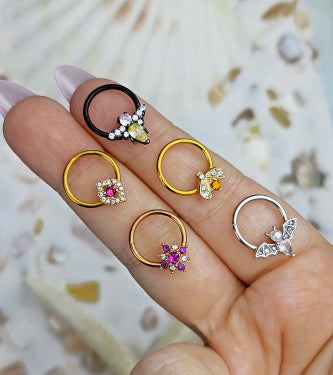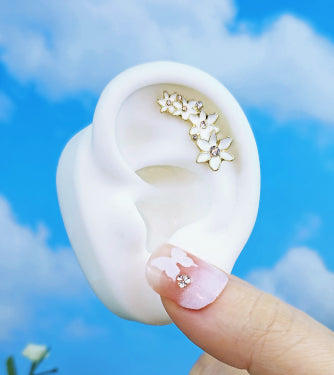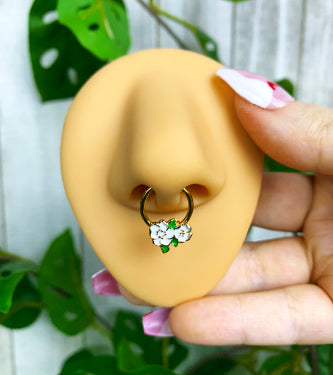



















So, you’re thinking about getting a navel piercing, but you're wondering what the damage to your wallet will be. Let's get right into it! The average belly button piercing cost usually lands somewhere between $40 and $100.
This price tag isn't just one flat number, though. Think of it as a package deal that covers both the piercer’s pro service and the cost of your first piece of stunning jewelry.
Your Quick Guide To Belly Button Piercing Costs
Trying to pin down the exact cost of a belly button piercing can feel a little mysterious at first, but it's actually pretty simple once you know what goes into it. Think of it less like buying a product and more like paying for a professional service that includes your starter bling. You're not just paying for a hole; you're investing in a safe, clean procedure done by an expert who knows their stuff.
Knowing what's included in that initial price helps you budget without any surprises. It lets you focus on the fun part—getting ready to show off that awesome new piercing!
Average Belly Button Piercing Cost Breakdown
To give you a clearer picture, let's break down what's typically wrapped up in that price range. The two big pieces of the puzzle are the service fee and the jewelry itself.
For a quick summary, here's how it usually stacks up:
| Cost Component | Average Price Range (USD) | What It Covers |
|---|---|---|
| Piercing Service Fee | $30 - $60 | The artist's expertise, time, sterile single-use needles, and all the sanitary supplies used in a professional studio environment. |
| Initial Jewelry Cost | $10 - $40+ | The starter belly ring inserted right after piercing. Prices vary by material (e.g., surgical steel vs. implant-grade titanium). |
As you can see, the cost is split between the procedure itself and the jewelry you start with.
-
Piercing Service Fee: This is the most critical part. It covers your piercer's time, their years of training, a sterile single-use needle, and the upkeep of a clean, professional studio. This is what guarantees your piercing is done safely and correctly.
-
Initial Jewelry Cost: This is for the starter belly ring that you'll be rocking during the healing phase. The price here can change depending on the material you choose. Basic surgical steel will be on the lower end, while premium, hypoallergenic options like implant-grade titanium will cost a bit more.
A word of advice: a lower price isn't always a better deal. Investing a bit more upfront often gets you higher quality materials and a more experienced piercer, which is absolutely crucial for a smooth, trouble-free healing journey. If you want to dive deeper into the different options, check out our guide to belly piercing styles and standards.
Understanding these details helps you see exactly where your money is going. It makes it clear why paying for quality is a non-negotiable for a happy, healthy, and gorgeous navel piercing.
Understanding What You Are Really Paying For
Ever wondered why one studio charges $50 for a navel piercing and the one down the street asks for $90? It’s not random, we promise! That price difference almost always comes down to quality, safety, and expertise. When you see that price tag, you're not just buying a piece of jewelry; you’re investing in a professional service.
Let’s pull back the curtain and break down exactly where your money goes. This isn't just about a needle and a shiny new belly ring—it's about making sure your piercing experience is safe, clean, and gives you a beautiful, healthy result you'll love for years to come.
The Piercing Service Fee
The biggest chunk of the cost is usually the piercing service fee. This is what you're paying for the piercer's skill and the studio's professional, sterile environment. Think of it like paying a hairstylist for a great cut—you're paying for their trained eye and steady hand.
This fee covers several essential elements:
- Expertise and Training: You're paying for your piercer's years of experience, deep knowledge of human anatomy, and their ability to place the piercing perfectly for your body. A true pro knows how to minimize pain and set you up for proper healing.
- Studio Cleanliness: A reputable studio invests heavily in maintaining a sterile environment. This means hospital-grade autoclaves for sterilizing equipment, brand new single-use needles for every client, and top-shelf disinfectants to keep you safe from infections.
- Time and Consultation: The service also includes the time your piercer spends with you. This starts with the initial consultation and marking, continues through the piercing itself, and finishes with a thorough explanation of aftercare.
The Initial Jewelry Cost
Next up is the cost of your starter jewelry. This is a huge factor in the final price, and it’s one area where you definitely don't want to cut corners. The material of your very first belly ring is absolutely critical for a smooth healing process.
Reputable piercers will only use high-quality, body-safe materials for initial piercings. This means materials like implant-grade titanium or 316L surgical steel, which are specifically designed to minimize irritation and allergic reactions.
While basic surgical steel is a solid, more budget-friendly option, implant-grade titanium is the gold standard for a reason. It's completely hypoallergenic and incredibly lightweight, which is why it often costs a little more. Investing in better material upfront can save you from the cost (and pain!) of dealing with nasty complications later on.
Location and Reputation Matter
Finally, where you get your piercing done plays a big role. A trendy studio in a major city with high rent will naturally have higher overhead costs than a small-town shop, and that often translates to a higher piercing fee.
It's the same with the artist. A piercer with a rockstar reputation and a long list of happy clients can command a higher price for their proven expertise. It's an investment in peace of mind.
The popularity of body jewelry is absolutely booming. The global market hit a massive USD 59.8 billion in 2023 and is still growing, with North America making up over 42% of that pie. This huge demand shows just how much people value self-expression, but it also means it’s more important than ever to choose a piercer who values your safety over making a quick buck. You can learn more about these market trends and see for yourself why quality really does matter.
Budgeting For Aftercare And Other Hidden Costs
So, you’ve paid for your piercing and your stunning starter jewelry. You're all set, right? Almost! The price you pay at the counter is just the first step. To make sure your new navel piercing heals up perfectly, you’ll need to budget for a few extra things people often forget about.
Think of it like getting a new pet. The adoption fee is just the beginning; you also have to buy food, toys, and plan for vet check-ups. Your new piercing is pretty much the same! Planning for these "hidden" costs from the get-go makes the entire healing journey smooth, stress-free, and ensures you end up with a piercing you absolutely love.
Essential Aftercare Supplies
Proper aftercare is totally non-negotiable for a happy piercing, and it all starts with having the right products on hand. Your piercer will give you detailed instructions, but the star of the show is always a sterile saline solution. Seriously, don't try to mix your own at home—it's basically impossible to get the salt-to-water ratio just right and, more importantly, keep it sterile.
Investing in a high-quality, pre-packaged sterile saline spray is the single best thing you can do for your healing piercing. It's gentle, effective, and removes all the guesswork, which helps prevent nasty irritation and infection.
- Sterile Saline Spray: Expect to pay $10 - $20 for a decent-sized can. You'll probably need one or two of these to get you through the most critical, early healing phase.
- Gentle, Unscented Soap: While many piercers are team "saline only," some might suggest using a mild soap. If that's the case, a bottle will only set you back about $5 - $10.
You can check out our detailed guide on H2Ocean aftercare products to see what the pros recommend.
Follow-Up Appointments and Jewelry Downsizing
Your piercing journey doesn't just end the moment you walk out of the studio. It’s smart to plan for a couple of follow-up visits, which might be necessary as you heal.
The most common reason for a follow-up is for downsizing. Your piercer will start you off with a belly ring that has a longer bar to make room for swelling. Once that initial swelling goes down (usually after 4-8 weeks), the extra length can start to cause irritation or get snagged on your clothes. A quick check-up with your piercer will let you know if you’re ready for a shorter, more comfortable bar.
It's smart to have a little extra cash set aside for these potential follow-ups and supplies. Here's a quick look at what other expenses might pop up.
Potential Hidden Costs for a New Navel Piercing
| Expense Item | Estimated Cost (USD) | Why You Might Need It |
|---|---|---|
| Aftercare Kit/Saline | $10 - $25 | This is essential for daily cleaning to prevent infection and help your body heal properly. |
| Downsizing Jewelry | $15 - $30+ | A shorter barbell is crucial after initial swelling subsides to stop snagging and irritation. |
| Check-up Appointment | $0 - $25 | Some piercers include a free check-up, while others might charge a small fee for their time. |
| Troubleshooting Visit | $20 - $50+ | If you run into an issue like an irritation bump, a piercer's help is invaluable, but it may have a consultation fee. |
All in all, budgeting an extra $50 to $75 on top of the initial piercing price is a really safe bet. This ensures you're totally prepared for everything from saline spray to that crucial downsizing appointment, setting yourself up for piercing success from day one.
How Jewelry Choice Affects Your Total Cost
Picking out your first belly ring is hands-down the most exciting part of getting pierced! It’s the shiny prize at the end of the needle, but it also plays a huge part in your total belly button piercing cost. The metal you choose isn't just about style—it has a major impact on both the final price and how well your piercing heals.
Think of it like this: when you buy a new car, you can stick with the standard tires or upgrade to high-performance ones for a safer, smoother ride. Your starter jewelry is the same deal. You're making an investment in your body's safety and comfort.
Surgical Steel: The Go-To Standard
For a lot of people, 316L surgical steel is the perfect starting point. It's affordable, super durable, and a staple for professional piercers. This makes it a great budget-friendly option that helps keep your initial cost on the lower end. Honestly, most people heal just fine with it, which is why it's so popular.
One thing to keep in mind, though: surgical steel does contain tiny amounts of nickel. It's not a lot, but if you know you have sensitive skin or a nickel allergy, this might not be the best pick for your healing journey.
Implant-Grade Titanium: The Hypoallergenic Hero
If you even think you have sensitive skin, implant-grade titanium is about to become your best friend. This is the top-shelf material that the best piercers swear by, and for good reason. It's completely nickel-free, making it 100% hypoallergenic, and it's so lightweight that it puts way less stress on your fresh piercing.
Sure, titanium jewelry will add a little more to the upfront cost, but look at it as an insurance policy for your piercing. Paying a bit extra for a material your body loves can save you from the cost—and the agony—of dealing with irritation or allergic reactions later on.
This is especially true as the body jewelry world keeps growing. The global market was valued at USD 8,120.50 million in 2024 and is expected to almost double by 2032, mostly because of amazing hypoallergenic materials like titanium. For those of us with picky skin, these high-quality options are a total game-changer.
The initial price isn't the only cost to think about, either. The flowchart below shows some other expenses that can pop up, which really drives home why starting with the right jewelry is such a smart move.
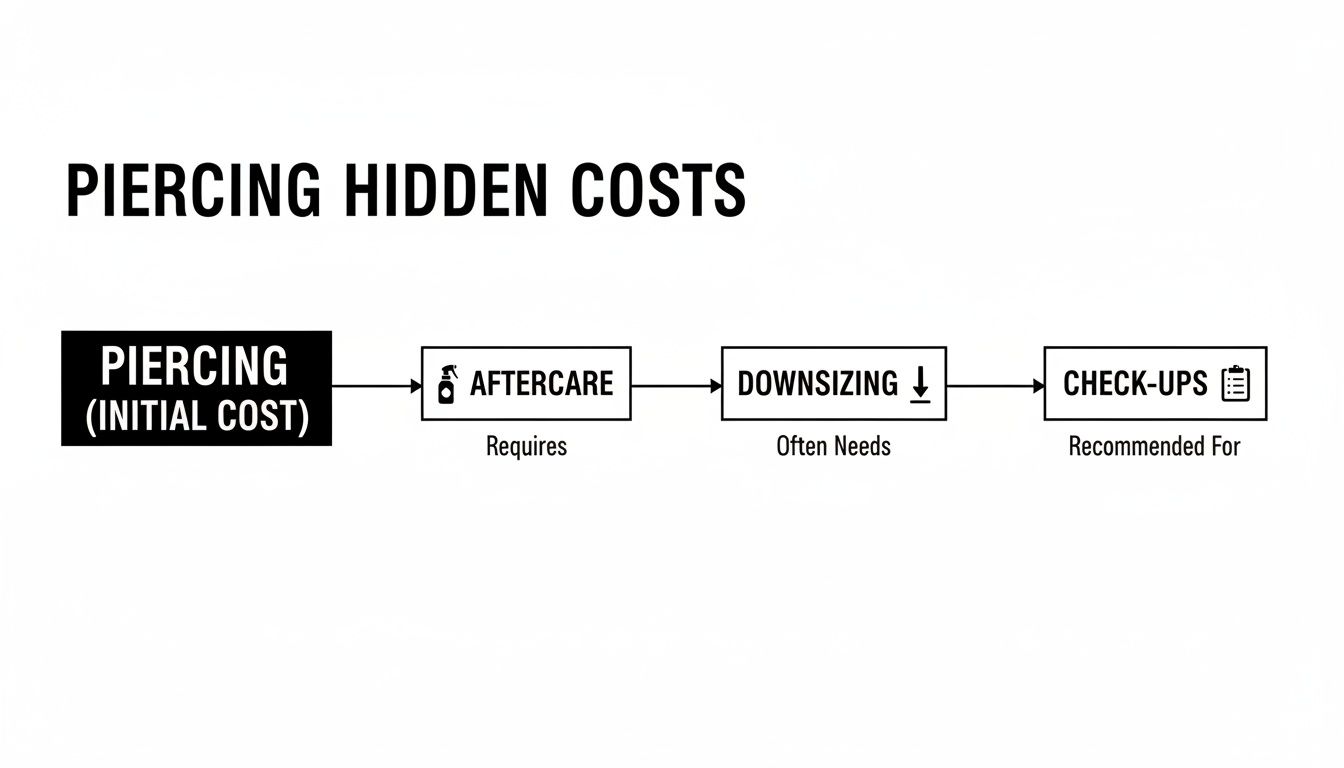
As you can see, things like aftercare, downsizing your jewelry, and follow-up appointments are all part of the process. A smooth start with quality metal makes everything that follows a whole lot easier.
Luxe Materials for Healed Piercings
Once your navel is fully healed (and we're talking a good 6-12 months down the line!), a whole new world of bling opens up. This is when you can start having fun with more decorative and fancy options like 14k gold or pieces loaded with sparkly gems.
These materials are amazing for showing off your style, but they're not great for a fresh piercing. They can be softer and are more likely to cause a reaction during that super-sensitive healing phase. To get the full scoop on different metals, check out our guide on what metal body jewelry is made of.
Saving Money Safely On Your New Piercing
Look, everyone loves a good deal. We get it. But when it comes to putting a hole in your body, "cheaping out" is a recipe for disaster. Your number one priority should always be safety, not hunting down the absolute rock-bottom belly button piercing cost.
A price that seems too good to be true is almost always a massive red flag. It could mean you're dealing with an inexperienced piercer, junk jewelry, or—worst of all—a studio that's cutting corners on critical sterilization. Yikes.
Think of it this way: a good piercing is an investment in your body. Paying a bit more upfront for a skilled professional using high-quality, sterile equipment is the smartest way to avoid painful infections and expensive doctor's visits later on. That being said, there are still some savvy ways to be budget-conscious without putting your health on the line.
Smart Ways To Save Without Sacrificing Quality
Being smart with your piercing budget doesn't mean you have to settle for less. It's all about spotting real value and dodging those sneaky markups. Here are a few insider tips for saving a few bucks without compromising the quality of your experience.
-
Ask About Package Deals: Some studios offer awesome bundles that include the piercing service, starter jewelry, and a can of aftercare spray for one flat fee. This can often shave a little off the total cost compared to buying each item separately. It never hurts to ask if they have any specials!
-
Look for Studio Promotions: Keep an eye on the social media pages for reputable studios in your area. They'll sometimes run promotions for holidays, flash events, or "piercing days." Just be absolutely sure the studio has a stellar reputation before you jump on any deal.
The real secret to long-term savings? Shop for your future jewelry online after you’re fully healed. While you must use the sterile, high-quality jewelry your piercer provides for the initial piercing, studio markups on follow-up jewelry can be pretty high.
Upgrade Your Style For Less After You Heal
Once your piercing is completely healed and happy—which can take anywhere from 6-12 months—you can finally swap out that initial starter ring. This is where the real fun (and savings) begins!
Shopping for your healed piercing at a trusted online retailer like Bodycandy opens up a massive world of affordable, high-quality options. You can find everything from classic surgical steel belly rings to dazzling jeweled pieces at prices that most studios just can’t match. This strategy gives you the best of both worlds: a safe, professional piercing experience upfront and the freedom to build a fabulous, budget-friendly jewelry collection for years to come.
Key Questions To Ask Your Piercer Beforehand
Walking into a piercing studio prepared is the best way to make sure you have an amazing, stress-free experience. Think of this as your pre-piercing cheat sheet—a list of must-ask questions that will help you vet any artist and feel totally confident before you even get in the chair.
Asking the right questions does more than just get you information; it puts you in control. It shows the piercer you’re serious about your health and helps you spot a true professional who loves what they do. So, take a deep breath, and let's get you ready to interview your potential piercer like a pro.
Questions About Their Experience and Studio
First things first, you want to get a feel for their specific expertise and how they run their shop. Any piercer worth their salt will be proud to answer these questions and show off their commitment to doing things right.
- "How long have you been piercing, and how many navel piercings have you done?" Experience is everything, especially with belly button piercings, since everyone's anatomy is a little different. You want someone who has seen it all.
- "Can I see your portfolio of healed belly button piercings?" Fresh piercings always look good, but seeing photos of beautifully healed work is the real proof of their skill.
- "What is your sterilization process?" The only answer you want to hear is "autoclave." An autoclave is a hospital-grade machine that uses steam and pressure to kill 100% of all bacteria and spores. If they mention anything else, it's time to walk away.
Questions About Jewelry and Aftercare
Alright, let's talk about the fun part (the bling!) and the most important part (the healing). The materials they use and the aftercare advice they give are critical for a happy, healthy piercing.
Don't be shy about asking what you’ll be pierced with. Your body will thank you for being picky! A professional piercer will only use high-quality, implant-grade metals for your initial jewelry.
Here are the essential questions to cover:
- "What material do you use for initial navel jewelry?" Look for answers like implant-grade titanium (ASTM F-136) or 316L surgical steel. Titanium is the absolute best choice if you have sensitive skin.
- "What are your aftercare instructions?" Their advice should be simple and straightforward: clean the piercing 1-2 times daily with a sterile saline solution. Overly complicated instructions or recommendations for harsh stuff like alcohol or peroxide are major red flags.
- "What is your policy if I have a problem during healing?" A great piercer’s job isn’t over when you walk out the door. They should encourage you to come back for check-ups and be happy to help if you run into any issues like irritation bumps.
Got More Questions About Navel Piercing Costs?
It's totally normal to still have a few things you're wondering about. When it comes to something as personal as a piercing, you want all the facts! Let's clear up some of the most common questions about belly button piercing costs so you can walk into that studio with total confidence.
Can I Bring My Own Jewelry To Save Money?
This is a big one, and we hear it all the time. But the answer from any piercer who knows their stuff will be a hard no.
Professional studios use jewelry that is pre-sterilized in an autoclave and made from specific, body-safe materials like implant-grade titanium for a reason. This guarantees your piercing starts its healing journey in the safest, most sterile way possible—something your jewelry from home just can't promise.
How Much Should I Tip My Piercer?
While it's not required, tipping is always an amazing way to show your piercer you appreciate their skill and the care they took. A good rule of thumb is 15-20% of the total service cost. Think of it like tipping your hairstylist or tattoo artist for a job well done.
Why Do Costs Vary So Much By Location?
You're not imagining it—prices really do change from city to city. The global body jewelry market is huge, and it's projected to hit USD 6.8 billion by 2032! A big part of that is how pricing reflects local economies.
A piercing studio in a high-rent area like New York or LA has way more overhead than a small-town shop. That difference gets passed on to the customer, which is why you'll see a higher price tag in a big city. You can read more about the growing body piercing market to get a better sense of how these trends work.
Ready to start dreaming about your post-healing belly ring collection? At BodyCandy, we've got thousands of affordable, high-quality styles just waiting for you.
Shop the full collection of belly button rings at Bodycandy.com!