
















You just got your ears pierced. You've admired the mirror selfie, sent the group chat update, and now you're standing in your bathroom holding a bottle, a cotton pad, and about five conflicting aftercare opinions.
That's where the process often stalls.
A safe antiseptic solution for ear piercing care shouldn't feel like a chemistry exam. You don't need a cluttered routine or old-school advice from someone who still thinks twisting earrings helps. You need a gentle plan that protects healing skin, keeps irritation down, and doesn't accidentally make things worse.
Your New Piercing Deserves the Best Start
You get home with brand-new earrings, wash your hands, and stare at the bottle lineup on the bathroom counter. Saline? Antiseptic? Something your aunt swears by from 2009? For a first-timer, aftercare can feel weirdly complicated for something so small.
Here's the grounding truth. A fresh ear piercing is a tiny healing channel, not just a hole with jewelry in it. The goal is to keep that area clean and calm so your body can do its repair work without extra irritation.
That balance trips people up.
Too little care lets dried discharge, sweat, and everyday grime sit around the piercing. Too much care can be just as annoying. Over-cleaning or using harsh products can leave the skin dry, swollen, and fussy, like washing a scrape over and over until it never gets a chance to settle.
If this is your first piercing, it helps to know what normal healing looks like from day one. BodyCandy's guide on what to expect before your first piercing gives helpful context for the full process.
The first goal is simple
Start with products that respect healing skin. That usually means sterile saline, and in some cases, a gentler modern option like hypochlorous acid. Hypochlorous acid sounds intense, but it is widely used in skin and wound care because it helps reduce unwanted bacteria without the harsh sting people associate with old-school antiseptics. For sensitive skin, that can make aftercare feel a lot less dramatic.
A good routine should do three things:
- Clean without stripping: Your piercing needs support, not a scorched-earth treatment.
- Be easy to repeat: Healing improves with steady habits, not random bursts of enthusiasm.
- Protect the area from extra trauma: Clean hands, gentle handling, and leaving the jewelry alone matter as much as the solution you choose.
Practical rule: Be gentle, be consistent, and keep your hands clean. A lot of irritation starts with good intentions and too much fussing.
What you need
Keep it simple.
- A piercing-safe cleanser: Use sterile saline or a gentle aftercare spray made for wound-style skin care.
- A routine you can stick to: Twice a day beats switching methods every time you read a new tip online.
- Patience: Your ear heals on body time.
That last point matters more than people expect. A new piercing often looks small and manageable, so it is tempting to treat it like a quick project. Healing is closer to tending a tiny garden. Consistent care helps. Poking at it to “check” on it does not.
The Great Aftercare Debate Saline vs Antiseptics
The old debate usually sounds like this: saline is gentle, antiseptics kill germs, so stronger must be better. That logic feels tidy. Your ear disagrees.
Today's aftercare advice leans hard toward sterile saline because it cleans without blasting fragile healing tissue. Older routines often pushed alcohol, hydrogen peroxide, iodine, or antibacterial cleansers. Those products can feel like they're “working” because they sting, dry, and strip everything. Healing skin doesn't love that.

Why saline became the standard
Professional piercing guidance now favors sterile wound wash labeled with 0.9% sodium chloride and no additives. That's one reason homemade salt water has fallen out of favor. The Association of Professional Piercers says mixing your own sea salt solution is no longer suggested because people often make it too strong, which can over-dry the area. BodyCandy touches on that shift in its article on basic piercing care and sea salt soaks.
Saline is boring in the best way. It rinses, softens crust, and supports the healing environment without trying to “nuke” the area.
Why old-school antiseptics can backfire
Some products sound reassuring because you've seen them in medicine cabinets forever. That doesn't make them good for fresh piercings.
Harsh full-strength antiseptic solutions such as hydrogen peroxide, Bactine, and alcohol are contraindicated for new piercings because they not only kill bacteria but also destroy new healing tissue.
That guidance is spelled out in the APP aftercare recommendations at SafePiercing.org.
Here's the plain-English version:
- Alcohol: Dries tissue fast.
- Hydrogen peroxide: Can damage healing skin.
- Iodine and harsh soaps: Often irritate the piercing channel.
- Homemade strong salt mixes: Feel “clean” but can leave the area crusty and tender.
Where hypochlorous acid fits in
This is the part most mainstream guides skip. Hypochlorous acid spray has become a modern option people ask about more often, especially if they have reactive or sensitive skin. According to Hey Rowan's guide to hypochlorous spray for ear piercings, hypochlorous acid is recognized in clinical wound care for helping reduce bacterial load while maintaining a moist healing environment, and it has gained traction in 2024 to 2026 for sensitive skin and faster recovery.
That doesn't mean saline is outdated. It means the conversation is broader now.
A simple way to choose
Use this quick decision guide:
| Option | Good fit for | Watch-outs |
|---|---|---|
| Sterile saline | Routine daily cleaning for most new piercings | Needs consistency |
| Harsh antiseptics | Not recommended for fresh ear piercings | Can irritate and delay healing |
| Hypochlorous acid | Sensitive skin, people wanting a gentler antimicrobial option | Choose products made for skin and piercing aftercare |
If you want one clear takeaway, it's this: for a fresh piercing, the safest “antiseptic solution for ear piercing” care is usually the one that cleans gently instead of aggressively.
Your Simple Twice-Daily Cleaning Ritual
Good aftercare should fit into your day without turning your sink into a laboratory. Morning and evening is enough for most new ear piercings. The trick is doing the same calm routine every time.

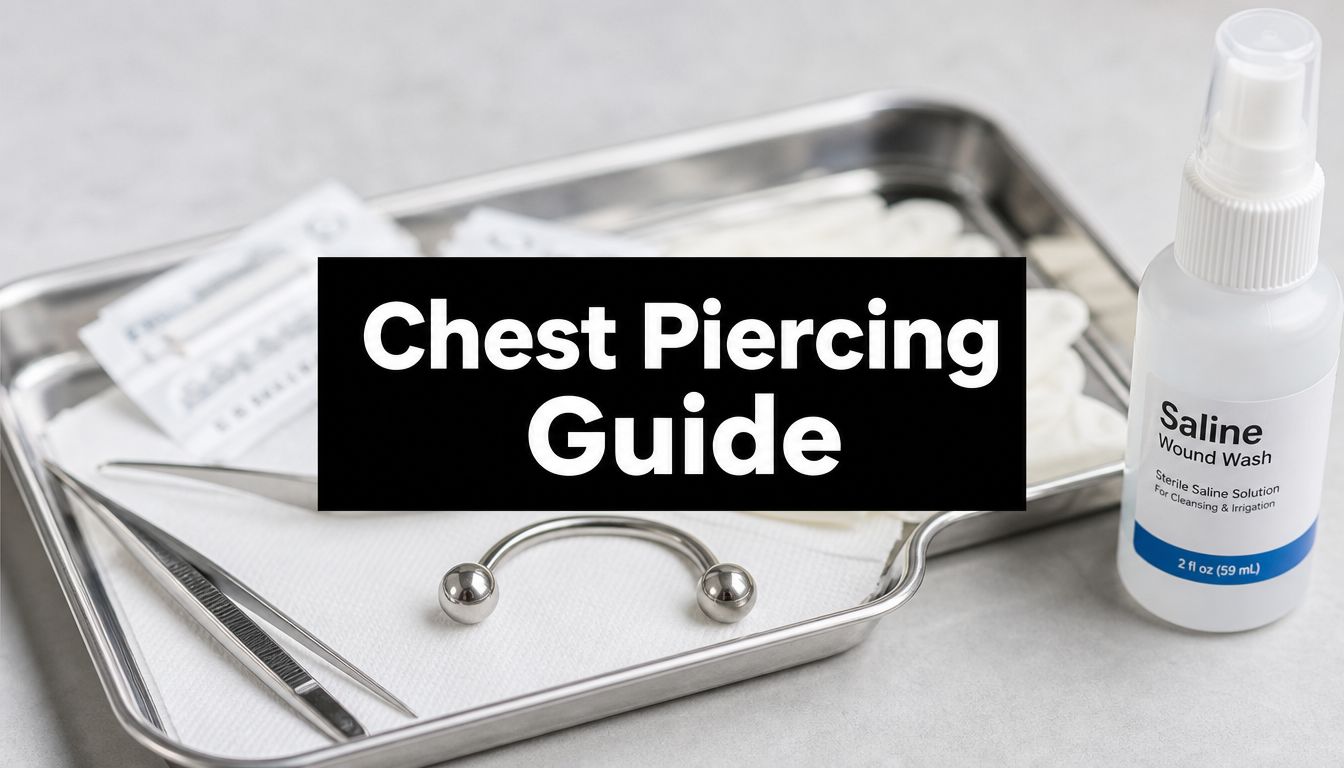
First thing you'll do is wash your hands thoroughly. If your fingers aren't clean, nothing else counts. Then reach for a sterile wound wash with 0.9% sodium chloride and no additives.
One option in that category is Body Candy 100% Natural Body Piercing Aftercare Solution, which is a sea salt spray made to gently cleanse piercings. You can also use any sterile saline wound wash that matches those ingredients.
What the routine looks like
The industry-standard method described in this saline aftercare discussion is straightforward: apply sterile saline directly to the piercing twice daily, let it sit for 1–2 minutes, then gently dry with non-woven gauze.
That routine works because it gives the saline time to loosen dried discharge and rinse the area without rubbing.
Here's the version I'd tell a first-timer in the studio:
- Wash first: Clean hands before you go anywhere near the jewelry.
- Spray the front and back: Don't just mist the visible side and call it good.
- Let it sit: Give it a minute or two to soften any crust.
- Dry gently: Use non-woven gauze, not a fluffy towel from the rack.
- Leave it alone after that: No twisting, no spinning, no “checking if it's stuck.”
Tiny details that make a big difference
Most aftercare trouble comes from little habits, not dramatic mistakes. People scrub. They use too much pressure. They dry the area with whatever towel is hanging nearby.
If your routine feels aggressive, it probably is.
Clean doesn't mean stripped raw. Your ear should feel fresh after care, not tight and crispy.
A quick visual can help if you're more of a watch-and-follow person:
If you want to use hypochlorous acid
Some people keep saline as their core routine and ask a piercer or healthcare professional whether a hypochlorous acid spray makes sense for occasional support, especially if their skin reacts badly to a lot of products. The key is still the same. Keep your routine simple, gentle, and consistent.
If your piercing starts looking worse every time you “care” for it, don't add more products. Simplify.
Piercing Aftercare Mistakes Everyone Makes
Almost nobody ruins a piercing on purpose. Most irritation comes from habits people were told were helpful.
Don't do this. Do this instead
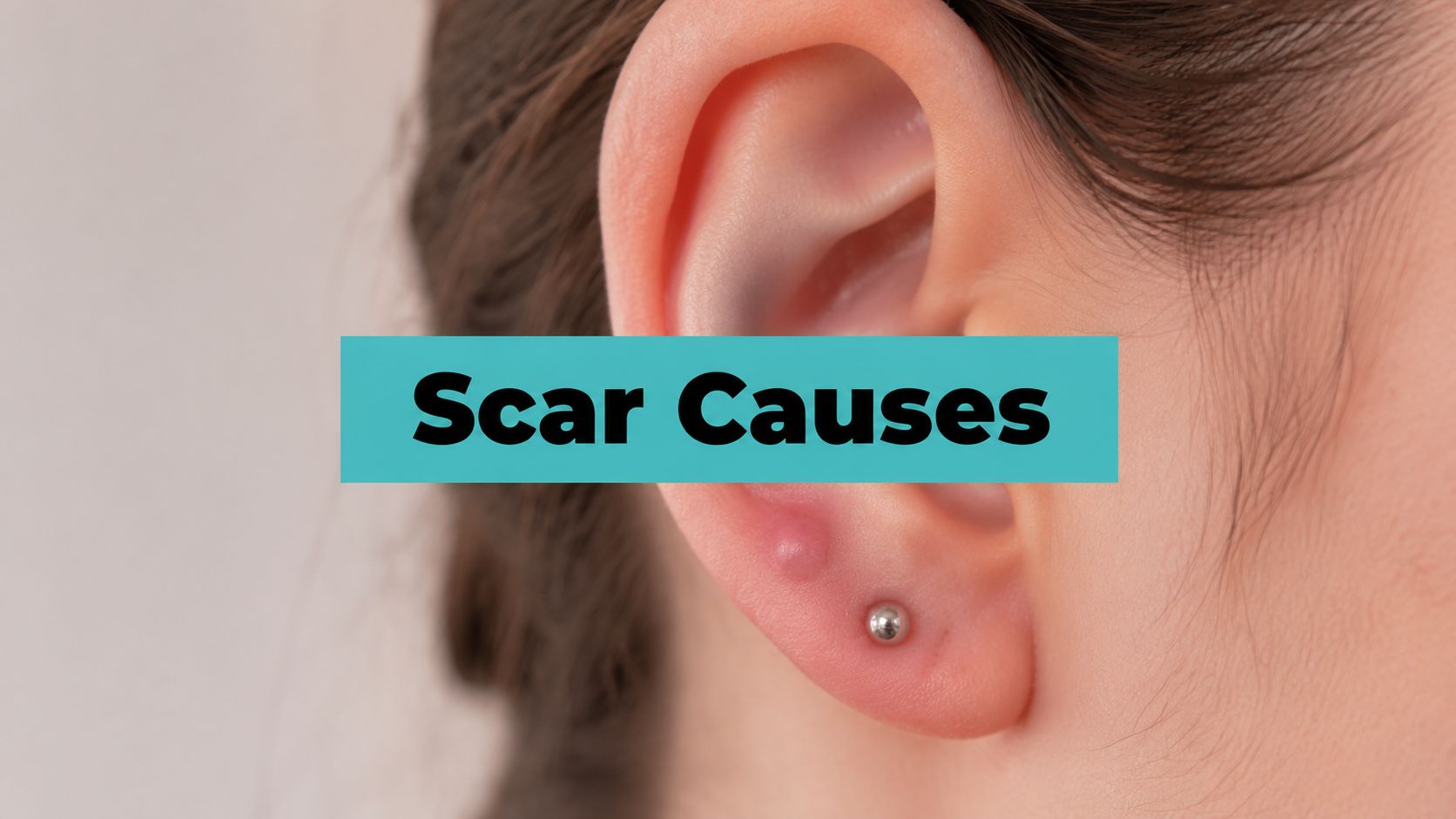
The American Academy of Dermatology notes that common mistakes include moving the jewelry, sleeping directly on the piercing, and using cloth towels that can harbor bacteria and snag jewelry in its guide to caring for pierced ears.
That gives us a pretty solid myth-busting list.
-
Don't twist the earring: Moving jewelry can cause micro-tears and irritation.
Do this instead: Let the jewelry stay still unless you're cleaning around it with saline. -
Don't sleep on the fresh piercing: Pressure can delay healing and keep the area swollen.
Do this instead: Sleep on the other side, or use a pillow setup that keeps your ear from getting squashed. -
Don't dry with a regular cloth towel: Towels can snag jewelry and hold onto bacteria.
Do this instead: Pat dry with something cleaner and less fuzzy, like non-woven gauze.
The hand problem
A lot of people touch a piercing way more than they realize. They check if it's still sore, move hair away from it, or tap the stud while talking.
Your hands are part of the aftercare routine only when they're clean and only when they need to be. Otherwise, they're just extra traffic.
The homemade mix myth
DIY salt water sounds harmless, but it's easy to make a solution that's too salty. Then your ear ends up dry, irritated, and confused. That's why sterile premade saline has become the easier and safer choice for routine care.
Your piercing doesn't need creativity. It needs consistency.
If you remember that one line, you'll avoid half the common mistakes people make in the first few weeks.
Is It Irritated or Actually Infected
This is the question that sends people into a panic spiral at midnight. A little redness shows up and suddenly you're zooming in with your phone flashlight like a detective on a crime show.
Some irritation is normal. Not every grumpy piercing is infected.

Signs of normal healing irritation
These usually point to a piercing that's annoyed, not infected:
- Mild redness: Especially after cleaning or if you bumped it.
- Tenderness: Fresh piercings are allowed to be a little moody.
- Light crusting: Dried discharge can happen during healing.
- Occasional itchiness: Common as skin repairs itself.
Red flags for infection
If the area seems to be escalating instead of settling down, take it more seriously.
- Yellow discharge: This can be a warning sign that needs attention.
- Increasing irritation that doesn't calm down: Especially if your normal routine isn't helping.
- Products making it angrier: Harsh cleaners can complicate the picture fast.
For suspected infection, Healthline's guidance on infected ear piercings says to clean the area with a sterile saline rinse three times daily and to avoid alcohol, hydrogen peroxide, or antibiotic ointments because they can further irritate the skin and slow healing.
What to do next
If it looks irritated, go back to basics. Clean gently, reduce pressure, stop touching it, and give it a little breathing room.
If it looks infected or keeps getting worse, contact a professional piercer or healthcare provider. Don't remove jewelry on a whim and don't start playing pharmacist with random products from the back of your cabinet. If you want help telling the difference between different types of piercing problems, BodyCandy's guide on piercing infection vs. piercing rejection is worth reading.
Trust the pattern, not one dramatic moment. A healing piercing can have a rough day. A worsening piercing keeps telling you something is off.
Healed and Ready to Style Your Look
Healing is the boring part. Styling is the reward.
Once your ear piercing is healed, you can shift from "leave it alone and let it settle" to "what jewelry do I want to wear?" That change matters because healed does not mean invincible. A piercing channel is a bit like freshly formed skin after a scrape. It is closed, but it can still get cranky if you swap in poor-quality jewelry or change pieces too roughly.
Material is usually the first thing to get right. Titanium, surgical steel, and 14k or higher gold are common low-irritation choices, especially if your skin tends to complain. If you have sensitive ears, this is also where that modern aftercare conversation still matters. Saline remains a solid basic option, but hypochlorous acid can be a gentle extra tool to keep on hand for occasional irritation after jewelry changes, particularly for people who react to harsher products.
A common myth says that once a piercing is healed, anything goes. Not quite. Cheap mystery metal can still trigger redness, itching, or that annoying "why is this sore again?" feeling. Good jewelry helps your piercing stay calm, and that means you get to enjoy the look instead of troubleshooting it.
Your aftercare got the piercing to the finish line. Your jewelry choices help it stay happy after you get there.
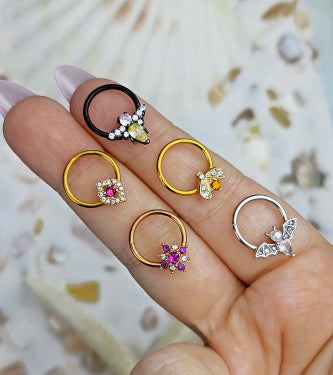
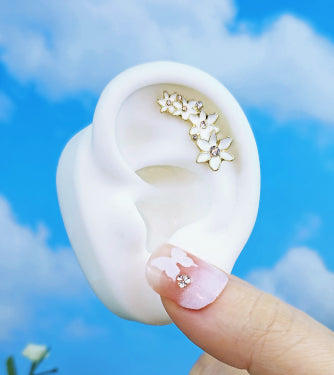
Ready to style your healed piercing with something comfortable and cute? Explore BodyCandy for hypoallergenic ear jewelry options, then give your new look the upgrade it deserves.