












So, you're thinking about getting a new piercing but don't know where to start? You've definitely come to the right place. The world of body modification is huge, with tons of amazing types of piercings out there—from the classic earlobe to the more daring dermal, each with its own unique vibe.
Your Journey Into the World of Piercings
Welcome! Think of this guide as your friendly, all-in-one map to the exciting landscape of piercings. We'll walk you through everything you need to know, from placement and pain levels to picking out the perfect jewelry for every single spot.
Whether this is your very first piercing or you're just adding another piece to your growing collection, knowing what to expect is everything. We’ll get into healing times, aftercare, and even help you figure out which piercings might be the best fit for your personal style. If you're feeling those first-time jitters, our first-time piercing guide has all the details on what to expect and how to prepare.
Piercings have come a long, long way, but ears are still the most popular spot on the planet to get pierced. You see common styles like the lobe, helix, and tragus everywhere—in the United States, about 38% of adults have at least one ear piercing. We're also seeing more unique cartilage piercings like the daith gain traction, though getting one really depends on your ear's anatomy. And of course, the nose piercing remains a go-to for its timeless, versatile appeal.
Consider this your first step toward expressing yourself with a new piece of body art. Let’s find your next favorite piercing together!
Creating Your Perfect Ear Curation
Think of your ear as a blank canvas, just waiting for you to create a personalized masterpiece. With so many piercing options out there, you can design a look that's totally unique to you—whether that’s a single, delicate stud or a full-blown constellation project. Let’s map out the possibilities together, starting with the classics and working our way up to the more adventurous spots.
Your ear curation is a personal art project. Each piercing is a new brushstroke, and every piece of jewelry adds its own color and texture. The end goal is to build a collection that feels completely and authentically you.
Before we get into specific placements, it helps to see how different piercing types are categorized across the body. This gives you a sense of where everything fits.
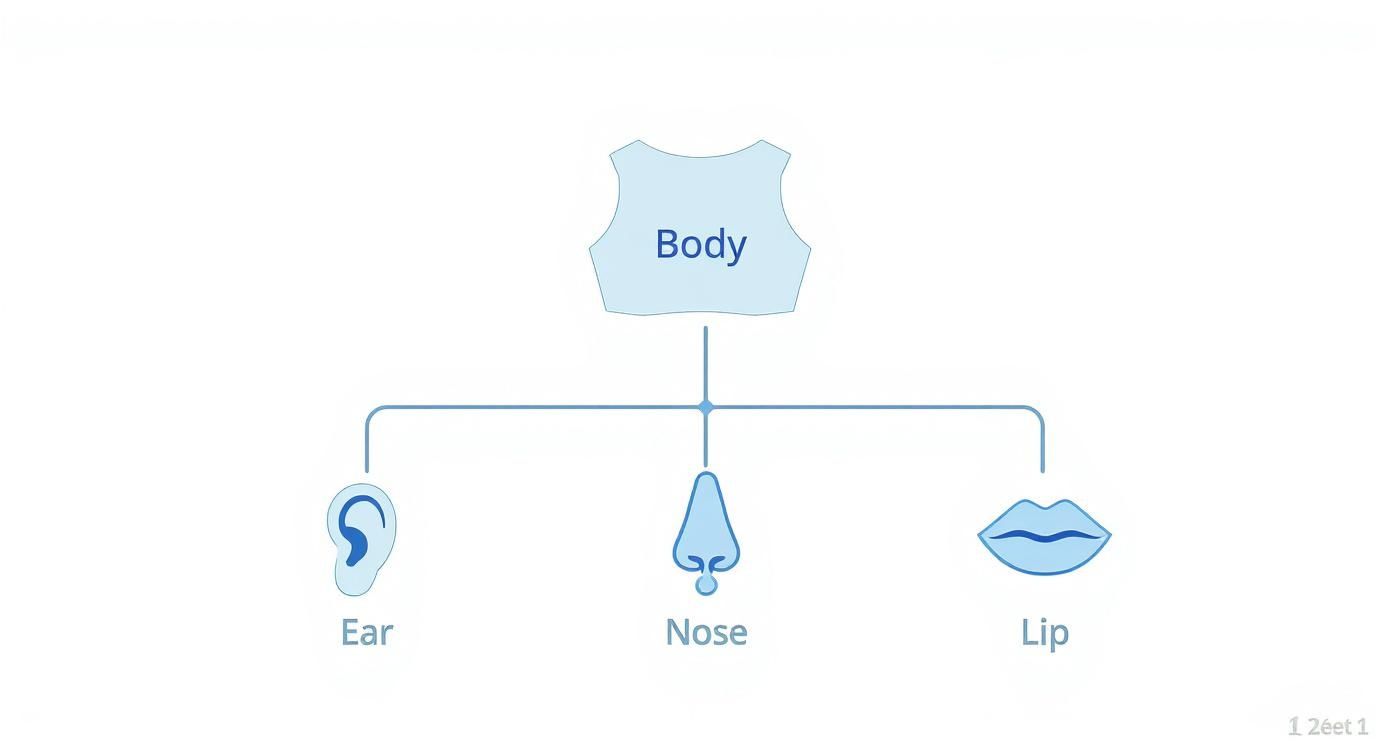
This visual breaks down the major piercing areas, but it really highlights just how much real estate the ear offers for tons of distinct styles.
The Foundation: The Lobe Piercing
This is the OG of piercings, the one most of us start with. It’s located in the soft, fleshy bottom part of the ear, which makes it the least painful and fastest-healing option around. It's the perfect first step.
You can stick with a classic single lobe piercing or get creative with doubles, triples, or even trendy stacked lobes where piercings are placed super close together. Because it’s so versatile, the lobe is the perfect foundation for any ear project.
- Pain Level: A mild 2/10 – seriously, just a quick pinch!
- Healing Time: Usually just 6-8 weeks.
- Best Jewelry: Anything goes! Studs, hoops, huggies… you name it.
Climbing Higher: Cartilage Piercings
Ready to move up from the lobe? Welcome to the world of cartilage piercings. These are placed on the firmer, structured parts of your ear. They take a bit more commitment and longer to heal, but they open up a whole new level of styling potential.
Cartilage piercings demand more dedicated aftercare because the tissue isn't as forgiving as the fleshy lobe. Consistency with your cleaning routine is the absolute key to a happy, healthy piercing.
Helix: The Classic Edge
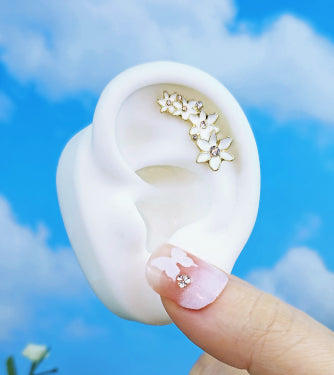
The helix is that cool spot on the upper, outer rim of your ear cartilage. It’s one of the most popular cartilage piercings for a reason—it’s incredibly versatile and looks amazing with hoops or a delicate row of tiny studs. For a bolder look, you can even go for a double or triple helix.
- Pain Level: Around a 4/10.
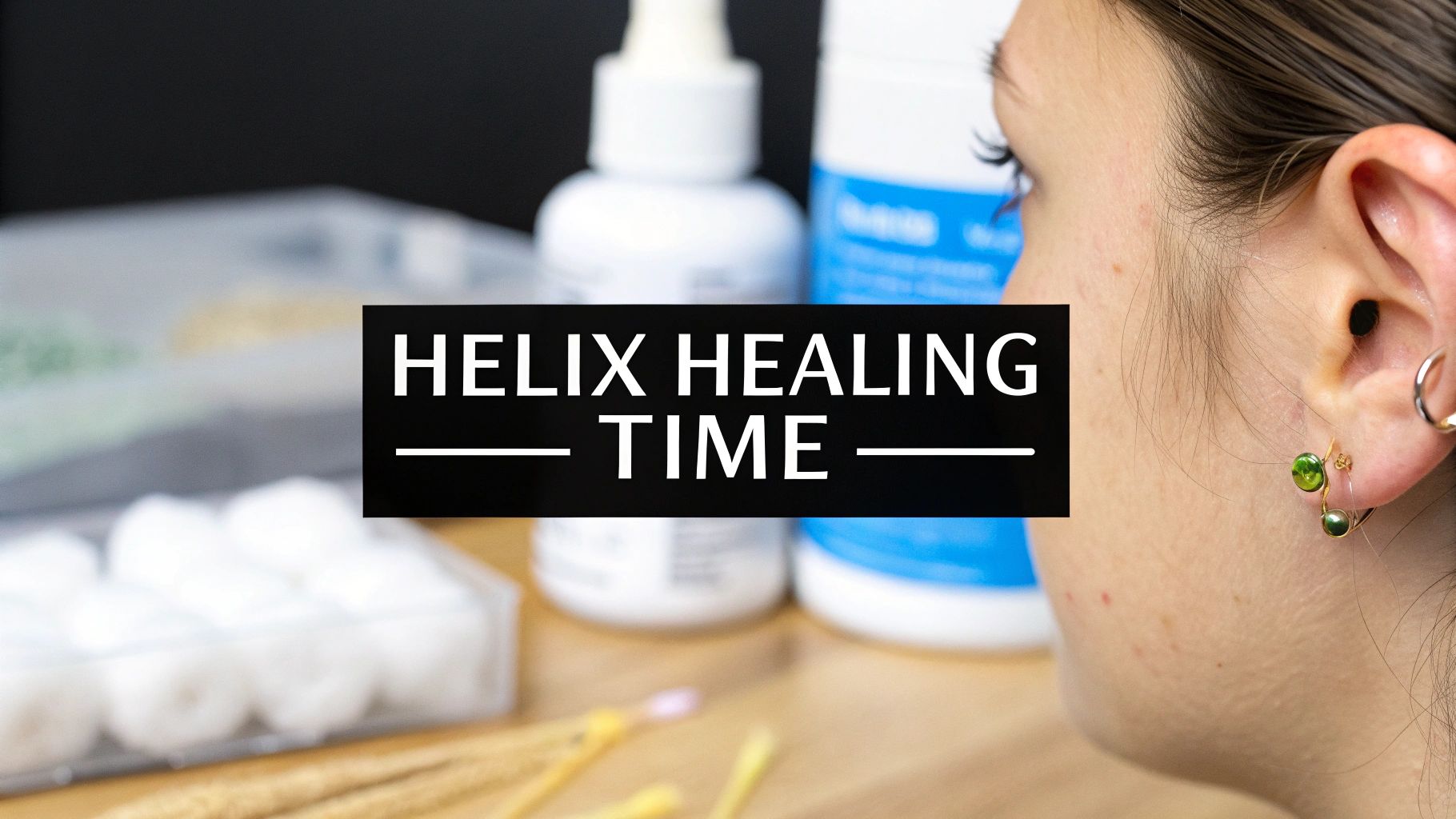
- Healing Time: Anywhere from 6-12 months.
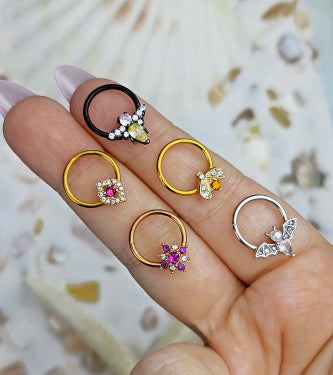
- Best Jewelry: Captive bead rings, seamless hoops, and flat back studs all work beautifully here.
Tragus: The Chic Centerpiece
See that little nub of cartilage that sticks out right in front of your ear canal? That’s your tragus. Piercing it creates a super cute, subtle focal point that’s become a fan favorite. Because of its placement, it’s the perfect home for a dainty stud or a tiny, snug hoop.
- Pain Level: About a 5/10.
- Healing Time: Takes 6-12 months to fully heal.
- Best Jewelry: Small flat back labret studs are ideal, especially if you wear earbuds often.
Rook: The Hidden Gem
Tucked away in the uppermost ridge of your inner ear, the rook piercing is a unique and seriously eye-catching choice. It’s a vertical piercing that goes through that fold of cartilage, making it the perfect spot for a curved barbell or a small, decorative hoop.
- Pain Level: Closer to a 7/10. This one can be a bit spicy, but the sting is over quickly.
- Healing Time: Be patient; this one can take 9-12 months.
- Best Jewelry: A curved barbell is almost always used for initial healing, but small hoops look amazing once it’s settled.
Ear Piercing Healing Times and Pain Levels
To give you a better idea of what to expect, here's a quick side-by-side comparison of some of the most common ear piercings.
| Piercing Type | Pain Level (1-10) | Healing Time |
|---|---|---|
| Lobe | 2 | 6-8 Weeks |
| Helix | 4 | 6-12 Months |
| Tragus | 5 | 6-12 Months |
| Conch | 6 | 6-12 Months |
| Daith | 6 | 9-12 Months |
| Rook | 7 | 9-12 Months |
Remember, these are just general guidelines. Everyone's anatomy and pain tolerance is different, so your experience might vary a bit!
Diving Deeper: Advanced Cartilage Styles
Once you're comfortable with the basics, there are even more placements to explore for a truly customized look. These spots are often more dependent on your specific ear anatomy, so a good chat with a professional piercer is a must.
Daith: The Snug Hoop
The daith is located on the innermost fold of cartilage, sitting right above the ear canal. It has exploded in popularity for its stunning look, especially when styled with an ornate, snug-fitting hoop. It's also famous for its rumored ability to help with migraines, though that's still up for debate.
- Pain Level: Generally a 6/10.
- Healing Time: Requires 9-12 months of care.
- Best Jewelry: A captive bead ring or a seamless clicker hoop is the go-to style for this spot.
Conch: The Inner Statement
Named because it sits in the "conch"—the cup-shaped part of your ear—this piercing can be done in two main ways. An inner conch is pierced right through the middle of the cup, perfect for a stud. An outer conch sits on the flatter part between your helix and anti-helix, which is ideal for wearing a large hoop that wraps around the ear's edge.
- Pain Level: Around a 6/10.
- Healing Time: Plan for 6-12 months for this one to fully heal.
- Best Jewelry: Flat back studs are great for inner conches, while large hoops can be worn in outer conches once healed.
Pro Tip: Remember that healing times are just estimates. Everyone heals at their own pace. The best thing you can do for your new piercing is to follow your aftercare instructions perfectly and just be patient!
Feeling inspired but want an even deeper dive into every possible placement? You can explore our complete ear piercing index to see diagrams and learn the names for even the most unique spots.
Building your dream ear curation is a journey, not a race. Take your time, choose placements that you absolutely love, and have fun picking out jewelry that expresses your awesome, unique style.
Exploring Facial and Oral Piercing Styles
So, you're ready to make a statement. If ear piercings are the canvas for your more subtle art projects, consider facial and oral piercings your bold, center-stage performance. These piercings are all about putting your personality front and center, from the timeless cool of a nostril stud to the undeniable edge of a septum ring. Let's dive into all the ways you can put your best face forward.
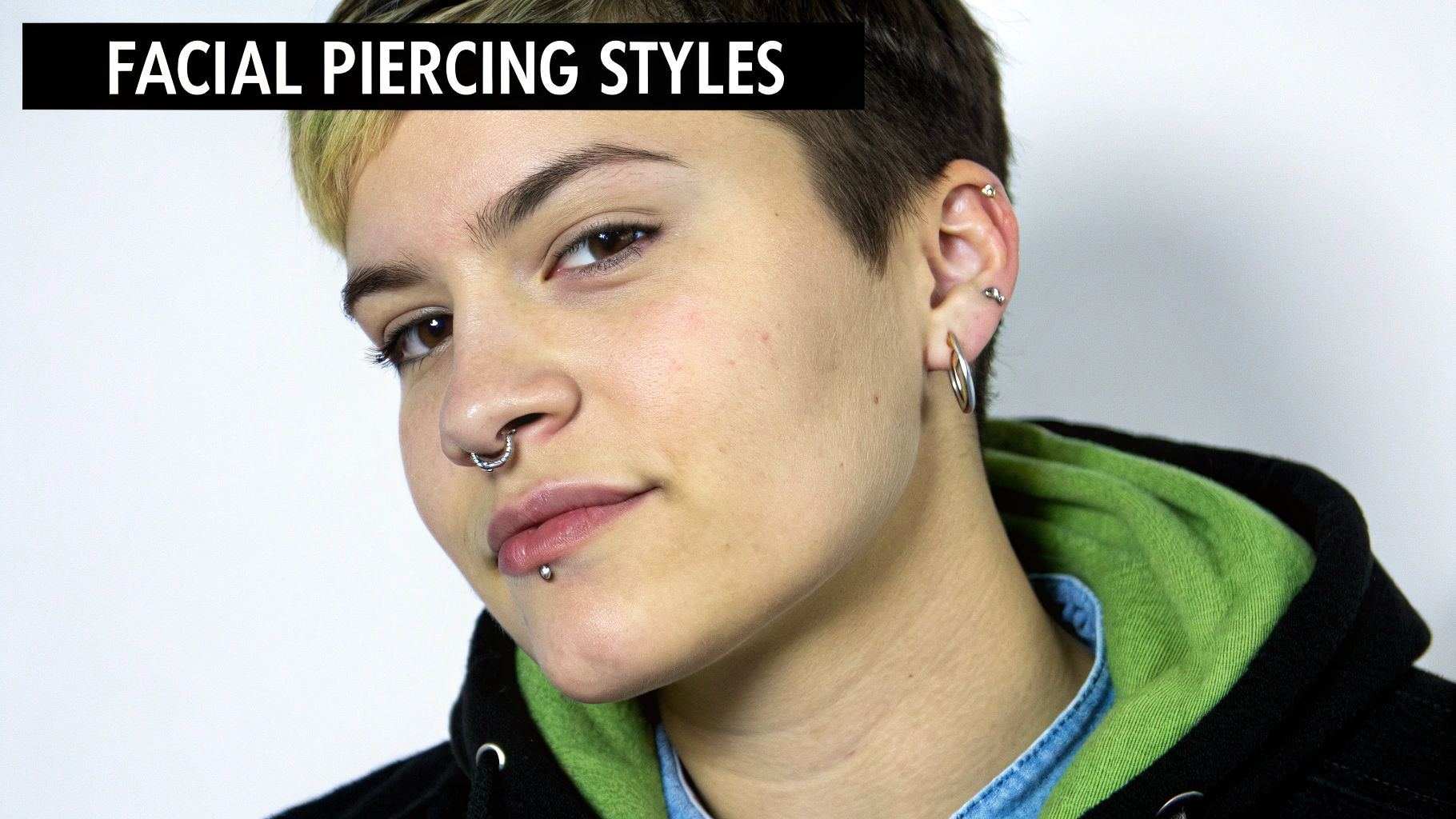
Moving beyond the ears is a huge step in any piercing journey, and it connects you to a long, amazing history. People have been piercing their faces for thousands of years—we've found evidence of nose piercings in cultures like ancient Mesopotamia dating back around 5,000 years! They hit the modern scene in a big way during the 70s and 80s, becoming iconic symbols of self-expression that are more popular today than ever.
Nose Piercings: The Timeless Classics
When most people think of facial piercings, the nose is probably the first place that comes to mind. It’s an absolute classic for a reason—it’s incredibly versatile, always in style, and there’s a perfect placement for just about every face shape and aesthetic.
Nostril Piercing
This is it, the quintessential nose piercing, usually placed right in the crease of the nostril. You can rock a delicate stud for just a hint of sparkle or go with a snug hoop for a more defined look. It’s a great entry point into facial piercings because, for most people, it's pretty low on the pain scale and heals without too much fuss.
- Pain Level: Around a 3/10. Expect a quick, sharp pinch that almost always makes your eyes water!
- Healing Time: Give it 4-6 months to fully heal.
- Best Jewelry: Start with something simple like an L-bend stud, a nostril screw, or a flat back labret. Once you’re all healed up, you can dive into our massive collection of nose rings and hoops.
Septum Piercing
Found in that thin strip of skin between your nostrils (piercers call it the "sweet spot"), the septum piercing has a rebellious yet surprisingly chic reputation. It looks incredible with a circular barbell, a seamless ring, or a super-ornate clicker. The best part? If you need to be discreet, you can just flip it up and hide it.
- Pain Level: A surprising 3/10 if your piercer hits the sweet spot correctly. It feels more like intense pressure than a sharp, stinging pain.
- Healing Time: This one heals pretty quickly, usually within 2-3 months.
- Best Jewelry: A captive bead ring or a circular barbell is perfect while it's healing. After that, the world of decorative septum clickers is yours to command!
Lip and Oral Piercings: For a Captivating Smile
Lip and oral piercings are an amazing way to draw attention to your smile and add a totally unique touch to your look. Whether you're into subtle studs or daring, symmetrical pairs, there are so many ways to decorate this area.
Heads Up! Oral piercings demand extra-diligent aftercare. You'll need to be mindful of what you eat and drink (say goodbye to spicy food for a little while!) and use an alcohol-free mouthwash to keep everything clean and happy.
Labret and Monroe Piercings
A labret piercing is traditionally placed just below the center of your bottom lip—a super versatile spot that looks great with either a stud or a hoop. The Monroe is its famous upper-lip counterpart, placed off to the left to mimic Marilyn Monroe's iconic beauty mark. If you prefer a centered look up top, the Medusa piercing sits right in the philtrum (that little dip above your cupid's bow).
- Pain Level: Generally a 4/10.
- Healing Time: Plan on 6-8 weeks for these to heal up.
- Best Jewelry: A flat back labret stud is a must for healing. It's designed to protect your teeth and gums from irritation.
Paired Lip Piercings
Why have just one? Paired lip piercings create a symmetrical, intentional, and seriously striking look. Some of the most popular combos are:
- Snake Bites: One piercing on each side of the lower lip.
- Angel Bites: A pair on each side of the upper lip, like a double Monroe.
- Cyber Bites: The ultimate combo—a Medusa on top and a labret on the bottom, both perfectly centered.
These styles are a fantastic way to create a balanced look that is completely and totally you.
Other Popular Facial Piercings
Beyond the nose and lips, a few other placements have remained iconic choices for anyone looking to add a little extra edge to their style.
Eyebrow Piercing
This is a surface piercing placed vertically along the brow line, usually toward the outer edge. It has a distinctly punk-rock vibe and does an incredible job of framing your eyes.
- Pain Level: Around a 5/10.
- Healing Time: Takes about 2-3 months to fully heal.
- Best Jewelry: A small curved barbell or a captive bead ring is the standard go-to.
Bridge Piercing
For a look that's guaranteed to turn heads, the bridge piercing is placed horizontally across the bridge of the nose, right between the eyes. It's also a surface piercing, so having the right anatomy and finding a skilled piercer are key to successful healing. It’s a true showstopper!
Want to see all these placements in action? Check out our visual guide, The Photographic Dictionary of Modern Piercings Facial Piercings, for tons more inspiration on how to style your next look.
A Guide to Body Piercings from Neck to Navel
Ready to move beyond the face and ears? Body piercings are an incredible way to adorn yourself, offering everything from a subtle, hidden sparkle to a bold, confident statement. Let's explore some of the most popular types of piercings for the torso, starting with an absolute icon and branching out into more unique styles.
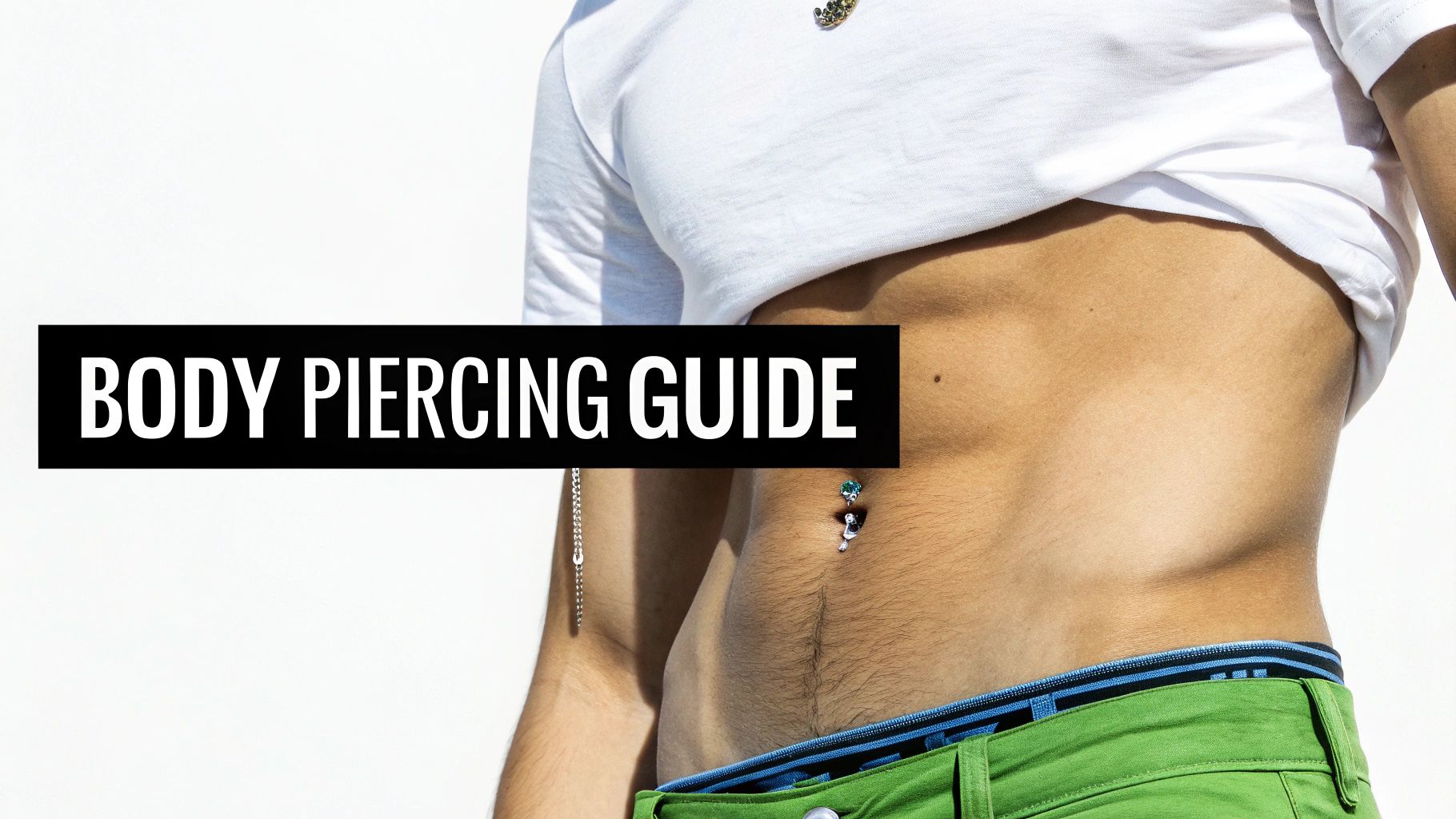
These placements let you decorate your canvas in a totally new way. From the classic navel ring that peeks out with a crop top to the edgy allure of nipple piercings, each one offers a different vibe.
Navel Piercing: The Ultimate Classic
The navel piercing, or belly button piercing, is a true superstar in the world of body modification. It’s a fun, flirty piercing that became a massive trend in the '90s and has remained a beloved choice ever since. It's typically placed through the upper lip of skin directly above the navel.
Anatomy is key for this one! A successful navel piercing requires a distinct "lip" of skin that can be pierced without putting pressure on the jewelry. A good piercer will always assess your anatomy first to make sure you're a good candidate.
- Pain Level: Usually a manageable 4/10. Most people describe it as a quick, intense pinch that's over in a flash.
- Healing Time: This one takes a while to fully heal, typically 9-12 months. Patience is a must!
- Best Jewelry: A curved barbell is standard for healing. Once you’re all healed up, you can explore the endless world of dangly and jeweled belly button rings to show off your style.
Nipple Piercings: Bold and Empowering
Nipple piercings are a deeply personal and empowering choice. They can be done horizontally, vertically, or even diagonally, and they look fantastic on all body types and genders. Many people get them purely for aesthetics, while others report increased sensitivity.
This is a piercing where finding an experienced professional is non-negotiable. They'll ensure the placement is perfect—right at the base of the nipple, not through the areola—for safe and successful healing.
- Pain Level: Let's be real, this one is spicy. Expect a pain level around 8/10, but it’s an incredibly fast sting.
- Healing Time: Nipple piercings take anywhere from 6-12 months to heal completely.
- Best Jewelry: A straight barbell is almost always used for the initial piercing. Once healed, you can switch to stunning hoops or decorative nipple barbells.
Surface Piercings and Dermal Anchors
What if you want a piercing on a flat surface of your body where a traditional piercing won't work? That’s where surface piercings and dermal anchors come in! These innovative techniques allow for single-point piercings almost anywhere.
What’s the Difference? A surface piercing uses a staple-shaped bar that sits under the skin with two visible ends. A dermal anchor is a single-point piercing with a base embedded under the skin and a decorative top that sits on the surface.
These types of piercings allow for incredible creativity. Here are a few popular spots:
- Nape Piercing: Placed on the back of the neck, this is a super cool and unexpected location.
- Chest/Sternum Piercing: A vertical dermal or surface bar placed between the collarbones or down the sternum creates a beautiful centerpiece.
- Hip Piercings: Often done as a symmetrical pair of dermals on the hips, these are a fun way to accentuate your curves.
Because these piercings don't go through a distinct piece of tissue like a lobe or nostril, they have a higher chance of rejection. Impeccable aftercare and avoiding snags are crucial for their longevity. Healing time varies widely depending on placement but generally takes 6-12 months. They offer an amazing opportunity to get creative and place a sparkle exactly where you want it.
Understanding Intimate Piercings Safely
Alright, let's get into the most personal and private types of piercings you can get. Intimate or genital piercings are a seriously empowering way to express yourself, but they obviously come with a whole different set of rules and considerations. We're going to handle this topic with the utmost respect, focusing on clear, factual info to help you make a safe and informed choice.
Stepping into this category of body modification means you absolutely have to put safety and expertise first. No exceptions. These are incredibly sensitive areas, and the piercer you choose must be a seasoned pro with tons of experience in this specific field. This isn't the time to shop around for a deal; it's the time to invest in the best.
Why a Specialist Is Non-Negotiable
For these highly specialized piercings, your piercer is more than just a piercer—they're your guide. A true professional will sit down with you for a thorough anatomy consultation before a needle even comes out. They’ll take a look at your unique anatomy to see if you're a good candidate for the piercing you want and clearly explain why or why not.
They’ll also walk you through the entire process, from sterilization to aftercare, making sure you feel comfortable and in the loop every step of the way. Don’t be shy about asking to see their portfolio of healed work or asking about their specific training in genital piercings. A reputable artist will be proud to show you.
Common Placements for Vulva Owners
For those with vulvas, there are several piercing options, each with its own placement and potential for sensation. Anatomy is king here, as not every piercing is possible for every person.
- Vertical Clitoral Hood (VCH): This is one of the most popular genital piercings out there. It passes vertically through the tissue that covers the clitoris and is known for a relatively quick healing time and potential for enhanced stimulation.
- Christina Piercing: This is a surface piercing located right at the top of the pubic mound where the outer labia meet. It's more of an aesthetic piercing than one for sensation and has a longer healing period to contend with.
- Inner and Outer Labia: Piercings through the labia offer tons of decorative possibilities, especially if you want to wear rings once they're fully healed. The healing time can vary a lot depending on the exact placement.
Common Placements for Penis Owners
For those with penises, piercings can be placed in a bunch of different spots, each offering a unique look and feel. Just like with vulva piercings, suitability is 100% dependent on your individual anatomy.
- Prince Albert (PA): Easily the most well-known piercing for penis owners, the PA enters through the urethra and exits at the base of the glans. It has a surprisingly fast healing time because of the type of tissue involved.
- Frenum: This is a horizontal piercing that goes through the thin strip of skin (the frenum) on the underside of the shaft. It’s pretty low on the pain scale, and you can even create a "frenum ladder" with multiple piercings down the shaft.
- Apadravya and Ampallang: These are more advanced piercings that pass vertically (Apadravya) or horizontally (Ampallang) right through the glans (head) of the penis. They require a highly skilled and experienced piercer.
The Golden Rule of Jewelry: For any intimate piercing, the only material you should consider for initial jewelry is implant-grade titanium (ASTM F-136). It's completely hypoallergenic, body-safe, and gives your piercing the absolute best chance to heal without drama or complications.
Making the decision to get an intimate piercing is a big one. It takes careful research, finding a piercer you trust completely, and committing to diligent aftercare. It's a journey that's all your own and can be an incredibly rewarding way to connect with and celebrate your body.
Finding the Perfect Piercing for You
Feeling a little overwhelmed by all the choices out there? Don't worry, you're not alone. With so many amazing types of piercings, it's totally normal to feel like you're not sure where to even start.
This section is your personal guide to help you nail down the perfect decision for your first or next piercing adventure. We're breaking down the most common questions that pop up when you're on the fence about what to get. Let's find the piercing that's just right for you!
What Are the Least Painful Piercings to Get?
If you're new to the world of piercings or just have a low pain tolerance, the earlobe is hands-down the easiest place to start. It’s a classic for a reason! The tissue is fleshy and it heals up surprisingly quickly—the perfect, low-stress entry point.
Beyond the lobe, other great beginner-friendly options include the nostril and the navel. Most people describe these as a quick, sharp pinch that’s over and done within a second.
While everyone’s pain tolerance is totally unique, these piercings are consistently rated as some of the least intense experiences you can have in the piercer's chair. They're a fantastic way to build up your confidence for more adventurous placements later on!
Which Types of Piercings Heal the Fastest?
Nobody loves a long healing process, right? If getting back to your normal routine quickly is a top priority, some piercing types are definitely better than others. Fast healing is a huge plus, and luckily, you've got some great options.
Oral piercings, like the tongue or a smiley, often heal with surprising speed. This is thanks to the mouth's amazing ability to turn over cells rapidly. Just be extra careful with aftercare and spicy foods!
Here's a quick look at some of the speediest healers:
- Oral Piercings (Tongue, Smiley): These can heal up in as little as 4-8 weeks due to the high rate of cell regeneration in the mouth.
- Earlobe: The classic lobe is another quick one, typically taking just 6-8 weeks to fully heal.
- Septum: Because this piercing goes through a thin piece of skin known as the "sweet spot," it tends to heal relatively fast, usually within 2-3 months.
Always remember that healing times are just estimates. Your personal health, lifestyle, and how well you stick to your aftercare routine will play the biggest roles in how fast you heal.
What Jewelry Material Is Best for a New Piercing?
When it comes to a fresh piercing, your choice of jewelry material is absolutely everything. This isn't the time to grab the cutest, sparkliest piece you see—it's about giving your body the best possible start for a smooth healing journey.
Your piercer will almost always start you off with jewelry made from implant-grade titanium (ASTM F-136). This is the top-tier choice for a reason. It's completely hypoallergenic, nickel-free, and the exact same material used for medical implants like bone screws, so you know it’s incredibly body-safe.
Another excellent option is 14k or 18k solid gold that is specifically designated as body-safe (meaning it's free of nickel and cadmium). Once your piercing is 100% fully healed, you can start to explore other materials like high-quality surgical steel. But for that initial healing period, sticking with titanium or solid gold is the gold standard for preventing irritation and potential allergic reactions.
Your piercing is basically a puncture wound that the body needs to heal around your new jewelry. Using cheap, low-quality materials can cause irritation, allergic reactions, and even infections, which can seriously delay healing or even lead to piercing rejection.
How Do I Know if a Piercing Is Right for My Anatomy?
This is such a fantastic and important question! The truth is, not all piercings work for all bodies. Your unique anatomy plays a huge role in whether a certain piercing will be viable, heal well, and look the way you want it to.
For example, the super popular industrial piercing requires a very specific ear shape with a prominent and well-defined cartilage ridge. If your ear is on the flatter side, an industrial bar just won't sit correctly. The same goes for navel piercings; you need a distinct "lip" of skin for the jewelry to sit in comfortably without being squeezed.
So, how can you know for sure?
The absolute best way to find out is to book a consultation with a reputable, professional piercer. They are trained to assess anatomy and can tell you in person which piercings will not only work for you but will also heal well and complement your features. They can even suggest some really cool alternative placements if your first choice isn't a perfect match! It's the ultimate way to set yourself up for piercing success.
Ready to explore all the amazing jewelry options for your next piercing? Bodycandy has an incredible collection of high-quality pieces for every style and placement. Shop our full collection today and find your new look