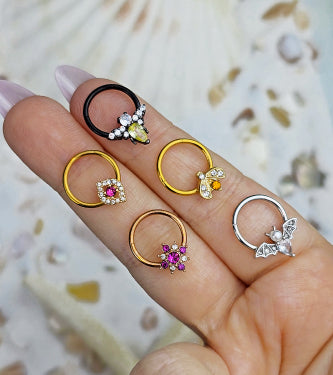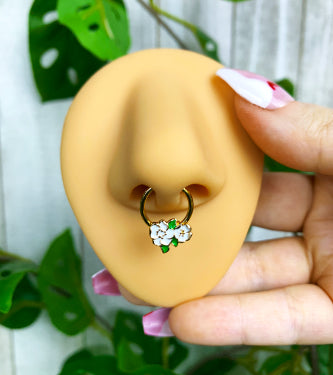


















Fashion nose rings typically cost $5-20, basic implant-grade titanium costs $20-60, and solid 14k gold costs $80-200 or more, all before the piercing service is added. So why do two nose rings that look almost identical in photos sit at completely different prices, and why does your studio total sometimes double the jewelry price you saw online?
That's the gap most price guides skip. They give you one number as if nose rings prices mean one thing, when you're really looking at two separate purchases. There's the jewelry itself, and there's the piercer's work to place it safely.
Once you split those apart, shopping gets much easier. You can spot a fair deal, ignore a bargain that isn't meant for a fresh piercing, and pay extra only when the material or stone justifies it. I'm going to be direct with you about where your money matters and where it doesn't.
Nose Ring Prices at a Glance by Material
A nose ring can cost under $3 to well over $1,000 for the jewelry alone, and material explains most of that spread. Pick your tier first, then compare styles inside that tier. Comparing a plated fashion hoop with solid gold and calling one overpriced tells you nothing useful.
We list nose rings under $3 and nipple rings under $5 in our sale menu at BodyCandy, so the true bottom of the market is easy to find. Those pieces have a place for healed piercings, spares, and trying a new look. They don't belong in the same conversation as documented implant-grade jewelry for a fresh piercing.
How to Read the Tiers
| Tier | Typical material | Typical jewelry price |
|---|---|---|
| Fashion or plated | Plated base metal, acrylic or unspecified alloy | $5-20 |
| Plain implant-grade titanium | ASTM F136 titanium | $25-40, up to $60 |
| Titanium with synthetic stone | Titanium with cubic zirconia | $30-70 |
| Titanium with genuine stone | Titanium with genuine gemstone | $60-150 |
| Solid 14k gold, basic | Solid 14-karat gold | $80-200 |
| Solid gold with gemstone or designer ends | 14k-18k gold with gemstone | $150-500 |
| High-end gemstone design | Solid gold with precious gemstones | $1,000 or more |
Read the jump from row one to row two as the certification jump. You're not just paying for shiny metal, you're paying for a named implant-grade material. The jump from plain titanium to genuine stone is mostly the gem and setting, while solid gold adds precious metal value on top of safety.
Practical rule: If a listing won't tell you its tier in plain words, treat it as fashion jewelry until proven otherwise.
Your piercing stage decides which rows are even open to you. A healed nostril gives you freedom to shop the whole table for fun, including cheap spares you rotate often. A fresh or still-irritated piercing narrows you to verified materials, and that narrower choice costs more for good reason.
Don't shop by photo alone. Two tiny gems can look the same on your phone while one sits in titanium and the other sits in plated mystery metal. The price is your first clue, the material line is your proof, and the style should be the last thing you fall for.
What the Piercing Itself Adds to the Bill
A basic nostril piercing has historically cost $25-$65 including a simple piece of jewelry, according to HowMuchIsIt.org's nose piercing cost guide, but that bundled figure hides how studios build your bill. Location, piercer experience, your anatomy, and complexity all move the number. A jewelry-only price online should never be compared directly with a studio package quote.
Think of your appointment as three line items. First is the service, the piercer's time, sterile setup, marking, and placement. Second is starter jewelry, sometimes included and sometimes sold separately. Third is aftercare, which people forget until they're at the register.
Service Prices by Placement
| Piercing type | Typical service price |
|---|---|
| Standard nostril | $25-65 for basic service |
| Septum | $40-60 |
| Double nostril | $50-95 |
| High nostril | $50-90 |
| Bridge, nasallang or some vertical | Up to $100 |
| Aftercare products | $20-50 extra |
Standard nostril work sits at the lower end because placement is straightforward for an experienced piercer. Septum, doubles, and high nostrils take more alignment and anatomy checks, so the service price climbs. Bridge, nasallang, and some vertical placements reach the top of this list because they're specialized work, not a quick add-on.
Some studios fold a basic stud or ring into the service fee, which makes their headline price look higher. Others advertise a lower service fee and add jewelry separately. Neither model is automatically cheaper, and you can't judge either one until you know what metal that starter piece uses.
Three Questions Before You Compare Studios
- Is starter jewelry included? Ask what's covered before you sit down, not after the needle work is done.
- What's it made from? Get the exact material, not just a vague label, and decide if you'd accept it in a healing piercing.
- What does aftercare add? Add $20-50 for aftercare products to the initial expense when you're building your real budget.
While you're planning the full cost, our guide on whether you should tip your piercer helps you factor that part in without an awkward guess at checkout. A complete appointment with basic implant-grade jewelry commonly lands higher than the service-only number that first caught your eye. That's normal when jewelry and aftercare are priced fairly.
A lower advertised service price isn't the cheaper option until you've answered all three questions above.
Budget for the whole appointment, not the teaser price. You'll make a calmer jewelry choice in the chair when the total doesn't surprise you.
Material Certification and the Real Cost of Cheap
A low price can be tempting, but check the material before you buy. For a fresh piercing, look for an exact material designation rather than vague labels such as “surgical” or “hypoallergenic.”
Professional piercing guidance summarized in StartPermit's body piercing studio guide identifies ASTM F136 titanium, ASTM F138 implant-grade steel, niobium, and verified solid 14k–18k gold as suitable materials for fresh piercings. The same guidance cautions against treating plated jewelry, acrylic, mystery metals, and unspecified nickel alloys as equivalent options. Implant-grade titanium costs more than plated pieces; use the pricing table above to compare typical ranges.
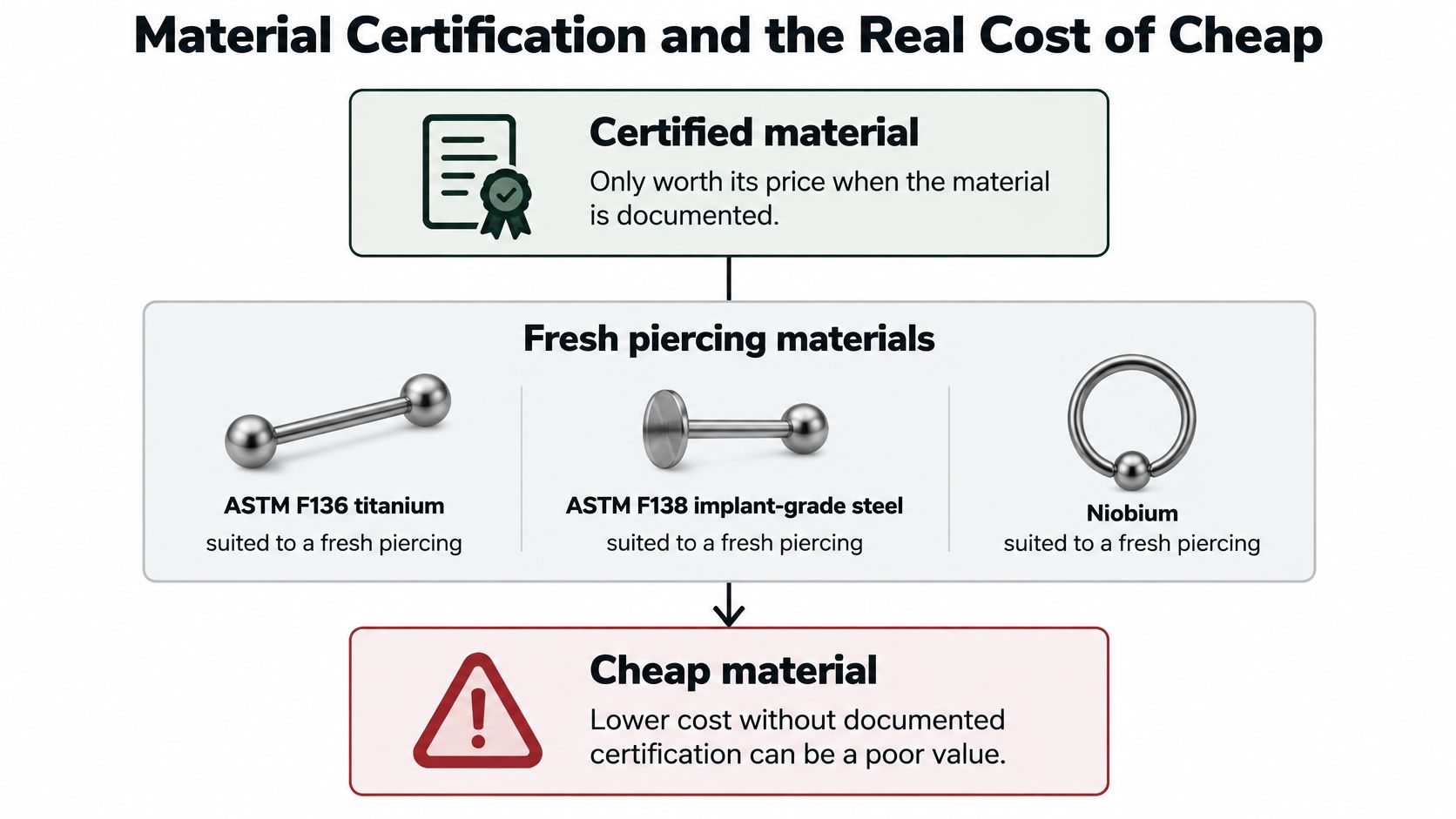
The word “titanium” alone does not confirm implant suitability. Check for an exact ASTM or ISO designation, and choose construction that keeps rough threading away from a healing piercing. Internally threaded and threadless designs can help avoid exposed threads passing through the piercing channel.
Why Nickel Changes the Math
WebMD's overview of nose piercing safety distinguishes the piercing procedure from jewelry cost and discusses titanium, niobium, suitable implant-grade steel, and nickel- and cadmium-free solid gold as material options. Nickel exposure can cause allergic contact dermatitis, including itching, redness, scaling, and swelling. If your skin is reactive, prioritize clearly specified materials over a low sticker price.
For a plain-language comparison of your options, read how to pick the right material for a nose piercing. BodyCandy offers nose jewelry in F136 Titanium, 14k Gold & Platinum, Rose Gold, Opal, Gem & Crystal, and Diamond & Precious materials. Compare the listed material first, then judge the price.
A cheap plated piece may look like an easy saving, but it is a poor bet for a fresh piercing if its base metal is unclear. If the finish wears or the jewelry irritates your skin, you may need a replacement before the piercing has settled.
Add Up the Replacement Scenario
- First piece: a low-cost plated ring with unclear material.
- Piercing service: the $25–65 basic service you already paid for.
- Replacement jewelry: a documented titanium piece, priced according to the ranges in the table above.
- Extra care: a professional jewelry change or medical advice if irritation develops.
That bargain can cost more than choosing suitable jewelry at the start. It can also mean more disruption while your piercing heals.
A fresh piercing may need a longer post at first to leave room for swelling, then a shorter piece once it settles. Include that possible replacement in your budget. A post that is too long can snag or tilt, so the right fit matters alongside the material.
Affordable means documented material and a fit suited to your piercing stage, not simply the lowest sticker price.
For a healed piercing, inexpensive fashion jewelry can work for short wear and style changes. For a fresh piercing, choose documented material first and keep the design simple. Compare listings by material, gauge, and length; if one seller identifies the metal and the other does not, choose the one that does.
Gemstones, Plating and Brand Premiums Explained
Pay for sparkle after you've paid for safety. Cubic zirconia is your everyday stone because it gives you bright, clear shine for far less than a genuine diamond. It's the smart choice for most of us, most days.
A real stone changes the price fast. Our 14k Solid White Gold Genuine 1.5mm Diamond Micro Nose Ring starts from a sale price of $104.99, which shows you what happens when solid precious metal meets even a small genuine diamond. You're buying metal value, stone value, and the fine setting work that holds a tiny gem securely.
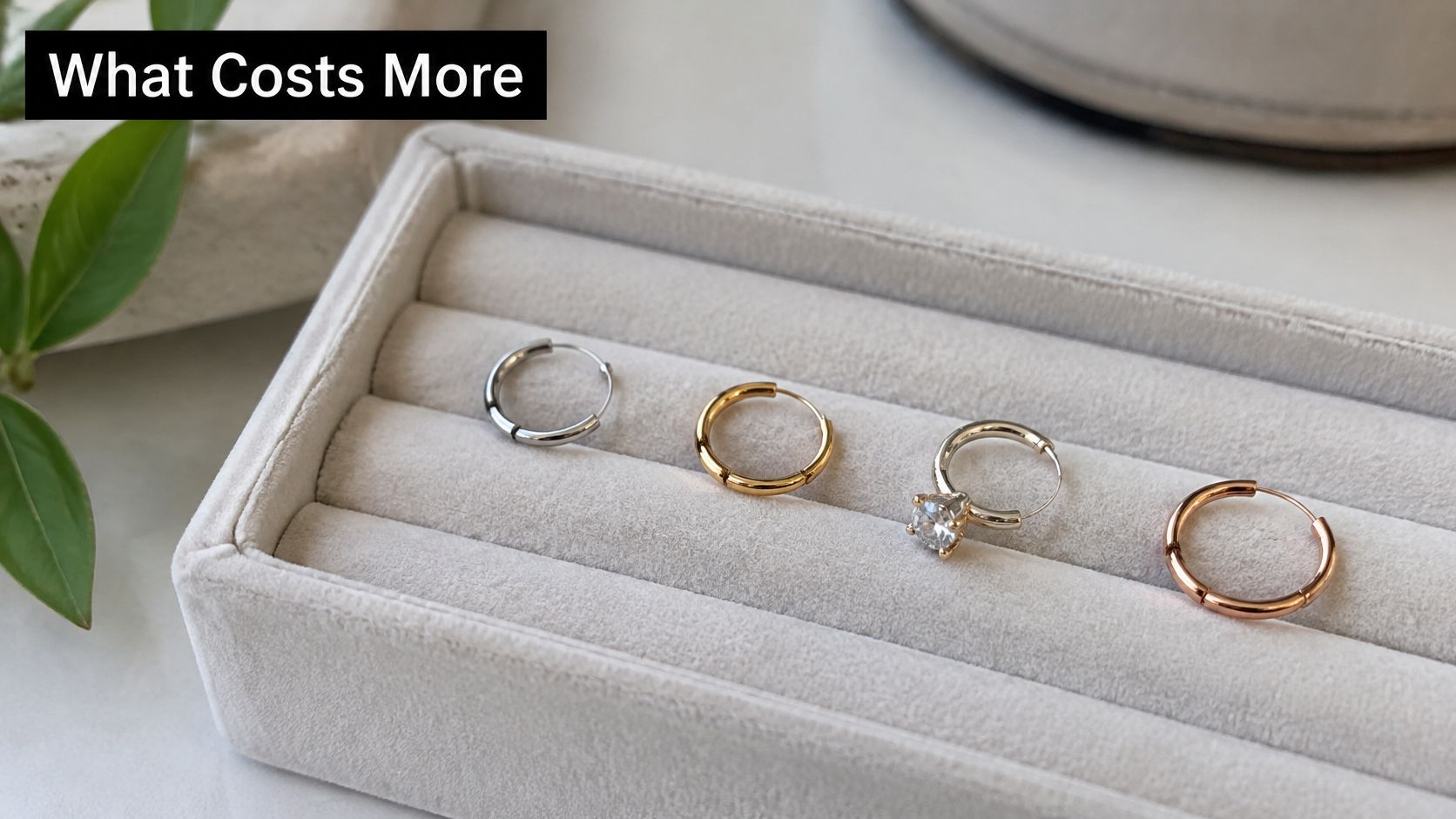
Plating Is a Look, Not an Upgrade
Plating puts a thin layer of gold or rose color over a base metal. It looks great in the first photos and can look great in person at first, too. Daily wear, moisture, skincare, and friction wear that layer down, and the base alloy underneath eventually meets your skin.
That matters because the base alloy is the part you often know least about. A rose-plated piece and a solid rose gold piece can photograph almost identically while aging completely differently. Treat plating as a cosmetic premium for healed piercings and occasional wear, never as proof of a better material.
Design and Brand Premiums
- Handcrafted details: small-batch finishing and unusual shapes take human time, and time costs money.
- Designer ends: intricate fronts, chains, and clustered gems add labor and setting work beyond a plain ball or bezel.
- Brand finish: a smoother polish, tighter clicker mechanism, and consistent sizing are worth something, especially on hinged hoops you open daily.
None of that excuses weak material disclosure. Guidance from Boston Children's Young Women's Health guide to body piercing notes accepted initial-jewelry standards include implant-grade titanium, compliant steel, niobium, and properly alloyed solid gold, and that these materials can cost more than basic steel. It also points out that EU REACH rules restrict nickel release from piercing articles and Oregon rules specify accepted materials for initial jewelry, so a cheap listing sold under weaker disclosure isn't directly comparable with one documented to a stricter standard.
That's your one regulation takeaway. Identical-looking listings at different prices may not be selling you the same documentation, testing, or traceability behind the photo.
My buying rule: Confirm the material first, then happily pay extra for the stone, shape, or designer detail you'll actually enjoy seeing every day.
If the premium is only plating, keep your expectations and your budget low. If the premium buys certified metal, a secure genuine stone setting, and a hinge that clicks cleanly, that's money with a job to do. You'll feel the difference every time you put it in.
Where to Find Nose Rings for Less
Real value comes from buying the right tier on sale, not from dropping a tier and hoping your nose cooperates. Start with sale categories when your piercing is healed and you want spares. Our sale categories include nose rings under $3, belly rings under $3, and nipple rings under $5, which makes backups and playful extras painless.
Keep a spare in your bag, your gym kit, and your travel pouch if you're prone to losing tiny jewelry. A lost hoop on a trip gets expensive when you're forced into whatever a random shop has in your gauge. Cheap spares solve that problem beautifully once healing is done.
Packs That Lower Your Cost Per Piece
We sell Nose Ring Packs, Belly Ring Packs, Earring Packs, and a Septum Mystery Grab Bag. Packs suit you when you rotate between a plain hoop for work, a gem for going out, and a simple stud for lazy days. You get several looks in the size you already know fits, instead of paying single-piece prices again and again.
For verified mid-tier value, look at pieces like the 20G Implant Grade Titanium Triple Sided Micro Gem Hinged Nose Hoop on sale from $39.99. That price point proves a point I repeat to friends. Titanium with gems can sit well below solid gold while still giving you documented material and a polished look.
Our guide on how to buy body jewelry on a budget goes deeper on stretching your money across a collection. Pair that advice with the tier table and you stop chasing random discounts. You start waiting for the right piece in the right material at the right price.
The Value Method I Actually Use
- Filter by material first. Choose fashion, titanium, or solid gold based on whether your piercing is healed or fresh.
- Check the price against its tier. A titanium piece priced like fashion jewelry deserves extra questions about documentation.
- Buy spares only in your confirmed size. A bargain in the wrong gauge or diameter isn't a bargain, it's clutter.
- Watch sale windows and new arrivals. Set a target piece, then wait for the price to move instead of impulse buying a substitute.
Studios can price jewelry higher than online shops because you're paying for in-person fitting, sterile insertion, and immediate help. Sometimes that's worth it, especially for a first downsizing. Still, compare the studio's jewelry price with an online price for the same verified material before you pay at the chair.
Don't let the chair pressure you into an upgrade you haven't priced. You're allowed to ask what the included starter piece is, what an upgrade costs, and whether you can decide after seeing options. A good piercer answers those questions plainly.
Save where saving is safe. Spend where your skin is involved.
Confirm Material, Gauge and Price Before You Buy
You've picked a style you love. Stop for two minutes and run the checks that keep a good price from becoming a bad purchase.
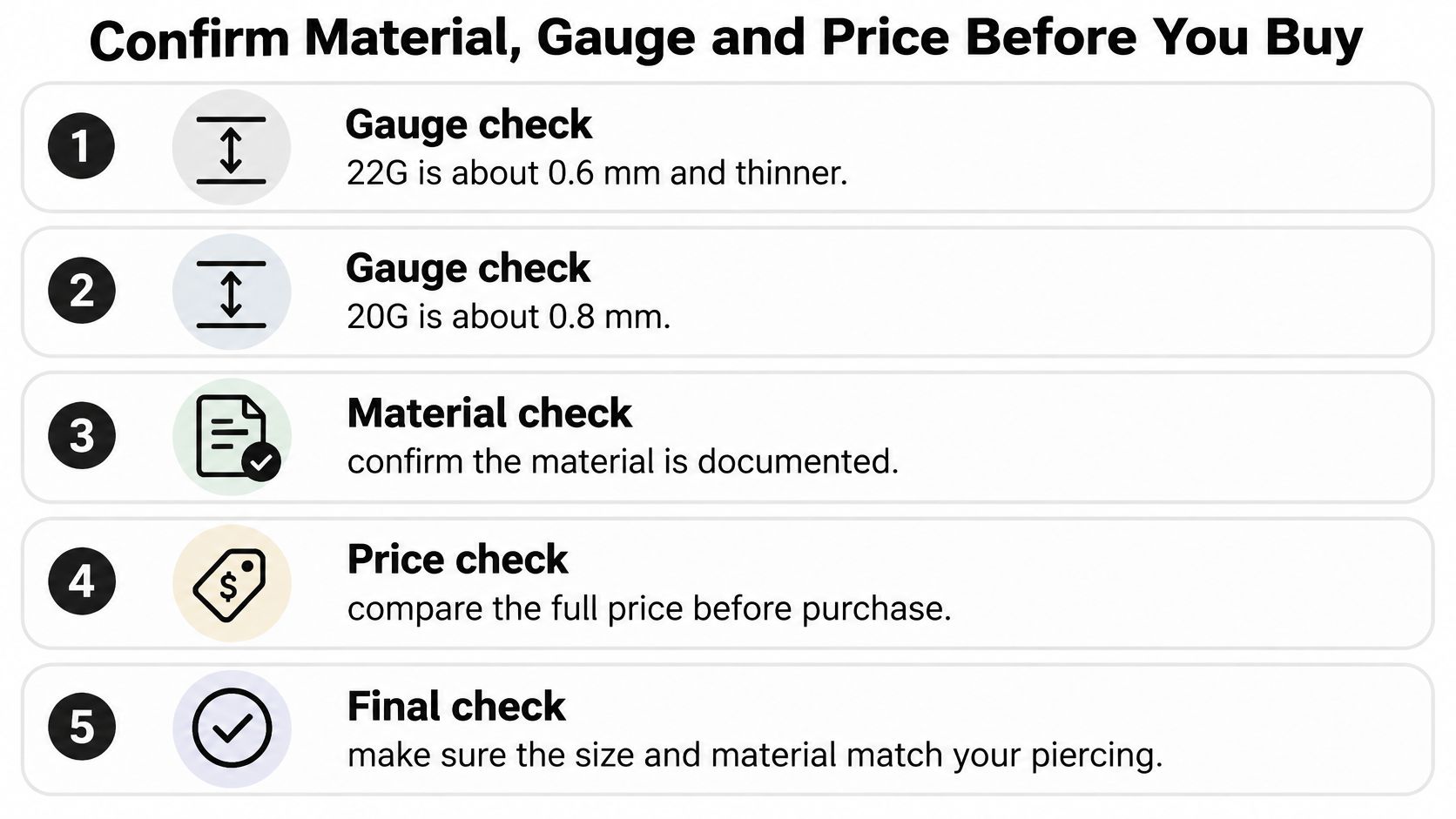
Gauge is the thickness of the post or wire, and smaller numbers mean thicker jewelry. We offer nose rings in 22G, 20G, and 18G, so match what your piercing was created with or what it has comfortably worn since. Guessing here causes more returns and sore noses than almost any style mistake.
Gauge Reference
| Gauge | Approximate thickness | Note |
|---|---|---|
| 22G | 0.6 mm | Thinner wire, available |
| 20G | 0.8 mm | Standard nose ring size, available |
| 18G | 1.0 mm | Thicker wire, available |
A 20G piece is the standard starting point for most nose ring shoppers, but standard doesn't mean universal. If you were pierced at 18G, dropping to a much thinner wire can let the channel shrink and make future swaps annoying. If you're unsure, ask your piercer to measure you. It takes seconds and saves you from forcing jewelry that doesn't belong in your piercing.
Length and diameter matter just as much. A stud post that's too short pinches, while one that's too long catches on towels and masks. A hoop that's too small digs into the edge of your nostril, while one that's too large hangs lower than the fitted look you wanted.
Your Five Checks
- Confirm the exact material designation. Look for the specific ASTM or ISO wording that separates documented implant-grade jewelry from vague metal labels.
- Check the construction. Choose internally threaded or threadless designs for fresh piercings so threading doesn't drag through healing tissue.
- Match gauge and post length. Confirm both against your piercing, and let your piercer verify fit if you're between sizes.
- Ask what the studio price includes. Confirm whether starter jewelry is bundled or separate before you compare appointment quotes.
- Write down the full total. Add jewelry, service, aftercare, and any planned downsizing piece before you choose between options.
Each check protects a different part of your wallet. Material and construction protect you from buying twice after a reaction. Gauge and length protect you from owning pretty jewelry you can't wear. The written total protects you from the oldest pricing trick in this category, which is comparing one shop's package price with another shop's service-only price.
If a seller can't answer the material and gauge questions clearly, don't reward them with your money just because the price is low.
Pick the tier that fits your piercing stage, run the five checks, and buy with confidence. Ready to find your new look? Shop our full collection of nose rings today, and drop your sizing or material questions in the comments below so you can shop without second-guessing yourself.
From healed-piercing spares in our under $3 sale picks to documented F136 titanium and solid 14k gold diamond pieces, we stock nose rings across every tier covered above so you can match material, gauge, and budget in one place. Visit BodyCandy to filter by your size and material, compare your total before checkout, and pick the piece your piercing will thank you for.