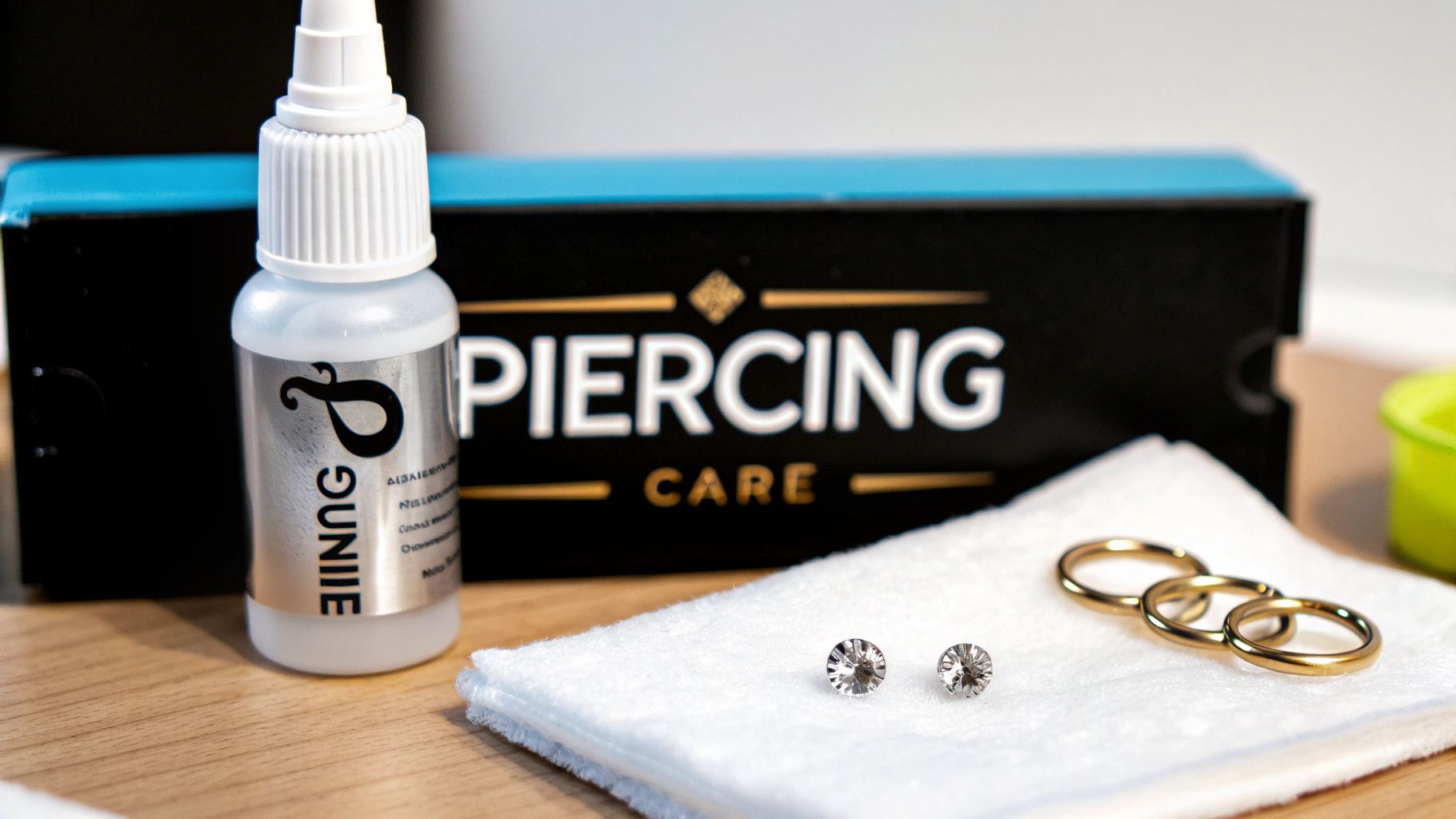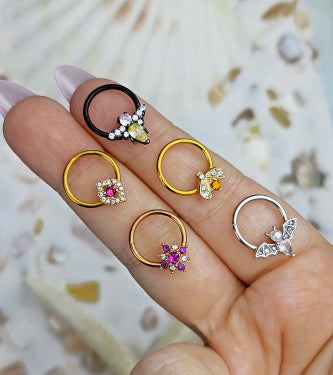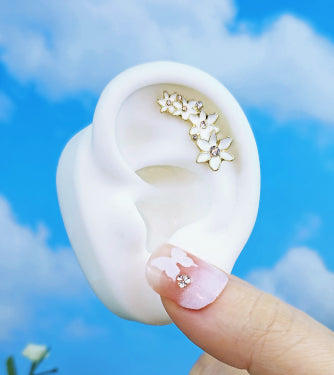



















So, you're ready for some new bling, but the thought of a months-long, complicated healing process is a total buzzkill, right? We get it. You want to rock that new stud or hoop ASAP without stressing over irritation bumps and endless aftercare. The good news? Not all piercings are created equal when it comes to recovery time.
The secret to a speedy recovery often lies in choosing the right spot. Some piercings are notoriously quicker to heal than others, thanks to things like blood flow, the type of tissue being pierced (fleshy vs. cartilage), and how much the area gets bumped around. Picking a piercing with a naturally faster healing timeline can make your entire experience smoother and get you to the fun part—swapping out your jewelry for new styles—much sooner.
If you're looking for the fastest healing piercings that offer maximum style with minimum downtime, you've come to the right place. In this guide, we’re spilling all the details you need. We'll break down a ranked list of the quickest healers, give you realistic timelines, and share pro aftercare tips that will get you healed up and ready to show off your new look in record time.
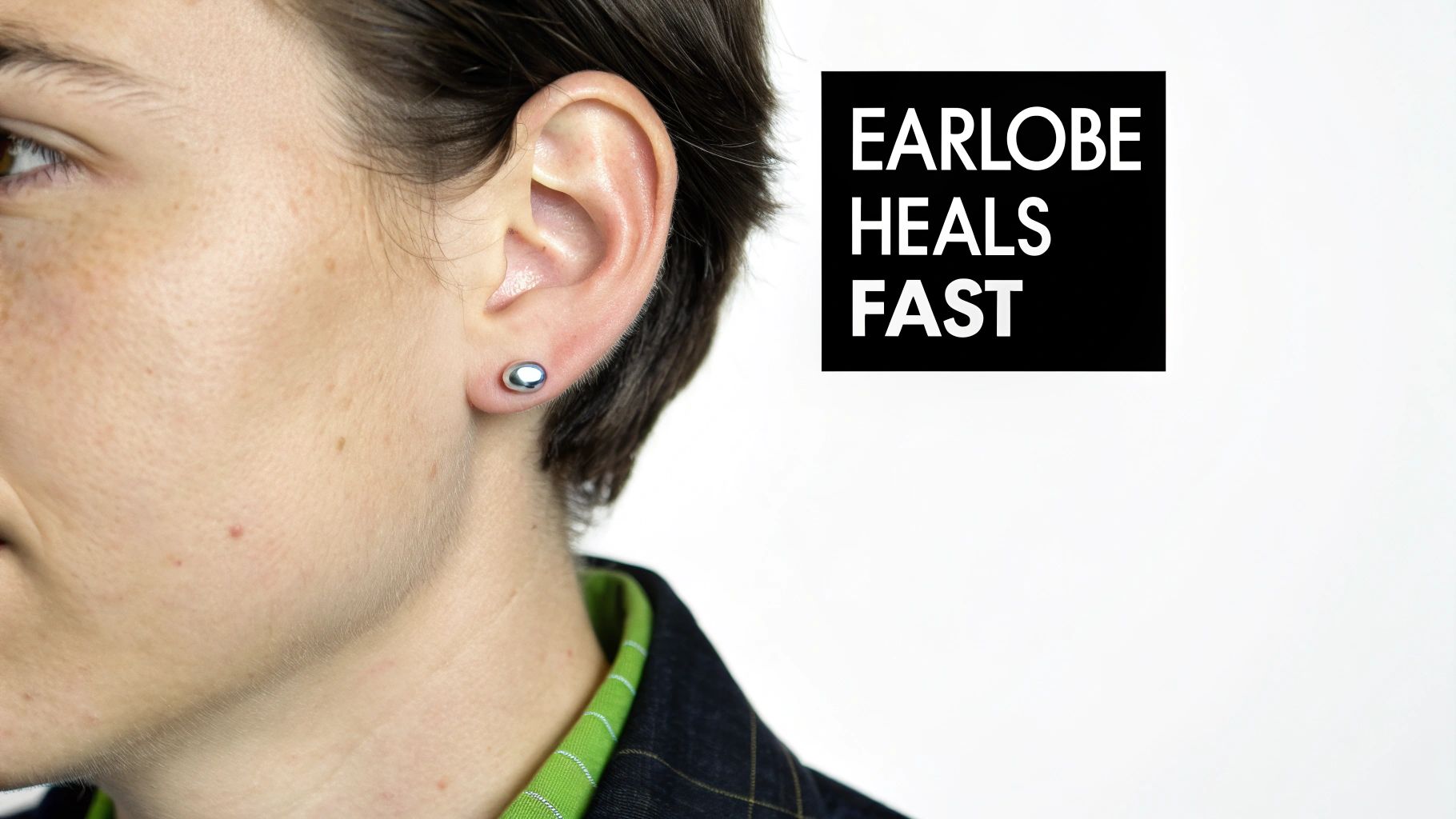
1. Earlobe Piercing
When you think about the fastest healing piercings, the classic earlobe almost always takes the top spot. It’s often the first piercing people get, and for good reason! This piercing goes through the soft, fleshy part of your lower ear, which has excellent blood flow and no tough cartilage. This combo makes the healing process way quicker and less complicated than other placements.
Because the tissue is so soft and full of blood vessels, your body can repair it super efficiently. This makes the earlobe piercing an ideal entry point into the world of body modification. It’s relatively low on the pain scale and has a lower risk of complications, setting you up for a positive first experience.
Why It Heals So Quickly
The secret to the earlobe’s rapid recovery is its anatomy. Unlike cartilage piercings that go through dense tissue with limited blood supply, the earlobe is packed with blood vessels. This rich blood flow delivers oxygen and nutrients that are crucial for rebuilding tissue and fighting off potential infections.
This biological advantage is why the earlobe is one of the most forgiving and fastest healing piercings out there. You can learn more about the specifics of the recovery window in this helpful guide covering healing times for popular piercings.
Key Insight: The abundance of blood vessels in the earlobe tissue is the primary reason it heals so much faster than cartilage piercings, which have a more limited blood supply.
Actionable Aftercare for a Speedy Recovery
To ensure your earlobe piercing heals as quickly as possible, a consistent and gentle aftercare routine is totally non-negotiable.
- Clean Twice Daily: Use a sterile saline solution. Spray it directly onto the front and back of the piercing or apply it with a clean, non-woven gauze. Avoid cotton balls—their fibers can get caught in the jewelry.
- Hands Off! Resist the urge to touch, twist, or play with your new earrings. Unnecessary movement can introduce bacteria and irritate the fresh piercing, which can seriously delay healing.
- Keep It Dry: After cleaning or showering, gently pat the area dry with a clean paper towel. Trapped moisture can create a breeding ground for bacteria.
- Choose Smart Jewelry: Start with a high-quality, hypoallergenic stud made from implant-grade titanium or 14k gold. These materials are body-safe and less likely to cause an allergic reaction or irritation.
2. Upper Earlobe (Helix) Piercing
Venturing into the world of cartilage piercings can seem intimidating, but the helix is a fantastic and stylish choice that ranks high among the fastest healing piercings in its category. Located on the upper, outer rim of your ear, this piercing goes through a relatively thin layer of cartilage, which makes its healing process more manageable than thicker spots like the conch or daith.
The helix piercing has become a modern classic, popular for its versatility. You can rock a single stud for a minimalist look or create an eye-catching "helix ladder" with multiple piercings up the ear. Its placement is also less prone to getting snagged by your hair compared to other cartilage spots, making it a great starting point if you're ready to move beyond the lobe.
Why It Heals So Quickly
The secret to the helix's relatively speedy recovery for a cartilage piercing lies in its anatomy. The cartilage in this upper region of the ear is thinner and more flexible than in other areas. While cartilage notoriously has less blood flow than soft tissue, the helix's location on the outer rim still receives a decent supply compared to more internal cartilage piercings.
This anatomical advantage means your body can deliver the necessary oxygen and nutrients for healing more effectively here than in denser cartilage. While you still need to be patient, its quicker turnaround time solidifies its spot as one of the best fastest healing piercings for anyone eager to add some edge to their ear game.
Key Insight: The thinness of the cartilage on the upper ear rim allows for a faster healing process compared to piercings in thicker, denser cartilage areas.
Actionable Aftercare for a Speedy Recovery
A dedicated and gentle aftercare routine is crucial for helping your helix piercing heal beautifully and without drama.
- Clean Twice Daily: Gently clean the front and back of your piercing with a sterile saline solution. Spray it directly on the area and let it air dry, or carefully pat it dry with a fresh paper towel. Avoid using harsh chemicals like alcohol or peroxide.
- Hands Off! This is especially important for cartilage. Do not twist, turn, or play with your jewelry. Any unnecessary movement can cause those dreaded irritation bumps and prolong the healing period significantly.
- Sleep Smart: Try to avoid sleeping directly on your new piercing. Use a travel pillow and place your ear in the hole to relieve pressure. This prevents irritation and crooked healing.
- Choose Smart Jewelry: Start with a high-quality stud. We highly recommend a flat back labret stud made of implant-grade titanium or 14k gold. These materials minimize the risk of allergic reactions and the flat back design is less likely to snag on hair or clothing.
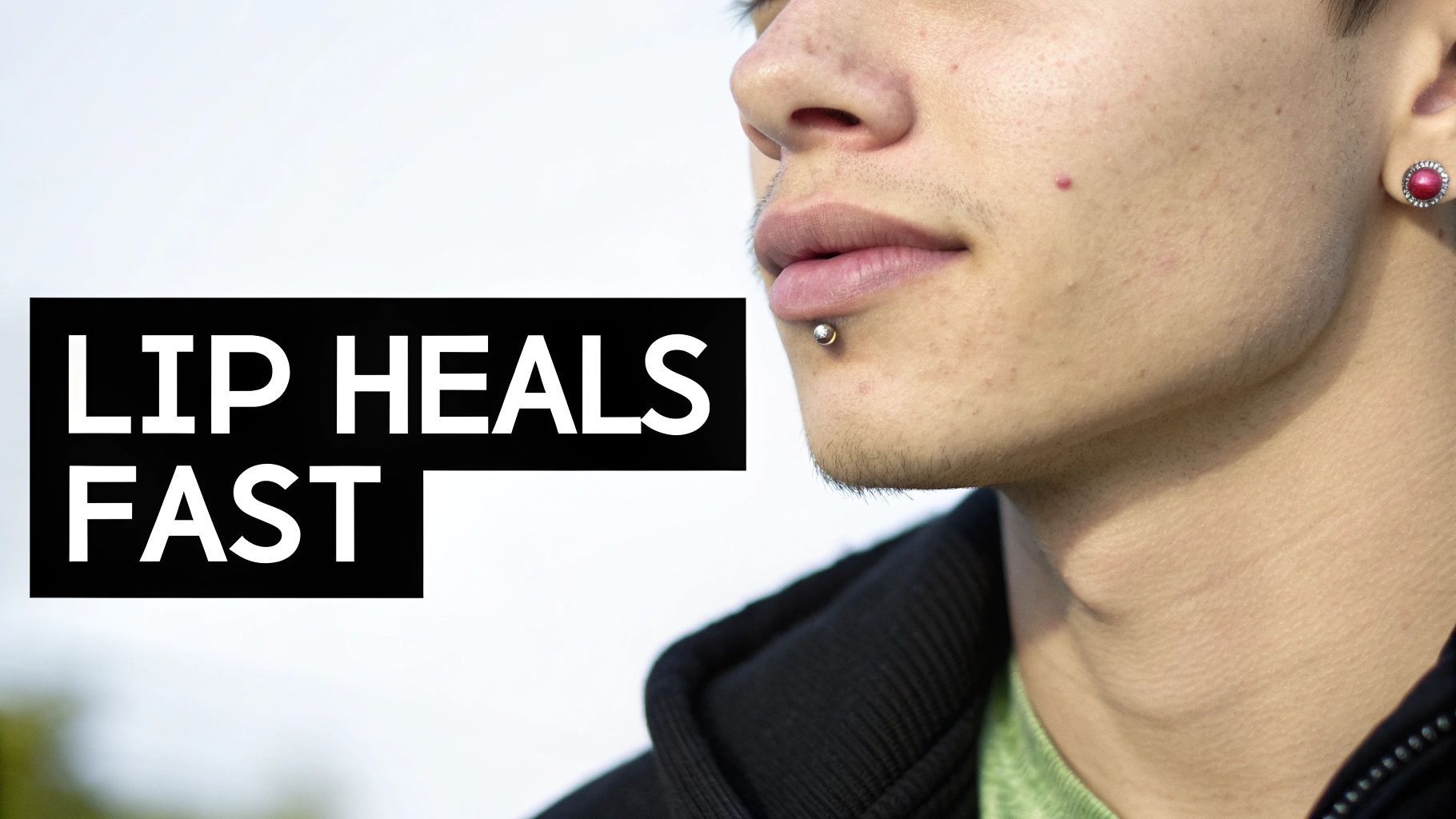
3. Lip Piercing (Labret)
When exploring the fastest healing piercings, the classic labret might be a surprising but totally worthy contender. This piercing is placed just below the center of your lower lip, passing through soft tissue. The lips and mouth are incredibly vascular, meaning they have a rich supply of blood that significantly speeds up your body's natural healing response.
Despite the mouth's constant exposure to food, drinks, and bacteria, this high blood flow works overtime to repair the tissue and ward off potential issues. This makes the labret a piercing that often heals much quicker than many cartilage piercings, establishing it as a popular choice for those wanting a bold look without a crazy long recovery.
Why It Heals So Quickly
The secret to the labret piercing's speedy recovery lies in its unique environment. The tissue of the lip is dense with blood vessels, which is ideal for healing. This constant circulation delivers oxygen and nutrients directly to the piercing site, promoting rapid cell regeneration. Plus, your body's mucosal tissue on the inside of your mouth heals remarkably fast.
This biological advantage allows the piercing to navigate the challenges of being in the mouth. For more tips on keeping your piercing happy and healthy, check out this guide on winter care for lip piercings.
Key Insight: The combination of excellent blood flow in the lip tissue and the rapid healing properties of the mouth's mucosal lining contributes to the labret's position as one of the fastest healing piercings.
Actionable Aftercare for a Speedy Recovery
A diligent aftercare routine that addresses both the outside and inside of the piercing is crucial for a fast and complication-free healing process.
- Dual Cleaning is Key: Clean the outside of the piercing twice daily with a sterile saline solution. For the inside, rinse your mouth with an alcohol-free, antimicrobial mouthwash after every meal and before bed to remove food debris.
- Watch What You Eat: For the first couple of weeks, stick to soft foods and avoid anything overly spicy, acidic, or crunchy that could irritate the fresh piercing.
- Downsize Your Jewelry: Your piercer will initially use a longer bar to accommodate swelling. It is essential to return to your piercer to have this bar downsized once the swelling subsides. A properly fitted labret stud prevents irritation and damage to your teeth and gums.
- Choose Body-Safe Jewelry: Start with an implant-grade titanium labret stud. Opt for an internally threaded or threadless flat-back post to minimize irritation inside your mouth and protect your dental health.
4. Eyebrow Piercing
Next on our list of fastest healing piercings is the striking eyebrow piercing. This classic surface piercing, popular since the '90s punk scene, is placed vertically through the skin of your eyebrow. Its relatively quick healing time is all thanks to the excellent blood circulation in the facial area, which promotes faster tissue repair.
The eyebrow piercing goes through soft tissue, avoiding the dense cartilage found in many ear piercings. This anatomical advantage means your body can heal it more efficiently. However, because it's a surface piercing, proper placement by a skilled professional is absolutely critical to avoid it migrating or rejecting.
Why It Heals So Quickly
Your face is a highly vascular area, meaning it's filled with a dense network of blood vessels. This rich blood supply is the key to the eyebrow piercing’s speedy recovery, as it constantly delivers the oxygen and nutrients needed for healing. This environment is way less prone to the prolonged healing struggles associated with cartilage piercings.
Since the piercing only passes through a small channel of skin, the body has a relatively straightforward healing task. With the right aftercare and jewelry, it’s one of the fastest healing piercings you can get, especially for a facial piercing.
Key Insight: The high vascularity of the facial region is the main reason eyebrow piercings heal faster than many other body piercings. This rich blood supply accelerates the body's natural repair process.
Actionable Aftercare for a Speedy Recovery
A diligent aftercare routine is crucial for an eyebrow piercing to prevent complications and ensure it heals quickly and properly.
- Clean Twice Daily: Gently clean the area twice a day with a sterile saline solution. Spray it directly on the entry and exit points and let it air dry or carefully pat it dry with a fresh, disposable paper towel.
- Be Gentle and Hands-Off: The eyebrow area is sensitive and prone to bumps. Avoid touching, twisting, or playing with your jewelry. Be extra careful when washing your face, applying makeup, or getting dressed to avoid snagging it.
- Keep It Dry and Clean: After cleaning or showering, ensure the piercing is completely dry. Also, keep cosmetics, lotions, and hair products away from the fresh piercing.
- Choose Appropriate Jewelry: Start your piercing journey with a curved barbell made from implant-grade titanium. This material is lightweight, hypoallergenic, and less likely to cause irritation or migration.
5. Tongue Piercing
It might seem surprising, but a tongue piercing consistently ranks among the fastest healing piercings you can get. This piercing is typically placed vertically through the center of the tongue. Despite its intimidating location, the tongue’s unique biological makeup creates an ideal environment for incredibly rapid healing.
The mouth, which might seem prone to bacteria, is actually a key player in the quick recovery. The constant presence of saliva, which has natural antimicrobial properties, combined with the tongue's rich blood supply, means your body can get to work repairing the tissue almost immediately. This makes the initial healing phase much shorter than for many other piercings.
Why It Heals So Quickly
The tongue is a highly vascular muscle, meaning it's filled with an extensive network of blood vessels. This incredible blood flow is the primary reason for its speedy recovery. It ensures that a constant supply of oxygen, nutrients, and immune cells reaches the piercing site, which accelerates tissue regeneration.
Additionally, the mucosal tissue of the tongue regenerates much faster than standard skin or cartilage. This biological advantage creates a perfect storm for healing. For a deeper look into the process, check out this detailed guide on the ins and outs of tongue piercing.
Key Insight: The tongue's highly vascular nature and the rapid regeneration of oral mucosal tissue are the two main factors that make it one of the fastest healing piercings available.
Actionable Aftercare for a Speedy Recovery
Proper aftercare for a tongue piercing is crucial, especially during the first two weeks when swelling is most prominent. A diligent routine will ensure a smooth and fast healing process.
- Rinse After Everything: After you eat, drink, or smoke, rinse your mouth for 30-60 seconds with an alcohol-free, antimicrobial mouthwash or a sea salt solution. This keeps the area free of food debris and bacteria.
- Manage Swelling: Stick to soft, cold foods like smoothies, yogurt, and ice cream for the first few days. Sucking on ice chips can also provide significant relief. Sleeping with your head elevated can help reduce swelling overnight.
- Start with a Longer Barbell: Your piercer will initially fit you with a longer barbell to accommodate swelling. It is essential to downsize to a shorter barbell once the swelling subsides (usually after 2-4 weeks) to prevent damage to your teeth and gums.
- Practice Excellent Oral Hygiene: Continue to brush your teeth twice a day, but be very gentle around the piercing. Avoid whitening toothpastes or mouthwashes with alcohol, as they can cause irritation.
6. Nose Piercing (Nostril)
The classic nostril piercing is a global favorite, celebrated for its versatility and style. It's also one of the faster healing piercings you can get, especially when compared to cartilage-heavy placements. This piercing goes through the soft tissue of the nostril, which benefits from solid blood circulation, making the healing journey relatively smooth.
Because the tissue is pliable and well-supplied with blood, your body can dedicate resources to repairing the area efficiently. This makes the nostril piercing an excellent choice for a facial piercing that is both highly visible and manageable. Its widespread popularity speaks to its timeless appeal.
Why It Heals So Quickly
The key to the nostril piercing’s relatively quick healing time lies in its location. The tissue of the ala (the fleshy part of the nostril) is far less dense than ear cartilage and has a much richer blood supply. This steady flow of blood delivers the oxygen and nutrients necessary for prompt tissue regeneration.
While it is cartilage, it is much thinner and more flexible than the cartilage found in most parts of the ear. This biological advantage contributes to its reputation as one of the fastest healing piercings for the face.
Key Insight: The nostril's thinner cartilage and robust blood supply create an ideal environment for healing, making it a more manageable process than piercings through thicker, less vascular cartilage.
Actionable Aftercare for a Speedy Recovery
A diligent and gentle aftercare routine is crucial for ensuring your nostril piercing heals quickly and without complications. Consistency is your best friend here.
- Clean Twice Daily: Use a sterile saline solution to gently clean the front and back of your piercing. Spray it directly on the area and let it air dry, or gently pat it dry with a clean paper towel. Avoid using cotton swabs, which can leave behind irritating fibers.
- Hands Off! Avoid touching, twisting, or moving your jewelry. This is a common habit that can introduce bacteria, create irritation bumps, and significantly prolong the healing process.
- Be Mindful of Makeup and Skincare: Keep makeup, lotions, and harsh facial cleansers away from the fresh piercing. These products can clog the piercing channel and cause irritation or infection.
- Choose Smart Jewelry: Start your healing journey with high-quality jewelry. Opt for an implant-grade titanium or 14k gold labret stud, L-shape, or nostril screw. It's best to wait until you're fully healed before switching to a hoop.
7. Ear Cartilage Piercing (Forward Helix)
While most cartilage piercings have a reputation for long and tricky healing, the forward helix is a notable exception. This stylish piercing sits on the forward-facing ridge of cartilage just above the tragus, creating a delicate look. It goes through a relatively thin section of cartilage with better-than-average blood flow for the area, which helps it join the ranks of the fastest healing piercings in the cartilage family.
Because the cartilage is thinner and more protected by the ear's natural curve, it's less prone to the accidental bumps and snags that plague outer helix piercings. This unique placement makes the forward helix a fantastic choice if you want the cartilage aesthetic without the extended healing commitment of a conch or industrial. It’s a trendy option that looks amazing as a single stud or as part of a curated ear project.
Why It Heals So Quickly
The secret to the forward helix's quicker healing time lies in its anatomy. The tissue in this specific spot is thinner than in other popular cartilage areas like the conch or flat. More importantly, it has a slightly better blood supply compared to the upper rim of the ear. This improved circulation helps your body repair the tissue more efficiently.
Its location also offers a degree of protection. Tucked into the inner curve of your ear, it's less likely to get caught on hair, clothing, or pillows while you sleep. This reduction in irritation is a huge factor in promoting a smooth and speedy recovery.
Key Insight: The forward helix benefits from being placed in a thinner cartilage area with a better blood supply and natural protection from irritation, which are key reasons for its faster healing process compared to other cartilage piercings.
Actionable Aftercare for a Speedy Recovery
A diligent aftercare routine is your best friend for helping a forward helix heal beautifully and quickly.
- Clean Diligently: Use a sterile saline spray twice a day to clean the front and back of the piercing. Apply the solution with a clean piece of non-woven gauze or spray it directly on the area.
- Don't Touch! Avoid touching, twisting, or rotating your jewelry. Your hands can introduce bacteria, and any unnecessary movement can cause irritation bumps or prolong the healing time.
- Sleep Smart: Try to avoid sleeping on the pierced side. Using a travel pillow and placing your ear in the hole can be a game-changer, preventing pressure and friction overnight.
- Be Mindful of Headphones: Earbuds can press against the back of the jewelry and introduce bacteria. It's best to avoid them during the initial healing phase or opt for over-the-ear headphones that don't make contact with the piercing site.
- Choose High-Quality Jewelry: Start your piercing journey with a labret stud made from implant-grade titanium. This material is hypoallergenic and biocompatible, minimizing the risk of an allergic reaction or irritation.
Fastest-Healing Piercings: 7-Point Comparison
| Piercing | Implementation Complexity 🔄 | Resource Requirements 💡 | Healing Speed & Expected Outcome ⚡⭐ | Ideal Use Cases | Key Advantages 📊 |
|---|---|---|---|---|---|
| Earlobe Piercing | Low — soft tissue, simple technique | Minimal — basic studio tools, hypoallergenic studs, saline | 4–6 weeks ⚡⭐⭐⭐⭐⭐ — rapid healing, low complications | First-time piercings, children, everyday wear | Fastest healing, low pain/infection, versatile jewelry |
| Upper Earlobe (Helix) Piercing | Moderate — cartilage placement, precise angle needed | Moderate — studs/hoops (titanium/gold), saline, sleep protection | 6–12 weeks ⚡⭐⭐⭐⭐ — relatively quick for cartilage | Stacked ear looks, aesthetic upper-ear placement | Visually pleasing, multiple placements possible, good jewelry options |
| Lip Piercing (Labret) | Moderate — oral placement, careful internal positioning | Moderate — labret studs (internally threaded), alcohol‑free mouthwash, saline | 6–8 weeks ⚡⭐⭐⭐⭐ — fast due to blood flow but higher contamination risk | Alternative fashion, visible statement, hideable with retainers | Distinctive look, quick oral healing when hygiene is strict |
| Eyebrow Piercing | Moderate–High — facial anatomy risk, skilled piercer advised | Moderate — curved barbells, saline, avoid cosmetics on site | 6–12 weeks ⚡⭐⭐⭐⭐ — good circulation aids healing; migration/scarring risk exists | Fashion-forward facial modification, visible accent | Easy access for care, fashionable; requires precise placement |
| Tongue Piercing | Moderate — oral but centered; expect early swelling | Moderate — longer initial barbell, mouthwash, saline, soft foods, ice | 4–6 weeks ⚡⭐⭐⭐⭐⭐ — very fast healing, low scarring when maintained | Performers, body‑mod communities, discrete when mouth closed | Rapid healing, natural antimicrobial saliva aid; temporary speech/eating effects |
| Nose Piercing (Nostril) | Low–Moderate — soft tissue but visible placement matters | Moderate — studs/spirals (screw/L-shape for healing), saline, avoid makeup | Initial 2–4 weeks; complete 4–6 months ⚡⭐⭐⭐ — quick initial recovery, longer full healing | Cultural/traditional wear, mainstream fashion, visible facial jewelry | Culturally versatile, broad jewelry styles; requires patience for full healing |
| Ear Cartilage Piercing (Forward Helix) | Moderate — cartilage with thinner ridge, careful placement | Moderate — implant‑grade titanium, saline, sleep protection | 8–12 weeks ⚡⭐⭐⭐ — faster than some cartilage sites but longer than lobe | Companion to helix/tragus stacks, trendy ear arrangements | Trendy placement, relatively good blood flow for cartilage; sensitive to trauma |
Ready to Rock Your Speedy New Piercing?
You made it! From the classic earlobe to the surprisingly swift tongue piercing, you now have the inside scoop on which placements will get you showing off your style in record time. The journey to a beautifully healed piercing is a team effort between choosing the right spot and committing to flawless aftercare.
The real magic happens when you pair one of these speedy options with a consistent, gentle cleaning routine and high-quality, body-safe jewelry.
Your Piercing Healing Checklist: The Final Takeaways
As you start your piercing adventure, keep these core principles in mind. They are the difference between a quick, seamless recovery and a long, frustrating one.
- Listen to Your Body: This is your number one rule. Some redness and swelling are normal, but if something feels off or gets worse, check in with your professional piercer. Your body knows what’s up.
- Jewelry Matters Most: Starting with the right material is non-negotiable. Implant-grade titanium or 14k gold are your best friends for a new piercing, as they minimize the risk of irritation and allergic reactions.
- Consistency is Queen: A random aftercare routine won't cut it. Cleaning your piercing twice a day with a sterile saline solution, every single day, provides the clean environment your body needs to heal.
- Hands Off!: The temptation to twist or touch your new jewelry is real, but it's the fastest way to introduce bacteria and irritate your piercing. Let it be, and let your body do its thing.
Key Insight: Choosing one of the fastest healing piercings isn't a shortcut to skipping aftercare; it's an opportunity to see the awesome results of your dedication much sooner.
What's Next on Your Piercing Journey?
Armed with this knowledge, you're more than ready to make an informed decision. You can now confidently walk into a studio, discuss your options, and know exactly what to expect. Prioritizing a fast-healing option means you get to the fun part—styling and swapping out your jewelry—that much quicker.
The beauty of piercings is their ability to express your unique personality. By choosing wisely and caring for your new addition, you're not just getting a new accessory; you're investing in a piece of self-expression that will bring you joy for years to come.
Ready to find the perfect, high-quality jewelry that will help your new piercing heal beautifully? BodyCandy has you covered with an unmatched collection of implant-grade titanium and 14k gold pieces perfect for initial piercings and beyond. Shop our curated collections at BodyCandy today and give your new piercing the best possible start