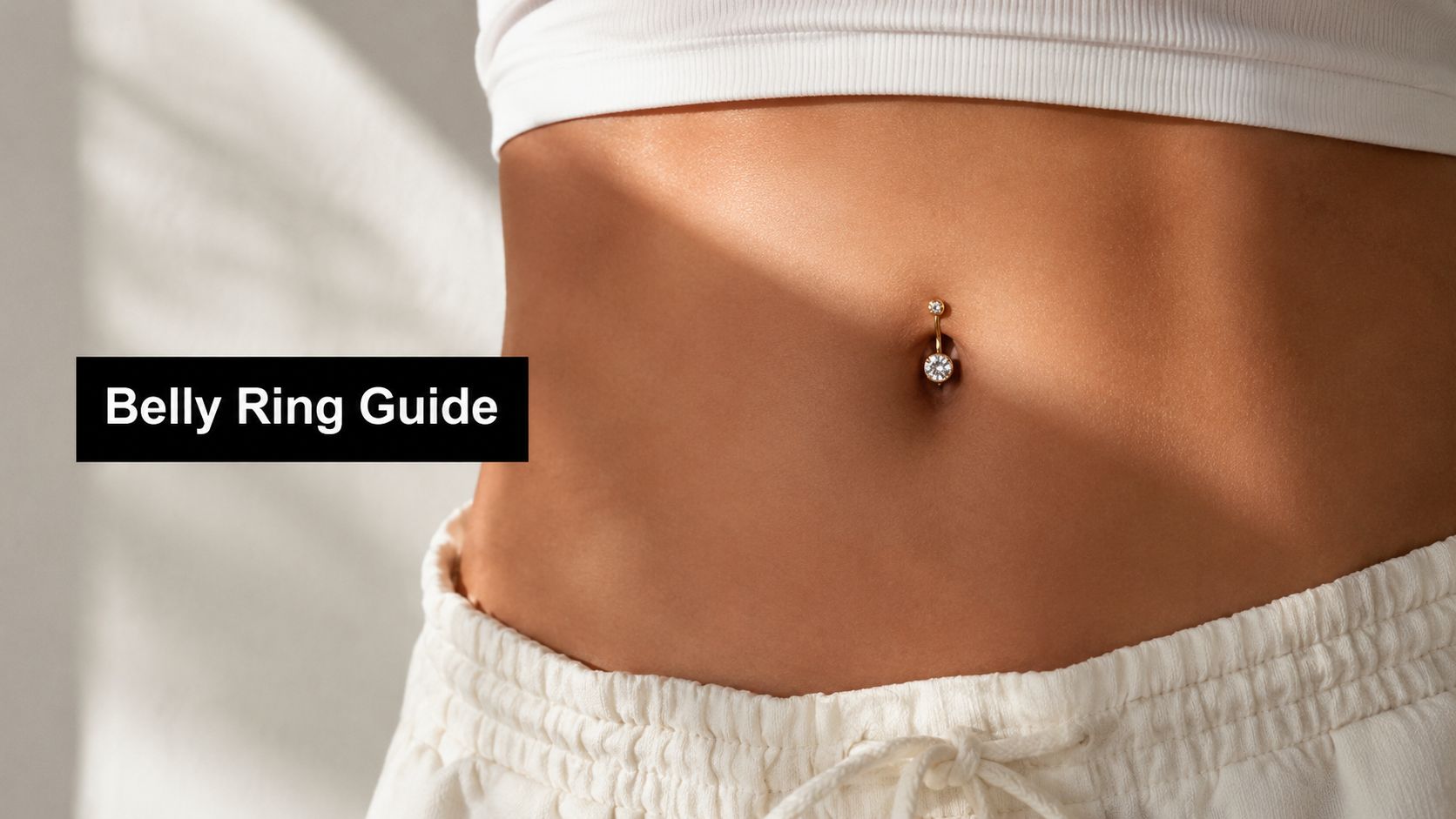














You're staring at a row of sparkly belly rings and trying to figure out why some look cheap, some look clunky, and some look like they'd sit right in a navel piercing. That's the game with cubic zirconia belly button rings. The stone gets the attention, but the metal, the fit, and the threading decide whether the jewelry feels good or turns into an itchy little regret.
What Makes Cubic Zirconia Belly Button Rings So Popular
Don't start shopping for navel jewelry with a gem chart in mind. You want shine, you want something prettier than plain steel, and you want it without the ridiculous price jump that comes with fine jewelry. Cubic zirconia wins that battle because it gives you a bright, diamond-like look in a format that fits everyday body jewelry.
That's why CZ styles keep showing up in dedicated navel collections, including entire ranges labeled for cubic zirconia belly button rings. In the belly ring world, that matters because the jewelry choice is part of the total spend around the piercing itself. A specialist piercing FAQ puts the average belly piercing cost at $30 to $70 Monster Piercing, so CZ is the obvious upgrade path when you want more sparkle without blowing past the usual entry-level budget.
Why CZ beats plain basics
Plain steel gets the job done, but it doesn't exactly turn heads. Acrylic can look fun, yet it usually reads as more casual and less polished than a gem-style piece. CZ hits the sweet spot, it looks dressed up, but it still lives in the same practical category as normal piercing jewelry.
Practical rule: if you want your navel jewelry to look intentional, not accidental, CZ is usually the first move worth making.
Retailers also pair CZ with body-safe bases like surgical steel or polished metals, which is part of the appeal. You get the shine people want from a decorative stone, but the piece still fits the everyday reality of a healed navel piercing. That's the whole reason it's so popular, it looks luxe without acting like it belongs in a velvet box.
Cubic Zirconia vs Other Stones and Metals
CZ gets compared to diamonds, opals, acrylic, and plain steel, but the decision is simpler than the marketing makes it sound. Diamond brings prestige and top-tier hardness. CZ gives you the bright, diamond-like look without the luxury price tag. Opals bring a softer glow, acrylic feels lighter and more casual, and plain surgical steel keeps things clean instead of decorative.
The part shoppers overlook is the base metal. Cubic zirconia belly button rings are usually built as mixed-material pieces, so the stone is only half the story. The metal that sits against your piercing is what drives comfort, wearability, and the chance of irritation. Retail collections show CZ belly rings paired with surgical steel bases and rose-gold finishes Belly Bling, which is a clear sign that you need to check the whole piece, not just the gem.
CZ vs Other Navel Jewelry Materials
| Material | Brilliance | Durability | Price Range | Best For |
|---|---|---|---|---|
| Cubic zirconia | High, bright, diamond-like | Good for regular wear, but it's still a fashion stone | Lower than diamond-based jewelry | Everyday sparkle without overspending |
| Diamond | Exceptional | Excellent | Much higher | Fine-jewelry buyers who want prestige |
| Opal | Soft, colorful glow | More delicate | Varies by setting | People who want a dreamy, less bling-heavy look |
| Acrylic | Low to moderate | Less durable for long-term wear | Usually budget-friendly | Temporary styling or very light wear |
| Plain surgical steel | Minimal shine | Strong and practical | Usually affordable | People who want simple, low-fuss jewelry |
If shine matters most, CZ is the smart pick. If you want heirloom-level durability or fine-jewelry status, go with diamond instead. If comfort and simplicity matter more than sparkle, plain steel does the job better.
For a closer look at how CZ stacks up against diamond, read Understanding Cubic Zirconia vs Diamond.
A lot of buyers obsess over the stone and ignore the metal touching their skin. For piercings, that order is backwards.
Finish matters too. A CZ charm on a rough or sloppy base can look polished in photos and feel terrible once it sits in a real piercing. A smooth, well-made setting matters more than the headline material if the ring is going into a healing or sensitive navel.
Getting the Right Size and Fit
A belly ring can look perfect on the screen and still feel wrong the second it hits your piercing. That usually comes down to fit, not style. Gauge decides whether the jewelry belongs in the channel. Length decides whether it sits calmly or digs, rubs, and gets annoying fast.

Know the two numbers that matter
For belly rings, 14 gauge is the standard size, which is about 1.5 mm or 1/16 inch. Some older piercings or pieces that were downsized use 16 gauge, which is about 1.2 mm. That difference is not trivia, it changes how the bar sits and whether the piercing has to stretch or fight the jewelry.
Barbell length matters just as much. Many cubic zirconia belly button rings use 14G with a 3/8 inch, 10 mm barbell length, and some navel styles come in 7/16 inch. The extra room helps with normal swelling and movement, which is why a navel ring should never feel crammed into place FreshTrends.
The part that touches your skin is the bar, the threading, and the setting. The stone is there for looks. If the base is the wrong size or the setting sits rough against the piercing, the sparkle stops mattering quickly.
Fit mistakes that cause trouble
- Too short: the bar presses into tissue, which can cause irritation and that tight, pinchy feeling nobody wants.
- Too long: the jewelry swings too much and can snag on waistbands or bedding.
- Wrong gauge: the piece can sit awkwardly or create unnecessary stress in the channel.
- Heavy dangle style on a sensitive piercing: more weight means more pull, and that's not ideal while healing.
A lot of shoppers fixate on the stone size and ignore how the piece will sit once it is worn. That is the mistake. Choose the gauge first, then choose the shortest length that still leaves enough room for comfort.
If you are changing jewelry for the first time, the mechanics matter more than guessing. This video on how to change out a belly button ring shows the process clearly. A ring that “looks right” in a product photo can still be the wrong fit for your piercing, and your body will tell you that fast.
Hypoallergenic Materials and Skin Safety
This is the part too many product listings gloss over. The stone is the sparkle, but the post and barbell are what touch your skin. If you've ever reacted to a belly ring and blamed the shiny part, you probably blamed the wrong component.

What actually touches the piercing
For sensitive skin, start with the metal, then check the setting, then worry about the decorative CZ. The stone sits on top. The bar, threading, and any rough edges are the parts that sit in the piercing channel and can cause trouble if they are cheap or badly finished.
If you want fewer problems, read material labels with a cold eye. A clean ASTM F-146 titanium piece or solid gold setting is a safer bet than mystery metal, especially if you already know your skin gets cranky fast. For a plain-language breakdown of what to look for, the BodyCandy guide to hypoallergenic jewelry for sensitive skin is worth a look before you buy.
Why “hypoallergenic” is not a magic word
Hypoallergenic does not mean zero reaction. It means the maker is trying to reduce the odds. Nickel is a common cause of allergic contact dermatitis, and the problem is metal exposure, not the CZ stone itself TikTok Shop listing context.
Plated base metals are where people get burned. Once the coating wears down, your skin hits the metal underneath, and that is where itching, redness, and swelling start. If your skin is sensitive, buy from the actual metal listed on the product page, not from the marketing word slapped on top of it.
Nickel problems come from metal contact, not from the decorative CZ itself.
How to choose a ring that stays calm on skin
A good CZ belly ring should feel boring on your body. Smooth threading, a well-finished bar, and a setting that does not dig into the piercing matter more than extra shine. Internally threaded jewelry is usually easier on sensitive skin because there is less exposed roughness to drag through the channel.
Keep the piece simple if you are healing, changing jewelry for the first time, or dealing with a piercing that gets irritated easily. Heavy dangles pull more. Rough finishes catch more. If the ring feels scratchy in your hand, it will not magically feel better once it is inside your navel.
Cleaning and Aftercare for CZ Belly Rings
A CZ ring stays pretty only if you keep body grime off it. Sweat, lotion, sunscreen, and lint all dull the shine fast, and they can also irritate the piercing if you let buildup sit around the bar.

Keep the routine simple
Rinse the area with warm water, then use a mild, fragrance-free soap on a cotton swab for the jewelry and the skin around it. Rinse again so no residue hangs around the stone or threading. Pat dry with a clean, lint-free cloth, because leaving moisture pooled near the navel is a fast way to make a clean piercing feel gross.
Harsh cleaners are a bad idea. They can dull the stone's finish and make the surrounding skin more reactive. If you're wearing a dangle style, don't sleep on a fresh piercing with that extra weight swinging around. That's just asking for irritation.
Pay attention to the hardware
Internally threaded jewelry is easier to live with during cleaning because there's less exposed roughness to snag tissue. That matters when you're removing and reinserting the piece for a deeper clean. A smoother surface gives the piercing less to fight with.
If the CZ looks cloudy, start with cleaning before you assume the stone is ruined. Sometimes it's just soap film or lotion buildup. If the stone feels loose, stop wearing it and replace the jewelry instead of pretending it'll stay put.
Summer gets messy faster. Sweat, sunscreen, and pool water all leave residue that makes even a good CZ piece look tired. A quick rinse after a beach day or workout keeps the jewelry bright and your piercing less annoyed.
Styling Inspiration and Trending Designs
Once the fit and material are right, you can have fun with it. That's where cubic zirconia belly button rings stop being “just jewelry” and start being part of the outfit. The trick is to match the style to your life, not the other way around.
The looks people keep reaching for
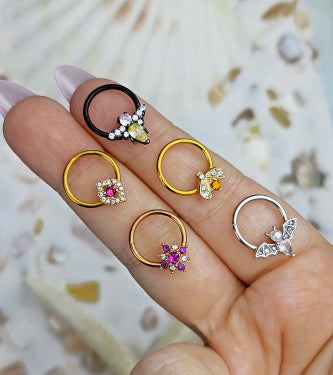
A minimalist solitaire CZ belly ring is the cleanest option. It works when you want a little shine without making your stomach the whole conversation. A dangle charm does the opposite, it's louder, flashier, and better when you want your jewelry to move with you.
Colored CZ styles also hit hard. Rose tones feel softer, sapphire blue reads cooler, and emerald green brings a sharper pop. If you like layering your look across multiple piercings, stacking styles in the same color family keeps the whole thing from looking random.
Where each style works best
- Everyday wear: small solitaire CZ pieces stay neat under clothes and don't fight with your outfit.
- Festival looks: dangle styles and brighter stones bring movement and shine.
- Beach days: simpler settings are easier to manage when you're already dealing with sweat and sand.
- Date nights: colored CZ or more ornate settings give you that extra deliberate sparkle.
The best belly ring is the one that fits your life and your navel, not just the one that looks wild in a product photo.
Customer photos tend to make this obvious. A tiny clear CZ can look elegant and polished on one person, while a larger charm makes sense for someone who wants the jewelry to be seen. That's why styling works best when you treat the ring like part of the whole outfit, not a standalone accessory.
Smart Buying Tips for BodyCandy Shoppers
Read the listing like you care about your piercing. If the material isn't clear, keep scrolling. If the gauge and length aren't listed, that's not a cute surprise, it's a bad listing.

What to check before you buy
- Material listing: look for surgical steel or titanium in the product description, not just a vague “safe” label.
- Gauge and length: make sure the numbers match your piercing, especially if you need 14G or a specific bar length.
- Threading style: internally threaded pieces are usually the calmer choice for insertion and removal.
- Reviews: focus on comments about stone brightness, post comfort, and whether the jewelry sits the way it should.
The smart move is to use filters, compare the metal first, and ignore listings that hide the basics behind flashy wording. If a ring only talks about sparkle and never tells you what touches your skin, that's a miss. Good body jewelry is honest about the boring details.
Ask customer service when you're stuck between two sizes or unsure about the fit. That's not overthinking, that's avoiding a bad purchase. And if there's a sale or rewards perk available, use it on a piece that's going to work for your piercing, not on the cheapest shiny thing you can find.
Ready to upgrade your navel jewelry with something that fits your skin and your style? Shop BodyCandy for cubic zirconia belly button rings that bring the sparkle without making you guess on size, metal, or comfort.