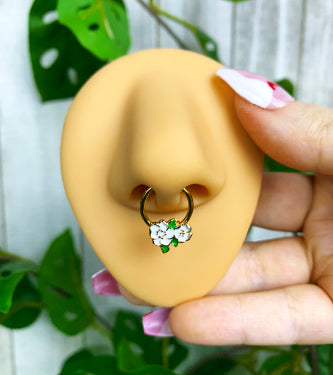


















Titanium jewelry is body and fashion jewelry made from titanium metal, and the version you want for piercings is usually implant-grade because it's lightweight, corrosion-resistant, and friendly to sensitive skin when the spec is right. Titanium's density is about 4.5 g/cm³, which is roughly 45% lighter than steel, so it wears very differently from heavier metals on the body and in everyday rings and body jewelry (Titanium facts and common uses).
If you've ever stared at a jewelry listing and wondered whether “titanium” means safe, strong, colorful, or just marketing copy, you're in the right place. I've had plenty of shoppers hold up a new ring and ask, “Is this the good titanium or the mystery-metal version?” That's the core question, because the word titanium gets used for everything from body-safe piercing jewelry to decorative pieces with coatings, blends, or vague labels.
What Titanium Jewelry Actually Means
Walk into a piercing shop and you'll usually hear titanium jewelry described in two ways, body jewelry and fashion jewelry. In plain English, it means the piece is mainly made from titanium metal, which is why it feels lighter than steel, resists corrosion, and holds up well for all-day wear. Titanium sits in a useful middle ground between comfort and toughness, so you see it used in industrial products as well as jewelry. It is one of the four most used structural metals in manufacturing, alongside aluminum, iron, and magnesium, and titanium dioxide accounts for more than 90% of the world's demand for titanium (Titanium facts and common uses).
That broad label is where shoppers get tripped up. A titanium wedding band, a titanium barbell for a septum, and a decorative titanium stud can all look alike at first glance, but they are not always made to the same standard. In the piercing world, the appeal is straightforward. It stays light on the body, stands up to daily wear, and is often chosen by people who want something less reactive than common mixed metals.

A good shop label should answer three questions quickly. Is it meant for piercings or fashion. Is it implant-grade or just titanium-colored. And is the finish plain, anodized, or coated. If you can sort those three things out, you are already ahead of most online shoppers.
For a store-side look at body jewelry basics, BodyCandy's guide to titanium body jewelry is a practical place to compare styles before you buy.
The Science Behind Titanium's Strength
At the bench, titanium shows its value fast. A ring can feel surprisingly light in the hand, yet still hold up when it gets knocked against a counter, squeezed into a display tray, or worn all day. That comes from titanium's density of about 4.5 g/cm³, which keeps the metal much lighter than gold or platinum while still giving it the kind of structure people expect from a durable everyday piece (Titanium jewelry technical guide).
Why it feels light but doesn't feel flimsy
The useful part is the balance, not just the number. Titanium has a high strength-to-weight ratio, so a piece can use less mass without losing much toughness. In practical terms, a septum ring or thumb ring can sit on the body with very little drag, even though it is solid enough for regular wear. Titanium also has a melting point near 1,668°C, which helps explain why it stays stable during processing and under heat-related stress (Titanium jewelry processing guide).
A technical jewelry guide also lists titanium's Mohs hardness around 6, which puts it ahead of softer precious metals like gold and silver for everyday scratch resistance, while still leaving room for wear marks over time (Titanium jewelry technical guide). That is the version shoppers can use at the counter, it is tough enough for frequent wear, but it is not immune to scratching.
The oxide layer that handles the critical function
Titanium naturally forms a thin titanium dioxide layer when it meets air. That surface layer gives the metal strong corrosion resistance and helps it resist tarnish and rust during normal wear (Chemistry of titanium jewelry). It also helps explain why titanium handles sweat and moisture so well, especially compared with metals that need more protective care.
Practical rule: if a piece is going to live on your body, the oxide layer is part of why titanium can keep looking clean without much fuss.
Common titanium grades in body jewelry
| Grade | What It Is | Typical Jewelry Use |
|---|---|---|
| Grade 2 | Commercially pure titanium | Skin-contact jewelry, everyday wear |
| Grade 5 | Ti-6Al-4V alloy | Stronger fashion pieces and harder-wearing designs |
| ASTM F136 | Implant-grade titanium alloy specification | Fresh piercings and internal wear |
| ASTM F67 | Implant-grade commercially pure titanium specification | Fresh piercings and sensitive-skin jewelry |
That grade label matters more than many shoppers realize, because "titanium" by itself does not tell you whether the piece was made for body contact or just made to look right in a display case.
Implant-Grade vs Regular Titanium
This is the line that changes the buying decision. Implant-grade titanium means the material follows a recognized body-safe specification, while generic titanium can mean a lot of things, including alloys, plated pieces, or products mixed with other metals. In body jewelry, the names you want to see are ASTM F136 and ASTM F67, because those specs are the ones shoppers usually associate with fresh piercings and long-wear skin contact.
What the spec names are telling you
A spec number is useful because it narrows the field. ASTM F67 refers to commercially pure titanium, while ASTM F136 refers to the implant-grade alloy often used in body jewelry. The point isn't just strength, it's consistency and traceability, so the piece is made to a known standard instead of a loose retail label. When a listing says only “medical titanium” or “surgical titanium,” I treat that as a question mark until the seller names the exact grade.
That caution matters because some products marketed as titanium jewelry are plated, blended, or made with undisclosed materials. A body-jewelry buying guide notes that the label can be ambiguous unless the alloy or specification is named clearly (Titanium jewelry buying guide).
Which wear situations call for which standard
For fresh piercings, implant-grade titanium is the safe, boring, smart answer. For healed piercings, a wider range of titanium jewelry can be fine if the piece is well made and your skin already knows how to behave. For non-pierced fashion wear, you've got more wiggle room, because the contact time and skin sensitivity issue are usually different.
Shop-floor truth: if the label can't tell you the exact grade, assume it's not meant for your freshest piercing.
Here's a practical way to think about it. If the jewelry is going inside a new ear, nostril, navel, or cartilage piercing, ask for the spec first and the style second. If it's a healed lobe stack or a fashion ring, finish and comfort can matter just as much as the grade. The more the jewelry touches freshly healing skin, the less you want to guess.
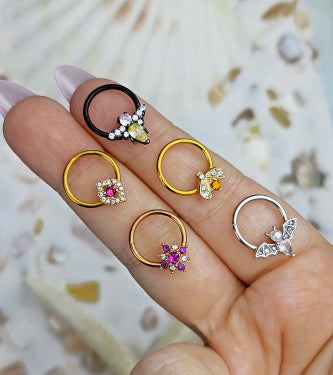
For a quick visual on the main styles people see in the piercing case, BodyCandy's types of titanium body jewelry overview helps connect the label to the actual piece you're holding.

Why Titanium Gets Called Hypoallergenic
People use hypoallergenic as if it's a magic stamp, but with titanium there's a real reason behind it. Titanium forms that stable oxide layer you read about earlier, and that barrier helps reduce corrosion and metal-ion release when the jewelry is worn against skin (Titanium jewelry chemistry). Less ion release matters because reactions are often triggered by what the skin is exposed to over time, not just by the shape of the jewelry.
What that means for sensitive skin
If you've got contact dermatitis or a known nickel allergy, titanium is often a smart place to start because it's widely described as biocompatible and hypoallergenic. The key part is the alloy and the finish. A clean, implant-grade titanium piece has a very different risk profile from a plated piece or a mystery blend that only uses the word titanium for marketing.
That's where shoppers get tripped up. A titanium alloy can still contain trace elements, and a plated piece can reintroduce the very surface contact you were trying to avoid. So “nickel-free” is helpful, but it's only as trustworthy as the product build behind it. If the item doesn't say ASTM F136, ASTM F67, or another exact material spec, I'd ask more questions before putting it in a fresh piercing.
A simple way to test your own tolerance
If you're unsure, wear a clean titanium piece on a fully healed piercing or a brief skin contact spot before making it your everyday choice. Keep it simple and watch for redness, itching, or irritation over time. That small test won't replace proper material disclosure, but it can give you a useful clue if your skin tends to react fast.
For long-wear internal piercings, implant-grade titanium is still the most reliable choice. The whole point is to reduce the number of variables your skin has to deal with. Less guessing usually means fewer problems later.
How Anodized Colors Work
The rainbow titanium look confuses a lot of shoppers because it resembles paint, but it is not paint. Anodizing changes color by thickening titanium's natural oxide layer through an electrical process, and different voltages produce different hues without dyes or plating. That is why a teal navel ring can keep its finish without chipping the way a coated piece might.
I have had customers bring in two rings that looked almost identical in a photo. One was true anodized titanium, the other was a coated base metal with a color finish that would not hold up well to everyday rubbing. The first one handled normal wear much better, because the color came from the metal itself, not a fragile surface layer.
What to look for in a colored piece
A true anodized titanium piece should be labeled as titanium and should feel like titanium, light, sturdy, and clean at the edges. If a listing talks more about color than metal, I get cautious. Black PVD and plated finishes are different processes, and cheap color-treated base metals can copy the look without giving you the same body-safe profile.
For fresh piercings, plain implant-grade titanium is the safer call. Anodized colors usually make more sense once the piercing is healed and you are using jewelry for style first, function second. In other words, the rainbow looks fun, but the skin underneath gets the final vote.
If the finish takes a hard hit every day, expect some fading or wear over time.
That is especially true for rings you rotate often, because abrasion adds up. The good news is that anodized titanium does not rely on paint, so the color process is more stable than a cheap coating. If you want a closer look at how anodized titanium is judged for piercings, BodyCandy's anodized titanium safety guide is a useful companion read.

Real Pros and Cons of Owning Titanium
Titanium is one of those materials that solves a lot of annoyances at once, but it doesn't solve every jewelry problem. The big wins are easy to feel. It's lightweight, corrosion resistant, and built for long wear, so a bulky ring or barbell doesn't weigh you down the way heavier metals can (Titanium facts and common uses). It also tends to cost less than gold or platinum, which makes it easier to choose a style you'll wear every day.
The upsides people notice first
The first thing most customers notice is comfort. A titanium septum ring or thumb ring can feel much easier to forget about during workouts, typing, or hands-on work. The second thing is surface behavior, because the metal holds up well against moisture and daily exposure, and it doesn't need the same level of babying as softer precious metals.
Titanium also gives you modern color options through anodizing, so you're not locked into a single gray look. That matters if you want the practical benefits but still want jewelry that fits your style. For a lot of people, titanium hits the sweet spot between clean and edgy.
The tradeoffs that matter in real life
Titanium jewelry is usually not resizable after manufacture, so sizing has to be right from the start. That matters a lot for rings, because a thumb ring that's slightly off can stay annoying forever. It also matters for body jewelry, because a poorly sized piece can shift, pinch, or sit wrong in a healed piercing.
Titanium is tough, but it's not invincible. A Mohs hardness around 6 means it resists scratches better than gold or silver, yet it can still show wear over time (Titanium jewelry technical guide). So if you toss rings into a drawer with keys, expect surface marks sooner than you'd like.
Practical rule: titanium is a great daily driver, not a zero-maintenance magic metal.
If a listing seems unbelievably cheap and calls itself “titanium-looking,” slow down. A real titanium piece should give you clear material information, not just a vibe. That's the line between a jewelry purchase and a guessing game.
Caring for Titanium and Fresh Piercings
Titanium care stays simple if you keep the routine gentle. For most pieces, mild soap, warm water, and a soft cloth are enough to clear off daily buildup, and you can rinse worn pieces after showers or sweat-heavy days (How to clean titanium jewelry). Skip harsh chemicals, abrasive pads, and treated polishing cloths, especially on polished or anodized finishes.
A low-fuss routine that works
Store each piece separately if you can. A small pouch or divided compartment keeps chains, clasps, and other metal edges from rubbing the finish, which is one of the easiest ways to keep a piece looking clean instead of scratched up. If a polished titanium piece starts looking dull, a non-abrasive polish can bring some shine back without beating up the surface.
For fresh piercings, keep the care even simpler. Use saline as directed by your piercer, keep your hands off the jewelry, and don't swap pieces too early just because you're bored with the look. I've seen plenty of healing piercings get irritated by constant fiddling, while the jewelry itself was fine. The metal choice helps, but healing still depends on what you do with the piercing every day.
Here's the short version:
- Clean gently: warm water, mild soap, soft cloth.
- Avoid abrasion: skip steel wool, rough pads, and harsh polish.
- Store apart: keep pieces from knocking into each other.
- Heal patiently: saline, clean hands, and proper downsizing when your piercer tells you it's time.
That mix keeps daily wear looking better and helps fresh piercings stay calmer while they settle in.
Buying Tips to Verify Real Titanium
A good titanium purchase starts with a label, not a guess. Look for ASTM F136, ASTM F67, implant-grade, commercially pure Grade 2, or Ti-6Al-4V ELI when you're shopping for body jewelry. If a listing only says “surgical titanium” or “nickel-free” without naming the grade, I'd treat that as a red flag rather than a reassurance.

A magnet test isn't a real proof of quality, and it won't tell you whether the metal is implant-grade. A reputable seller should be able to explain the grade, the coating if there is one, and where the piece was made. If they can't answer those questions clearly, keep shopping.
Ask one more thing if the jewelry is colored. Is it anodized titanium, or is the color a coating on another metal? That one question saves a lot of disappointment later.
Ready to shop with the material questions sorted out? Browse BodyCandy for titanium body jewelry and compare styles, grades, and finishes before you pick your next piece. If you want something that feels light, wears well, and makes sense for sensitive skin, start there and choose the titanium that fits your piercing and your routine.