

















Nose piercings show up in 540 of 10,534 compiled piercing-related complications, or about 1%, but they deserve extra respect because the nose's cartilage has limited blood supply and can be harder to clear if infection starts. That's why a nose piercing infection is not something to panic about, but it is something to catch early.
If you're staring at your new nose ring in the mirror right now, trying to decide whether that redness is normal or whether your piercing is angry in a bad way, you're in very good company. This is one of the most common points of confusion with nostril and septum piercings. A little soreness can be totally expected. Spreading redness, thick pus, or pain that keeps ramping up is a different story.
A lot of people get tripped up because healing irritation and infection can overlap at first glance. The fix depends on knowing which one you're dealing with. So let's sort that out in a way that feels useful.
What Happens When Your Nose Piercing Gets Infected
You get a nose piercing. The first few days are a little tender. Then maybe one morning it looks redder than yesterday, or the jewelry feels sore when you wash your face. That moment is where people usually spiral. Is this normal healing, or is it turning into a nose piercing infection?
The good news is that most issues stay minor. The important part is understanding that the nose is a touchy location. A major review found that nose piercings accounted for 540 cases, or about 1% of 10,534 piercing-related complications, and the median age was 23.4 years among reported nose-piercing cases. The same review summarized other studies reporting localized infections in roughly 10% to 30% of new piercing sites, and it also noted that 31% of reported complications across piercing types involved sites other than earlobes, while 0.9% required hospital admission (major review of piercing complications).
Why the nose can be tricky
Your earlobe is soft tissue. Your nostril and septum involve cartilage and nearby structures that don't have the same forgiving blood flow. That matters because cartilage has limited blood supply, which can make infection harder to clear and can raise the chance of an abscess or deeper spread.
That's why the same amount of redness that might be no big deal on one body part can deserve a closer look on the nose.
Practical rule: If your symptoms are staying small and calming down, you're probably looking at healing or irritation. If they're spreading and getting more painful, treat that as a warning.
What infection usually feels like in real life
A true infection often doesn't start with drama. It may begin as tenderness that stops improving. Then the area gets warmer, puffier, and more reactive instead of settling down. Some people notice the jewelry suddenly feels tight. Others see discharge that looks thicker and darker than the light crusting that often comes with healing.
A simple way to think about it:
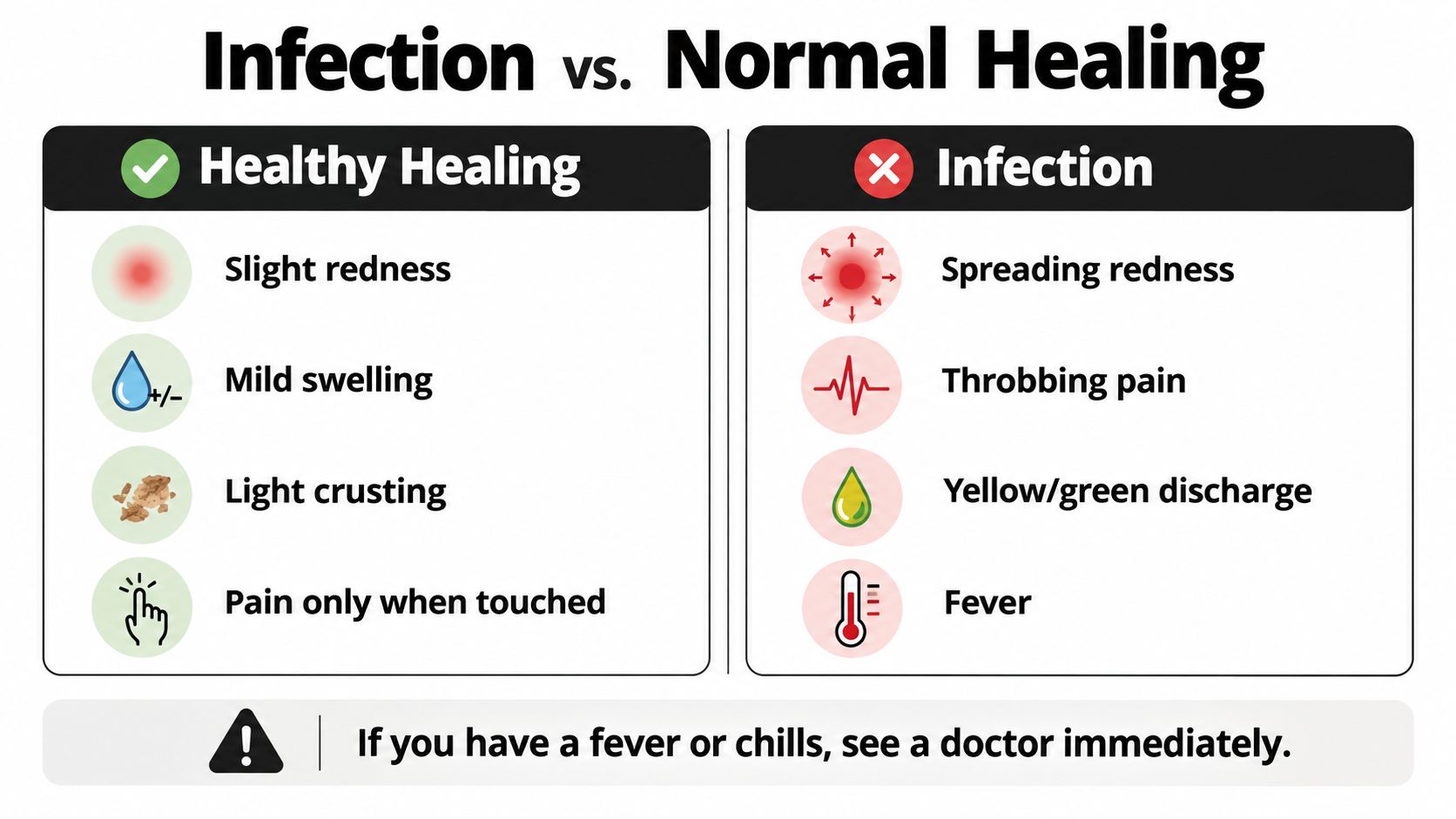
- Normal healing: Mild redness close to the piercing, slight swelling, light crusting, tenderness mostly when bumped
- Possible infection: Redness moving outward, swelling increasing, pain getting stronger, drainage that looks like pus
- Needs attention fast: Fever, feeling unwell, marked swelling, facial spread, or pain that seems out of proportion
Confusion here is normal. You're not supposed to know this by instinct. You just need a clear way to read what your piercing is doing.
Understanding Nose Piercing Healing and Why Infections Happen
A healing nose piercing is still a wound. That sounds obvious, but it helps. Some redness, mild swelling, and a bit of fluid or crusting can be part of your body doing exactly what it's supposed to do. The mistake people make is assuming that any redness means infection, or the opposite, assuming that “it's probably fine” when symptoms are clearly escalating.
What normal healing tends to look like
Early healing often includes a little swelling, some sensitivity, and light crusting around the jewelry. That's especially true if the piercing gets bumped by a towel, glasses, makeup remover, or your hand while washing your face. Healing tissue is fussy.
What you want to see is a general trend toward calmer skin, even if the progress isn't perfectly linear.
Why infections happen in this area
The nose has its own built-in challenge. Clinical data from a tertiary medical center reviewing 118 nasal vestibulitis cases found nose piercing listed as a documented risk factor in 5 cases, or 3.39%. In that same cohort, mid-facial cellulitis appeared in 78.81% and nasal vestibule abscess in 48.30%. Culture testing was performed in 33.33% of patients, and among those cultured, methicillin-sensitive Staphylococcus aureus was the most common isolate at 81.25%. The authors reported no complications in this admitted group and concluded that even complicated nasal vestibulitis requiring hospitalization had an extremely low risk of major complications (nasal vestibulitis clinical review).
That tells you two useful things:
| What the data suggests | What it means for you |
|---|---|
| Common skin and nasal bacteria are usually involved | A nose piercing infection usually isn't about some bizarre organism |
| Serious outcomes were uncommon in that admitted group | Most infections are manageable, but you still shouldn't ignore them |
Most people don't need to fear the worst. They do need to respect worsening symptoms.
Another easy-to-miss factor is host biology. Some people carry more staph bacteria in the nose than others. That doesn't mean you did anything wrong. It means aftercare matters, but your own skin and nasal environment matter too.
How to Tell if Your Nose Piercing Is Infected
People usually want a straight answer. You don't just want a symptom list. You want to know whether your piercing is in the normal healing zone, the irritation zone, or the infection zone.
A clinical review notes that nose piercing infections are influenced by local skin flora and by the anatomy of the nostril and septum, including staphylococcal colonization in the nose, which makes contamination easier. It also points to the biggest red flags as expanding erythema, purulent drainage, and increasing pain and swelling. Public-health guidance recommends urgent evaluation when redness spreads away from the piercing, pus appears, or pain becomes significant. For uncomplicated local infections, standard management includes local hygiene, warm compresses, and topical antibiotics such as bacitracin or mupirocin, while worsening cases may need systemic antibiotics and reassessment. It also notes that an infected nose piercing can show pain, redness, swelling, warmth, and thick yellow pus, and that home care commonly includes washing with soap and water at least twice a day, drying with a paper towel, and using a cold compress or an NSAID such as ibuprofen for discomfort (clinical review on body piercing infections).
Use the NHS-style check instead of guessing
The simplest way to sort this out is to ask whether symptoms are localized and easing, or spreading and intensifying. If you want a deeper breakdown, BodyCandy's guide on normal irritation or piercing infection is a helpful companion read.
A fast self-check looks like this:
-
Probably healing or mild irritation
- Redness stays close to the hole
- Soreness is mostly noticeable when touched
- Light crusting shows up but doesn't smell strongly
- The area looks annoying, but not progressively worse
-
Possible infection
- Redness is expanding outward
- The area feels warm
- Pain is increasing instead of easing
- Discharge is thick and yellow rather than light and crusty
-
More concerning
- You feel ill
- The swelling is pronounced
- The pain is significant
- The skin color looks dark or unusually angry
This quick video can also help you visualize what healthy healing should look like versus a problem that's escalating.
If redness starts traveling away from the piercing instead of hugging it, stop treating it like “just irritation.”
Proper Aftercare Routine to Treat and Prevent Infection
Once you've figured out what you're seeing, the next move is simple, gentle care. Not harsh care. Not ten different products. Just a consistent routine that doesn't beat up healing tissue.
Authoritative aftercare guidance recommends sterile saline solution at 0.9% sodium chloride cleaned twice daily, and Cleveland Clinic notes that store-bought sterile saline is preferred over homemade saline. If a piercing infection is getting worse, a clinical FAQ recommends a clean, warm, damp cloth for about 15 minutes, repeated four times in 24 hours, and advises getting medical care if swelling, skin-color changes, or pus and blood do not improve (aftercare guidance on saline and warm compresses).
The basic routine that keeps things calm
Use this as your baseline:
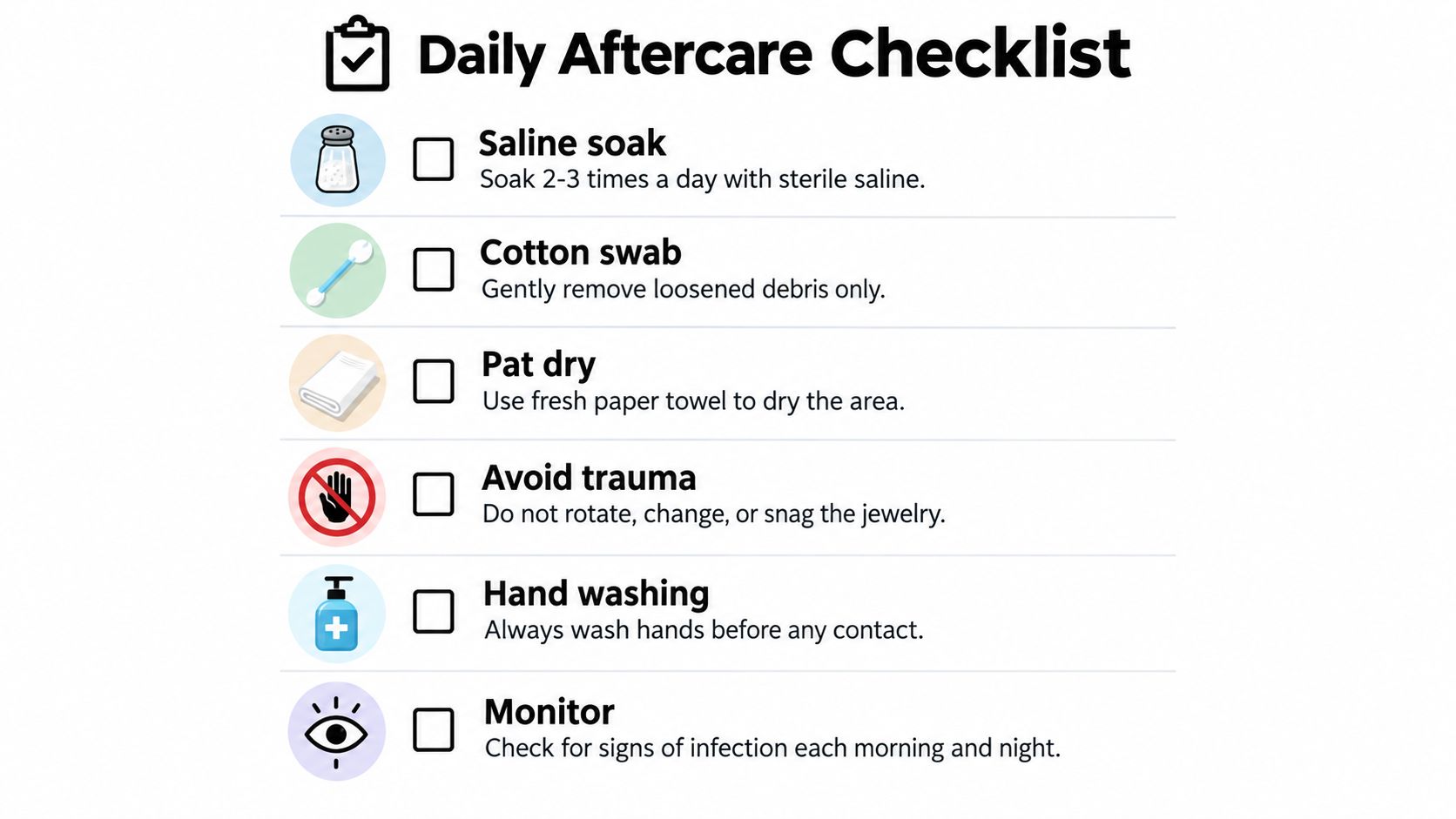
- Clean with sterile saline twice daily. Store-bought sterile saline is the simplest option.
- Pat dry gently. A fresh paper towel is better than a shared cloth towel.
- Leave the jewelry alone. Twisting and checking it over and over usually makes things worse.
- Use a warm moist compress if symptoms are worsening. Keep it clean, warm, and short-term.
- Watch the trend. Better is better. Bigger, hotter, and more painful is not.
What people do that backfires
A lot of irritation comes from overcorrecting.
- Too much touching: Even clean-looking hands can add bacteria and friction.
- Too much cleaning: More product doesn't equal more healing.
- Too much experimenting: If your piercing is already irritated, random DIY fixes usually add one more problem.
If you want a related read on soaking and cleaning methods, BodyCandy also has a guide to basic piercing care and sea salt soaks.
A small comfort plan for sore piercings
If the area is tender but not showing bigger red flags, try this:
| Situation | What to do |
|---|---|
| Mild soreness | Keep up saline care and avoid bumping the jewelry |
| Swelling that feels irritated | Use a cold compress for comfort |
| Symptoms that seem to be worsening | Add warm moist compresses and reassess closely |
| No improvement in appearance | Stop guessing and get it checked |
You do not need a dramatic routine. You need a calm one.
When to Seek Medical Help for a Nose Piercing Infection
Most nose piercing infections stay superficial. The problem is that the location can make the rare bad outcomes more serious than people expect.
Published guidance notes that the nasal area is vascular and connects with deeper facial venous drainage, which creates a higher-consequence pathway for uncommon invasive complications. Case literature has described severe outcomes including Staphylococcus aureus endocarditis with cerebral, renal, and splenic emboli after nasal septum piercing, and other reports describe cavernous sinus thrombosis following infected nose piercing. That same guidance says fever, facial swelling, neurologic symptoms, orbital pain, or failure to improve within 48 hours of appropriate aftercare should trigger urgent medical evaluation. Prevention guidance also emphasizes strict hand hygiene, single-use sterile needles, pre-piercing skin antisepsis with 70% isopropyl alcohol on intact skin, and avoiding piercings through visibly inflamed areas (professional piercing safety standards).
Don't wait on these symptoms
If you have any of the following, home care has done all it can do:
- Fever or feeling unwell
- Facial swelling
- Pain near the eye or orbit
- Neurologic symptoms
- Redness that keeps spreading
- No improvement within 48 hours of appropriate aftercare
That last one matters. If you've been doing sensible care and the piercing is still getting angrier, that's useful information.
Why timing matters
The nose isn't just skin on the surface. That's why “I'll just give it another week” can be a poor gamble when symptoms are clearly escalating. A problem that starts small can become harder to manage if you wait too long.
A persistent or spreading infection is not just a cosmetic issue.
Prevention starts before the piercing even happens
A lot of infection prevention happens at the studio, not just at home. Look for clean technique, single-use sterile needles, proper skin prep, and a piercer who won't work through obviously inflamed tissue.
Your aftercare matters. Their setup matters too.
Choosing Safe Jewelry Materials for Sensitive Skin
Once the angry phase has passed, jewelry becomes the next big factor. A lot of “my piercing is infected” situations are irritation made worse by poor fit, low-quality metal, or a style that moves too much for a healing nostril.
Materials that are usually easier on sensitive skin
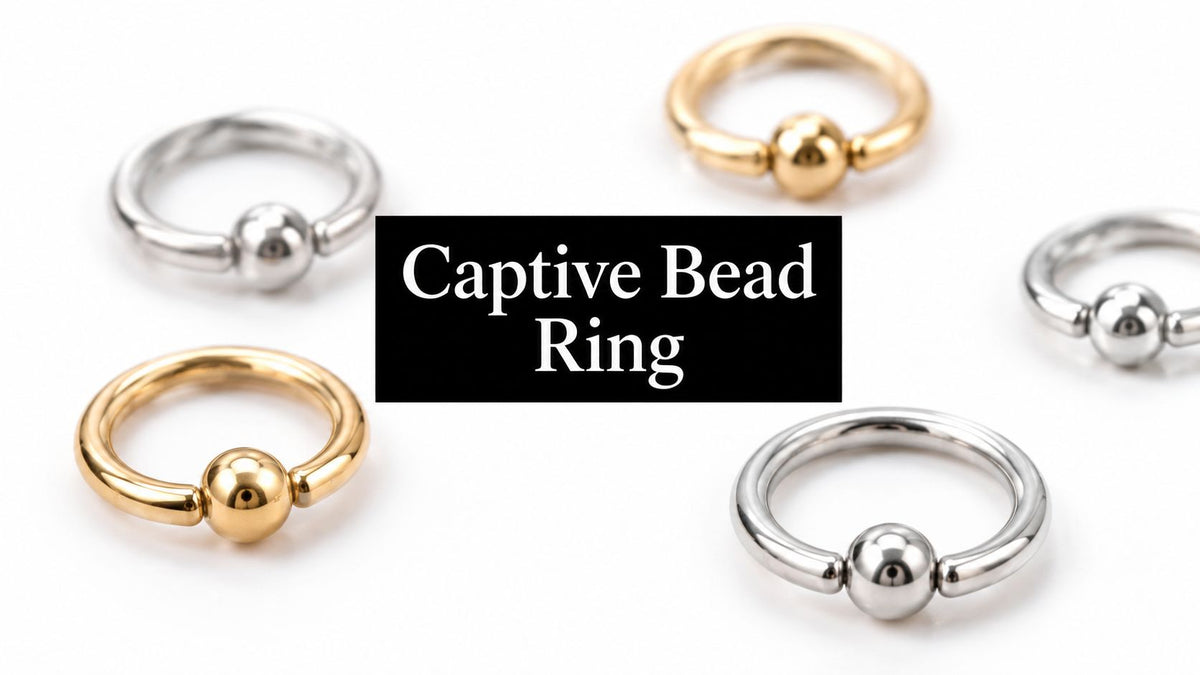
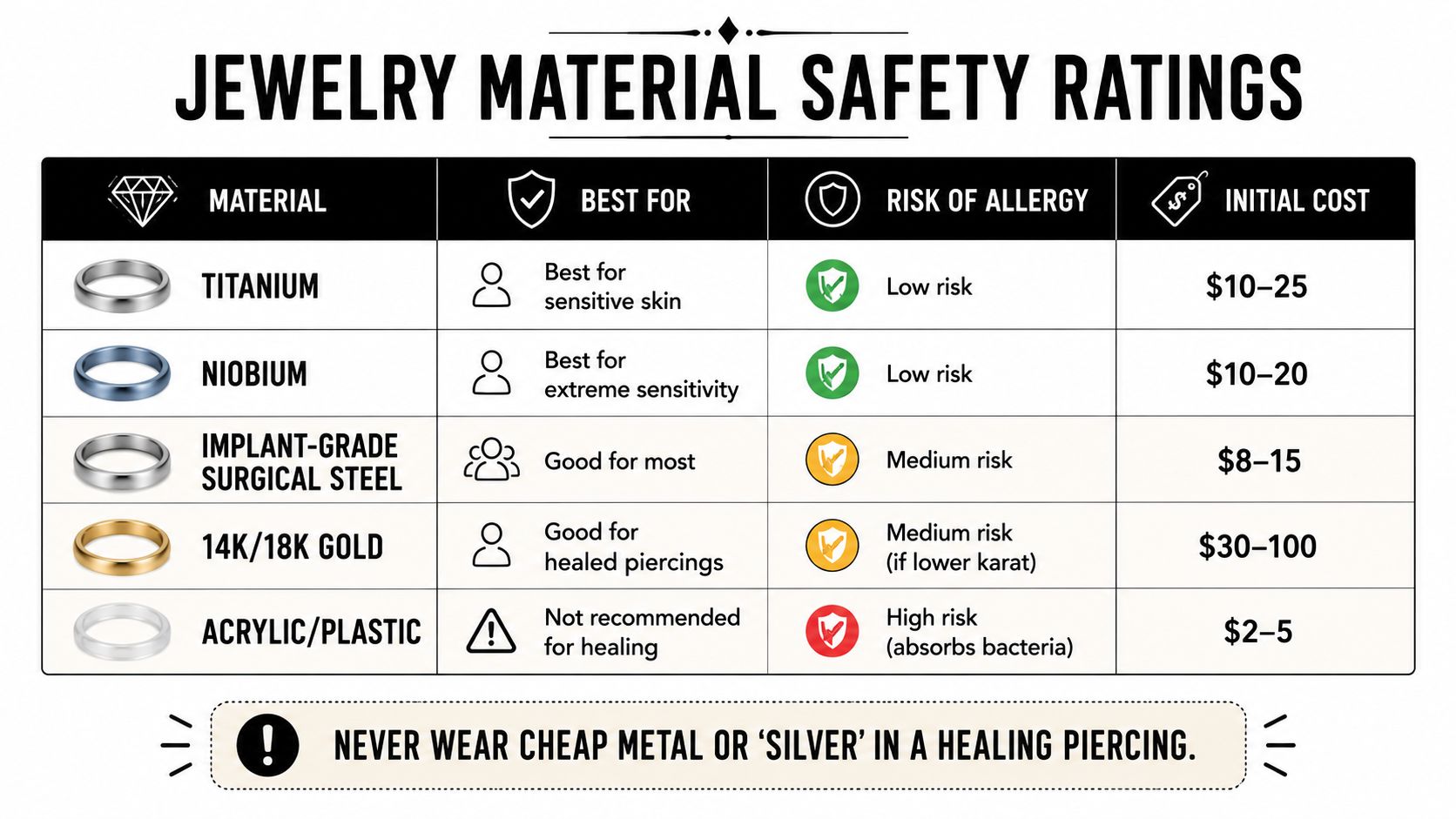
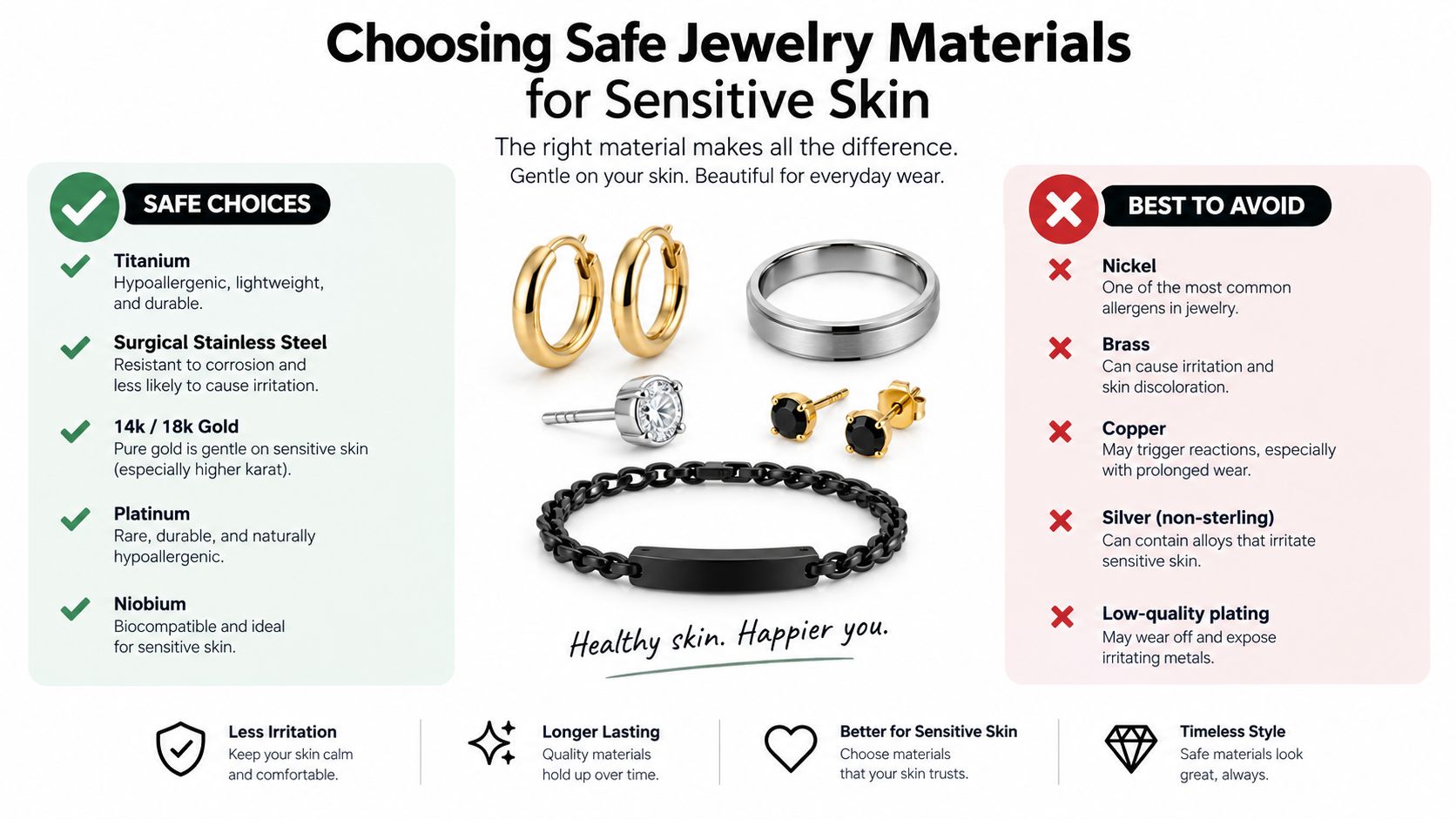
For sensitive skin, professional piercers often lean toward implant-grade titanium and niobium because they're widely regarded as easier for many people to tolerate. Surgical steel can work for some wearers, but not everyone reacts the same way to it. Gold can be a good choice too, depending on quality and whether the piercing is fully healed.
This visual is a handy cheat sheet.
A practical way to choose
Think about jewelry in three buckets:
-
Safer picks for sensitive skin
- Implant-grade titanium
- Niobium
- High-quality gold that's appropriate for body jewelry
-
Maybe fine, maybe not
- Surgical steel, especially if you're not sure how your skin handles it
-
Skip for healing piercings
- Mystery metals
- Tarnish-prone pieces
- Cheap decorative options that irritate the area
If you know your skin reacts easily, start boring. You can always get more adventurous later.
Fit matters as much as metal
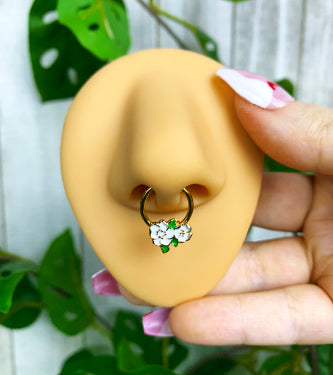
A nose stud that presses too tightly can create constant pressure. A hoop that moves too much can keep the channel irritated. Even good material can be annoying if the size or style is wrong.
If you're shopping with sensitivity in mind, BodyCandy has a useful read on hypoallergenic jewelry for sensitive skin.
A smart swap usually checks all three boxes:
| Question | Good sign |
|---|---|
| Is the material skin-friendly for you | Your skin stays calm instead of itchy or inflamed |
| Is the fit relaxed but secure | The jewelry isn't digging in or catching constantly |
| Is the style realistic for healing | Minimal movement, minimal fuss |
Jewelry should support healing, not test it.
If your nose piercing has been giving you mixed signals, the right jewelry and aftercare supplies can make the whole situation a lot less stressful. BodyCandy offers nose rings and body jewelry in a wide range of styles, including options that can help you avoid the irritation that often gets mistaken for infection. If you're ready to upgrade your look without picking a fight with your skin, it's worth a browse.