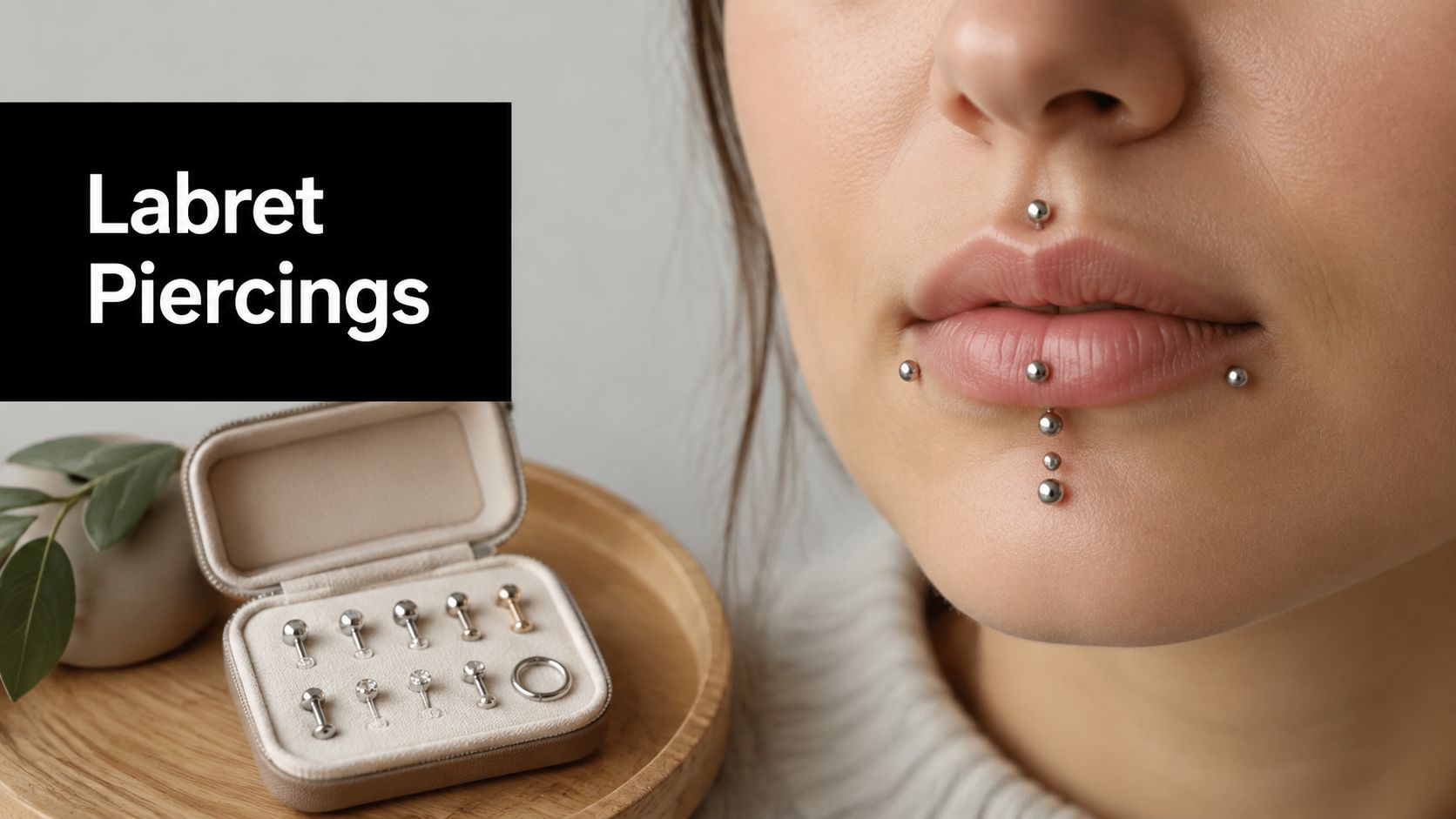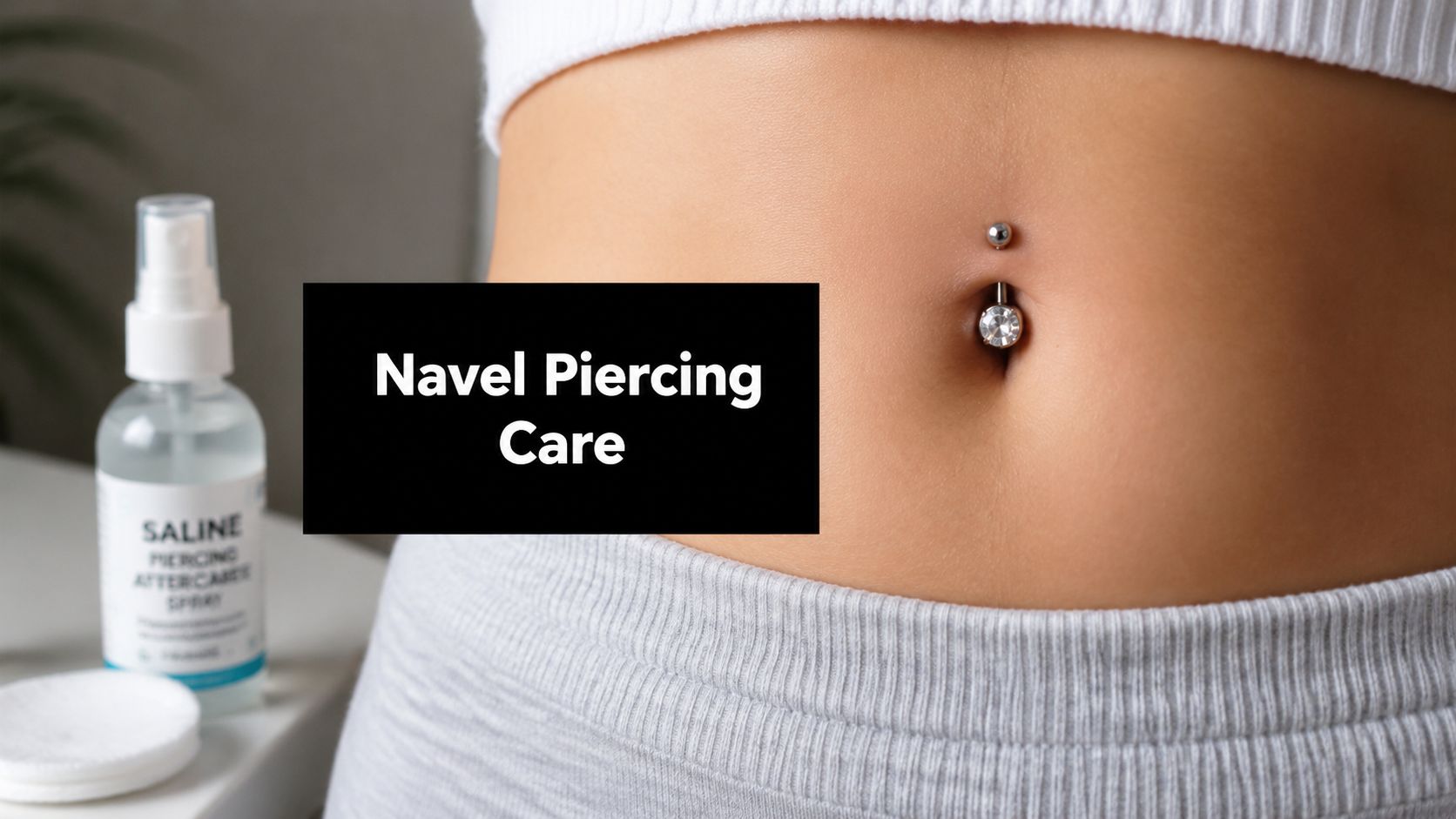



















You finally find the perfect hoop or barbell. It looks great, feels like an easy style upgrade, and then your piercing starts itching. A few days later, redness, swelling, or a rash has you removing the jewelry and wondering what went wrong.
The answer may be the metal, but not necessarily because the piece contains an allergenic element. Hypoallergenic jewelry metals are judged by how they behave against your skin, especially how much metal can escape during real wear. That distinction matters for fresh piercings, irritated skin, and jewelry you plan to wear every day.
Why Your Favorite Jewelry Might Be Betraying Your Skin
A customer once came into a piercing studio thrilled about a new decorative barbell. The piercing itself had been calm, the jewelry looked beautiful, and the fit seemed comfortable. Several days later, the area was hot, itchy, and puffy. She assumed the piercing had suddenly failed, but the more useful question was what the jewelry was releasing onto her skin.
That situation is frustrating because “hypoallergenic” doesn't mean reaction-proof. The term generally suggests that a product is less likely to trigger an allergy, but it doesn't tell you the alloy, the finish, the testing method, or whether the posts, backs, and threaded components use the same material. A vague label can hide a perfectly suitable metal, or a poorly made piece that creates problems as its surface wears.
Nickel has played the biggest historical role in jewelry sensitivity because it remains one of the most common contact allergens in Europe and North America. Prevalence is commonly reported around 10% of the population, with higher rates in women, and some European datasets place sensitization in 10% to 20% of adult women (nickel allergy and the European nickel directive). Ear studs and other jewelry inserted through pierced skin have been especially important because they can introduce nickel exposure at the point of initial sensitization.

Allergy, irritation, and infection aren't identical
Itching and redness can come from allergic contact dermatitis, mechanical friction, trapped moisture, harsh cleaning products, or an infection. Swelling, heat, discharge, spreading redness, or worsening pain deserves attention from a qualified piercer or healthcare professional rather than a quick metal swap.
Your skin also changes the jewelry. Sweat, water, lotions, pressure, and tiny scratches can affect the surface over time. A coating may wear through, a rough finish may create friction, or corrosion may increase exposure to ions. That's why choosing a material with a documented composition and release performance is more reliable than trusting a front-of-package adjective.
If you're dealing with sensitive skin, BodyCandy's guide to hypoallergenic jewelry offers another starting point. The most useful habit is to stop asking only, “Is this nickel-free?” and start asking, “What is this made from, and what does it release during wear?”
The Real Science Behind Metal Allergies and Nickel Release
Nickel is the central concern because the immune system can recognize nickel ions that migrate from a jewelry surface into the skin. The resulting reaction may look like itching, redness, bumps, or swelling, but the trigger isn't just the total amount of nickel inside the jewelry. The key variable is nickel release, meaning how much nickel reaches the skin under defined testing conditions.
Think of two pipes. One contains water but stays sealed, while the other has a slow leak. The water inside matters, but the leak determines what reaches the floor. An alloy can contain nickel while releasing very little of it, whereas a poorly finished or damaged piece can expose skin to more ions even if its marketing language sounds reassuring.
EN 1811 measures what reaches the skin
The European Union's REACH framework provides a practical benchmark for jewelry safety. Items intended for prolonged skin contact must release no more than 0.5 micrograms per square centimeter per week, while posts and other jewelry inserted into pierced body parts have the stricter limit of 0.2 micrograms per square centimeter per week (nickel-free metals and nickel-safe alloys).
The relevant test method is EN 1811. It exposes jewelry to artificial sweat for one week and measures nickel release in micrograms per square centimeter per week. BS EN 1811 specifically covers post assemblies inserted into pierced ears and other body parts, as well as articles designed for direct and prolonged skin contact (TÜV information on EN 1811 nickel-release testing).
That's why release-rate testing is more informative than a simple ingredient list. Nickel can be tightly held inside an alloy and remain below the applicable release threshold. Conversely, a coating failure, poor polishing, or surface wear can change a piece's real-world behavior.

Why “nickel-free” isn't the entire answer
Nickel-free jewelry removes one major concern, but it doesn't guarantee that every wearer will tolerate every alloy, finish, or component. Copper, certain gold-alloy ingredients, adhesives, rough surfaces, and cleaning residues can also cause irritation or an individual reaction.
The safer shopping question is two-part:
- Composition: What exact metal or alloy is used?
- Performance: Has the finished piece been tested for nickel release when relevant?
For a broader material overview, BodyCandy's body jewelry material guide can help you compare terminology before you buy.
Top Hypoallergenic Metals Ranked for Body Jewelry
No single metal wins every situation. A fresh piercing needs a clean, stable, well-finished material, while a healed lobe gives you more room to prioritize color, weight, and design. Your sensitivity history matters just as much as the product description.
| Metal | Composition | Nickel Release | Best For | Price Range |
|---|---|---|---|---|
| Implant-grade titanium | ASTM F136 Ti-6Al-4V ELI, nickel-free by specification | Very low when properly made and finished | Fresh piercings, long-term wear, reactive skin | Varies |
| Niobium | Elemental niobium | Nickel-free material | Decorative hoops, sensitive ears, anodized color | Varies |
| Implant-grade steel | ASTM F138 stainless steel, may contain nickel | Can remain below applicable limits when compliant and well finished | Healed piercings, durable everyday jewelry | Varies |
| 14k or 18k gold | Gold alloyed with other metals | Depends on alloy ingredients and surface condition | Healed lobes and established piercings | Varies |
Implant-grade titanium
ASTM F136 Grade 23 Ti-6Al-4V ELI is specified as nickel-free and is widely used for piercing jewelry where biocompatibility matters. Titanium also forms a stable passive oxide layer, which helps resist corrosion and ion migration in sweat and bodily fluids. One technical summary places ASTM F136 titanium below 0.01 micrograms per square centimeter per week in nickel-release contexts, well under the 0.2 micrograms per square centimeter per week piercing threshold (ASTM F136 titanium and sensitization considerations).
Titanium is lightweight, comfortable for larger pieces, and a strong starting point for fresh piercings. Its trade-off is a more limited natural color palette, although surface anodizing can add color without using a paint-like coating.
Niobium
Niobium is valued for its biocompatibility and nickel-free composition. It can be anodized in a range of colors, making it appealing when you want a more expressive hoop or curved piece without relying on a plated finish.
It's less common than titanium or steel, so availability can be narrower. For sensitive ears and decorative healed piercings, though, niobium offers a useful combination of comfort and visual variety.
Implant-grade steel
Implant-grade stainless steel can be durable, smooth, and highly resistant to corrosion. It may contain nickel, but the important question is whether the finished product meets the applicable nickel-release limit. That makes documented grade and testing more meaningful than the word “steel” alone.
Steel is heavier than titanium, which some wearers like for a substantial feel and others notice during long wear. It often suits healed piercings, especially when a wearer has tolerated compliant steel before.
High-karat gold
Gold is an alloy in most jewelry, so the karat alone doesn't answer every sensitivity question. 14k and 18k gold can be suitable when the alloy is selected for sensitive skin, but some white gold uses nickel, and lower-karat formulas can include more potentially irritating alloy metals.
Gold is best reserved for mature, stable piercings unless a qualified professional recommends otherwise. Ask for the alloy details, including whether the gold is nickel-free, and remember that plating can eventually expose the base metal underneath. For more context on titanium options, see this titanium body jewelry guide.
The Truth About Surgical Steel and Sensitive Skin
“Surgical steel” gets treated like a yes-or-no category, but it isn't that simple. Some surgical stainless steel contains nickel, yet a compliant alloy can still release very little nickel during testing. Independent jewelry guidance notes that 316L can be marketed as nickel-safe rather than nickel-free, with some sources reporting release below 0.2 micrograms per square centimeter per week (comparison of hypoallergenic jewelry materials).
The EU benchmark for prolonged skin contact is 0.5 micrograms per square centimeter per week, while piercing jewelry has the stricter 0.2 micrograms per square centimeter per week limit (guidance on hypoallergenic jewelry claims). Those limits focus on what leaves the finished surface, not just the percentage of nickel present in the alloy.

The label can be the weak link
The phrase “surgical steel” doesn't tell you whether the piece meets a specific implant-grade standard. Low-quality sellers may use the term for ordinary steel, plated metal, or an alloy with inconsistent finishing. A polished, well-made, documented piece and a mystery item labeled “surgical” shouldn't receive the same level of trust.
Look for a named standard such as ASTM F138, material documentation, and information about nickel-release testing. The finish matters too. Scratches, exposed seams, damaged plating, and rough threading can increase contact and create irritation even when the base alloy is appropriate.
Practical rule: Don't reject every nickel-containing alloy, and don't accept every product labeled surgical steel. Ask what grade it is and how the finished jewelry was tested.
Many professional piercers use implant-grade steel successfully, including for initial jewelry in suitable circumstances. Others choose titanium as their baseline for fresh piercings because it is nickel-free by specification and offers a wider comfort margin for clients with a known nickel allergy. If you've reacted to steel before, titanium is a sensible next conversation with your piercer, not an automatic diagnosis.
How to Choose the Right Metal for Your Piercing
Start with four questions: Is the piercing fresh or healed? How reactive is your skin? What can you comfortably spend? What will the jewelry face every day? Sweat, water, friction, cosmetics, and cleaning chemicals all affect how a piece performs.
Match the material to the situation
For a fresh piercing, prioritize implant-grade titanium or niobium over decorative finishes. A stable, nickel-free material reduces one common variable while the tissue is still vulnerable. Titanium is especially practical for facial, cartilage, navel, and other body piercings where long-term fit and corrosion resistance matter.
A healed piercing gives you more flexibility. Implant-grade steel may work for someone with moderate sensitivity who has tolerated it before, while a documented 14k or 18k nickel-free gold alloy suits someone who wants a warmer, traditional look. If you've had repeated reactions, don't use a cheap piece as a “test.” Choose a known material and change only one variable at a time.
| Metal | Best For | Sensitivity Level | Relative Cost | Key Consideration |
|---|---|---|---|---|
| Implant-grade titanium | Fresh and long-term piercings | High sensitivity | Moderate | Nickel-free by specification, lightweight |
| Niobium | Decorative healed pieces | High sensitivity | Moderate to higher | Color versatility through anodizing |
| Implant-grade steel | Healed everyday jewelry | Mild to moderate sensitivity | Lower to moderate | Verify grade and release testing |
| Nickel-free 14k or 18k gold | Healed lobes and established piercings | Mild to high, depending on alloy | Higher | Confirm the alloy, especially white gold |
Let lifestyle influence the choice
If your jewelry regularly meets sweat, water, or friction, choose corrosion resistance and a smooth finish before chasing a specific color. If you want bright colors, niobium's anodizing versatility can be useful. If you want a lightweight piece for sleeping or an active day, titanium often feels less noticeable than steel.
Put biocompatibility first while a piercing is healing. You can experiment with more decorative materials after the channel is calm and mature.
A metal change should be gradual and deliberate. Have a qualified piercer assess the fit, threading, and tissue before switching jewelry, especially if the piercing is painful, swollen, or producing discharge.
Certifications and Markings You Should Always Check
A trustworthy product description should name the material, not just call it “hypoallergenic.” That word doesn't provide enough technical information on its own. Standards give you something specific to verify, while marketing language asks you to take a shortcut.
The standards worth recognizing
- ASTM F138: This identifies implant-grade stainless steel used in applications where material quality and performance matter.
- ASTM F67: This covers commercially pure titanium used in relevant implant-grade contexts.
- ASTM F136: This identifies titanium alloy Ti-6Al-4V ELI, commonly called Grade 23 titanium, and is a key specification for implant-grade titanium jewelry.
- EN 1811: This is the nickel-release test method for jewelry intended for prolonged skin contact and for posts inserted into pierced body parts. It measures release in artificial sweat over one week (BSI's EN 1811 scope).
The product listing doesn't always include every marking on the jewelry itself. A reputable retailer should still be able to explain the grade and provide supporting documentation when asked.
Your shopping verification checklist
Before buying, check:
- Exact material name: Look for ASTM F136 titanium, ASTM F67 titanium, ASTM F138 steel, or a clearly identified gold alloy.
- Release information: Ask whether the finished jewelry was tested under EN 1811 when nickel release is relevant.
- Documentation: Request a mill certificate or material test report for an implant-grade claim.
- All components: Confirm that posts, backs, beads, clasps, and threaded parts use compatible, documented materials.
- Red flags: Treat “mystery metal,” “silver-tone,” “gold-tone,” and unsupported “hypoallergenic” claims cautiously.
A laser-etched marking can help, but a marking alone isn't proof if the seller can't explain the standard behind it. “Nickel-free” describes a material claim, not a complete safety certification, and it doesn't replace checking construction, finish, fit, or testing.
Find Your Perfect Hypoallergenic Match at BodyCandy
You don't need to memorize every alloy family to shop more safely. Focus on the habits that make the biggest difference: distinguish nickel content from nickel release, identify a recognized material standard, and choose jewelry that matches the age and location of your piercing.
For a fresh piercing or a history of strong reactions, implant-grade titanium is a practical first choice because ASTM F136 titanium is nickel-free by specification and forms a protective oxide layer. Niobium can add color flexibility, while compliant implant-grade steel may suit healed piercings when you know your skin tolerates it. High-karat gold can bring a classic finish to established piercings, but confirm that the alloy is nickel-free rather than assuming every gold piece is suitable.
BodyCandy offers body jewelry categories that include titanium and other material-specific options, so you can compare product details instead of shopping from a vague “hypoallergenic” label. Check the listed material and certification information, then contact the seller if a claim isn't specific enough to verify.
Sensitive skin doesn't mean your style has to shrink. It means you get to shop with a sharper eye, choose the right material for the job, and stop letting mystery alloys decide whether a new piece belongs in your rotation.
Explore BodyCandy's body jewelry selection for material-specific options, including pieces designed around implant-grade titanium and other hypoallergenic jewelry metals. Visit BodyCandy to compare styles, review product specifications, and choose your next piece with confidence.