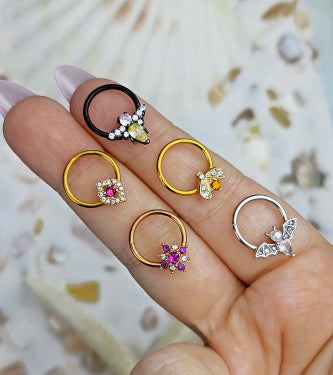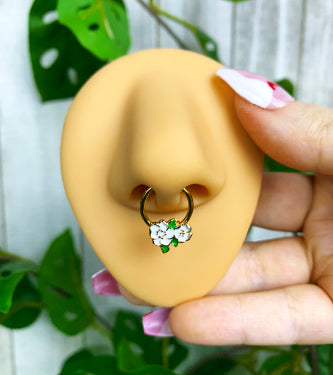




















Ever glanced at your favorite ring or belly ring and noticed a little "316L" stamped on it? If so, you've probably wondered what that string of numbers and letters actually means. Think of it as the seal of approval for awesome body jewelry. A 316l stainless steel ring comes from a specific, high-grade surgical steel that’s famous for being tough, affordable, and safe for almost everyone—even those of us with finicky, sensitive skin.
What Exactly Is 316L Surgical Steel?

So, let's break down what makes a 316l stainless steel ring so special. We'll skip the boring chemistry class and get right to what this blend of metals means for you and your piercing collection. At its heart, 316L is a type of stainless steel, which is an alloy made mostly from iron and chromium. The chromium is the real MVP here—it forms a super-thin, invisible shield that protects the metal from rust and corrosion.
But this isn't your average steel. The "316" tells you it has a secret ingredient, molybdenum, which kicks its resistance to corrosion into high gear. This is amazing for fighting off damage from things like sweat or saltwater. And that little "L" at the end? It just might be the most important part for your skin's happiness.
The 'L' stands for 'Low Carbon.' This is a huge deal because a lower carbon content makes the steel even more resistant to corrosion and irritation, especially after it's been worked into a cool new ring or barbell. It's the secret sauce that makes it so trustworthy for fresh and healed piercings alike.
Why Piercers Love This Metal
There's a reason why professional piercers almost always recommend 316L surgical steel. Its reliability for initial piercings is top-notch, helping you have a smooth, drama-free healing process. This material is so trusted, it's pretty much taken over the body jewelry world. In fact, 316L stainless steel makes up a massive chunk of all body jewelry sold globally, showing a huge shift toward pieces that are both tough and easy on the wallet. If you're curious, you can dig deeper into this trend by checking out a body jewelry market research report.
Here’s exactly why it’s a go-to choice:
- Biocompatibility: This is just a fancy way of saying your body is likely to be friends with it. It’s designed not to cause a reaction, which is super important for new or sensitive piercings.
- Non-Porous Surface: Unlike some materials, 316L steel has a perfectly smooth, solid surface. This gives nasty bacteria nowhere to hide, making your jewelry way easier to keep clean and hygienic.
- Strength and Durability: This stuff can handle the daily grind. It won't bend, scratch easily, or lose its incredible shine.
The Top 5 Benefits of Choosing 316L Steel
So, what's all the hype about? When you see piercing pros and jewelry lovers raving about a 316L stainless steel ring, it’s for some seriously good reasons. This metal isn't just a random choice; it's a total game-changer for your piercing collection.
Let's dive into the five biggest perks that make 316L steel a rockstar material for your body jewelry.
1. It's Tough and Incredibly Durable
First off, 316L steel is built to last. Think of it as the superhero of jewelry metals. It’s tough against scratches, dings, and bending, so you can rock your favorite rings, barbells, and hoops every single day without babying them.
Forget that awful feeling of a delicate ring getting warped or crushed. These pieces are made for your active life, which means your jewelry keeps its shape and looks brand new for years. It’s a smart buy for a piece that can handle everything from a mosh pit to a day at the beach.
2. Hypoallergenic for Happy Skin
Got sensitive skin? You're in luck. 316L steel is famously hypoallergenic, which means it’s specifically designed to keep allergic reactions at bay. The "L" in 316L actually stands for "Low Carbon," but a huge benefit is that it also contains very little nickel.
The nickel it does have is tightly bonded within the metal's structure. This is super important because it prevents the nickel from leaching out and bothering your skin.
For most people, even those with mild nickel sensitivities, this means no itching, redness, or irritation. It's the go-to material for fresh piercings for this very reason—it’s just plain kind to your body while it heals.
3. Resists Tarnish and Corrosion
One of the absolute best things about a 316L stainless steel ring is its power to stay shiny. Thanks to the chromium in its formula, it creates an invisible protective layer that fights off rust, tarnish, and all that gross stuff.
- No More Green Skin: Unlike cheap mystery metals that can leave that dreaded green stain, 316L steel doesn't react with your skin's natural oils or moisture.
- Totally Water-Friendly: You can shower, swim, and sweat without a second thought. Your jewelry won't lose its amazing luster. It stands up to saltwater and chlorine like a champ.
- Seriously Low-Maintenance: A quick wipe-down is pretty much all it takes to keep it looking brilliant. No special polishes or fancy cloths needed.
4. Affordable Style for Everyone
Building a killer jewelry collection shouldn't require a trust fund. 316L stainless steel gives you that high-end, polished look without the hefty price tag you’d see on gold or platinum.
This affordability means you can play around with different styles and jump on new trends without feeling guilty. Want to try a new septum clicker or grab a few different colored labret studs? With 316L steel, you can totally go for it.
5. Sleek, Modern, and Versatile
Last but not least, 316L steel just looks good. Its clean, silvery-white sheen is incredibly versatile and pairs perfectly with any outfit or personal style.
Whether your vibe is edgy and industrial, minimalist and chic, or bold and colorful, there's a stainless steel piece that will fit right in. It's the perfect neutral canvas for showing off who you are.
How 316L Steel Compares to Other Jewelry Metals
Feeling a little lost in the sea of jewelry metals? When you're staring at options like titanium, sterling silver, and all kinds of steel, it's easy to get overwhelmed. Let’s clear things up and put your 316L stainless steel ring head-to-head with the other big players in the body jewelry game.
We'll break down what really matters: how safe it is for your skin, how tough it is for daily wear, what it'll cost you, and how much work it takes to keep your bling looking amazing.
316L Steel vs Titanium
Titanium is the undisputed king for anyone with super sensitive skin or known metal allergies. You'll often hear it called "implant grade" because it's the same stuff surgeons use for medical implants. Why? Because it's 100% nickel-free and incredibly biocompatible. Your body basically doesn't even know it's there, which makes it the absolute best choice for fresh piercings or if you've ever had a bad reaction to other metals.
So what's the catch? Titanium usually comes with a higher price tag. A 316L stainless steel ring is way more budget-friendly and is still hypoallergenic enough for the vast majority of people. Think of it like this: 316L steel is your awesome, reliable daily driver, while titanium is the high-performance race car you bring out when you need that extra level of assurance.
Want to dive deeper into this premium metal? Check out our in-depth guide on everything you need to know about titanium body jewelry.
316L Steel vs Sterling Silver
Sterling silver (.925) is beautiful, no one can deny that! Its bright, classic shine is timeless. But when it comes to body jewelry, especially for piercings, it has some major drawbacks. It's a much softer metal, which means it scratches and bends pretty easily.
More importantly, it tarnishes when it's exposed to air and moisture. In a healing piercing, this tarnish can actually oxidize and cause permanent skin discoloration called argyria—a grayish stain you can't get rid of.
Because of its softness and tendency to tarnish, sterling silver is a big no-no for new or healing piercings. It's best saved for fully healed earlobes or for jewelry you only wear occasionally, not for a piece you plan to leave in 24/7.
A 316L stainless steel ring, on the other hand, is built tough. It won't tarnish, won't bend out of shape, and is made for constant wear—even in the shower or at the gym.
316L Stainless Steel vs Other Popular Jewelry Metals
Okay, that was a lot of info! Let's put it all side-by-side so you can see exactly how these metals stack up. This table breaks down the key features that matter most when choosing your next piece of body jewelry.
| Feature | 316L Stainless Steel | Titanium (Implant Grade) | Sterling Silver (.925) |
|---|---|---|---|
| Hypoallergenic | Yes, very low nickel content. Safe for most people. | Yes, 100% nickel-free. The safest option for sensitive skin. | No. Contains copper, which can cause reactions. |
| Durability | Very high. Resists scratches, dents, and corrosion. | Extremely high. Incredibly strong and scratch-resistant. | Low. Soft metal that scratches, bends, and tarnishes easily. |
| Good for New Piercings? | Yes, it's a safe and common choice for initial piercings. | The best choice, especially for sensitive individuals. | No. Can cause discoloration (argyria) and irritation. |
| Weight | Has a satisfying, solid feel. | Extremely lightweight, about 45% lighter than steel. | Heavier than titanium, but lighter than steel. |
| Price | Very affordable and budget-friendly. | More expensive, considered a premium material. | Mid-range, but price varies widely with design. |
| Maintenance | Very low. Easy to clean and doesn't tarnish. | Very low. Doesn't require special polishing. | High. Needs regular polishing to prevent tarnish. |
This comparison makes it clear: while titanium is the ultimate choice for sensitivity and sterling silver has its place for occasional wear, 316L stainless steel truly hits the sweet spot for everyday body jewelry.
This simple decision tree can help you quickly figure out which metal is best for your immediate needs.

Ultimately, your choice often comes down to balancing your skin's needs, your budget, and your personal style. For most piercing lovers, the 316L stainless steel ring offers an unbeatable mix of safety, strength, and affordability. It's the reliable workhorse that has rightfully earned its spot as a staple in every body jewelry collection.
Caring For Your 316L Stainless Steel Jewelry

One of the best things about rocking a 316L stainless steel ring is how incredibly easy it is to take care of. You can ditch the complicated cleaning routines and expensive solutions—this metal was made for real life. But even the toughest jewelry appreciates a little TLC to keep it looking fresh.
Following these simple steps will make sure your favorite BodyCandy pieces stay hygienic, shiny, and ready to show off. A few good habits are all it takes to protect that amazing gleam for years.
The Dos and Don'ts of Cleaning
When it's time for a quick polish, all you really need is some mild soap and warm water. A gentle wash with a soft cloth will wipe away any daily grime, lotions, or oils and bring back that brand-new shine. Seriously, it's that easy!
Pro Tip: Get into the habit of giving your jewelry a quick wipe-down after you wear it. Clearing away sweat and skin oils doesn't just keep it looking great—it also helps maintain its hypoallergenic qualities by keeping the surface free of anything that could cause irritation.
While this metal is super durable, there are a few things you’ll want to avoid to keep that finish looking perfect. Harsh chemicals are definitely a no-go.
- Avoid Bleach and Chlorine: Never let your jewelry soak in harsh stuff like bleach. If you're heading for a swim in a heavily chlorinated pool, it’s a smart move to take your ring off first.
- Steer Clear of Abrasives: Skip the old tricks like using gritty toothpaste or baking soda. They can cause tiny scratches on the surface that will dull the finish over time.
- Keep Away From Harsh Cleaners: This means no heavy-duty solvents or jewelry cleaners that aren't specifically made for stainless steel. Just stick to good old soap and water!
Smart Storage for Lasting Shine
Believe it or not, how you store your jewelry makes a big difference. To prevent scratches, it's always best to keep your 316L stainless steel ring separate from other pieces, especially anything with sharp gems. Just tossing it all into one big jewelry pile is asking for scuffs and dings.
A soft pouch, a fabric-lined box, or even its own little compartment will do the trick. This simple move stops your pieces from rubbing against each other and keeps that smooth, polished surface you love. For more tips on keeping your skin happy, check out our guide to hypoallergenic jewelry for sensitive skin.
Why 316L Steel Is a Smart and Sustainable Choice
Want awesome jewelry that’s easy on your wallet and the planet? Say hello to your new best friend: a 316l stainless steel ring. If you’re looking for style that actually lasts without a massive environmental footprint, this is your metal. It’s the perfect mix of quality, value, and doing the right thing.
Let’s be real, durability matters. One of the absolute best things about 316L steel is that it’s tough as nails. This isn't some piece of fast-fashion jewelry that breaks or turns your skin green after a couple of wears. Because it’s so strong and scratch-resistant, you’ll be buying new stuff way less often.
That incredible lifespan is what makes it a seriously eco-friendly choice. When you aren't constantly replacing your jewelry, it means less manufacturing, less shipping, and a whole lot less waste. A piece that can hang with you for years is a conscious choice to consume less.
A Choice That Feels Good
Going with 316L steel is more than just a style move; it’s a statement. Because it lasts so long, its environmental impact is way smaller compared to other materials that need frequent replacing. You can learn more about what makes certain metals better for the planet by checking out these insights on sustainable jewelry materials.
Think of it like this: every time you pick a durable 316l stainless steel ring over a flimsy, plated piece, you’re casting a vote for sustainability. You're choosing a piece that will be part of your story for a long time, not something that ends up in a landfill after one season.
Style That Doesn't Empty Your Wallet
Okay, let's talk budget. Being sustainable shouldn't mean you can’t afford to rock your own style. This is where 316L stainless steel is the real MVP. It gives you that high-end, hypoallergenic, and super-polished look at a price that lets you play around with your look without a single ounce of buyer's remorse.
Here’s why it’s such an amazing deal:
- Long-Term Savings: You’re not just saving a few bucks upfront. Since this stuff is built to last, you save a ton over the long run by not having to replace it.
- Go Wild with Your Style: The killer price point means you can build a whole collection. Go for that bold septum clicker you’ve been eyeing, or grab a few different hoops for your cartilage piercings without stressing your bank account.
- Quality You Can Feel: You get the look and feel of a much pricier metal. It's a total win-win for your look and your wallet.
Finding Your Perfect Ring at BodyCandy

Ready to find your new favorite piece of bling? Shopping for the perfect 316L stainless steel ring is all about getting the size and style just right. Think of us as your personal shopping guide to BodyCandy’s awesome collection of durable, stylish jewelry.
Let's get you set up for success so you can hit 'add to cart' with total confidence. Nailing the fit is your first step to rocking a new ring you'll absolutely love.
Nailing the Perfect Fit and Gauge
Getting the right size is everything, whether you're shopping for a snug new septum clicker or a dazzling belly ring. An ill-fitting piece isn't just uncomfortable; it can also irritate your piercing. No thanks!
To get started, you need to know your gauge (the thickness of the jewelry) and the diameter or length that works for you. Don't worry, you don't have to guess!
The easiest way to get your sizing right is to measure a piece of jewelry you already own and love. If it fits comfortably, use a ruler or caliper to measure its gauge and length. Jot these numbers down to make your next BodyCandy haul a breeze.
If you're ever unsure, our handy sizing charts are here to help. They’ll guide you to the perfect dimensions for any piercing, from your nose to your navel.
Finding Your Style
The world of stainless steel jewelry is exploding with amazing designs, and we're totally here for it. The global market was valued at USD 6.79 billion in 2024, and it's growing fast thanks to cool manufacturing tech that allows for more unique and custom pieces than ever before.
Here are a few hot trends for 2026 to inspire you:
- Minimalist Hoops and Rings: Clean, simple, and effortlessly cool. These are perfect for creating a curated ear stack or for a subtle, everyday look.
- Bold Statement Pieces: Think chunky chains, intricate designs, and eye-catching gems. A bold 316L stainless steel ring can be the centerpiece of your entire outfit.
- Annealed D-Rings: These are super versatile and comfortable, making them perfect for septum and daith piercings. You can learn more about these awesome pieces in our article about new annealed 316L surgical steel D-rings.
No matter your vibe, there’s a perfect piece waiting for you. Get your measurements, find a style that speaks to you, and get ready to shine.
Your Questions About 316L Steel Answered
Still have some questions buzzing around? We hear you. When you're picking out jewelry that's going to live in or on your body, you need to be 100% sure you're making a good choice.
We've rounded up the most common questions we get about the 316L stainless steel ring. Here are the straight-up, no-fluff answers you're looking for so you can feel awesome about your BodyCandy bling.
Can 316L Stainless Steel Turn Your Skin Green?
Let's just get this one out of the way first: absolutely not. That nasty green stain happens when metals like copper have a bad reaction with your skin's natural oils or the lotions you use.
Since 316L stainless steel is incredibly stable and resists corrosion, it doesn't oxidize and leave that weird green mark. You can rock your favorite 316L stainless steel ring knowing your skin will stay its natural color. No surprises.
Is It Safe For a Fresh Piercing?
For most people, yes! 316L surgical steel is a go-to in the piercing world for initial piercings. Its surface isn't porous, which makes it way harder for bacteria to hang out, keeping things clean and happy while you heal.
The only exception? If you know for a fact you have a severe nickel allergy, your piercer will probably point you toward implant-grade titanium. It’s completely nickel-free, making it the top choice for super-sensitive skin. But for the vast majority of us, 316L is a solid, safe, and reliable option.
Will My 316L Steel Ring Tarnish in the Shower?
Nope! Feel free to shower with your 316L steel jewelry without a second thought. This metal is a champ when it comes to handling water, soap, and sweat. It won't rust or tarnish on you.
Pro tip: While it's totally water-safe, giving it a quick rinse and patting it dry afterward is a good habit. This just helps prevent any soap scum or mineral buildup that might dull its shine over time.
Is It Good for People With Nickel Allergies?
This is a great question, and the answer isn't a simple yes or no. A 316L stainless steel ring does contain a very small amount of nickel. The crucial part is that the nickel is bound up tight within the metal's structure.
This unique composition keeps the nickel from "leaching" out and actually touching your skin. That's why it's considered hypoallergenic and why most people, even those with mild nickel sensitivities, can wear 316L steel without a single issue. If your allergy is severe, though, play it safe and stick with titanium.
Ready to find the perfect piece that’s as tough and stylish as you are? Dive into the BodyCandy collection and explore our huge selection of 316L stainless steel jewelry today