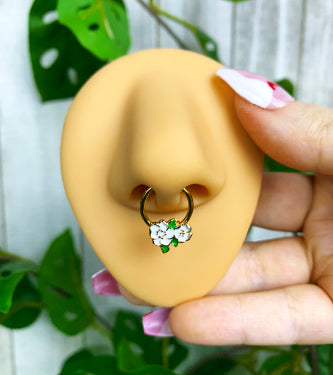




















Ever wondered what makes surgical steel the undisputed champ of the piercing world? If you've ever gotten a piercing, chances are you've worn it. For years, it's been the go-to material for both piercers and jewelry lovers, and for a super good reason. Think of it as the most reliable, stylish, and budget-friendly BFF for your body jewelry collection.
Your Ultimate Guide To Surgical Steel
So, what exactly is surgical steel jewelry? Let's break it down. At its core, it’s a specific type of stainless steel alloy—a special blend of metals engineered to be tough, shiny, and incredibly resistant to corrosion. Unlike that mystery metal ring that turned your finger green, surgical steel is formulated with key ingredients like chromium and molybdenum.
Think of chromium as your jewelry's personal bodyguard. It's the secret sauce that fights off rust and tarnish, keeping your pieces looking brand new, day in and day out.

This powerful combo makes it incredibly durable and safe for most people, which is why it’s trusted for everything from fresh piercings to your everyday favorites. Its popularity isn't just a trend, either. The stainless steel jewelry market was valued at over USD 2.6 billion in 2024 and shows no signs of slowing down.
Of course, surgical steel is just one of many awesome materials out there. To get the full tea, you should check out our deep dive into what metal body jewelry is made of.
The real magic of surgical steel lies in its perfect balance. It delivers the premium look and feel of more expensive metals without breaking the bank, making it a smart and stylish choice for your collection.
Understanding Different Surgical Steel Grades
When you're shopping for new body jewelry, you've probably seen little codes like "316L" stamped on the good stuff. That's not just random jargon—it’s a quality stamp that tells you exactly what you're putting in your body. Think of surgical steel grades like different recipes for a cake; each one has a slightly different formula and a unique purpose.
Not all steel is created equal, especially when it comes to your piercings. You really want the best of the best. While the world of surgical steel has a few different players, one grade stands out as the undisputed champion for body jewelry.
Meet 316L: The MVP of Body Jewelry
The most common and trusted grade you’ll find is 316L surgical steel. The "L" is super important—it stands for "low carbon." This little detail makes the metal extra resistant to corrosion and way less likely to cause irritation for your healing piercing.
This specific formula mixes in chromium, nickel, and molybdenum, creating a powerhouse alloy that’s incredibly durable and biocompatible. It’s the perfect material for everything from your very first piercing to the daily-wear favorites you never take out. Its unique composition is exactly why professional piercers who prioritize safety and quality reach for it time and time again.
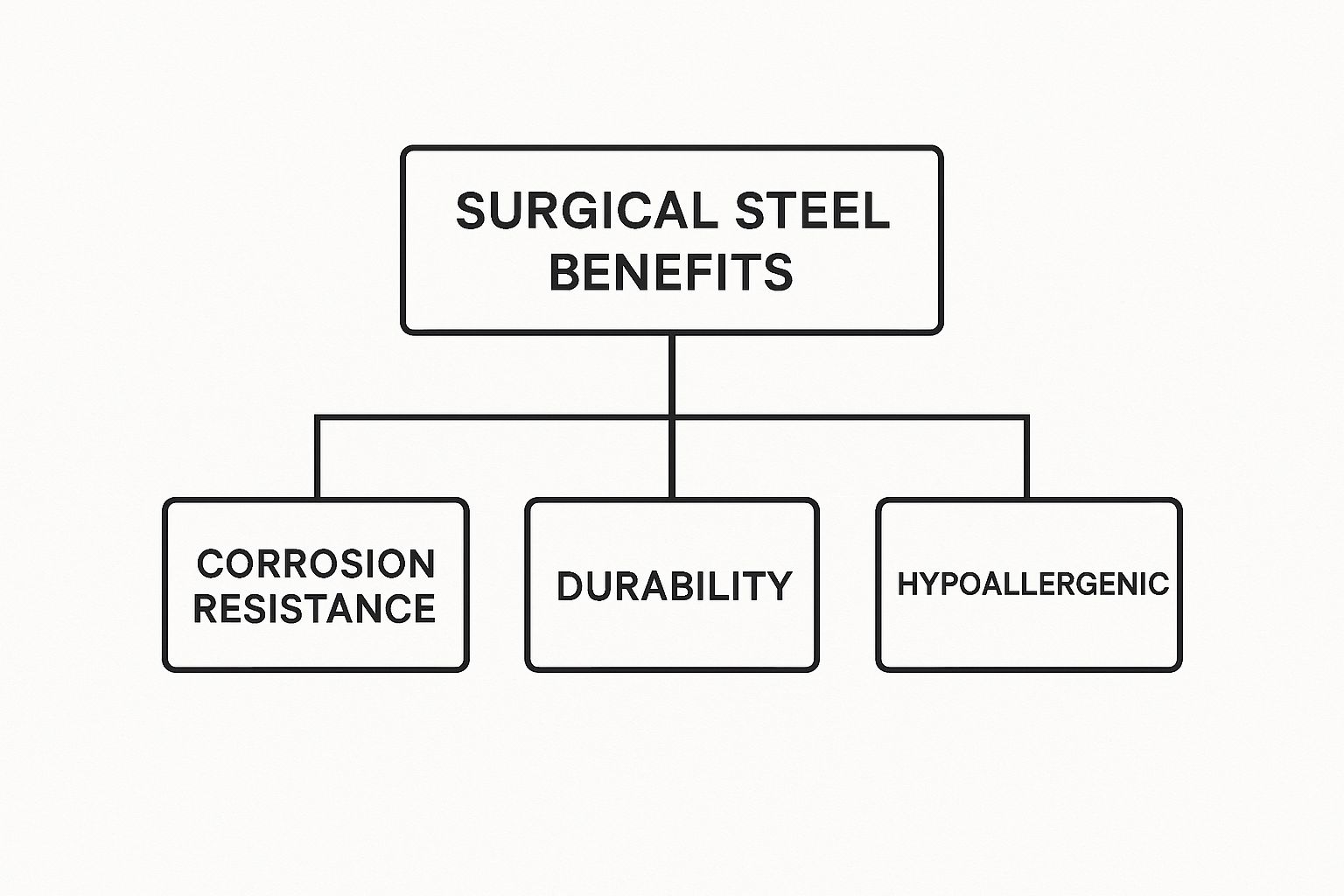
This simple breakdown shows how the metal’s ingredients directly lead to its key benefits for your piercing. So, what does this all mean when you're shopping? It means that looking for the 316L stamp is your shortcut to finding jewelry that’s tough, shiny, and, most importantly, safe.
The real secret to 316L's success is its low nickel-release rate. While it does contain nickel, the alloy is designed to hold onto it so tightly that it almost never comes into contact with your skin. This is amazing news for anyone with sensitive piercings.
This quality makes 316L a fantastic, body-safe option for the vast majority of people. If you're curious to see this awesome material in action, you can check out our annealed 316L surgical steel D-rings and other new arrivals. By choosing 316L, you're not just buying a cool piece of jewelry—you're making a smart, safe choice for your body.
Is Surgical Steel Really Hypoallergenic?
Okay, let's get into the big question everyone asks: is surgical steel jewelry actually hypoallergenic? You see that word plastered everywhere, but what does it really mean for your new piercing or your sensitive skin?
For most people, the answer is a resounding yes! But it's important to know what "hypoallergenic" actually means. It's not a guarantee against all reactions; it means "less likely" to cause one. The main troublemaker in metal allergies is almost always nickel—it's what causes that awful red, itchy rash you get from cheap, mystery-metal jewelry.
This is where the genius of 316L surgical steel comes into play. Yes, it technically contains a tiny bit of nickel. But the way the metal is forged creates an incredibly low nickel release rate.
Think of it like the nickel is locked away in a high-security vault. The alloy holds onto it so tightly that it almost never escapes to come into contact with your skin.
That’s the key difference between a quality piece of surgical steel and some random, cheap metal that leaves your piercing angry and irritated.
The Nickel Factor and Your Skin
Because it’s so safe and affordable, surgical steel absolutely dominates the body piercing jewelry world. It’s a huge market, valued at USD 3.64 billion in 2024 and still growing strong.
This super-low nickel release is exactly why 316L is considered body-safe and is trusted by countless people with sensitive skin. It lets you rock your favorite pieces with confidence, knowing you won't have to deal with an itchy, unhappy piercing later.
Want to learn more about keeping your sensitive skin happy? Check out our guide to hypoallergenic jewelry for a deeper dive.
The Top Benefits of Choosing Surgical Steel
So, what makes surgical steel jewelry the reigning champ for so many piercing lovers? It's not just the cute price tag. This material is packed with perks that make it a smart and stylish choice for your collection. Let’s break down why it’s a clear winner for everything from navel rings to industrial barbells.
One of the biggest deals is its incredible durability. Let's be real—life happens. Surgical steel is tough enough to handle your daily grind without scratching, bending, or losing its shape. It’s built to last, meaning you can rock your favorite pieces 24/7 without babying them.
A Shine That Lasts
Another huge plus is surgical steel’s amazing resistance to tarnish and corrosion. You know how some metals get dull or discolored over time? Not this one. Surgical steel keeps its brilliant, polished shine year after year. That means your jewelry will look just as stunning down the road as it did the day you got it, with almost zero effort from you. No endless polishing required!
This impressive performance has made surgical steel a cornerstone of the body piercing industry. In fact, the global body piercing jewelry market—which relies heavily on materials like surgical steel—was valued at USD 8.12 billion in 2024 and is only expected to grow. You can dive deeper into the market trends for body piercing jewelry if you're curious.
The real beauty of surgical steel is that it gives you the premium look and feel of pricier metals without the sticker shock. It's the perfect blend of luxury and practicality.
Finally, and this is a big one for piercing health, it's incredibly easy to clean and maintain. Keeping your piercings happy is priority number one, and surgical steel makes it simple. Its non-porous surface doesn’t give bacteria a place to hide, and a quick wash with gentle soap and water is all it takes to keep it sterilized and sparkling.
To help you see all the advantages in one place, we've put together a simple table.
Why Choose Surgical Steel?
Here's a quick breakdown of the key benefits of surgical steel jewelry for your piercings and everyday style.
| Benefit | Why It Matters for You |
|---|---|
| Exceptional Durability | Your jewelry can handle daily life without getting scratched, bent, or damaged. |
| Tarnish-Resistant | It stays shiny and new-looking for years without needing constant polishing. |
| Easy to Clean | A simple wash keeps it sterile, helping your piercings stay healthy and irritation-free. |
| Affordable Quality | You get a high-end, luxurious look that's friendly to your wallet. |
Ultimately, surgical steel delivers on all fronts: it's tough, looks great, is easy to care for, and won't break the bank. What's not to love?
How to Care for Your Surgical Steel Jewelry
One of the best things about surgical steel jewelry is how ridiculously low-maintenance it is. But even the toughest materials deserve a little TLC to keep them looking brand-new and sparkly. The good news? Caring for your favorite pieces is super simple and takes almost no time at all.
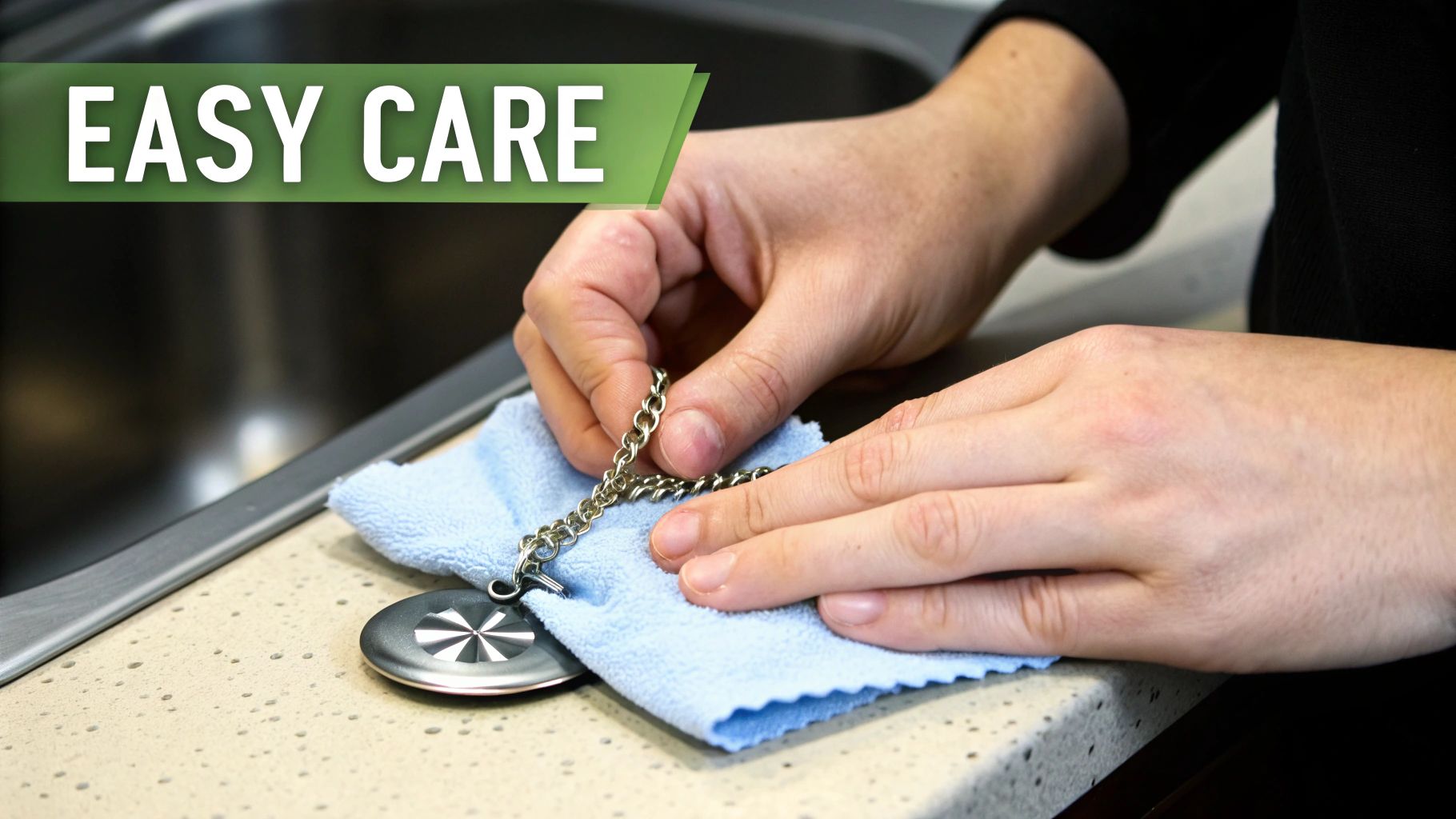
Forget about fancy jewelry cleaners or harsh chemicals—all you really need is some mild soap and warm water. A quick, gentle scrub is usually all it takes to remove any buildup and restore that brilliant shine. This easy routine is perfect for keeping your everyday pieces, like your go-to surgical steel belly rings, in pristine condition.
Simple Do's and Don'ts
To make things even easier, here’s a quick cheat sheet for keeping your surgical steel looking flawless for years to come. Following these simple tips will ensure your collection stays as stunning as the day you got it.
Pro Tip: For jewelry in a healing piercing, stick to the aftercare routine your piercer gave you. A sterile saline solution is your best friend until you're fully healed.
Do:
- Clean it regularly: A quick wash with gentle soap and water every few weeks keeps it sparkling.
- Dry it completely: After cleaning, use a soft, lint-free cloth to dry your jewelry thoroughly. This prevents water spots and keeps it looking polished.
- Store it properly: Keep your pieces in a soft pouch or a separate compartment in your jewelry box to avoid scratches from other jewelry.
Don't:
- Use harsh chemicals: Bleach, chlorine, and aggressive cleaners are a huge no-no. They can seriously damage the finish.
- Scrub with abrasive materials: Avoid using rough brushes or scouring pads that could easily scratch the surface.
- Forget about it: While it's tough, giving it a little attention here and there ensures it stays looking its absolute best.
Your Surgical Steel Questions Answered
Still have a few questions rattling around? No worries, we’ve got you! Think of this as your personal Q&A with a piercing pro who's seen it all. We've gathered the most common questions we hear about surgical steel jewelry to cut through the confusion.
Let's dive in and get you feeling totally confident about the jewelry you're putting in your body.
Can I Wear Surgical Steel Jewelry in the Shower or Pool?
Absolutely! One of the biggest perks of 316L surgical steel is its incredible resistance to corrosion. You can rock your favorite pieces in the shower without giving it a second thought.
When it comes to pools, it's generally fine for a quick dip. Just remember that pool chlorine can be harsh on any jewelry over time. It's always a good idea to give your jewelry a quick rinse with fresh water after you swim to keep it looking brand new.
While surgical steel is super tough, constant exposure to harsh chemicals like chlorine can eventually dull its shine. A quick rinse is the easiest way to protect your investment and keep that sparkle going.
Will Surgical Steel Turn My Skin Green?
This is a huge one, and for good reason—nobody wants that dreaded green smudge! The great news is that high-quality 316L surgical steel will not turn your skin green. That weird discoloration is usually a reaction between your skin’s natural acids and copper, an ingredient often found in cheap, low-quality jewelry.
Because surgical steel is specifically formulated to be non-reactive and fight off corrosion, you can wear it every day without worrying about any embarrassing green stains.
Is Surgical Steel Safe for a Brand New Piercing?
Okay, this one is a bit tricky, and the answer really depends on who you ask and how sensitive your skin is. For decades, 316L surgical steel was the undisputed go-to for initial piercings, and tons of people have healed up perfectly with it. It’s affordable, durable, and considered body-safe for most.
However, the piercing world is always evolving, and many top-tier piercers now recommend implant-grade titanium as the absolute gold standard for a fresh piercing.
- Surgical Steel: A fantastic and safe choice for the vast majority of people, especially once a piercing has fully healed. Think of it as the reliable workhorse of the piercing world.
- Titanium: This is the premium, safest bet for initial piercings. It's especially great for anyone with known metal allergies or super sensitive skin because it's 100% nickel-free.
Bottom line: surgical steel is a solid, safe choice for most people. But if you have a history of serious metal sensitivities, grabbing a titanium piece might give you that extra peace of mind while you're healing.
Ready to add some durable, stylish, and wallet-friendly pieces to your collection? At BodyCandy, we have a massive collection of high-quality surgical steel jewelry that’s perfect for expressing your unique style. Shop our full collection today at https://bodycandy.com and find your new favorite look