



















You've just left the piercing studio, admired the tiny barbell in every reflective surface, and then noticed a little redness around your navel. Now you're wondering whether you should clean it, leave it alone, sleep differently, or panic-search every symptom online. Take a breath. A fresh navel piercing needs patience, but most early surprises become much easier to manage once you understand what your body is doing and which everyday habits can cause trouble.
What to Expect Right After Your Navel Piercing
You walk out of the studio feeling thrilled, slightly tender, and responsible for a very small healing wound. During the first day or two, the skin may look pink or red, feel warm and sore, and swell around the jewelry. A small amount of bleeding can also happen soon after the piercing. Mild redness, swelling, tenderness, warmth, and light crusting can all fit within normal early healing, especially when they gradually settle rather than intensify. Cleveland Clinic's navel piercing guidance describes this early sensitivity as part of the recovery process.

The biggest mental adjustment is realizing that looking neat doesn't mean healing is finished. Your navel sits under clothing, bends whenever you sit, and can collect moisture, so the channel receives more daily friction than a simple earlobe piercing. That's why a piercing can appear calm on the surface while the tissue inside remains delicate.
Practical rule: Treat the jewelry as part of a healing wound, not as an accessory you can casually remove and replace.
What feels normal at first
Your piercing may feel tight when you bend, lightly throb after being bumped, or produce a small amount of clear or whitish fluid that dries into a crust. Don't pick at that crust with fingernails. Let saline soften it, then allow the loosened material to rinse away without forcing the jewelry through the channel.
A little tenderness after clothing brushes the area is different from pain that keeps worsening. Similarly, redness that stays close to the openings is less concerning than redness that expands outward. The direction of change matters more than one isolated glance.
When to contact someone
Call your piercer if the jewelry seems too tight, presses into swollen tissue, sits at an unusual angle, or catches repeatedly on clothing. A professional can assess placement and fit without encouraging you to experiment with a jewelry change at home.
Seek medical advice if heat, pain, swelling, discharge, or redness is escalating instead of easing. A non-sterile piercing can also transmit serious infections such as hepatitis or tetanus, which is why professional technique and appropriate medical care matter from the beginning. Healthline's clinical overview of belly piercing risks explains why the navel deserves extra caution.
The Navel Piercing Healing Timeline Explained
A navel piercing is a slow project. Cleveland Clinic places typical recovery at six months to a year, with some cases lasting as long as 18 months. WebMD also notes that a belly button piercing can take up to a year to heal, while pierced ears may heal in four to six weeks, making the difference easy to underestimate. Cleveland Clinic's recovery guidance and WebMD's belly button piercing overview both support treating the navel as a long-healing site.

The early inflammatory stage
During the first few weeks, redness, swelling, tenderness, and light crusting can come and go. Your body is sealing and rebuilding tissue around the jewelry, so a calm morning doesn't guarantee a calm evening. A waistband, sweaty workout, or accidental snag can make the area feel irritated again.
The early healing stage
Over the following months, discharge should generally become less noticeable and the piercing should feel less reactive. That doesn't make twisting, removing, or changing the jewelry safe. The channel is still developing from the outside inward, and disturbing it can create fresh irritation.
The maturation stage
As healing continues, sensitivity often decreases and the piercing may look more settled. Friction still matters, especially if a bar catches on clothing or the navel stays damp for long periods. A clinical review from the American Academy of Family Physicians connects waistband friction and skin maceration with delayed navel healing, migration, and secondary infection.
The final stabilization period
Some piercings need the longer end of the healing range, including up to 18 months, before the tract is fully stable. Don't use appearance alone as permission to remove the starter jewelry. If you're considering a shorter bar or a style change, let an experienced piercer inspect the site first.
The jewelry may look ready before the tissue is ready.
This long window also explains why aftercare must remain consistent for months rather than weeks. Patience protects the piercing from the familiar cycle of irritation, swelling, snagging, and renewed tenderness.
Your Daily Aftercare Routine for a Healthy Piercing
Good aftercare should be boring, repeatable, and gentle. Reputable piercing guidance recommends sterile saline cleaning about two to three times per day, while other professional instructions commonly use a twice-daily routine. Tremun's navel aftercare guidance recommends sterile saline and warns against harsh antiseptic products.
Start by washing your hands thoroughly. Spray or apply a sterile saline solution intended for wound or piercing aftercare, allow it to loosen dried material, and rinse away residue without scrubbing. You don't need to rotate the barbell. Turning jewelry through healing tissue can cause tiny tears and restart irritation.

Keep the routine gentle
Avoid rubbing alcohol, hydrogen peroxide, and strong antiseptic solutions unless a medical professional specifically tells you otherwise. These products can irritate new tissue and make the area drier, more sensitive, and slower to settle. Antibiotic ointments can also trap moisture and aren't a substitute for medical evaluation when infection is suspected.
After showering or cleaning, pat the area dry with a clean disposable paper towel. Fabric towels can catch on the barbell or carry residue from previous use. If crusting remains, repeat a gentle saline application later rather than scraping it off.
Shower smart
Regular showers are usually easier on a fresh piercing than prolonged soaking. Keep shampoo, conditioner, body scrub, and fragranced products away from the openings, rinse thoroughly, and dry carefully afterward.
A useful routine looks like this:
- Wash first: Clean your hands before they go anywhere near the jewelry.
- Use sterile saline: Follow the product directions and keep the application gentle.
- Leave the jewelry still: Don't twist, spin, pull, or test its movement.
- Dry without friction: Pat, rather than rub, the navel.
- Keep the jewelry in place: Removing it during healing can allow the channel to close or trap drainage.
The goal isn't to make the piercing spotless every minute. It's to remove surface buildup while leaving the developing tissue undisturbed.
Everyday Habits That Secretly Sabotage Navel Healing
The problem usually isn't one dramatic accident. It's the same waistband pressing on the bar every day, a towel catching after a shower, or a workout that repeatedly folds the navel against sweaty fabric. Navel piercings heal slowly because the area experiences constant movement, pressure, friction, and moisture. The American Academy of Family Physicians review identifies clothing friction and skin maceration as important reasons healing can be delayed.
Clothing is part of your aftercare
High-waisted jeans, tight leggings, belts, and firm shapewear can push directly against the jewelry. That pressure may cause persistent tenderness even when your cleaning routine is perfect. Choose soft, breathable clothing that leaves the barbell undisturbed, especially during the early months.
Loose clothing isn't about hiding your style. It's about removing repeated mechanical stress while the channel matures. If a waistband lands directly over the piercing, change the outfit rather than hoping your skin will “get used to it.”
Sleep and movement need small adjustments
Stomach sleeping puts pressure on the jewelry for hours at a time. Try sleeping on your back or side, and pay attention to blankets and pajamas that can snag the barbell when you turn.
Exercise can continue only when the activity doesn't repeatedly rub, compress, or pull the piercing. Core work, heavy lifting, floor exercises, and movements that fold your abdomen may irritate the area. Choose clothing that keeps the navel covered without pressing on it, clean after sweating, and pause any exercise that causes sharp pain or repeated catching.
Water exposure and snag hazards
Pools and hot tubs expose an open healing piercing to shared water and chemicals. Avoid submerging the area while it's healing, and take extra care with loofahs, washcloths, towels, and loose clothing threads.

If an activity repeatedly presses, catches, or soaks the piercing, modify the activity before you modify the jewelry.
These small choices reduce irritation during the long epithelialization period, when the piercing can look healthy but still react badly to routine trauma.
Normal Healing vs Real Complications
A fresh piercing can look imperfect without being infected. Mild redness, modest swelling, tenderness, warmth, occasional bleeding, and clear or whitish discharge may occur during healing. The safer question is whether symptoms are stable or gradually improving, rather than whether the piercing looks completely untouched.
Use the direction of symptoms as your first filter
| What you notice | What it may suggest | What to do |
|---|---|---|
| Mild tenderness or limited redness | Normal irritation or healing | Reduce friction and continue gentle saline care |
| Crusting or light clear discharge | Normal healing fluid | Soften with saline and don't pick |
| Itching with a rash around the jewelry | Possible allergic contact dermatitis | Contact your piercer and discuss the jewelry material |
| A firm raised bump | Possible hypertrophic scarring | Ask a piercer or clinician to assess it |
| Jewelry appearing closer to the surface | Possible migration | Stop pressure and arrange a professional assessment |
| Increasing heat, worsening pain, foul-smelling yellow or green discharge, or spreading redness | Possible infection | Seek medical review promptly |
The CIEH body and surface piercing aftercare guidance distinguishes expected irritation from warning signs that need escalation. Don't squeeze bumps, remove jewelry to “let it breathe,” or apply leftover medication without professional advice.
Know who should help
A piercer is the right person to assess jewelry fit, placement, snagging, material concerns, and possible migration. A clinician should evaluate escalating heat, worsening pain, spreading redness, or unpleasant yellow or green drainage, particularly if you feel unwell.
Infections aren't the only complication. Allergic contact dermatitis can look like persistent irritation around the metal. Hypertrophic scarring creates a raised area, while migration changes the jewelry's position or leaves thinner-looking tissue over the bar. Those problems can overlap, so guessing from a social media photo isn't reliable. For a deeper symptom overview, use BodyCandy's guide to belly piercing problems alongside advice from your piercer or healthcare professional.
Choosing the Right Jewelry for Your Fresh Piercing
Starter jewelry has a job beyond looking cute in the mirror. It needs to give swollen tissue enough room, minimize unnecessary weight, and remain made from a material your body can tolerate during a long healing period.
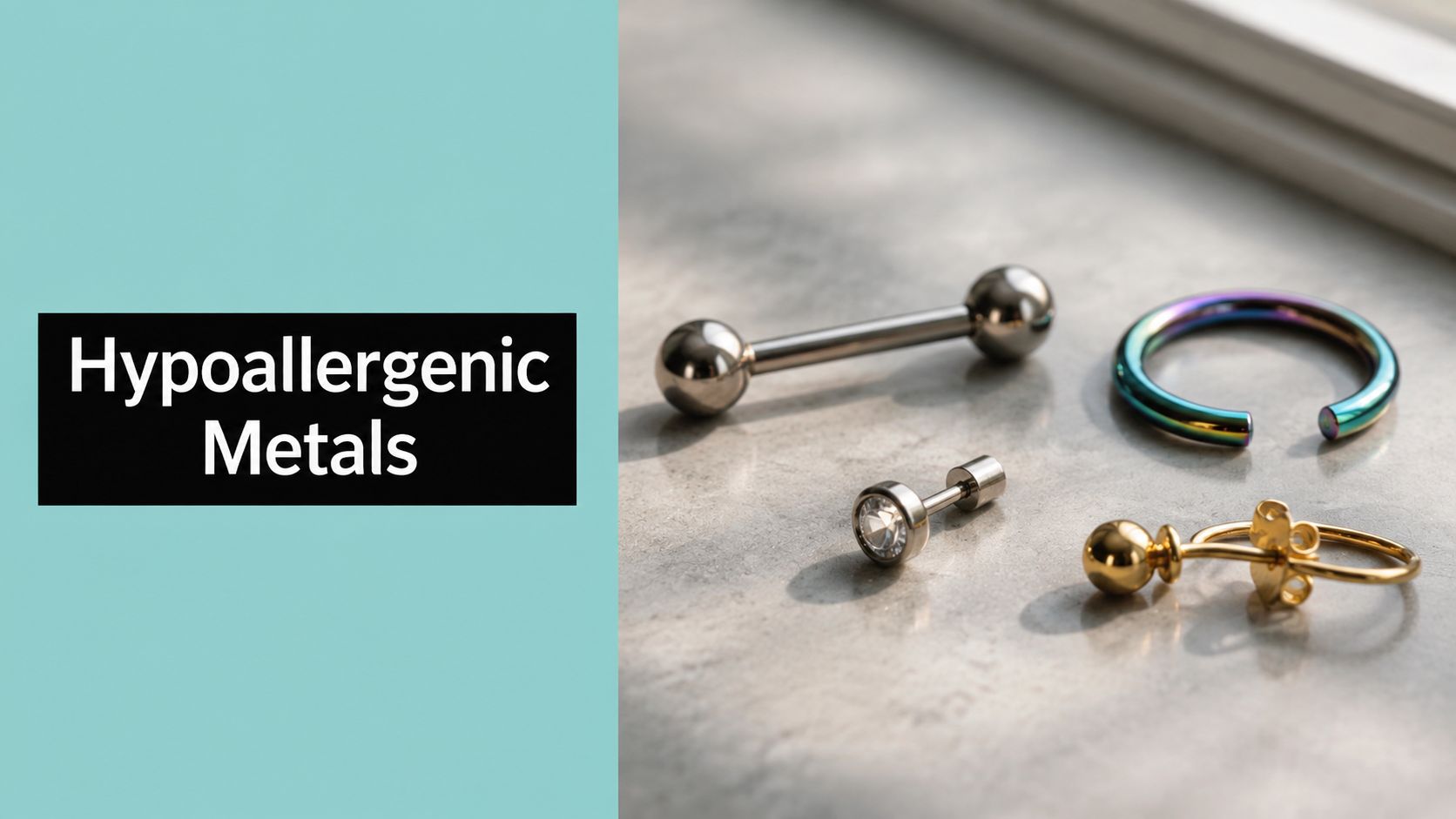
Implant-grade titanium is the strongest initial choice described in professional-piercing guidance. ASTM F-136, Grade 23 titanium is biocompatible, lightweight, corrosion resistant, and generally nickel-free, which helps reduce avoidable irritation and allergic sensitization. This material guide for navel jewelry explains why titanium is commonly selected for new piercings.
Compare the common options
Gold-plated jewelry can wear through at the surface, exposing an underlying alloy to healing tissue. Acrylic and lower-grade metals may create irritation or sensitization risks, particularly while the piercing remains vulnerable. That doesn't mean every decorative piece is unsuitable forever, but the healing stage isn't the time to gamble on uncertain materials.
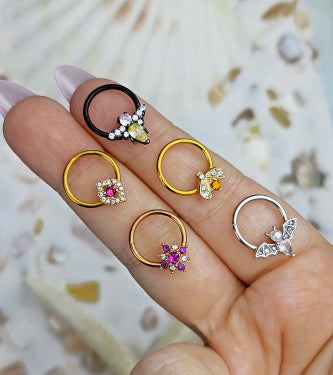
Choose jewelry with documented material specifications from a reputable seller. BodyCandy offers navel jewelry and body-safe options for people who want to plan a future style change, but a decorative upgrade should wait until a professional confirms that your piercing is ready.
Fit matters as swelling changes
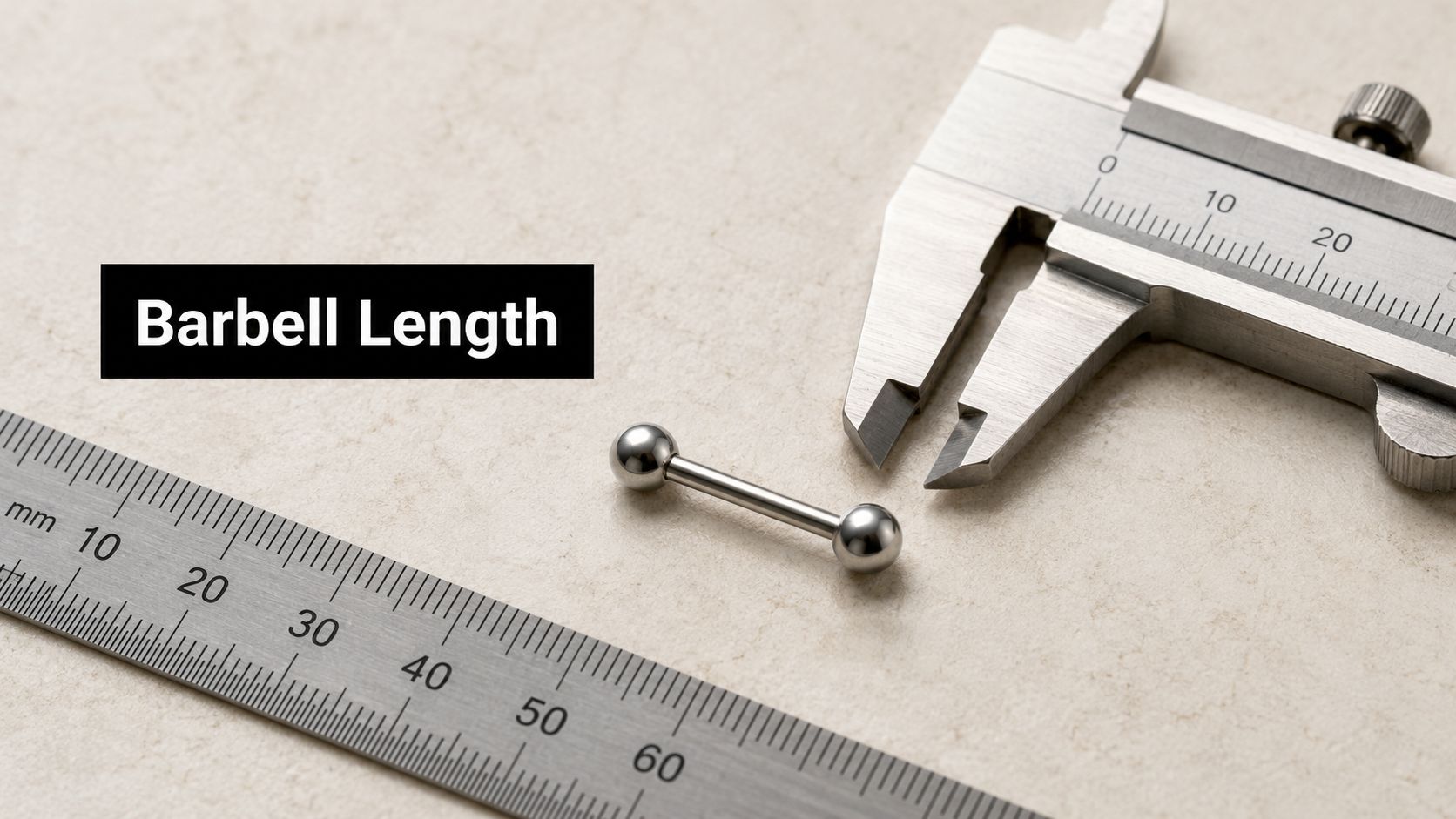
Initial navel jewelry is commonly 14G, with a longer starter bar such as 7/16 inch to accommodate expected swelling. Once healing has stabilized, many people move to 3/8 inch, which is about 10 mm. These sizing references come from BellyCool's belly ring size guide.
Don't downsize just because the bar looks long. Excess length can catch on fabric, but a bar that's too short can press into swelling and create its own problems. Have your piercer check the tissue, angle, and remaining space before changing it.
For style ideas and a practical breakdown of materials and measurements, see this navel ring styles, materials, and sizing guide.
Your Path to a Fully Healed Navel Piercing
A waistband can rub the same tender spot all day, and sleeping face-down or bending during exercise can keep restarting irritation. Healing improves when these small pressures are removed. Wash your hands, use sterile saline gently, dry without rubbing, leave the jewelry in place, and choose clothing that leaves the navel uncompressed.
Mild tenderness and limited crusting can fit normal healing. Increasing heat, worsening pain, foul-smelling yellow or green discharge, or redness that spreads points to a problem needing medical attention. Ask your piercer to check the jewelry's fit or possible migration. Social media posts or Reddit threads should not persuade you to ignore symptoms that are getting worse.
Before changing jewelry, have an experienced piercer inspect the piercing. Once they confirm it is ready, BodyCandy's video guide to changing a belly button ring explains the basic process. It does not replace an in-person assessment when tenderness or instability remains.
BodyCandy also offers navel jewelry and body-safe options for a later style change. Wait to browse for an upgrade until your piercer says the tissue is ready.