












You're holding your old belly ring in one hand, looking at a belly button that has changed shape, and wondering whether the piercing can come back too. Maybe the jewelry came out during pregnancy. Maybe it stayed in but now sits at an angle. Or perhaps the hole looks stretched, irritated, or unfamiliar.
Belly button piercing after pregnancy isn't governed by one universal date. Your piercing's age, how it healed, how your abdomen changed, whether you had a C-section, and whether the site is calm or irritated all matter. The safest approach is patient, practical, and a little less focused on forcing your old jewelry to fit.
Why Timing Is Everything for Your Navel Piercing
Maya found the temptation while sorting postpartum clothes. Her curved barbell had been out for months, and the opening looked ready to welcome it back. She guided the jewelry toward the hole, met resistance, and stopped. Good call. A piercing can look open on the surface while the channel underneath has narrowed, become tender, or shifted after stretching.
Navel piercings heal slowly. The Association of Professional Piercers says healing can take six months or longer in its piercing FAQ. An American Academy of Family Physicians review puts healing at up to nine months (AAFP body piercing complications review), while another medical overview estimates about nine months to one year for full healing (WebMD's belly button piercing guidance).
Pregnancy may overlap with that whole recovery period. Immune changes can slow healing, and an expanding abdomen can add stretching, pressure, and friction around the jewelry. A newer piercing may still be fragile when pregnancy begins, so the channel can need patience even if the outside looks settled.
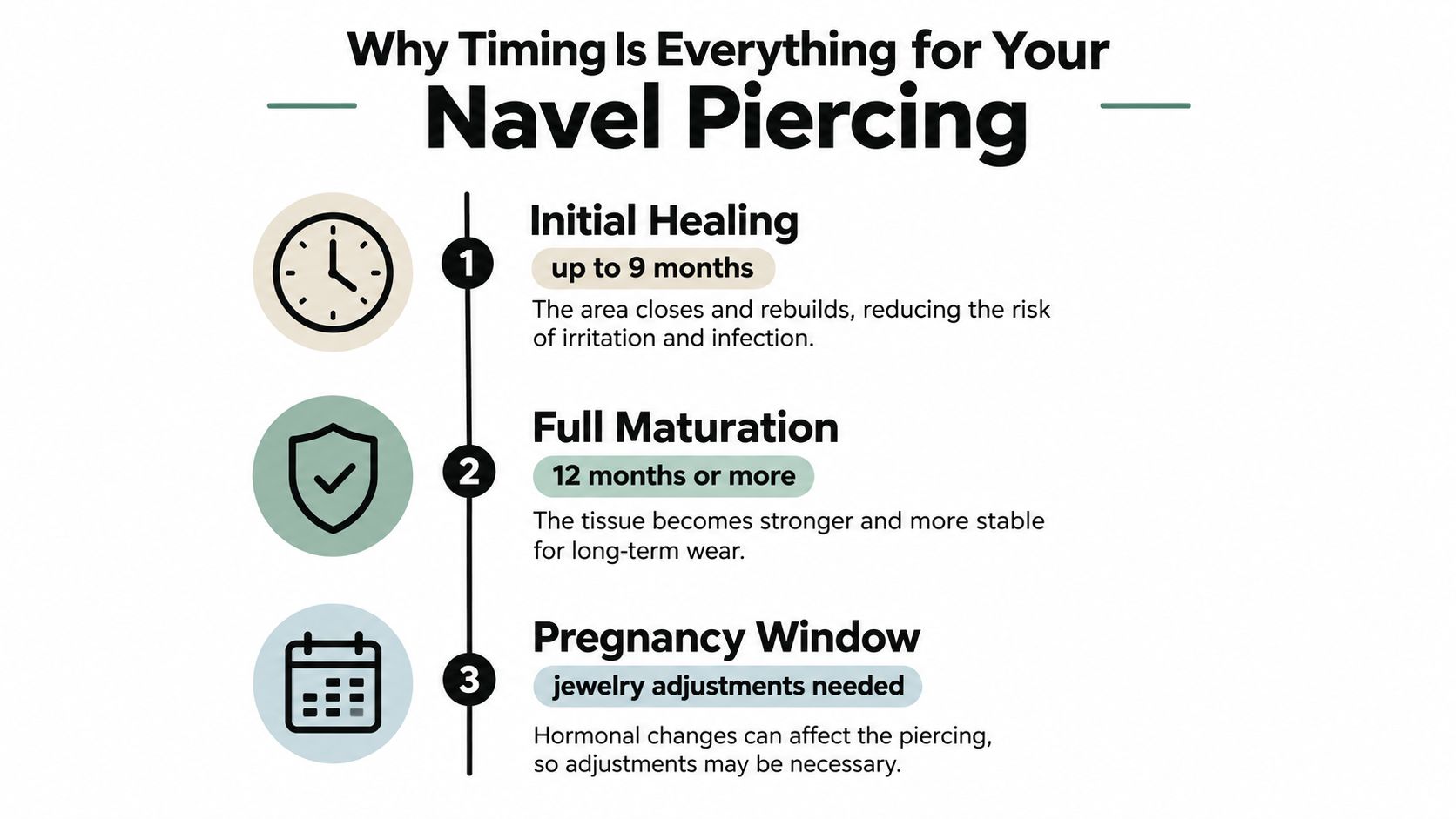
After birth, the clock keeps ticking. Your abdomen does not instantly return to its former shape, and the skin, tissue, and piercing channel may remain tight, soft, puffy, or sensitive. Waistbands and clothing can still rub the opening, even after pregnancy ends.
The waiting period depends on what you want to do. One medical overview recommends waiting at least three months after delivery before getting pierced again, allowing the immune system time to move toward its usual state. For reinserting existing jewelry, guidance ranges from at least six weeks postpartum to three to six months, with medical clearance advised after a complicated recovery (The Bump's pregnancy piercing guidance). Reinsertion and re-piercing are different decisions. A calm, open channel might accept properly fitted jewelry, while a narrowed or migrated channel may need a piercer's assessment first.
Practical rule: Let the calendar suggest a starting point. Let calm skin and a professional assessment decide what happens next.
Managing an Existing Piercing Through the Nine Months
A waistband catches your navel jewelry, the skin feels pinched, and a once-comfortable bar leaves a mark. Treat those changes as an early warning, not a challenge to endure.
If your piercing was fully healed before pregnancy and remains comfortable, you may be able to keep it for a while. The key word is comfortable. A ring that pulls, catches on clothing, or presses into your skin is telling you the fit has changed.
As your abdomen expands, the navel may flatten, stretch, or shift direction. A bar that fit at conception can become too short by the third trimester, creating pressure and friction that may encourage irritation, scarring, or migration. Before marks appear, ask a qualified piercer whether a longer or flexible piece would fit better.
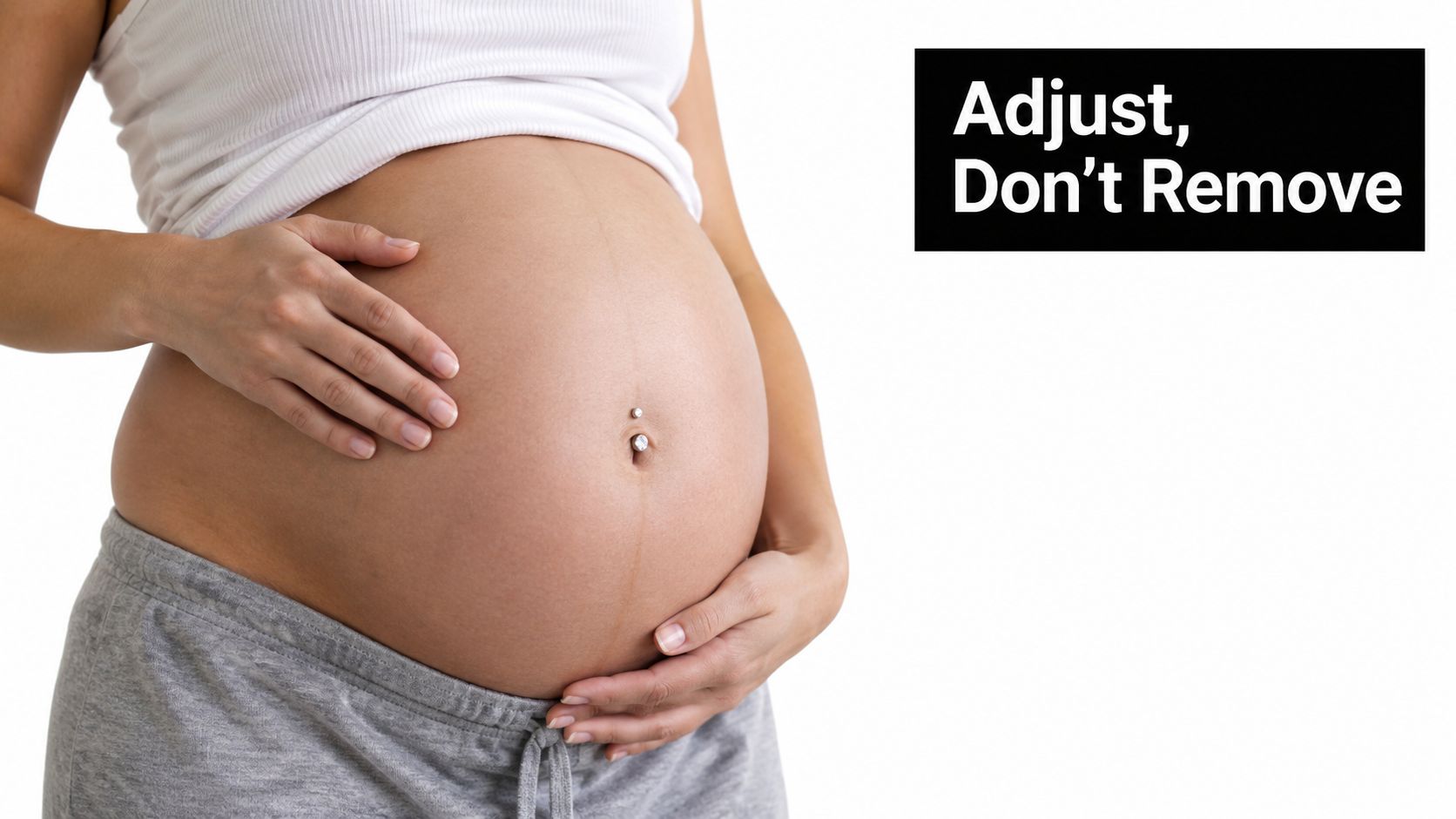
Keep it only if the skin agrees
Your body gets the final vote. Check the area regularly, but do not twist or tug the jewelry.
Look for:
- Pressure marks: The ends leave dents, the bar feels tight, or the jewelry presses into the navel.
- Increasing irritation: Redness, puffiness, warmth, soreness, or discharge continues to worsen.
- Position changes: The jewelry looks more diagonal, the upper opening seems wider, or the skin bridge appears thinner.
- Mechanical rubbing: Waistbands, leggings, seatbelts, and clothing repeatedly catch the bar.
Tight jewelry deserves prompt attention. Ask a qualified piercer about a properly fitted flexible retainer or another length. Flexible pregnancy jewelry can reduce pressure as your belly grows, but material quality and fit vary. BodyCandy's guide to understanding pregnancy belly button rings explains flexible options and retainer adjustments.
Wash your hands before touching the area, rinse away residue gently, and leave the jewelry still. Choose looser waistbands when possible. If the piece feels stuck, stop wrestling with it. A piercer or healthcare professional can assess the site and help prevent irritation from becoming a tear.
The Postpartum Transition: When to Take It Out
Birth changes the schedule, but it does not create a magic “safe to reinsert” switch. The first postpartum weeks are busy with recovery, bleeding, swelling, sleep loss, and tissue changes that can make a once-fine piercing feel touchy fast. If you had a C-section, the incision adds another reason to keep jewelry and waistbands from rubbing the area.
Use the sequence below as a go or no-go check for the early weeks. It helps turn a fuzzy “is this okay yet?” moment into something you can judge.
- Check comfort before style. Remove the jewelry if it presses, catches, or starts irritating the site. Do not force a piece that feels embedded or hard to move.
- Look at the skin around it. Spreading redness, warmth, worsening swelling, strong pain, or discharge needs medical advice.
- Keep pressure off healing tissue. Let the navel area avoid rubbing waistbands, and keep jewelry away from a tender C-section incision.
- Wait for healing milestones. Any incision, tear repair, or postpartum complication should be healed or medically cleared before you think about putting jewelry back in.
- Ask before using a retainer. A piercer can check whether the channel is still open and, if appropriate, suggest a quality flexible option such as PTFE or silicone.
- Do not push through resistance. If the jewelry does not slide in easily, stop. Resistance can mean the channel has narrowed, shifted, or started to scar.
Why the advice feels inconsistent
Postpartum reinsertion guidance is not standardized. Recovery varies from body to body, so different sources give different earliest dates and different caution levels. Treat those ranges as the earliest possible time to reassess, not a target you have to hit on the dot.
Breastfeeding itself does not involve the navel, but feeding positions, baby carriers, skin-to-skin contact, and high-waisted recovery clothing can turn a tender piercing into a constant annoyance. Choose comfort and clean healing over keeping the hole open at any cost.
Dealing with Stretched or Migrated Piercings
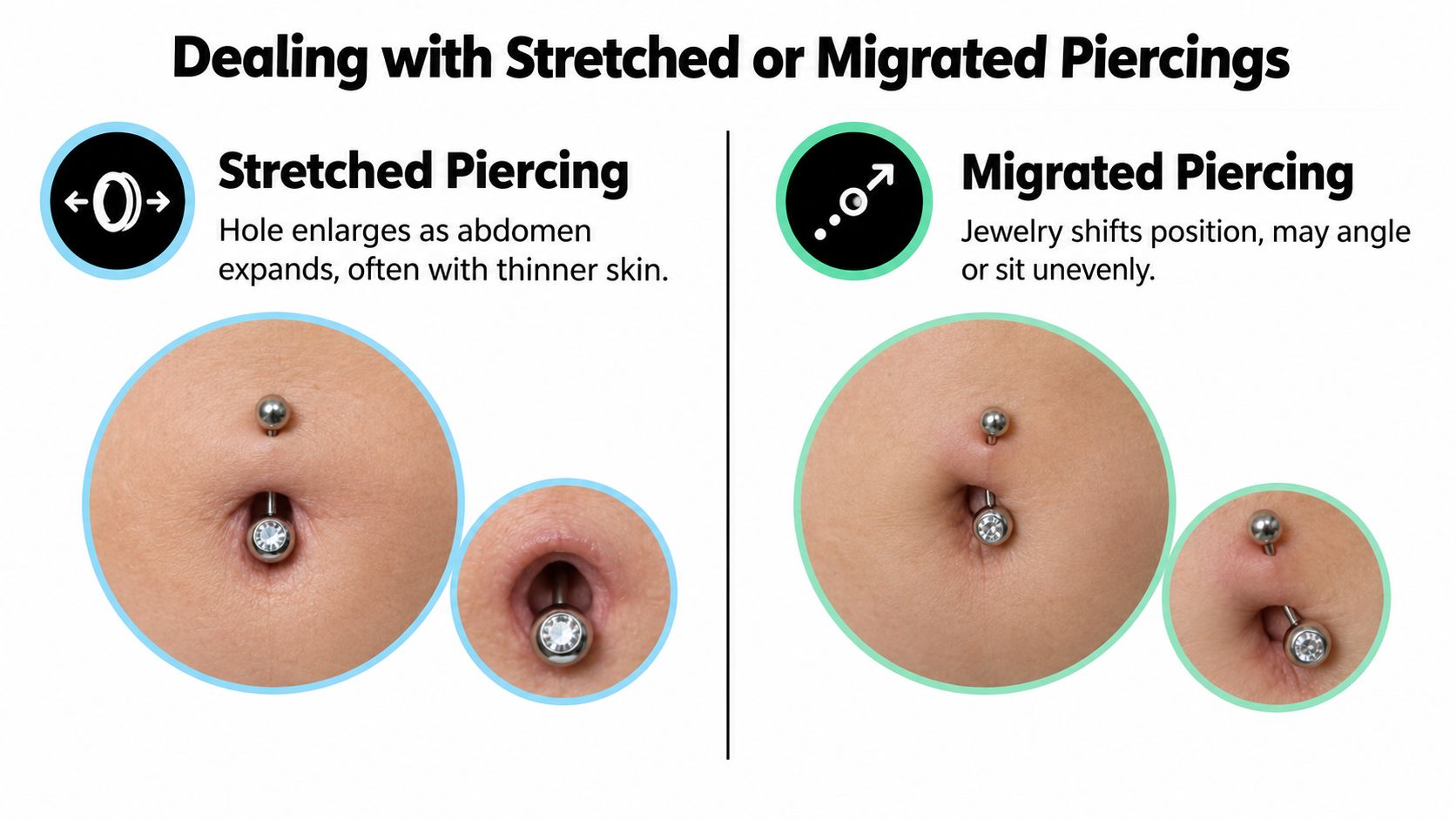
A stretched piercing and a migrated piercing aren't quite the same problem. Stretching means the opening or skin bridge has enlarged as the abdomen expanded. Migration means the jewelry has shifted through the tissue, often changing angle or moving closer to the edge.
Pregnancy-related stretching can leave the hole larger, the skin thinner, or the jewelry sitting unevenly. Medical guidance notes that expansion can increase susceptibility to irritation, infection, scarring, and migration (American Pregnancy Association's piercing guidance). That doesn't automatically mean your piercing is permanently ruined.
Keep, retain, or retire
| Option | Possible advantage | Main concern |
|---|---|---|
| Keep existing jewelry | No interruption if the piercing is calm and the fit remains comfortable | A rigid or tight bar can rub and pull on changing skin |
| Switch to a professional-fitted retainer | More flexibility and less visible hardware during recovery | Material and fit must be appropriate for body use |
| Remove jewelry temporarily | Gives irritated tissue a break | The channel may narrow or close |
| Re-pierce later | Creates a new placement after anatomy settles | The piercer may need to avoid scar tissue or altered tissue |
A flexible retainer can be easier around breastfeeding positions and postpartum clothing because it's less likely to press sharply into your abdomen. It can still snag, collect residue, or irritate if it's too long, poorly finished, or made from questionable material. Ask a professional piercer to assess the fit instead of relying on a generic multipack.
A stretched opening may settle as swelling and abdominal changes ease. A migrated piercing may not return to its former track, especially if the skin bridge has become thin or scarred. Don't downsize the gauge, force an old bar, or try to “train” the hole back into place yourself.
A piercing that changed during pregnancy may need time, not punishment. Let the tissue settle before deciding whether it needs a new plan.
If the piercing never healed properly, it may be possible to re-pierce after pregnancy, but the new placement depends on the remaining tissue and scar pattern. A professional should examine it in person.
Safety First Infection Risks and Breastfeeding Care
A stretched piercing isn't automatically a lost cause. The more useful question is whether the tissue is intact, comfortable, and free from worsening inflammation. Waiting can help a calm but altered piercing settle. Acting sooner matters when the skin is breaking down or the jewelry is becoming embedded.
Pregnancy and postpartum recovery can make irritation harder to interpret. A little tenderness from friction is different from spreading redness, warmth, increasing swelling, pus-like discharge, or fever. Sudden or severe abdominal pain also isn't something to diagnose through jewelry advice.
For a practical comparison between everyday irritation and a possible infection, use BodyCandy's guide to normal irritation or piercing infection. Contact your healthcare provider when symptoms are worsening, spreading, or paired with feeling unwell.
Make daily care boring
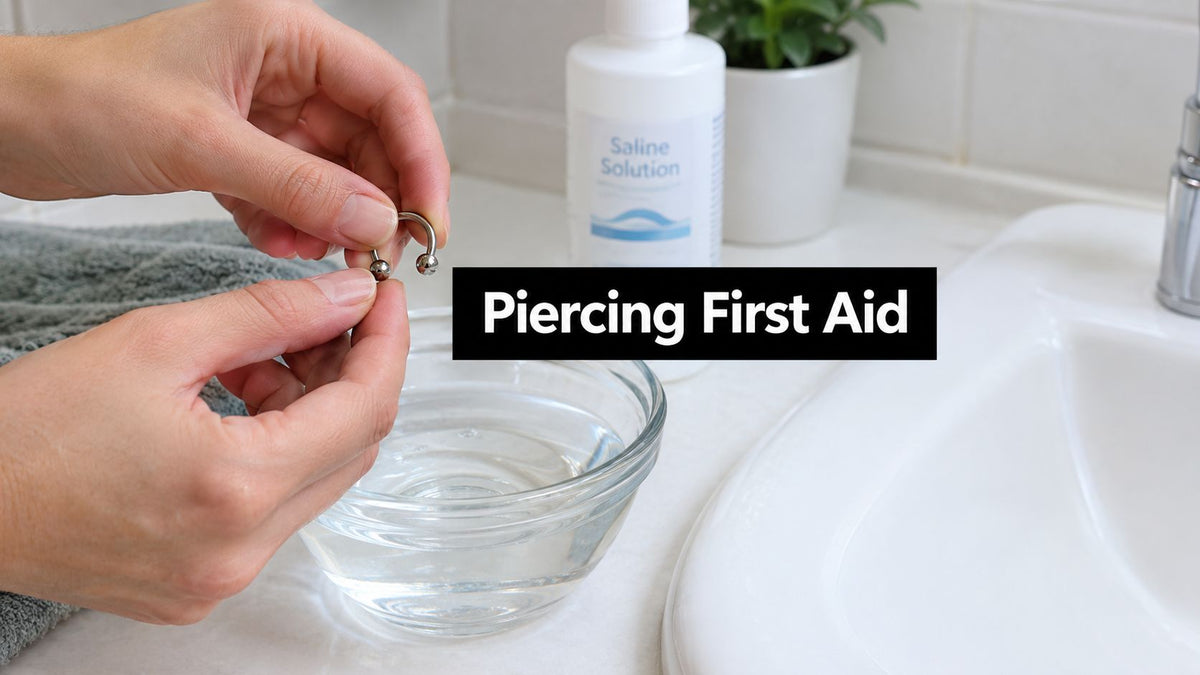
Boring care is excellent care. Wash your hands before touching the piercing, rinse gently, pat dry with a clean disposable product or freshly washed towel, and keep waistbands from scraping the site. Don't use harsh chemicals, pick at crusting, or rotate jewelry to “keep it from sticking.”
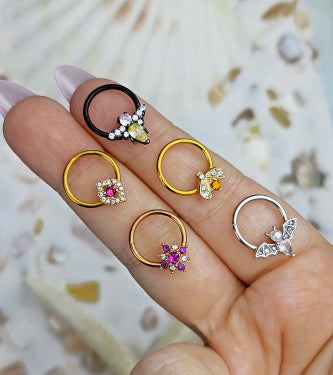
For jewelry, prioritize smooth, body-appropriate materials. Implant-grade titanium, solid 14k or 18k gold, and niobium are commonly chosen for sensitive skin, but your piercer should confirm the piece's quality and fit. Avoid mystery metal, rough finishes, and jewelry that squeezes the tissue.
If you're breastfeeding, your baby won't be feeding from the navel, but babies still grab, kick, and press against your abdomen. A retainer or simple low-profile piece may be more comfortable than dangling charms during cuddles. Keep the site covered by clothing when that prevents snagging, while still allowing the area to stay clean and dry.
When Can You Get Re-Pierced After Pregnancy?
If the old channel has closed, jewelry no longer fits, or migration changed the placement, re-piercing may be the cleanest route. Treat it as a fresh piercing, not a quick jewelry swap. Your piercer should examine the postpartum tissue, including scars, thinning skin, a changed navel shape, and any nearby surgical recovery.
General guidance ranges from three to six months after delivery, depending on healing progress and individual circumstances. If you had a C-section, the incision and surrounding tissue set your timeline, so ask your doctor before booking. For more timing context, read BodyCandy's advice on how long to wait before getting your belly button re-pierced.
Your re-piercing checklist
Before booking, check that:
- Your recovery is stable: You have no open incision, unresolved tear, active infection, or unexplained abdominal pain.
- The skin is calm: The planned area is not hot, increasingly red, swollen, or weeping.
- The anatomy has been assessed: A piercer has checked whether the old channel, scar tissue, thinning, or migration affects placement.
- The studio is professional: Look for sterile single-use needles, appropriate sterilization, clear aftercare, and transparent jewelry materials.
- The jewelry is suitable: Choose a smooth, correctly sized piece made from a body-appropriate material.
- Your care routine is realistic: You can protect the area from waistbands, baby carriers, and repeated friction while it heals.
Your new piercing may sit slightly differently from the original. That is normal. A skilled piercer might choose another path to avoid weak or scarred tissue and give the jewelry stronger skin support.
Until then, leave old jewelry out rather than testing the opening. Clean the area gently and leave irritated tissue alone. Photos can help you track changes for your clinician or piercer, especially if the shape or skin support keeps changing.
Frequently Asked Questions About Postpartum Piercings
Can I put my old belly ring back in if it still fits?
Only when the skin is calm and your recovery is going well. The jewelry should slide in easily. Resistance, pain, bleeding, or a new angle means stop. A piercer can check whether the channel is still open or has narrowed.
How long should I wait after birth?
Wait until your healthcare provider clears your recovery, then treat three months as the earliest sensible date. Six weeks is a floor, not a target. Healing after a C-section, tearing, or other complications may take longer. (The Bump's postpartum timing overview)
What does a piercer check before re-piercing?
They examine skin thickness, scar placement, the navel's current shape, and the old channel. They also look for thinning or migration. Those details determine whether the original route is safe or whether a different placement would give the jewelry stronger support.
Should I choose a flexible retainer?
Possibly. PTFE or silicone can feel gentler as your body changes, but fit and material quality still matter. Ask a piercer to select the piece instead of inserting an unknown flexible bar.
Is a stretched piercing permanently ruined?
Not always. Some tissue settles, while severe thinning, migration, or scarring may call for removal and later re-piercing. Never force jewelry through altered tissue.
When should I call a healthcare professional?
Seek help for spreading redness, warmth, worsening swelling, unusual discharge, fever, tearing, embedded jewelry, or persistent pain. A piercer handles fit and placement. A healthcare professional should assess infection or other concerning symptoms.
BodyCandy sells belly rings and flexible pregnancy-style options, including PTFE pieces and pregnancy sets. When you are ready, browse BodyCandy for jewelry that suits your recovery.