















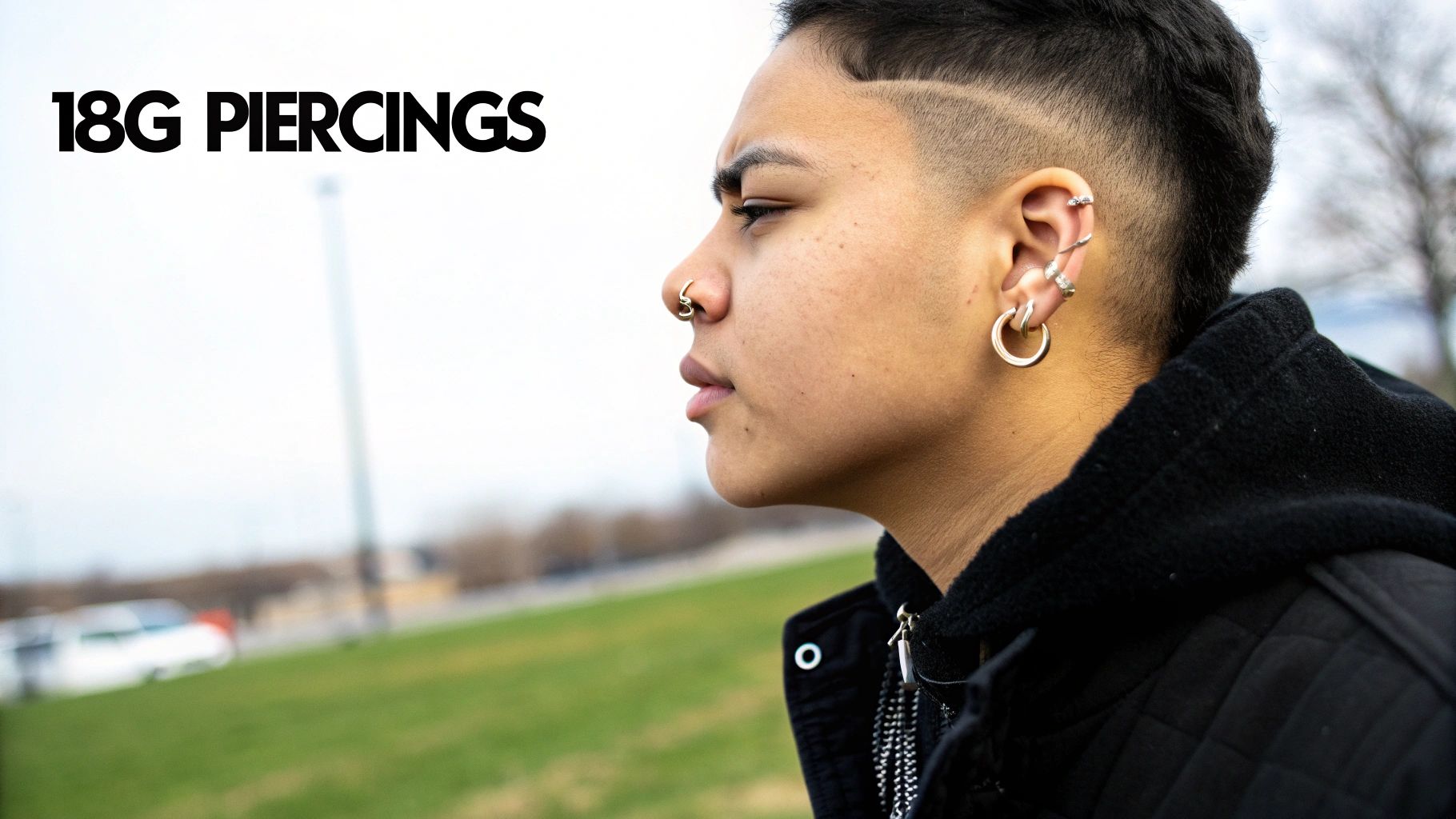
Welcome to your ultimate guide for one of the most popular piercing sizes out there! If you've ever found yourself wondering what '18 gauge' really means when you're browsing for new jewelry, you're in the right place.
Simply put, an 18 gauge piercing is sized to fit jewelry that's 1.0mm thick. It strikes that perfect balance between being sturdy enough for a healthy healing process and delicate enough for a super stylish look.
So, What's the Big Deal with 18 Gauge?
Think of the 18 gauge (or 18g) as the "Goldilocks" of the piercing world—it’s not too thick and not too thin. For a huge variety of piercings, it’s just right, making it a total go-to for professional piercers and piercing lovers everywhere.
This size is a true fan favorite for a reason. It’s substantial enough to create a stable piercing channel for a smooth healing journey, which is especially important in tricky spots like your nostril or ear cartilage. At the same time, it’s sleek enough to show off all the dainty, bold, and sparkly jewelry you’ve been dreaming of.
This guide is your new best friend, designed to walk you through everything you need to know about the super versatile 18g. We’ll cover all the essentials to help you feel confident and totally psyched about your piercing journey.
You’ll discover:
- Sizing Secrets: Finally get the lowdown on what gauge numbers mean and see how 18g stacks up against other common sizes.
- Piercing Inspo: Explore the most popular piercings that are a perfect match for 18g jewelry.
- Jewelry Shopping Tips: Learn how to pick the perfect materials and styles for your piercing so it looks amazing and stays happy.
- Aftercare Confidence: Get the scoop on how to properly care for your piercing for long-term health and shine.
Whether you're planning your very first piercing or just looking to add to your collection, getting a handle on the 18 gauge is your first step. We’re here to give you all the info you need to rock your look safely and with incredible style. Let’s dive in and explore the awesome world of 18g!
Understanding Piercing Gauge Sizes
First things first, let's demystify the numbers. The term ‘gauge’ simply refers to the thickness of your body jewelry. The system used to measure it can feel a little backward at first, but it's super easy once you get the hang of it.
Here’s the main thing to remember: the smaller the gauge number, the thicker the jewelry. It’s the exact opposite of what you might expect! Think of it like tunnels—a smaller number means a wider, thicker tunnel.
This means an 18 gauge piercing uses jewelry that is slightly thicker than a 20g piece but a bit thinner than a 16g piece. This unique position makes it an incredibly popular and versatile choice for so many different placements on your body.
What Does 18g Look Like in Real Life?
So, how thick is an 18 gauge piercing, really? An 18g post is precisely 1.0 millimeter (mm) thick, which is about 0.04 inches. It’s the sweet spot—sturdy enough to create a stable piercing channel without being too bulky, making it perfect for more delicate areas like your nostril or helix.
Getting a handle on this system is your first big step toward shopping for jewelry with total confidence. Once you know your gauge, you can make sure you’re always getting the perfect, most comfortable fit for your piercing. If you're ever curious about how different sizes stack up, you can learn more about the standards of gauge sizing for body jewelry to become a true pro.
Pro Tip: If you're ever unsure about your piercing's gauge, please don't guess! Your professional piercer will have your size on file. A quick call to the studio can save you the headache of ordering the wrong size jewelry.
Why 18g Is a Professional Piercer Favorite
There's a good reason why your piercer probably reached for an 18g needle for your new nostril or cartilage piercing. This size has become a cornerstone of modern body piercing, valued for its incredible balance of durability and comfort, especially for initial piercings.
In professional studios across North America and Europe, 18g is the go-to for starter jewelry in many common piercings because it helps minimize the risk of the jewelry migrating or getting easily irritated during healing. A thicker post is just more stable.
This infographic breaks down the key benefits that make an 18 gauge piercing a top choice for both piercers and clients.
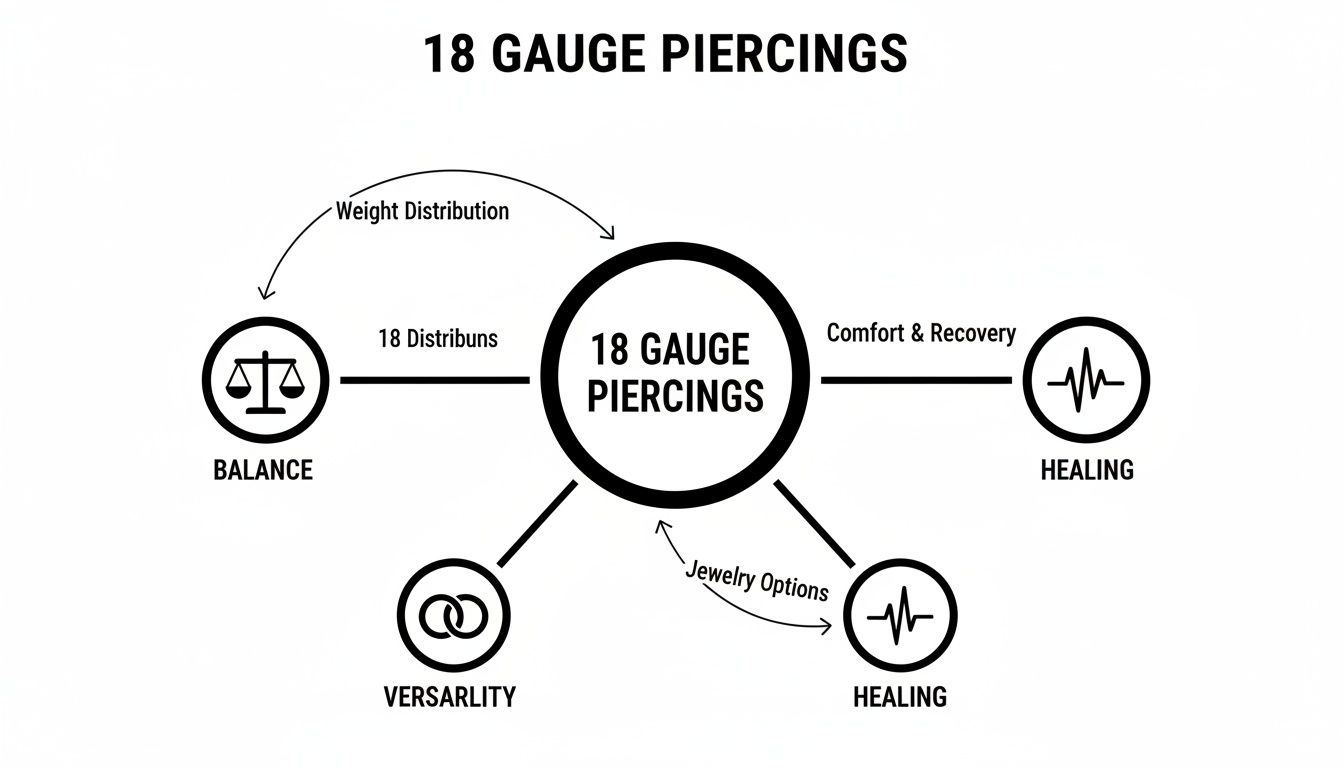
As you can see, 18g hits that perfect trifecta: it offers balance, promotes better healing, and provides unmatched versatility for your personal style.
Comparing 18g to Other Common Sizes
Seeing how 18g stacks up against its neighbors really helps put its size into perspective. This is where things can get a little tricky if you're new to the gauge game, but a quick comparison makes it crystal clear.
Here's a handy chart to visualize the differences between the most common piercing gauges.
Piercing Gauge Size Comparison Chart
| Gauge Size | Millimeters (mm) | Inches (") | Common Piercings |
|---|---|---|---|
| 20g | 0.8mm | 0.032" | Standard Earlobes, Dainty Nostrils |
| 18g | 1.0mm | 0.040" | Nostril, Helix, Tragus, Conch |
| 16g | 1.2mm | 0.048" | Septum, Lip, Labret, Eyebrow |
| 14g | 1.6mm | 0.064" | Navel (Belly), Tongue, Nipple |
This quick reference shows exactly where 18g sits. Let's break down the most common comparisons:
- 20 Gauge (0.8mm): This is the thinnest of the bunch. It's often the standard size for traditional earlobe piercings done with a piercing gun or for very delicate nostril studs.
- 18 Gauge (1.0mm): The "just right" size. It's slightly thicker than 20g, offering more stability for popular piercings like the nostril, helix, tragus, and conch.
- 16 Gauge (1.2mm): A step thicker than 18g. This size is commonly used for initial piercings in areas that need a bit more support, like the septum, lip, or some cartilage piercings, before potentially downsizing later on.
Choosing between them often depends on your anatomy and the specific look you're going for. But for most cartilage and nose piercings, 18g remains the undisputed champion. It offers the perfect foundation for a healthy piercing and opens up a massive world of jewelry options to explore once you're healed.
Okay, let's talk about the fun part—all the amazing ways you can rock 18 gauge piercing jewelry! This size is a total all-star in the piercing world. It's the go-to for so many of today's most popular and sought-after placements.
Time to get inspired. We're about to take a tour of the hottest spots that are a perfect match for 18g pieces. From that classic nostril stud that adds a hint of sparkle to an elegant helix hoop that hugs your ear just right, 18g is the ideal blend of sturdiness and style. It keeps your piercing happy and your look on point.
The Curated Ear Project
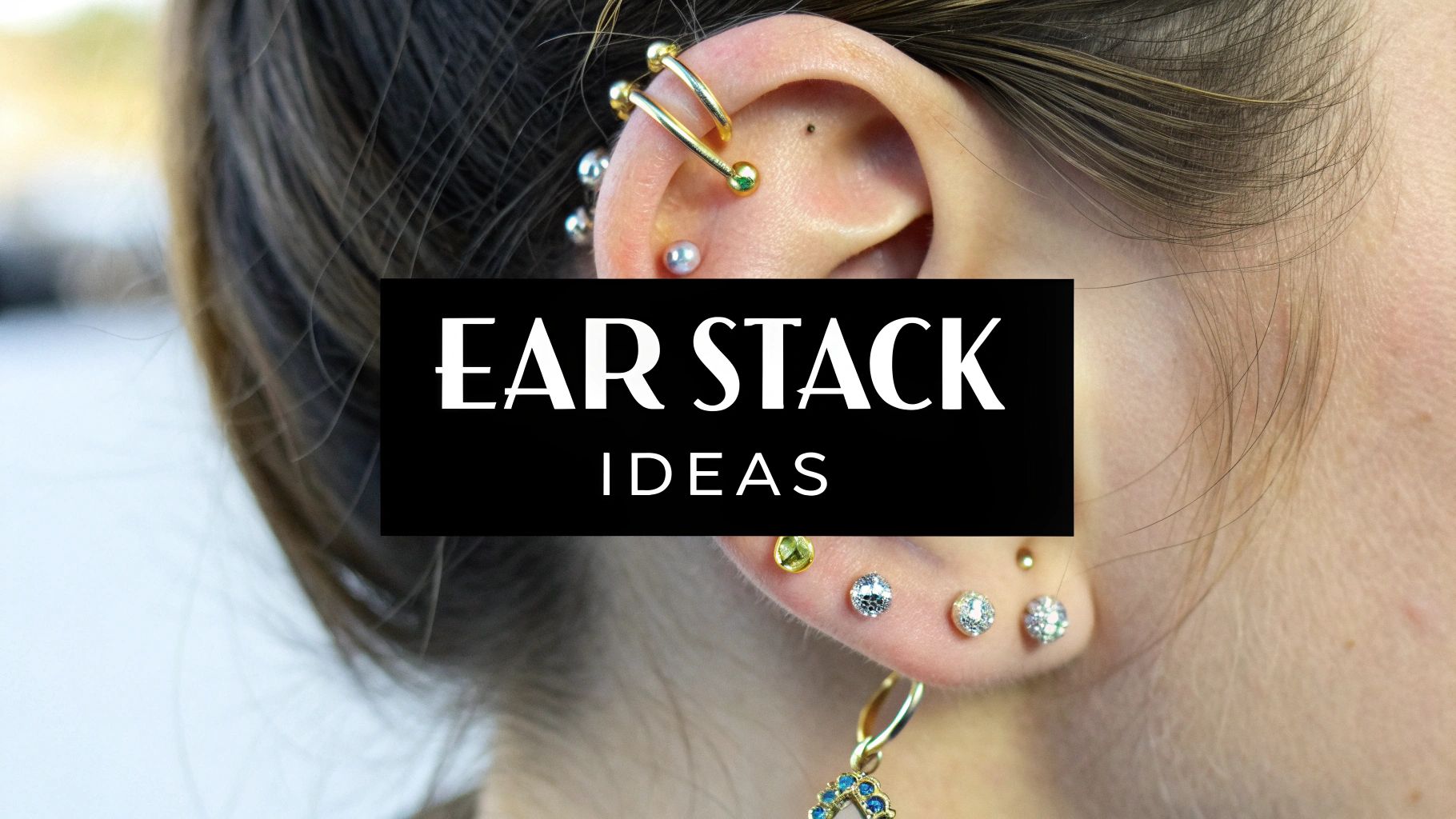
Ever scroll through Instagram and just swoon over those perfectly styled ears, dripping with a unique mix of studs, hoops, and chains? That’s the "curated ear," and an 18 gauge piercing is pretty much the essential building block for creating your own personalized masterpiece.
Because it's the standard for most cartilage piercings, 18g lets you mix and match an endless variety of jewelry to create a layered, cohesive vibe that’s 100% you. It’s all about expressing your personal style, and this gauge gives you the ultimate creative freedom.
Here are some of the most popular ear piercings where 18g really shines:
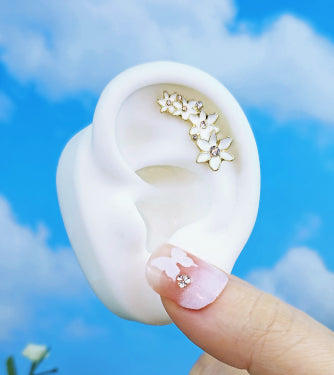
- Helix Piercing: This is your classic cartilage piercing along the upper, outer rim of your ear. An 18g hoop or a stunning flat back stud from Bodycandy is the perfect fit.
- Tragus Piercing: Located on that little nub of cartilage covering your ear canal, the tragus is ideal for a delicate 18g stud or a tiny, snug hoop.
- Conch Piercing: Whether it’s the inner or outer conch, this spot looks amazing with a bold 18g stud or a larger hoop that wraps around your ear.
- Daith Piercing: Tucked into the innermost fold of your ear cartilage, the daith is famous for being pierced with a chic 18g captive bead ring or a decorative clicker hoop.
The versatility of 18g jewelry is what makes it a piercer's top choice. It’s thin enough for delicate placements but thick enough to support healing and prevent the dreaded "cheese-cutter effect" that can happen with jewelry that is too thin.
Beyond the Lobe: The Nose and More
While 18g is the king of cartilage, its reign extends to other popular spots, too! The most iconic is, without a doubt, the nostril piercing. It’s the standard gauge used by professionals for a reason—it’s sturdy enough to keep from being accidentally pulled out but delicate enough for a subtle, stylish look.
This isn't just a trend; the numbers back it up. A major UK survey found that for women aged 16-24, a whopping 46.2% had a non-earlobe piercing, with nose piercings being the second most popular at 19%. This is mirrored in the U.S., where 18g is the pro standard for nostril studs and hoops. If you want to dive deeper, you can discover the full research about modern piercing trends.
Here’s a quick list of other hot spots where you'll often find 18g jewelry:
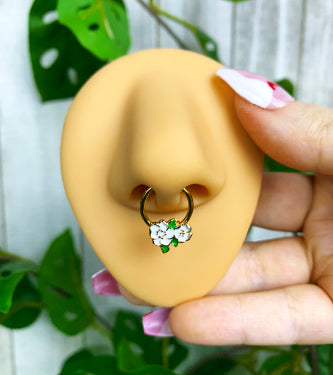
- Nostril Piercing: The undisputed champion. Whether you love a sparkling gem stud, a classic L-bend, or a seamless hoop, an 18 gauge piercing is your perfect match.
- Eyebrow Piercing: While sometimes pierced at 16g, many people find 18g curved barbells more comfortable and sleek for their eyebrow.
- Lip Piercings (Monroe, Madonna, Medusa): After the initial healing, some people choose to downsize from a 16g to an 18g labret stud for a more delicate feel.
Ultimately, the widespread use of 18g jewelry means you have a massive selection of styles to choose from. You’ll never be short on options when it comes to expressing yourself, from minimalist titanium pieces to dazzling 14k gold stunners.
How to Choose the Best 18g Jewelry
Okay, you've figured out your piercing placement and you're ready to start shopping. This is the fun part—finding that perfect piece of 18 gauge jewelry to really show off your personal style! But picking the right piece is about more than just what catches your eye; it's also about comfort, quality, and what's going to work best for your body.
Think of this as your personal cheat sheet for jewelry shopping. We'll walk you through the different styles you're likely to see and dive into the super important topic of materials. Let's make sure you snag something that not only looks incredible but also keeps your 18 gauge piercing happy and healthy for years to come.
Exploring Popular 18g Jewelry Styles
When you start browsing for 18g jewelry, you’ll notice a few key styles pop up over and over. Each one has its own unique vibe and is designed for specific piercings, so knowing the lingo will help you narrow down your search and find exactly what you're looking for.
Here are the superstars of the 18g world:
- Flat-Back Labret Studs: There's a reason these are a piercer's favorite! A labret has a flat disc on the back that sits flush against your skin, which is ideal for cartilage piercings like the helix, conch, and tragus. That flat back is a lifesaver, preventing snags on your hair or clothes, especially while your piercing is healing.
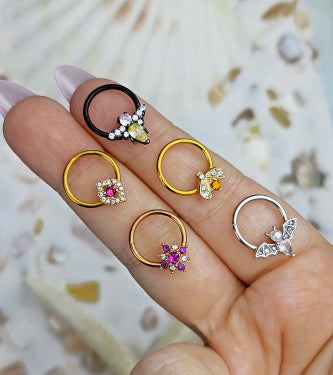
- Seamless Hoops and Clickers: If you're going for a sleek, minimal, and oh-so-chic look, these are for you. Seamless rings and clicker hoops give you that continuous, smooth circle that looks amazing in nostril, daith, and helix piercings. Clickers are especially great because they have a little hinged segment that makes them incredibly easy to open and close.
- Captive Bead Rings (CBRs): A true classic in the piercing world! A CBR is a hoop that’s held closed by a small bead or gem, creating a bold and secure style. They're a fantastic choice for daith and septum piercings once they're fully healed and settled.
- Circular Barbells (Horseshoes): These versatile pieces look just like a horseshoe with a little bead on each end. They're awesome for septum piercings (you can flip them up to hide them!) and eyebrow piercings, giving you a bit of edgy flair.
Ultimately, your choice often comes down to personal taste and where your piercing is located. For a brand new piercing, though, a simple flat-back stud is almost always the best bet to keep things irritation-free and help the healing process go smoothly.
Why the Right Material Is Everything
Now let's talk about the single most important part of your decision: the material. You could find the most gorgeous piece of jewelry ever, but if it's made from a low-quality or sketchy material, your piercing is going to let you know. Irritation, allergic reactions, and a healing process that drags on forever? No, thank you.
Choosing a body-safe, hypoallergenic material is the single best thing you can do for your piercing. It’s not just a suggestion—it’s a non-negotiable for a happy, healthy piercing journey.
Everyone's body is different, and finding what works for you is key. Luckily, there are several fantastic, high-quality options out there that professional piercers recommend and piercing lovers swear by.
Your Go-To Materials for 18g Jewelry
Ready to become a material expert? Getting familiar with the pros and cons of each option will help you shop with total confidence.
Here are the top-tier materials to look for when you're buying 18 gauge piercing jewelry:
- Implant-Grade Titanium (ASTM F-136): This is the gold standard, period. It’s completely nickel-free, super lightweight, and incredibly biocompatible, which means your body is extremely unlikely to have a bad reaction to it. It’s the perfect choice for fresh piercings or anyone with sensitive skin.
- 316L Surgical Steel: This is one of the most popular and affordable options you'll find. While it does contain a tiny amount of nickel, it's generally considered hypoallergenic for most people. For a fully healed piercing, it's a durable and reliable choice.
- 14k Gold: If you love a touch of luxury, solid 14k gold (or higher) is a beautiful and body-safe option. Just be sure it’s solid gold and not gold-plated. Plating can wear off over time and expose the mystery metal underneath, which could lead to some serious irritation.
- Bioflex: This is a flexible, medical-grade plastic that's super comfortable and completely metal-free. It's an excellent choice for times when you might need a non-metallic option, like for an MRI, medical scans, or even certain sports.
Figuring out the world of jewelry metals can feel like a lot, but we've got your back. To dive deeper, you can learn all about what metal body jewelry is made of in our detailed guide. Knowing your materials is the ultimate power move for any piercing enthusiast.
Changing and Caring For Your 18g Jewelry
One of the best parts of having a piercing is finally getting to swap out your jewelry! Once your 18 gauge piercing is fully healed, a whole world of style opens up. Feeling confident about changing your jewelry at home is a total game-changer.
This section is all about empowering you to safely swap out your bling and keep your piercing happy and healthy for the long haul. We'll walk through the essential hygiene steps, the golden rules of aftercare, and some pro-tips for those trickier jewelry styles.

Safely Swapping Your Jewelry
Before you even think about touching your piercing, here's the number one rule: wait until it's 100% healed. Seriously. Changing jewelry too soon is a one-way ticket to irritation, infection, and can seriously set back your healing time. Patience is your best friend here!
Once you've gotten the all-clear from your piercer (or enough time has passed without any issues), you're ready for the fun part.
Here’s a quick guide to a smooth, irritation-free jewelry swap:
- Wash Those Hands: Start with antibacterial soap and warm water. Lather up for at least 20 seconds. This is non-negotiable for keeping nasty bacteria away from your piercing.
- Clean Your New Bling: Before you pop in that new piece, give it a good clean. A little gentle, fragrance-free soap and water or a sterile saline solution will do the trick.
- Wipe Down the Piercing Site: Grab a saline-soaked cotton swab or some sterile gauze and gently wipe around the front and back of your piercing. Get rid of any crusties or buildup.
- Remove the Old Jewelry... Gently! Take your time with this. Unscrew the ball, pop open the clicker, or twist that seamless ring nice and slow. If it feels a bit stuck, a tiny drop of water-based lubricant can help it slide right out.
- Insert the New Jewelry: With your super-clean hands, guide your new 18g jewelry through the piercing. Secure the back, click it shut, and take a moment to admire your new look!
Pro-Tips for Tricky Styles
Let's be real, some jewelry can be a bit fiddly, especially when you're dealing with tiny ends.
- For Threaded Ends: If you're struggling to grip a tiny gem or ball, try wearing a pair of clean disposable gloves. The extra traction works wonders!
- For Seamless Rings: To open a seamless ring without warping it, gently twist the ends away from each other (one forward, one back). Don't pull them apart! This keeps the ring's perfect circular shape.
Long-Term Aftercare for a Happy Piercing
Even after your piercing is healed, it still needs a little love to stay healthy. Good aftercare isn't just for the healing phase; it’s a lifelong habit that keeps your collection looking and feeling great.
The golden rule is simply to keep it clean. You don't need to do the full saline soak routine forever, but a quick rinse in the shower is perfect for keeping things fresh.
Keep it Simple: For a healed piercing, just letting warm water run over it in the shower is usually enough to wash away daily buildup. Steer clear of harsh soaps or chemicals that can cause dryness and irritation.
A solid aftercare routine from day one really sets you up for success. To get the full scoop on the best products and practices, you can explore our comprehensive guide to H2Ocean aftercare solutions, which are fantastic for both new and established piercings. Making good aftercare a habit is the secret to a piercing you can enjoy for years to come.
Got Questions About 18 Gauge Piercings? We've Got Answers!
We know you've got questions, and we're here with the answers! Let's dive into some of the most common things people wonder about when it comes to the mighty 18 gauge piercing. Getting the right info is the best way to feel totally confident and happy with your body jewelry choices.
Think of this as your personal cheat sheet for all things 18g. From swapping sizes to picking out the perfect piece for a fresh piercing, we've got you covered.
Can I Put 20g Jewelry in an 18g Piercing?
Yes, you totally can! Sliding a slightly thinner 20g piece into your 18 gauge piercing is generally no problem at all and won't cause any issues. It’s kind of like wearing a ring that’s a half-size too loose on your finger.
Just a heads-up: if you keep that 20g jewelry in for a long time, your piercing might naturally shrink a tiny bit to match the smaller post. This could make it feel a little snug if you decide to go back to an 18g piece later. It's usually not a big deal, but it’s good to know!
A word of caution: Never, ever try to force thicker 18g jewelry into a healed 20g hole. That’s called stretching, and it needs to be done slowly and safely with the right tools to avoid hurting your piercing.
My Piercer Used 16g, Can I Wear 18g Jewelry?
Absolutely! It’s actually super common to downsize to a thinner gauge like 18g once your piercing has completely healed. Piercers often start with a slightly thicker 16g needle for piercings like the helix or septum because it provides a bit more stability and support while things are healing up.
Once that healing journey is over, switching to a lighter, more delicate 18g piece can feel way more comfortable for day-to-day wear. Your piercing will gently adapt to the slightly smaller jewelry over time. When you're ready to make that switch, we've got a massive collection of gorgeous 18g helix hoops and studs just waiting for you!
The pros have long known how versatile this gauge is. In fact, on January 1, 2003, Brent Moffat set a Guinness World Record by knocking out 700 piercings in just 7 hours using 18g needles—proving its reliability for everything from lobes to noses. This event helped solidify 18g as a go-to standard, right in line with trends that saw top U.S. studios' earlobe piercings (mostly 18g starters) jump from about 2,500 per year to over 3,700 between 2016-2019. You can learn more about the historical context of body piercing practices if you're curious!
What Jewelry Is Best for a New Nostril Piercing?
For a brand-new nostril piercing, your piercer is almost always going to set you up with a simple, high-quality stud. An 18g labret stud with a flat back or a classic nostril screw made from implant-grade titanium is the absolute gold standard for a happy healing process.
So, why these specific styles?
- They're Secure: A flat back or a screw design is way less likely to get snagged on your clothes, your hair, or a towel. Ouch!
- They're Stable: The straight post keeps movement to a minimum, which is super important for preventing irritation while the new tissue heals.
- They're Hypoallergenic: Starting with a top-tier material like titanium helps sidestep any potential allergic reactions right from the start.
While a cute little hoop is an amazing look, you really have to wait until your piercing is 100% healed before swapping out that initial stud. Hoops move around a lot more, and that movement can seriously irritate a new piercing and make healing take way longer.
How Do I Know if I Need 18g Jewelry?
Honestly, the easiest and most foolproof way to find out your gauge is to just ask the professional who pierced you! They keep records of every procedure and can tell you the exact size they used. One quick phone call can save you a ton of guesswork.
If that’s not an option, you can carefully compare your current jewelry to a piercing gauge chart (like the one we showed you earlier!). But as a general rule of thumb, most nostril piercings and standard cartilage piercings—like the helix, tragus, and conch—are initially done at 18g. This makes it the most common and versatile size for a huge range of awesome jewelry styles.
Time To Find Your Perfect 18g Style
So, there you have it! You've officially graduated from 18g piercing novice to seasoned pro. You know the exact measurements, what piercings rock an 18 gauge, and how to spot the perfect jewelry that screams you.
The best part? You can now jump into the world of body jewelry with confidence. No more second-guessing sizes or wondering if a piece will work for your piercing. It's time to put all that awesome knowledge to work.
Show Off Your Unique Style
We'd love for you to check out Bodycandy's huge collection of 18g body jewelry. Whether you're hunting for that perfect little 18g nose ring with just the right amount of sparkle, or you're mapping out a dream curated ear project, we've got you covered.
We're all about giving you the styles, materials, and quality you deserve. From sleek and simple titanium flat backs for a minimalist vibe to stunning 14k gold hoops that make a statement, our selection is here to help you express who you are. Your piercing tells a story, and we're here to help you make it a brilliant one.
Ready to find the piece that's practically calling your name?
It's not just about wearing jewelry; it's about telling your story. An 18 gauge piercing opens up a world of possibilities for self-expression, allowing you to curate a look that is unapologetically you.
Your piercing journey is a personal one, and picking out the jewelry is easily the most exciting part. So go for it, start exploring, and find that perfect piece that just makes you feel amazing. Join the Bodycandy family and let your style shine!
Ready to upgrade your look? Explore the full collection of 18g body jewelry at BodyCandy and find your new favorite piece today!