















So, you're eyeing up a new navel piercing, but the classic vertical style just isn't giving you that spark? Let me introduce you to its edgy, rule-breaking cousin: the horizontal belly button piercing. This unique mod runs completely side-to-side across your navel, creating a seriously distinct look that definitely stands out from the crowd.
Rethinking Navel Piercing Placement
When you think "belly button piercing," your mind probably jumps straight to that timeless look—a single, sparkly gem sitting pretty just above the navel. It's a classic for a good reason! But the horizontal style completely flips the script on what a navel piercing can be.
Instead of following the natural up-and-down line of your torso, this piercing cuts straight across it. Think of it this way: a standard piercing is like a single destination on a map. A horizontal piercing, on the other hand, is like drawing a bold line from east to west, connecting two points and creating an entirely new route. It's less about a single focal point and more about a striking, shimmering bar of jewelry that spans your midsection.
How It Differs from Other Styles
To really get what makes the horizontal style so different, let's stack it up against its navel-piercing relatives:
- Traditional Vertical Piercing: This is the one you see most often, passing vertically through the upper rim of the navel. It’s the perfect home for a classic dangling belly ring or a simple curved barbell.
- Floating Navel Piercing: A clever take on the traditional style, this is a lifesaver for navels that tend to collapse or "wink" when you sit down. It uses a flat disc on the inside and a decorative top, giving the illusion of a single gem just floating on your skin.
- Horizontal Belly Button Piercing: This style creates a channel of skin pierced horizontally. Because it usually doesn't go through the deep tissue of the navel "lip" itself, it often acts more like a surface piercing. That means it needs specific jewelry and some extra-careful aftercare to really thrive.
The whole point of the horizontal approach is to create a different visual dimension. It draws the eye outward instead of downward, accentuating the width of your navel area. It’s a powerful statement that shows you’re not afraid to bend the rules of traditional body art.
To see just how creative you can get, you can explore our complete body modification overview of belly piercing styles. This unique placement is proof of how personal and expressive body jewelry can truly be, offering a fresh take on a beloved classic.
Understanding the Anatomy for a Successful Piercing
So, you’re officially obsessed with the horizontal belly button piercing look. We totally get it! But before you race to book that appointment, we need to talk about the single most important factor for success: your unique anatomy. Is this piercing actually a good match for your body?
Unlike a standard navel piercing that goes through the vertical "lip" of tissue, the horizontal style plays by a completely different set of rules. For this piercing to heal properly and look amazing long-term, you need to have the right kind of canvas to work with.
What Does a Piercer Look For?
A professional piercer isn't just glancing at your belly button; they're carefully assessing its entire structure. For a horizontal navel piercing, the absolute non-negotiable is a clearly defined navel ridge with enough pliable tissue to safely support jewelry.
Think of your navel's rim like a sturdy little shelf. A piercer needs to be able to gently pinch a solid fold of skin that runs horizontally either above or below your navel. This "shelf" has to be substantial enough to hold the piercing securely without causing any stress on the surrounding skin. If that tissue is too thin or pulled too tight, the risk of rejection goes way up.
The All-Important Sit-Down Test
Here’s a quick check you can do at home right now. Stand up straight and take a look at your navel in a mirror. Now, sit down and let yourself slouch a little. What happens to your belly button?
- Does it stay open and defined? That's a great sign! It suggests you might have the necessary space and structure for a horizontal piercing.
- Does it flatten, collapse, or "wink" shut? This is a really crucial piece of information for you and your piercer.
If your navel collapses when you sit, it means any jewelry placed there is going to be under constant pressure and friction from your body's movement. This can lead to a whole bunch of problems, from chronic irritation and those stubborn piercing bumps to the jewelry being pushed out by your body—a process called rejection. A piercing needs to be able to "rest" comfortably, and a collapsing navel just doesn't allow for that.
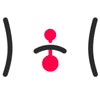
This chart shows how the most common navel piercing placements differ from one another.
You can see how a horizontal piercing cuts straight across the navel, which is a sharp contrast to the vertical and floating styles that follow the body's natural midline.
Lifestyle and Clothing Considerations
Beyond your natural anatomy, your everyday habits play a huge role. Be honest with yourself here! Do you practically live in high-waisted jeans, leggings, or belts that sit right where the piercing would be?
Constant pressure from tight clothing is one of the biggest enemies of a healing piercing, especially a surface-style one like the horizontal navel. All that friction can cause irritation, snagging, and eventually, migration. If your daily wardrobe is full of outfits that will constantly press on the area, you'll need to either adjust your style during the long healing period or maybe reconsider the placement altogether.
To get a better handle on the nuts and bolts of jewelry placement, you can also explore the complete anatomy of a belly ring in our detailed guide.
Ultimately, only a professional piercer can give you a definite "yes" or "no" after an in-person assessment. They have a trained eye that can spot subtle nuances you might miss. Think of this as your pre-consultation guide, designed to help you walk into that appointment feeling informed, confident, and ready to make the best possible decision for your body.
Choosing the Right Jewelry for Your Horizontal Piercing
Alright, you’ve done your anatomy check and you’re feeling confident—now for the fun part! Picking out the jewelry for your horizontal belly button piercing is where your personal style really gets to shine. But slow down for a second, because this isn’t the time to grab just any cute belly ring off the shelf.
This piercing acts a lot more like a surface piercing, which means your jewelry choice is absolutely critical for a happy healing journey. The standard banana bells that are a staple for traditional navel piercings are a hard pass here. They just don't have the right shape to sit flat in a horizontal channel, which will create a ton of irritation and pressure.
The Best Jewelry Shapes for Stability
So, what should you be looking for instead? The magic word here is stability. Your piercer will fit you with a piece designed to minimize movement and spread pressure evenly across the piercing. This is your best defense against the dreaded migration and rejection we all want to avoid.
The top contenders for a horizontal belly button piercing are:
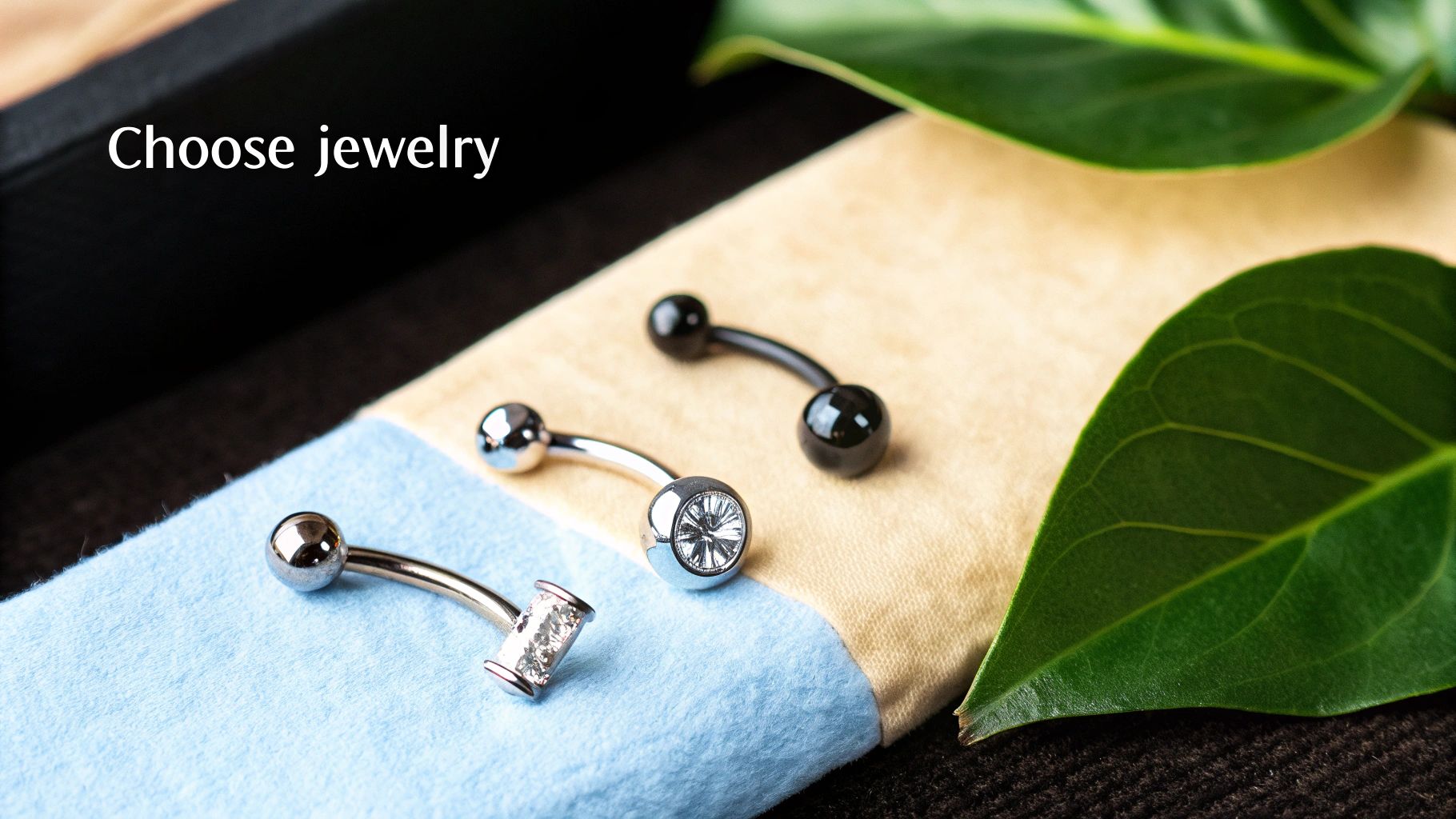
- Surface Bars: Think of these like a tiny staple. They have a flat bar that sits just under the skin with two 90-degree posts for the decorative ends to screw onto. This design is the gold standard because it’s made specifically to lie flat in a surface piercing.
- Custom-Bent Curved Barbells: In some situations, a really skilled piercer might opt for a long barbell that they bend themselves. It has to have a very gentle, wide curve that perfectly matches the contour of your stomach to avoid putting any inward pressure on the piercing holes. This is less common and relies heavily on your piercer’s expertise.
Your piercer will take super precise measurements to make sure the jewelry is the perfect length. If it’s too short, it’ll painfully embed into your skin. Too long, and it'll snag on every piece of clothing you own. Your initial jewelry will always be a little longer to leave room for swelling, but getting that fit right from day one is everything.
Why Material Matters So Much
During the long healing period (which can take up to a year!), your body is extra sensitive. This makes choosing a high-quality, body-safe material completely non-negotiable. Don't try to bargain hunt for your first piece; investing in premium materials will save you from a world of potential allergic reactions, irritation bumps, and healing drama.
Your initial piercing jewelry should always be made from an implant-grade, nickel-free material. Nickel is one of the most common culprits behind skin allergies, and you definitely don't want to discover you have one with a fresh piercing!
Here’s a quick rundown of the best materials to look for when you're ready to shop for your dream piece. We’ve put together a simple table to help you compare your options and make the smartest choice for both your skin and your style.
Choosing the Best Jewelry Material for Your Piercing
Here's a comparison of common jewelry materials to help you pick the safest and most stylish option for your new horizontal navel piercing.
| Material | Best For | Pros | Cons |
|---|---|---|---|
| Implant-Grade Titanium (ASTM F-136) | Initial piercings and sensitive skin. It's the top choice of professional piercers. | Completely hypoallergenic, lightweight, durable, and can be anodized into different colors. | Can be slightly more expensive than steel, and the color options are anodized, not plated. |
| 14k or 18k Solid Gold | Healed piercings and achieving a luxe look. Perfect for a timeless, elegant style. | Biocompatible (if nickel-free), classic appearance, and holds its value over time. | Higher price point, can be softer and more prone to scratching, and you must ensure it’s nickel-free. |
| Surgical Stainless Steel (316L) | Healed piercings on non-sensitive skin. A very popular and affordable option. | Cost-effective, strong, and widely available in countless styles. | Contains small amounts of nickel, which can cause reactions in sensitive individuals. Not ideal for initial piercings. |
| Niobium | Sensitive skin and those who want vibrant, permanent color. | Similar properties to titanium (hypoallergenic) but is slightly heavier and can be permanently colored black through a heating process. | Less commonly available than titanium and can be more expensive. |
When you're ready to start building your collection, Bodycandy has an incredible selection of high-quality pieces to choose from. For a healing piercing, we highly recommend starting with something from our stunning titanium belly ring collection. You’ll find beautiful, safe, and stylish options that your new horizontal belly button piercing will absolutely love.
Navigating the Pain, Healing, and Aftercare Process
Alright, let's get down to it. You've left the piercing studio, and now the real journey begins. The two biggest questions on everyone's mind are always: "How much is this going to hurt?" and "How long until I can show it off?"
Let's talk about the piercing itself. Most people say it feels like a quick, sharp pinch that's over in a flash. The needle part is surprisingly fast! While everyone's pain tolerance is different, it’s generally considered to be on the lower end of the scale compared to cartilage piercings.
The real marathon is the healing.

Why Horizontal Healing Is a Different Beast
This is where your horizontal belly button piercing really sets itself apart from a traditional one. Because this style often acts like a surface piercing, it can be a bit more temperamental. It demands some serious TLC, so patience is key!
The healing timeline for a horizontal navel piercing can be anywhere from 6 to 12 months—and sometimes even longer. This isn't your standard lobe piercing!
The reason for this long haul is simple: the piercing goes through a flat plane of tissue that's always moving. Every time you bend, twist, or even just sit down, that area is flexing. Add the constant friction from clothing, and you've got a piercing that's more prone to getting cranky.
Your Step-by-Step Aftercare Routine
A happy piercing starts with a solid, consistent aftercare routine. Forget what you've heard about harsh soaps, alcohol, or twisting the jewelry—those are old-school myths that will only irritate your piercing. Keep it simple.
Here’s the only cleaning routine you’ll need:
-
Wash Your Hands! Before you even think about touching your piercing, scrub your hands with antibacterial soap. This is non-negotiable.
-
Sterile Saline Solution is Your Best Friend. Twice a day, morning and night, give the piercing a good spritz with a sterile saline wound wash. Make sure you get both the entry and exit points. Don't even think about using contact lens solution or mixing your own salt water—they aren't sterile and can cause problems.
-
Gently Pat Dry. After spraying, use a clean paper towel or some non-woven gauze to gently pat the area dry. Bath towels are a no-go; they can harbor bacteria and snag your shiny new jewelry.
That's it. Seriously. Your body knows how to heal. Your job is just to keep the area clean and leave it alone so it can do its thing.
The goal of aftercare isn’t to "treat" the piercing with chemicals. It’s to create a clean, calm environment that lets your body’s natural healing powers work their magic. Over-cleaning will just make it angry.
The Dos and Don'ts of a Happy Horizontal Piercing
Getting through the next few months is all about avoiding things that can upset your piercing. Stick to these rules, and you'll dramatically increase your chances of a smooth healing process.
The Absolute "Dos":
- Do wear loose, breathable clothing. Think low-rise pants and soft fabrics that won't rub or put pressure on your new bling.
- Do stay hydrated and eat well. A healthy body heals faster. Simple as that.
- Do protect it while you sleep. If you're a stomach sleeper, try using a ventilated eye patch or a special piercing pillow to create a little protective dome around your navel at night.
The Hard "Don'ts":
- Don't touch, twist, or turn the jewelry. This is the number one cause of irritation, infection, and those dreaded piercing bumps. Hands off!
- Don't go for a swim. Avoid pools, hot tubs, lakes, and oceans for the entire healing period. They are basically a bacterial soup, and your piercing is an open invitation.
- Don't wear tight, high-waisted clothing. Constant pressure from a waistband is the biggest enemy of a horizontal navel piercing and a fast track to rejection.
- Don't change the jewelry too early. Wait until a professional piercer gives you the all-clear, which won't be for many months.
Understanding what makes this piercing unique is half the battle. For a wider view on how it stacks up against other mods, check out our guide to healing times for popular piercings. If you commit to this aftercare, you're setting your stunning new piercing up for a lifetime of looking fabulous.
How to Spot and Prevent Common Piercing Risks
Knowing what to look for is the best way to care for your new body art. When it comes to potential problems, knowledge is your superpower. While it's a stunning look, the horizontal belly button piercing acts more like a surface piercing, which means it has a slightly higher risk of two specific issues: migration and rejection.
Don't let those words freak you out! It’s just the term for when your body tries to push the jewelry out. Think of it like getting a splinter—your body’s natural instinct is to slowly work it toward the surface of your skin to get rid of it. Because a horizontal piercing doesn't sit in a deep, protected channel of tissue like a standard navel piercing, your body can sometimes mistake the jewelry for a foreign object and try to do the same thing.
Recognizing the Early Warning Signs
The secret to saving your piercing is catching any problems early. Your body will give you some little hints that something isn't quite right. Keep a close eye on your piercing, especially during the first six months, and watch for these signs.
- Thinning Skin: The strip of skin over the barbell starts looking thinner, almost see-through. You might even start to see the metallic shimmer of the jewelry right through your skin.
- More Jewelry Showing: The piercing looks like it's getting shallower. Way more of the barbell is visible than when you first got pierced.
- Stretched-Out Holes: The entry and exit points of the piercing seem bigger, redder, or more stretched than they were before.
- Extra Wiggle Room: The jewelry feels looser or moves around way more freely than it did in the beginning.
- It Just Won't Heal: The area stays red, flaky, or sore long after it should have calmed down.
Migration is the process of the jewelry moving, while rejection is the final outcome when your body successfully kicks it out. If you spot migration early, you've got a great shot at saving the piercing.
How to Actually Prevent It
Okay, so you know what to look for—but how do you stop it from happening in the first place? Your best defense starts way before the needle ever touches your skin. The choices you make have a huge impact on your piercing's long-term health.
Here are the three most important things you can do to keep your horizontal piercing happy right where it is:
-
Find a Piercer Who Knows Surface Work: This is a big one. Ask to see their portfolio, and make sure it includes healed pictures of horizontal navel piercings or other surface piercings. An experienced pro knows how to check your anatomy, place the jewelry at the perfect depth, and use the right technique to keep stress off the tissue.
-
Get the Good Jewelry: Your first piece of jewelry is critical. Insist on an implant-grade titanium (ASTM F-136) surface bar. They're shaped like a little staple, and that shape is key—it provides the stability needed to stop the jewelry from rocking back and forth, which is a major cause of migration.
-
Be Religious About Aftercare: Don't slack on your cleaning routine! Steer clear of tight clothes, especially high-waisted pants that put constant pressure on the piercing. That friction is a huge irritant and can be the trigger that starts the migration process. Treat your piercing gently, and your body will be much more likely to accept it as part of you.
Finding a Professional Piercer for Your Appointment
Okay, let's make one thing crystal clear: the horizontal belly button piercing is not the time to bargain-hunt or go to your friend’s cousin who pierces in their basement. This is a specialized piercing that acts like surface work, and your choice of piercer is the single most important decision you'll make in this entire process.
Finding a skilled, reputable professional is non-negotiable for the health and longevity of your piercing. A great piercer won’t just poke a hole; they’ll carefully assess your unique anatomy, use the correct technique, and set you up with the perfect jewelry for a successful healing journey.
Vetting the Pros in Your Area
So, how do you separate the true artists from the rest? It starts with a little bit of detective work. Your mission is to find a piercer with proven experience in surface piercings or complex navel projects.
Start by searching for local, highly-rated piercing studios—not tattoo shops that just happen to offer piercings on the side. Once you have a few candidates, dive into their online portfolios. Here’s what you need to look for:
- Healed Examples: Fresh piercings always look good. You want to see pictures of horizontal navel or surface piercings that are fully healed and thriving months or even years later. This is proof that their technique works long-term.
- Quality Jewelry: Look at the jewelry in their photos. Are they using high-quality, implant-grade titanium surface bars? If you see a lot of low-quality materials or inappropriate jewelry shapes, that’s a major red flag.
- Cleanliness: The studio in their photos should look immaculate. A clean, professional environment is a non-negotiable sign of a reputable shop.
Your Consultation Checklist
Once you've found a piercer you're excited about, book a consultation. This is your chance to interview them and make sure they're the right fit. Don’t be shy—a great piercer will love your informed questions!
Here are some key questions to ask your potential piercer:
- "How much experience do you have with horizontal navel piercings or similar surface work?"
- "Can you show me photos of some you've done that are fully healed?"
- "What type of jewelry do you recommend for the initial piercing, and what material is it made of?"
- "What does your anatomy assessment involve?"
A professional should be happy to walk you through their process, from assessing your navel's ridge and performing the "sit-down test" to explaining why they're choosing a specific type of surface bar for you. The cost for this specialized piercing typically ranges from $50 to $100+, depending on the piercer's experience and your jewelry choice. Think of it as an investment in your body and a beautiful, healthy piercing.
Your Horizontal Piercing Questions Answered
Got a few more questions rattling around in your head? Good! Arming yourself with all the facts is the absolute best way to start any piercing adventure. We've rounded up the most common questions we hear about the horizontal belly button piercing to give you the straight-up answers you're looking for.
Can I Get a Horizontal Piercing If I Have an Outie?
This is a really common question, and honestly, it all boils down to your unique anatomy. Sometimes, an "outie" belly button doesn't have that well-defined, pinchable ridge of skin that a piercer needs to work with. But that's not always the case! Plenty of outies have enough tissue surrounding the navel to safely support the piercing.
The only way to know for sure is to pop in for an in-person consultation with a skilled piercer. They can take a look at your navel's structure and tell you if a horizontal piercing is a safe and solid choice for your body.
How Do I Know If It’s Healing or Infected?
It's so easy to mistake the totally normal signs of healing for a full-blown infection. Let's clear up the confusion so you can have some peace of mind.
- Normal Healing: A bit of redness, some minor swelling, tenderness to the touch, and a whitish-yellowish fluid (that's lymph, not pus!) that forms "crusties" is all standard procedure. This is your body doing its thing, and these symptoms should slowly get better over time.
- Signs of Infection: An infection is way more dramatic. You'll want to watch for intense, throbbing pain, a deep red or dark color spreading out from the piercing, and thick, green, or gnarly-smelling pus. The area might also feel hot. If you even think you have an infection, do not take out the jewelry and get in to see a doctor ASAP.
Is a Horizontal Navel Piercing More Likely to Reject?
To be perfectly honest, yes, it can be. The horizontal belly button piercing is a surface piercing, meaning it sits more on the flat plane of your skin rather than going through the deep tissue of the navel lip like a traditional one. This placement gives it a higher chance of migrating and eventually rejecting.
This is exactly why following all those aftercare and prevention steps is a huge deal. Your best defense is a three-pronged attack: find a piercer who's a pro at surface work, get fitted with a proper surface bar made of implant-grade titanium, and be militant about avoiding pressure from clothing. Your diligence here really makes all the difference!
Ready to find the perfect, high-quality jewelry to show off your unique style? At BodyCandy, we have an amazing selection of body-safe and stunning pieces that are perfect for any piercing.