Flat Back Nose Studs

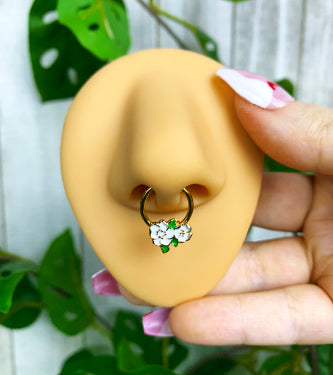
The comfort upgrade your nostril has been waiting for: a flat disc sits flush inside, so nothing curls, nothing pokes and nothing works its way loose. Mostly threadless push-ins in implant-grade titanium and 316L steel, in the nose-standard 18G and 20G, from micro CZ and opal to gold tone, and the same posts fit a tragus or helix. Since 1999.


Flat Back & Threadless Fit Guide

How it works: most of this page is threadless (push-in): the decorative top has a slightly bent pin that press-fits into the flat-disc post and holds by tension, no threads to cross. Slide the post in from inside the nostril, press the top in from the front until it seats, and pull it straight out to change it, never twist. Internally threaded versions screw on by hand.

Fit: nostrils are 18G or 20G; match the gauge you wear now. Post length matters more on a flat back than any other style: 1/4 inch (6mm) is the snug nostril standard and 5/16 inch (8mm) gives room or suits a tragus. Too long and the disc wanders inside; snug and it disappears. Every product page lists gauge and length.

Metal: the implant-grade titanium studs are nickel-free and the shape piercers use for initial nostril jewelry; 316L steel is the everyday standard with a trace of nickel locked in the alloy; gold-tone and rose-tone are PVD finishes, and the title names the metal. Keep the starter your piercer placed until you are cleared to swap.

Flat backs for the rest of you:

FAQ

A straight post with a flat disc on the inside and the decorative end on the outside, so nothing curls, nothing pokes the inside of your nostril, and nothing works its way loose. Piercers call it a labret stud; worn in a nose it is the comfort upgrade over an L-shape or a screw, and the same 18G and 20G posts work in a tragus, helix or lip.

Most of these are threadless push-ins: slide the flat-disc post in from inside the nostril, then press the gem top into the post from the front until it seats; a slight bend in the top's pin is what holds it by tension. To remove, pull the top straight out, never twist. Internally threaded versions screw on by hand. The step-by-step with photos is linked below.

Nostrils are pierced at 18G or 20G; match the gauge of the stud you wear now, since a thicker post will not go in and a thinner one wanders. Post length matters more on a flat back than any other style: 1/4 inch (6mm) is the snug nostril standard and 5/16 inch (8mm) gives room or suits a tragus. Too long and the disc slides around inside; snug and it disappears. Both numbers are on every product page.

Not at the right length. The disc is a few millimetres across and sits flat against the inside wall, which is exactly why people switch to flat backs from nose screws and L-shapes that curl and catch. If you can feel the disc moving, the post is too long; drop from 5/16 to 1/4 inch and it settles.

The titanium ones are the pick for skin that reacts: implant-grade titanium is nickel-free, and a flat back is the shape piercers use for initial nostril jewelry. The 316L steel studs are the everyday standard and hold a trace of nickel locked in the alloy that most people never notice; gold-tone and rose-tone are PVD finishes, and the title names the metal. Keep the starter your piercer placed until you are cleared to swap.

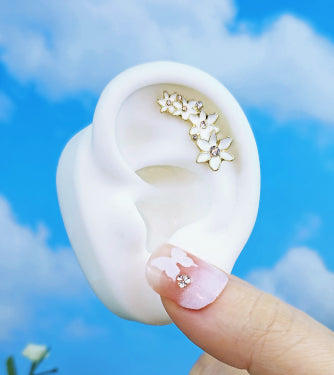
Yes; it is the same jewelry. An 18G or 20G flat back fits a tragus, helix, conch or lobe, and a 16G version fits most lips and cartilage. Only the gauge and post length change, so match the piercing you are dressing. The flat back earring pages carry the ear-specific sizing.