
















What if the metal you've been calling “hypoallergenic” is the right choice for your ears, but the wrong choice for your piercing situation? That's the part most shoppers miss. Niobium piercing jewelry has a real sweet spot, and once you understand it, the confusing product pages start making sense fast.
Niobium gets talked about like a magic answer for sensitive skin, but its practicality is more useful than that. It's a pure chemical element, not an alloy, so there's no nickel blend hiding inside it the way there can be in less specific metal labels. The purity is the point, much like 100% fruit juice instead of a juice cocktail, and it's a big reason the metal behaves so calmly against skin.

The Association of Professional Piercers places niobium in the same safety conversation as implant-grade titanium for initial piercings when it's properly sterilized, and that's a big deal for shoppers who need more than marketing fluff. You'll also see why niobium stays relevant for healed piercings, color lovers, and anyone trying to avoid the guessing game around “mystery metal” jewelry.
What Niobium Piercing Jewelry Actually Is
When you see niobium on a jewelry page, you're looking at a real metal, not a brand name or a trendy coating. Niobium is a chemical element on the periodic table, and in piercing jewelry that matters because the base material itself is what touches your skin.
That purity is the first clue to why it's talked about so often in sensitive-skin circles. A metal made from a single element is simpler than an alloy, and simpler usually means fewer surprise ingredients for your body to react to. That's why piercers often explain niobium in plain terms instead of glossy marketing language.
Why the purity part matters
A lot of shoppers compare jewelry the way they compare finishes, shiny versus matte, black versus silver. The better comparison is what's inside the metal, because that's what affects wearability. Niobium's value starts with being nickel-free and chemically inert, which is a very different thing from a plated piece that only looks safe on the outside.
The Association of Professional Piercers notes that niobium has been used by piercers “with good results for many years” and can be anodized into multiple colors, including black. That puts it in a respected category for body jewelry, especially when you want something that can be worn in a piercing without the drama of unknown alloys.
Practical rule: if a listing says “niobium” but never tells you the gauge, size, or finish, keep scrolling.
For a quick sensitive-skin overview, this hypoallergenic jewelry guide for sensitive skin is useful context, especially if you're still sorting out what your ears or nose can tolerate.
Why Sensitive Skin Wearers Gravitate to Niobium
Niobium earns its reputation because it checks the boxes that sensitive skin cares about. It is chemically inert in body fluids, so it doesn't spend its day reacting with sweat or saline the way less stable materials can. It also has a stable oxide layer, which helps it resist corrosion and keeps the surface calm during everyday wear.
That last part sounds technical, but the shopper version is simple. If a metal stays stable, your skin usually has fewer reasons to get annoyed. Add the fact that niobium is nickel-free, and you've got a material that lines up neatly with the biggest allergy trigger in body jewelry.
The allergy piece is not a small detail
Nickel sensitivity is common enough that it can't be treated like a rare edge case. A systematic review found the general prevalence of nickel allergy at 11.4% in Europe, North America, and China, and body piercings significantly increase nickel-allergy risk, with women showing a risk ratio of 4.6 and men 2.8. That's one reason a metal like niobium matters so much in the first place, it gives sensitive-skin shoppers a clearly disclosed path away from a common irritant.
What “hypoallergenic” really means here
The word hypoallergenic isn't magic, but in niobium's case it's grounded in the metal's actual makeup. You're not relying on a surface coating to do the work, and you're not crossing your fingers that an alloy label is telling the full story. You're choosing a base metal that's already built to be quiet against skin.
Good to know: “hypoallergenic” helps, but it doesn't override size, shape, or piercing type. A gentle metal can still be the wrong fit if the piece is bulky or poorly made.
Niobium vs Titanium vs Surgical Steel
The shopping decision gets serious when you're comparing metals. Don't stop at the word “safe.” Look at weight, nickel content, anodizing, and best use case, because those are the factors you will feel.
Niobium is heavier than titanium, with one piercing-material reference listing niobium at 8.56 g/cm³ and titanium at 4.49 g/cm³. That extra density can be nice if you like a more substantial feel, but it also means titanium often wins for delicate fresh work where reducing mechanical load matters. Titanium is also easier to manufacture into modern threadless and threaded designs, which is a huge reason it dominates initial jewelry.
| Property | Niobium | Titanium (implant grade) | Surgical Steel |
|---|---|---|---|
| Weight | Heavier, more substantial feel | Lighter | Varies, often heavier than titanium |
| Nickel content | None | None | Contains nickel in many alloys |
| Anodizing | Yes | Yes | Generally no |
| Best fit | Healed piercings, color, sensitive skin | Fresh piercings, threaded designs, precision pieces | Budget healed lobes, non-sensitive skin |
The part most shoppers get wrong
Surgical steel often gets grouped into “body jewelry” without much nuance, but it's not the same conversation as niobium or titanium. If you already know you react to nickel, steel is the one to inspect carefully, not assume.
Titanium also has the edge in soft, fresh tissue because it's lighter and easier to engineer into the precision ends people expect from modern starter jewelry. Niobium still has a place, but it's the more specialized tool.
For a deeper titanium comparison, this BodyCandy guide to titanium body jewelry is worth a look if you're deciding between a starter piece and a color-focused healed piece.
How Niobium Gets Its Colors
Niobium's color story is what pulls a lot of people in. The finish isn't paint, and it isn't plating. It comes from anodizing, which is an electrochemical process that grows a controlled oxide layer on the surface, and the thickness of that layer changes how light reads the color.
A good mental picture is a photograph developing instead of a wall being painted. The color is built into the surface response, not laid on top as a separate coat. That's why anodized niobium can keep its look without the same flaking concerns you'd get from a coating.
What colors you can actually expect
The range usually starts with the natural silver-gray of the metal itself, then moves into anodized tones like golds, purples, blues, and teals. A lot of shoppers land on niobium because they want color with fewer compromises, especially when they need a metal that still plays nicely with sensitive skin.
Black niobium is its own special lane. It can be produced by heat treatment and polishing, and it's the finish many buyers are really chasing when they search for dark hypoallergenic jewelry. The nuance matters, though, because polished black tends to be smoother and more wearable than matte black, which can feel rougher against fresh or healing tissue.
If you want dark metal that still makes sense for body jewelry, polished black usually deserves a closer look than a matte finish.
When Niobium Is the Smart Buy
Niobium makes the most sense when your priority is a healed piercing, a known metal sensitivity, or a look that stays put without peeling or chipping. It's a strong pick for people who want color but don't want a surface coating sitting between their skin and the metal.
It also has a nice “substantial” feel that some wearers love. That's especially true in rings and larger pieces where the extra density can make the jewelry feel more present without turning into costume-level shine.
Where titanium still wins
Titanium is usually the smarter move for a brand-new piercing, especially when precision matters. If the piece needs threaded or threadless engineering, or if the piercing is very small and sensitive to weight, titanium is often easier on both the body and the jewelry maker.
Niobium is not the universal upgrade people sometimes assume it is. It's a specialized choice, and that's a good thing. In the right use case, it feels intentional instead of generic.
A few practical examples make the split easier:
- Healed lobes or a healed helix: niobium makes sense if you want color or a darker finish.
- Fresh septum or new cartilage piercing: titanium usually makes more sense because it's lighter and easier to engineer precisely.
- Everyday jewelry for sensitive skin: niobium works well when the piece is simple and the finish is smooth.
- Very tiny, delicate designs: titanium tends to be the safer practical pick.

Sizes, Gauges, and Styles to Know
Shopping for niobium gets easier once the size labels stop looking like code. Gauge tells you the thickness of the jewelry, while length usually applies to barbells and diameter usually applies to rings. That is the basic map, and it matters more than most style names because a piece can look right in a photo and still fit wrong on your piercing.
The cleanest way to shop is to match the piece to the piercing type. Lobes, helix, conch, and septum placements do not all use the same sizing logic, and a ring that fits one spot can be completely wrong for another. Gauge charts help, but the piercing itself decides what is practical.
Common style categories you'll see
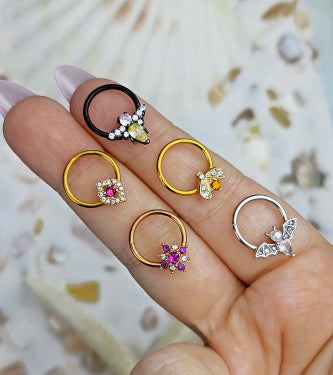
- Rings: closed rings, captive bead rings, and standard hoops
- Barbells: straight barbells and curved barbells
- Ends: threadless ends for compatible setups
- Specialty pieces: ear weights and other heavier styles
A useful reference for gauge basics is this BodyCandy guide to gauge sizing, especially if you are trying to translate a product page into something your piercing can wear.
Sizing rule of thumb: simpler shapes and thicker gauges usually hold up better than ultra-fine, highly detailed pieces when the metal itself is softer.
Niobium can absolutely be wearable for daily use, but its softness means thin or intricate pieces can bend if you are rough with them. If you are between options, start with a straightforward shape before choosing a delicate design with tiny moving parts. That matters even more if you plan to change jewelry often or wear the piece in a spot that gets knocked around.
Aftercare and Keeping the Finish Looking Fresh
Niobium doesn't need fussy care, but it does like common sense. Wash it gently with warm water and mild, fragrance-free soap, then rinse well and dry it without rubbing hard. That's enough for most daily wear.
What you want to avoid is anything that can dull the surface finish over time. Chlorine, alcohol, and long soaks in strong saline can be rough on colored pieces, and abrasive cloths or polishing compounds can strip away the look you paid for. Since anodized color lives in the surface oxide, gentle handling is what keeps it looking sharp.
Easy habits that help
- Remove it before pool time: chlorine is not a friend to pretty finishes.
- Skip polishing cloths on colored pieces: they can change the surface appearance.
- Store it separately: hard jewelry can scratch softer niobium.
- Watch the fit: if the piece is snagging, the problem may be shape, not the cleaning routine.
Niobium is non-magnetic and corrosion-resistant, so it usually handles sweat, showering, and normal daily life without acting dramatic. If irritation shows up around any metal jewelry, the most useful next step is usually removing the piece and checking in with a piercer, not endlessly changing soaps.
Shopping for Niobium Piercing Jewelry and Final Takeaways

Before you hit buy, scan the listing like a piercer would. Look for explicit niobium wording in the title or description, the gauge and diameter or length, and a clear note about the finish, especially if you want polished black versus a matte look.
A solid checklist helps keep hype from sneaking past you:
- Material: the listing says niobium or Nb
- Sizing: gauge plus diameter or length are clearly shown
- Finish: polished, matte, or anodized color is named
- Seller: the retailer looks reputable and jewelry-focused
BodyCandy carries a broad range of body jewelry, so it's a practical place to browse niobium rings, barbells, and ear weights alongside other metals. If you're ready to narrow it down, visit BodyCandy, compare the finishes that catch your eye, and pick the piece that fits your piercing, not just your mood.