


















Q: What’s the difference between a regular helix and a vertical helix, and does one heal easier? — Taryn P.
A: Good one, because they sound almost the same but they sit totally differently on your ear. It really comes down to the direction the jewelry runs.
-
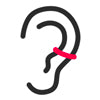
Regular helix: the classic upper-ear cartilage piercing. It goes through the rim so the jewelry wraps the edge, and you can wear a flat-back stud or a hoop hugging the outer curve. The single piece you see on the edge, that’s a standard helix
-
Vertical helix (sometimes called a floating helix): instead of going through the edge, it’s placed so a barbell sits up-and-down on the flat of the cartilage near the rim. You see both ends on the front of your ear, usually two little gems stacked vertically. Same general area, different orientation and a different look
As for healing: neither has a magic advantage. Both are cartilage, and cartilage is cartilage, so both are slow healers, think several months, and both want the same careful aftercare. What actually decides how smoothly yours goes isn’t the style, it’s:
-
Your anatomy and the placement your piercer chooses
-
Jewelry quality (implant-grade titanium or solid 14K gold keeps irritation low)
-
Not sleeping on it, bumping it, or over-cleaning it
-
Glasses, earbuds, and masks in that zone, since those add friction to any upper-ear piercing
If anything, a regular helix gives you slightly more jewelry flexibility (hoops and studs both), while a vertical helix is more of a specific stacked-gem statement. But pick based on the look you want, not on healing, because the care and timeline are basically the same either way. A good piercer will tell you which suits your ear best.
Q: What actually happens at a curated ear appointment? — Brianna R.
A: Oh, this is the fun one. A curated ear appointment is basically a styling session and a piercing appointment rolled into one, and it’s way less intimidating than it sounds.
Here’s roughly how it goes:
-
You chat about the vibe. The piercer asks what look you’re after, shows you inspo, and gets a feel for whether you want dainty and minimal or a bold, loaded-up stack
-
They actually read your ear. This is the magic part. They look at your unique anatomy, where your cartilage sits, what spots will heal well, what placements flatter your specific ear, and design around that instead of just copying a photo
-
They map it out. Usually they’ll mark little dots on your ear so you can see the whole plan in the mirror before anything happens, and tweak it until you love it
-
You pick the jewelry. Half the fun. You choose the pieces for each spot, mixing studs, hoops, and huggies into one cohesive look, often playing with size and sparkle so it has rhythm
-
They pierce, and plan the rest. Sometimes you do all of it that day, but often a good piercer stages it, doing a few now and mapping the rest for later so each one heals properly. You walk out with a game plan, not just new holes
The best part is you’re not guessing anymore. Instead of random piercings that don’t quite talk to each other, you get a designed ear that looks intentional, built for your ear specifically. So think of it as hiring someone to art-direct your ear. Bring some inspo, trust their eye on placement, and enjoy the process, it’s honestly one of the nicer ways to get pierced.
Disclaimer: Body Candy is only here to give you fun and helpful advice and information when it comes to getting pierced. Always consult a professional piercer to make sure a new piercing is right for you!