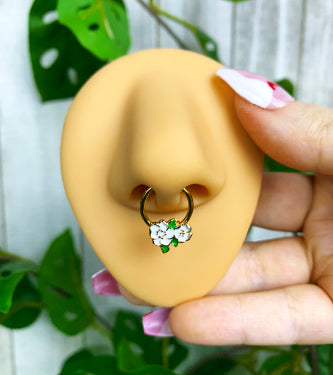

















Ever seen piercing jewelry in dazzling electric blues, fiery purples, or vibrant greens and wondered how it gets those incredible colors without any paint? Chances are, you were looking at Niobium jewelry. Think of it as one of the best-kept secrets in the body jewelry world, perfect for giving your look a custom, colorful, and super-safe upgrade.
What Exactly Is Niobium Jewelry?
Let's cut through the complicated science and get right to what makes niobium a total game-changer for your piercings. At its core, niobium is a naturally biocompatible metal. That's just a fun way of saying your body is extremely unlikely to have a bad reaction to it, making it one of the safest choices out there, especially if you have sensitive skin or are healing a brand-new piercing.
Niobium is an elemental metal, which means it’s pure. It's not an alloy, so it isn't mixed with other metals like nickel—which is the number one culprit behind most metal allergies and skin irritation. While it has some pretty high-tech uses in things like jet engines and MRI machines, its true beauty shines when it's crafted into body jewelry. In fact, as more people learn about metal allergies, sales for premium, hypoallergenic options like niobium have been soaring by over 25% annually since 2020 in major markets. You can learn more about the rise of niobium in jewelry on piercingsworks.com.

Why You'll Love Niobium
So, what’s all the hype about? Niobium’s unique properties make it a top-tier choice for anyone who loves piercings, whether you're just starting out or have a curated collection. It really delivers the perfect combination of safety, comfort, and personal style.
Here are the main reasons niobium might just become your new favorite metal:
- Incredibly Hypoallergenic: As a pure, nickel-free element, it’s one of the absolute best options for anyone with metal sensitivities. Your skin will thank you.
- Surprisingly Lightweight: Niobium is so comfortable you'll barely notice it's there, which is a huge plus for all-day wear, even in larger gauge pieces.
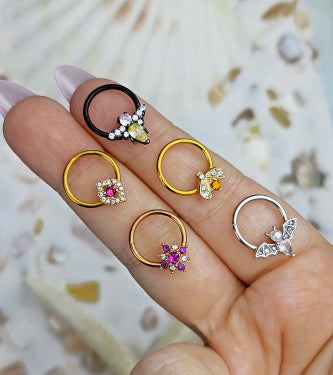
- Vibrant Color Options: This is where the magic happens. Niobium can be transformed into a whole rainbow of colors through a safe process called anodizing. This gives you a custom look that’s both stunning and completely body-friendly.
This unique material really sets the stage for a look that's as unique as you are.
Why Niobium Is a Lifesaver for Sensitive Skin
Ever had a piercing get angry for no good reason? That dreaded itch, redness, or full-blown irritation is something way too many of us have experienced. If you’re tired of the piercing struggle, let's talk about why niobium might just be your skin's new best friend.
This is where niobium truly shines. Its most celebrated quality is that it's incredibly hypoallergenic. The secret is in its purity. Niobium is an elemental metal, which means it’s not mixed with other stuff—especially not nickel, the number one culprit behind most metal allergies.
What “Biocompatible” Really Means for You
You’ll often hear niobium described as "biocompatible." Don't let the science-y term scare you off; it's a simple and beautiful concept.
Think of it this way: your body's immune system is like a super-protective bouncer. When it spots a material it doesn't trust, like the nickel in cheap jewelry, it kicks it out, causing all that inflammation and irritation. With niobium, your body just gives it a friendly nod and lets it hang out. It accepts the metal without a fight because it's so pure and unreactive.
The result? A calm, happy piercing. This isn't just a temporary fix, either. Niobium’s safety is an inherent part of the metal itself, not some coating that can chip or wear away over time. You get lasting comfort and total peace of mind.

A Safe Haven for All Piercings
The fact that niobium is so hypoallergenic makes it an amazing choice for any piercing, but it’s especially clutch in a few key situations:
- For Brand-New Piercings: The healing phase is the most critical time. Starting with a non-reactive metal like niobium from day one can seriously cut down the risk of complications and help your piercing heal smoothly.
- For Finicky or Troubled Piercings: Got a piercing that just won’t calm down or flares up constantly? Switching to a niobium piece can often be the game-changer that finally brings it peace.
- For Anyone with Known Metal Allergies: If you have sensitive skin, you already know the pain of a bad reaction. Globally, nickel allergies affect 10% to 15% of the population, so finding a truly safe metal is huge. Niobium offers a reliable, worry-free option so you can wear your jewelry without fear.
Ultimately, choosing niobium means you don't have to compromise. You get the vibrant, expressive style you crave without making your skin angry. For more on this, check out our quick take on hypoallergenic jewelry for sensitive skin.
How Niobium Gets Its Jaw-Dropping Colors
Ever wondered how niobium jewelry gets those vivid, almost surreal colors without a single drop of paint or dye? It’s not magic, but it’s pretty close! This stunning effect comes from a super cool scientific process called anodizing, and we're here to break it down for you.
Think of it like giving the niobium a special electrical bath. The jewelry is submerged in a conductive solution, and an electrical current is passed through it. This doesn't add a layer of color, but instead creates a transparent, very thin oxide layer right on the metal's surface.
The Science of Light and Color
Here's where the real magic happens. By precisely controlling the voltage of the electricity, we can change the exact thickness of that oxide layer. This layer then acts like a prism, bending and refracting light as it hits the surface.
Depending on how thick that layer is, different wavelengths of light are filtered out. Our eyes see the remaining light as a specific, vibrant color.
Think of it like a soap bubble: When you look at a bubble, you see a rainbow of swirling colors. Those colors aren't from dyes; they're created by light reflecting off the thin, transparent film of the bubble. Niobium’s color works the same way—it’s all about light, not pigment!
This incredible process allows for a whole spectrum of colors:
- Cool Blues and Teals
- Vibrant Purples and Pinks
- Electric Greens and Yellows
- Even a true, solid black
The best part? Because the color is a structural part of the metal’s surface, it won’t chip, flake, or wear away like plated or painted jewelry. This means your look stays vibrant and uniquely you.
Niobium is famous for its ability to produce this wide array of iridescent colors through anodizing. The color is highly durable, though it might gradually fade over many years with constant exposure to harsh elements, simply returning the metal to its natural silver-gray state without any health risks. It's also easier to anodize than titanium, which often allows for a broader and more consistent color palette.
If you love the idea of colored metal, you might also be interested in how it compares to its closest cousin. To dive deeper, check out our guide on anodizing titanium body jewelry.
Niobium vs. Titanium vs. Surgical Steel
When it comes to body jewelry, the big three—niobium, titanium, and surgical steel—are always in the conversation. Choosing the right one can feel overwhelming, especially with a fresh piercing. They’re all popular for a reason, but they are definitely not created equal.
So, what’s the real difference? Let's break down how these metals stack up against each other, so you can pick the absolute best option for your piercing, your skin, and your unique style.
Niobium vs. Titanium vs. Surgical Steel Showdown
Here's a quick-glance comparison of the three most popular body jewelry metals to help you choose the best one for your needs.
| Feature | Niobium | Implant Grade Titanium | 316L Surgical Steel |
|---|---|---|---|
| Hypoallergenic | Excellent (100% Nickel-Free) | Excellent (Nickel-Free) | Fair (Contains Nickel) |
| Best for Initial Piercings? | Yes | Yes | No |
| Color Options | Widest range, true black | Wide range, no black | Silver, black/gold PVD |
| Lightweight? | Yes, very light | Yes, very light | No, heavier |
| Durability | Good, but softer | Excellent, scratch-resistant | Very Good |
| Cost | Premium | Premium | Budget-friendly |
While this table gives you the highlights, let's dive into the details that really matter when you're making a choice.
Hypoallergenic and Skin Safety
This is the most critical factor, especially if you have sensitive skin or are healing a brand-new piercing.
- Niobium: Niobium is the undisputed champion of skin safety. It's a pure elemental metal, which means it’s 100% nickel-free. The chance of your body reacting to it is incredibly low, making it one of the absolute safest choices out there.
- Implant Grade Titanium: Coming in at a very close second, implant-grade titanium (specifically ASTM F-136) is also highly biocompatible and nickel-free. It's a fantastic, reliable option for initial piercings and anyone with metal sensitivities. If you want to learn more, check out our guide on the need-to-knows of titanium body jewelry.
- 316L Surgical Steel: This is where you have to be a bit more cautious. The term "surgical" sounds official and safe, but 316L surgical steel is actually an alloy that contains a small percentage of nickel. For most people with healed piercings, it’s perfectly fine. But if you have a known nickel allergy, it’s a metal you’ll want to avoid, especially in new piercings.
Color Variety and Anodizing
If expressing yourself with a rainbow of vibrant colors is your thing, this is where the metals truly start to show their differences. Both niobium and titanium get their incredible colors through an electrical process called anodizing—no paints or dyes involved!
The secret is that niobium is far easier to anodize than titanium. This allows for a much wider, more predictable, and more vibrant range of colors. It's the only one of the three that can achieve a true, rich black through anodizing alone.
This process gives jewelers more control, resulting in a more consistent and brilliant color palette for your collection. Just look at how they compare!

As you can see, that easier anodizing process means more stunning, reliable colors for you to choose from.
Weight, Durability, and Price
Finally, let's touch on how these metals feel to wear day-to-day and what you can expect to pay for them.
Weight: Both niobium and titanium are incredibly light, about 45% lighter than steel! You'll barely notice you're wearing them, which makes them super comfortable, especially for larger pieces or all-day wear. Surgical steel is the heaviest of the bunch.
Durability: When it comes to toughness, titanium is the workhorse. It's the strongest and most scratch-resistant of the three. Niobium is a bit softer than titanium but is still more than durable enough for body jewelry. Steel is also quite strong but can feel less "premium" than its lighter counterparts.
Price: Surgical steel is almost always the most budget-friendly choice. Niobium and titanium are considered premium metals, and their price reflects that. Niobium can sometimes be a little pricier due to its rarity and the incredible color potential. But for the peace of mind and dazzling colors, many find it’s an investment worth making.
How to Keep Your Niobium Looking Fabulous
So, you’ve picked out an incredible piece of niobium jewelry and you’re loving those head-turning colors. Now what? How do you keep it looking just as vibrant as the day it arrived?
Fortunately, caring for niobium is ridiculously simple. You don’t need any fancy cleaners or special tools to maintain that brilliant, iridescent shine for years to come. In fact, you probably have everything you need in your bathroom or kitchen right now.

The Simple Cleaning Method
Over time, everyday things like skin oils, lotions, and general grime can build up on your jewelry, making the color look a little dull or muted. Don't panic! The color isn't fading. A quick, gentle wash is all it takes to bring back that "wow" factor.
Just follow these easy steps:
- Prepare Your Solution: Grab a small bowl and fill it with warm water. Add a couple of drops of a mild, fragrance-free liquid soap—basic dish soap or gentle hand soap works perfectly.
- Give It a Soak: Drop your niobium jewelry into the soapy water. Let it hang out for a few minutes; this helps loosen up any oils or dirt.
- Gently Clean: Use your fingertips or a super soft, clean cloth to gently rub the surface of the jewelry. That’s usually enough to get rid of any buildup.
- Rinse and Dry: Hold the jewelry under clean, running water to wash away all the soap. Afterward, pat it completely dry with a soft, lint-free cloth.
Important Tip: Remember, niobium’s color comes from a thin, transparent oxide layer that bends light. When your jewelry looks dull, it’s just a film of dirt interfering with that light refraction. Cleaning it simply removes that film, making the color pop again!
What to Avoid at All Costs
Niobium is a tough metal, but the anodized surface that creates the color is delicate. To keep your jewelry from losing its magic, you need to protect that thin oxide layer.
Absolutely never use any of the following to clean your niobium:
- Harsh Chemicals: Bleach, ammonia, or any other aggressive household cleaners are a definite no. They will ruin the finish.
- Abrasive Polishes or Cloths: Stay away from jewelry polishes, gritty pastes, rough fabrics, or any kind of brush. They will literally scratch the color away.
- Ultrasonic Cleaners: While great for some jewelry, the powerful vibrations from an ultrasonic cleaner can easily damage or strip niobium's anodized layer. Stick to soap and water
Is Niobium Jewelry Right for You?
Alright, we've talked a lot about this cool metal and its rainbow of colors. Now for the big question: is niobium the right choice for your next piercing? Let's figure out if this unique metal is a good fit for you and your style.
Niobium isn't a one-size-fits-all kind of deal, but it really shines in certain spots. If you're thinking about a piercing that’s known for being fussy or hard to heal, niobium is a total game-changer. We're talking about nostrils, septums, daiths, or even navel piercings, where irritation can pop up and ruin the fun. Its super hypoallergenic nature creates the perfect, calm environment for these piercings to heal up nicely.
For Fresh Piercings and Healed Ones
When you're picking out jewelry, what a brand-new piercing needs is totally different from what a fully healed one does. The great thing about niobium? It's a top-notch option for every stage of your piercing journey.
- For Initial Piercings: Safety first, always. Kicking things off with a 100% nickel-free and biocompatible metal like niobium cuts way down on the risk of allergic reactions or healing headaches. It gives your body the best shot at healing quickly and drama-free.
- For Healed Piercings: Once you're all healed up, it's playtime! This is when you really get to show off your personality. Niobium's incredible lineup of anodized colors lets you rock vibrant hues that are still completely body-safe and comfy enough for everyday wear.
So, what's the bottom line? If you're all about skin safety, love the idea of bright and lasting color, and want something that feels like you're wearing nothing at all, then yes—niobium is a fantastic choice for you.
Sure, it might cost a bit more than surgical steel, but for that perfect mix of hypoallergenic purity and jaw-dropping color, it's an investment in a happy, healthy piercing that's totally worth it.
Ready to find that perfect pop of color for your jewelry box? Niobium offers a one-two punch of safety and style that's tough to find anywhere else. Why not see what’s out there? Bodycandy has an amazing collection of colorful and comfortable options waiting for you.
Your Niobium Jewelry Questions Answered
We've covered a lot of ground, but you might still have a few lingering questions. That's totally normal! Let's tackle some of the most common ones we hear from customers so you can feel totally confident about choosing niobium for your next piece.
Does Niobium Tarnish or Turn Your Skin Green?
Nope, never! This is one of the best things about niobium. It’s a pure, non-reactive elemental metal, which means it doesn’t oxidize or react with your skin, sweat, or lotions.
You can wear your niobium jewelry all day, every day, without that dreaded green or black stain you get from lesser-quality metals. Because niobium is completely inert, it stays looking great and your skin stays happy.
Is Niobium Safe for a Brand-New Piercing?
Yes, absolutely. In fact, many professional piercers recommend niobium as one of the top choices for initial piercings, right up there with implant-grade titanium.
Its incredible biocompatibility and 100% nickel-free nature mean the risk of an allergic reaction or irritation is practically zero. Starting off with niobium can make for a smoother, faster, and much happier healing process, giving your new piercing the best possible start.
The Takeaway: For a fresh piercing, safety is everything. Choosing a super biocompatible, non-reactive metal like niobium sets you up for healing success right from day one.
What Happens if the Color Fades and Can It Be Fixed?
This is a great question, and the answer is one of the coolest things about niobium. The color isn't a paint or a coating—it's a thin, durable oxide layer created by the anodizing process. Over a very long time, with lots of daily wear, this layer can slowly wear thin, causing the color to look less vibrant or even wear back to the metal's natural silvery-gray.
And yes, it can be fixed! A professional piercer or jeweler with the right equipment can simply re-anodize the jewelry for you. This zaps a new oxide layer onto the surface, bringing that brilliant color right back to life. It’s like a factory reset for your favorite piece!
Ready to find your new look? Bodycandy has an amazing selection of safe, vibrant, and incredibly comfortable jewelry waiting for you. Shop our full collection today at https://bodycandy.com