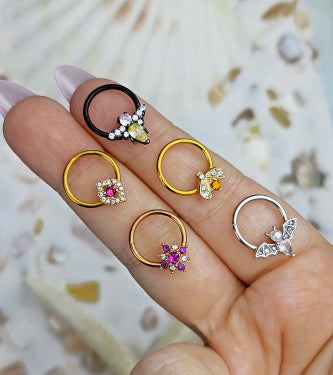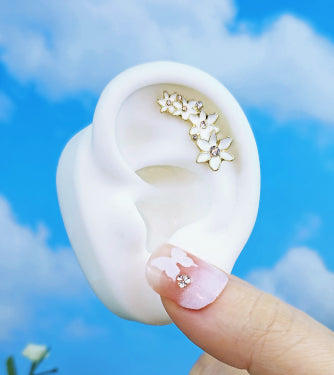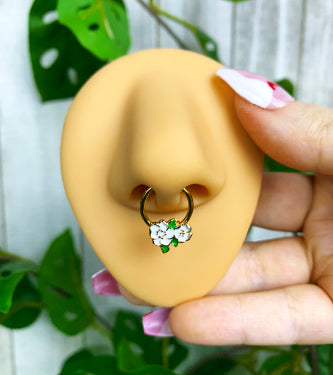




















So, you got a new piercing (or you're dreaming about one!). The excitement is real, but walking up to a jewelry case can feel like a pop quiz you didn't study for. You want something that looks killer, but you definitely don't want it to cause a nasty, angry reaction, right?
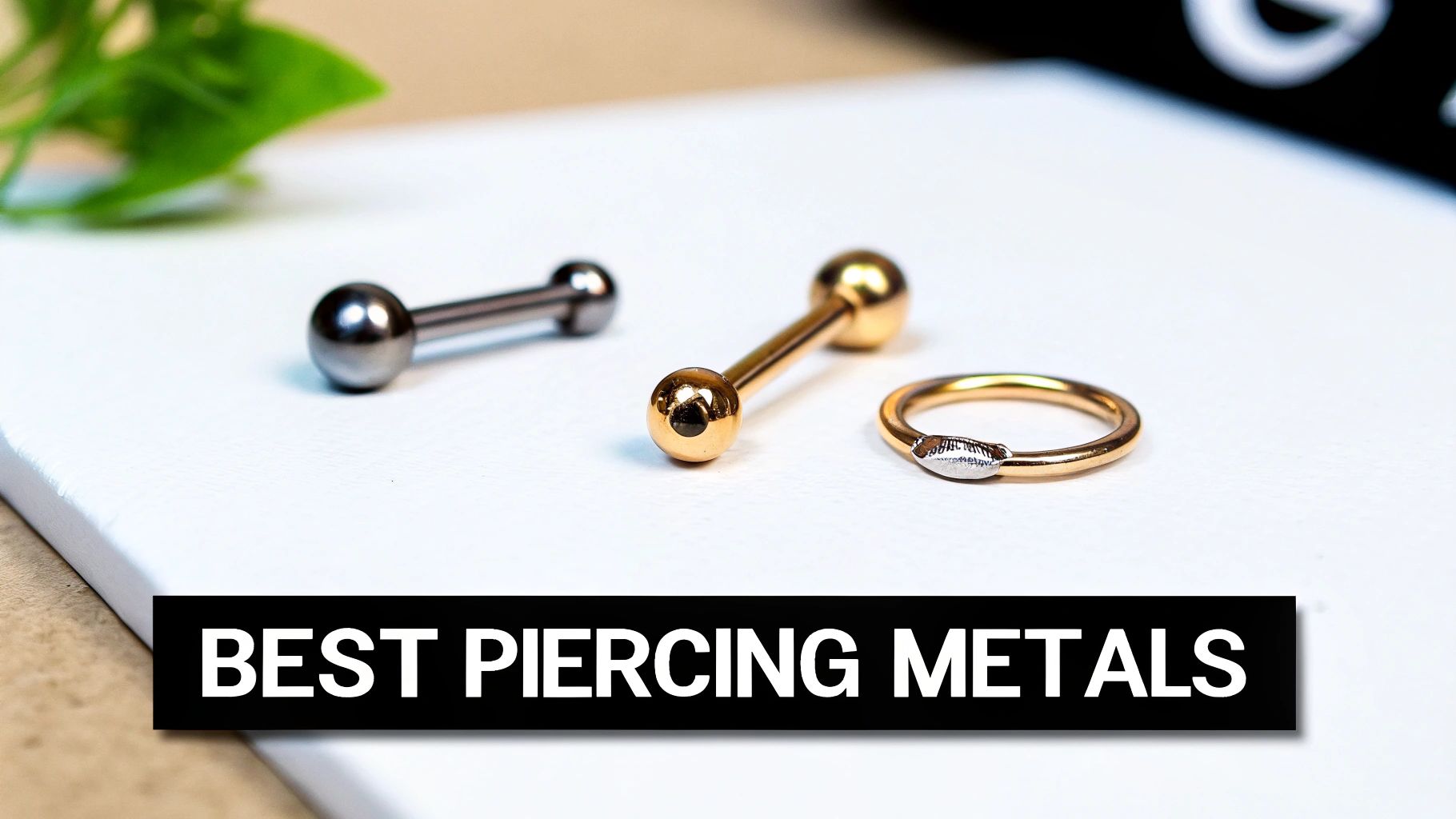
Let's cut right to the chase: for a fresh, brand-new piercing, implant-grade titanium is the undisputed champion. It's famous for being hypoallergenic and your body basically pretends it isn't even there. Once you're fully healed up, the door swings open to a whole world of other amazing materials like surgical steel and solid gold.
A Quick Look at Piercing Metals
Choosing the right metal for your body jewelry is probably the most important decision you'll make right after picking the piercing itself. The material has a huge impact on how well you heal, how comfy you are, and the long-term health of your piercing.
Think of it this way: your fresh piercing is a tiny, super-sensitive wound. It needs the purest, gentlest environment possible to heal correctly. That’s why not all metals are created equal, especially when you’re comparing jewelry for a new piercing versus one that’s been healed for years.
This simple map shows how your best metal choices branch out depending on where you are in the healing process.
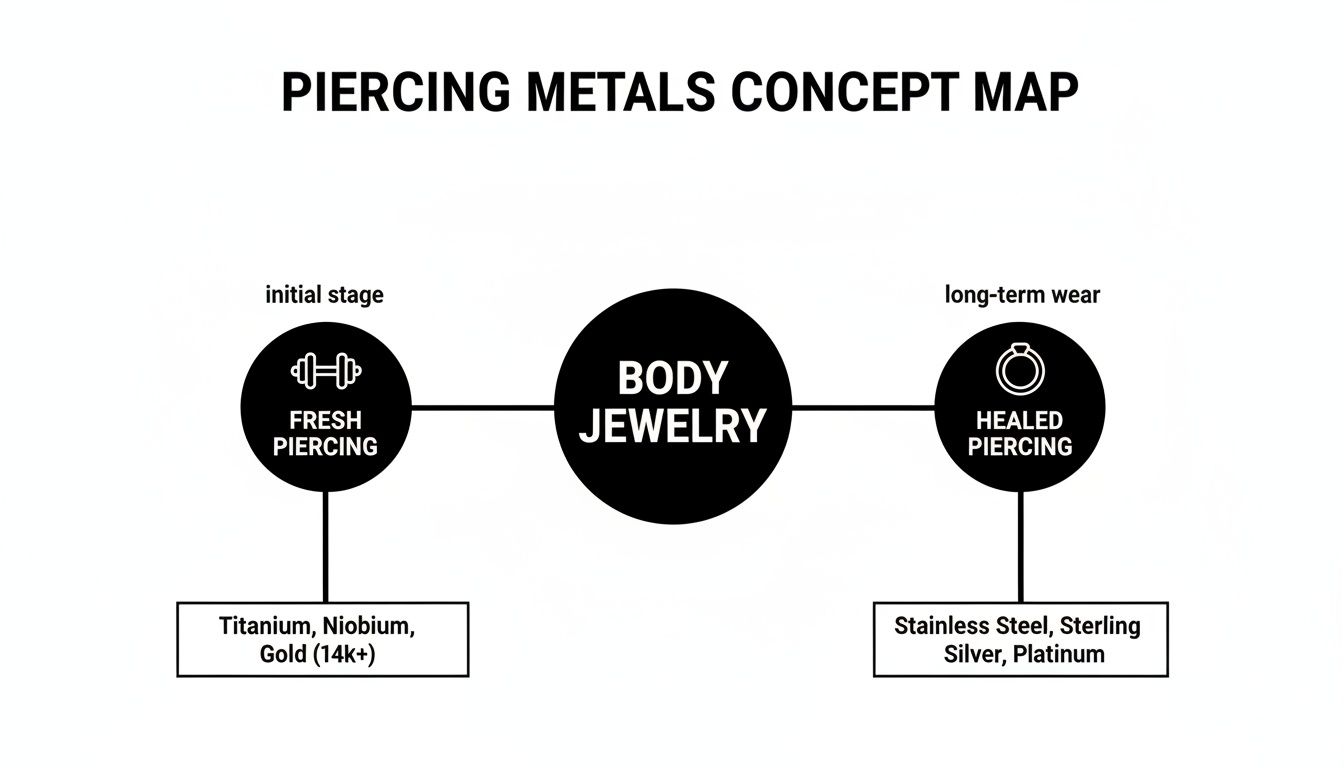
As you can see, the super biocompatible stuff is reserved for the initial healing phase. After that, you get to have a lot more fun with style and variety.
Piercing Metals at a Glance
To make things even easier, here’s a quick rundown of the most popular metals. This table breaks down what’s best for new vs. healed piercings, plus what you can expect in terms of safety and cost.
| Metal Type | Best For | Hypoallergenic | Average Cost |
|---|---|---|---|
| Implant-Grade Titanium | New & Healed Piercings, Sensitive Skin | Yes | $$ |
| 14k-18k Solid Gold | New & Healed Piercings (Nickel-Free Alloys) | Yes | $$$ |
| Niobium | New & Healed Piercings, Allergy-Prone Skin | Yes | $$ |
| Surgical Stainless Steel | Fully Healed Piercings Only | Varies | $ |
| Platinum | Healed Piercings, Luxury Option | Yes | $$$$ |
| Bioplast/PTFE | New & Healed Piercings, Medical/Dental Needs | Yes | $ |
Think of this as your cheat sheet for making a smart choice. When in doubt, you can always refer back to this to weigh your options.
Why Your Healing Stage Matters Most
For a brand-new piercing, your body's immune system is on high alert. You need a metal that's completely non-reactive and won’t leach any funky alloys into your sensitive tissue. This is exactly where materials like implant-grade titanium shine.
In fact, titanium is the gold standard for body piercings, especially if you have sensitive skin. It’s praised for its amazing biocompatibility, which means your body is very unlikely to have an allergic reaction to it. Professional piercers recommend implant-grade titanium that meets ASTM F-136 compliance—a fancy way of saying it’s certified safe for long-term wear inside the body. You can discover more insights about top piercing trends on skinarttraining.com.
Once your piercing is fully healed (which can take months or even a year!), the channel of skin inside, called a fistula, is well-established and way less sensitive. This is when you can start exploring other popular materials, such as:
- 316L Surgical Stainless Steel: A super durable and affordable choice for healed piercings.
- 14k or 18k Solid Gold: A classic, luxurious option that's safe for most people once healed.
- Niobium: Another fantastic hypoallergenic metal that can be anodized into vibrant colors.
Why Implant-Grade Titanium Is the Gold Standard
Alright, let's talk about the undisputed champion, the absolute superstar of the piercing world: implant-grade titanium. If you've ever stepped into a reputable piercing studio, this is the material your piercer pulled out for your initial jewelry, and for a very, very good reason. It’s the top choice for a smooth, drama-free healing process.
Think of it like this: a new piercing is an open wound that needs the cleanest, safest environment to heal. Titanium is like a VIP bodyguard for that wound. It’s incredibly biocompatible, which is a fancy way of saying your body recognizes it as a friend, not a foe, massively reducing the risk of irritation.
What Makes Titanium the Best?
So, what gives titanium its superstar status? It's not just any titanium; it's specifically implant-grade. This means it's the exact same quality of metal used for medical implants like bone screws and joint replacements. If it's safe enough to be inside your body long-term, you can bet it’s perfect for your new piercing.
This high standard of quality is verified by specific certifications. When you're shopping, you want to look for jewelry that is certified as ASTM F-136 or ISO 5832-3. These codes are your guarantee that the metal is pure, safe, and meets strict manufacturing guidelines for body implantation.
The most significant advantage of implant-grade titanium is that it is 100% nickel-free. Nickel is the number one culprit behind allergic reactions and those dreaded, angry irritation bumps that can ruin a new piercing. With titanium, that risk is virtually eliminated.
Additionally, its surface is non-porous. This means there are no microscopic nooks and crannies where bacteria can hide and throw a party, which is crucial for keeping your fresh piercing clean and happy. To dive deeper, check out our guide to titanium body jewelry.
The Magic of Anodized Titanium
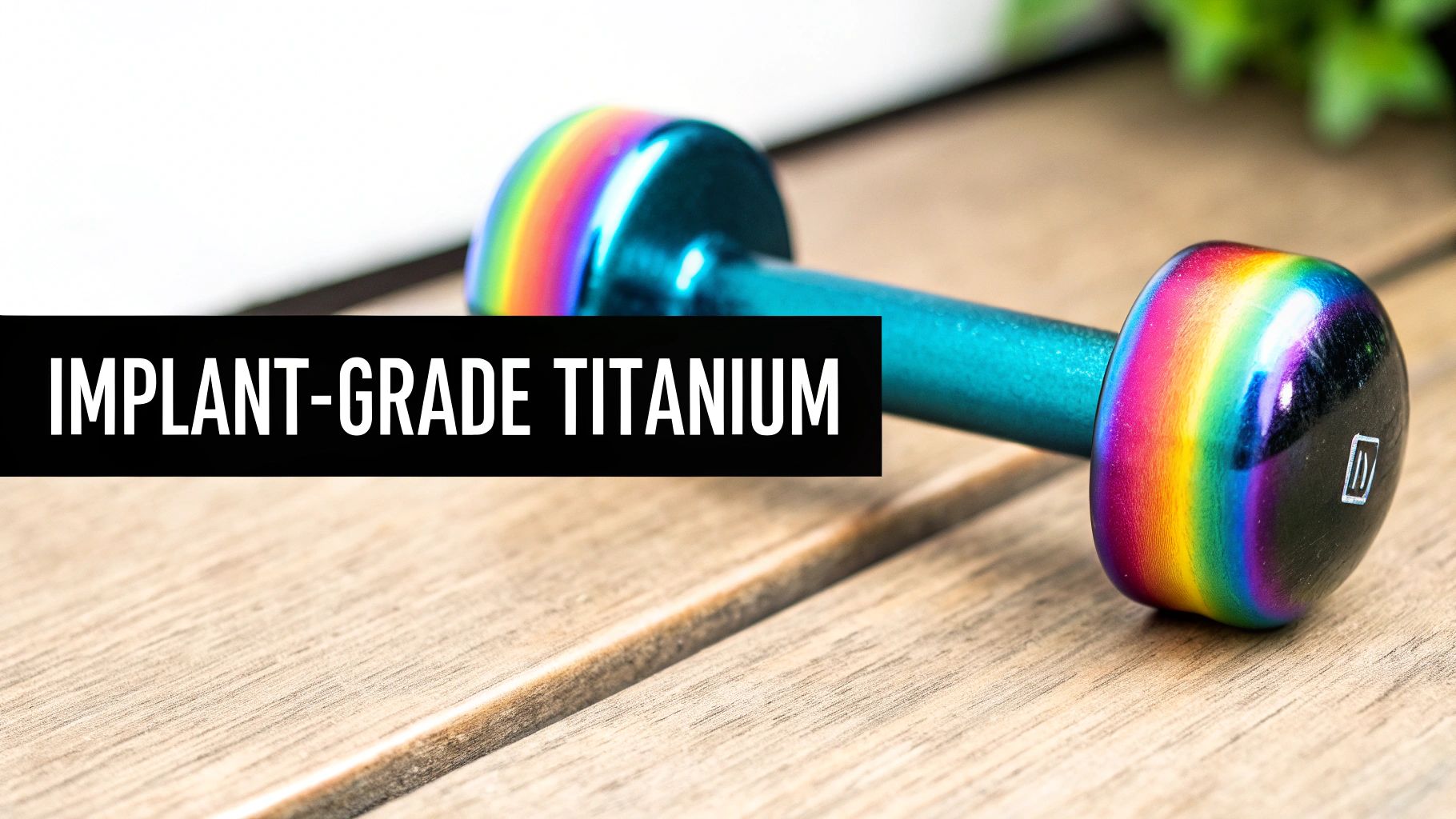
One of the coolest things about titanium is its ability to be colorful without any cheap, risky paints or plating that can chip off and wreak havoc on your healing skin. The secret is a process called anodization.
During anodization, the jewelry is submerged in a solution and an electrical current is passed through it. This process changes the thickness of the oxide layer on the metal's surface, which in turn refracts light differently. The result? A stunning spectrum of vibrant, iridescent colors—all created from the metal itself.
This means you can rock a rainbow of colors safely from day one. Here’s why anodized titanium is a game-changer:
- Completely Safe: The color is part of the metal, not a coating on top of it. Nothing can flake off into your piercing.
- Vibrant and Unique: Anodization can create incredible colors, from electric blue and vibrant purple to rich gold and even rainbow effects.
- Hypoallergenic: The process doesn't change the biocompatible nature of the metal, so it remains perfectly safe for sensitive skin.
From sleek silver-tone barbells to dazzling anodized rings, Bodycandy’s collection of implant-grade titanium jewelry proves that you never have to sacrifice style for safety. You get the best of both worlds: a piece that looks amazing and gives your piercing the best possible start.
Exploring Surgical Steel: The Reliable Favorite
Once your piercing has made it through the healing phase and is happy and settled, a whole new world of jewelry opens up for you. For a lot of people, surgical stainless steel is the first stop on that exciting journey. It's an absolute fan-favorite for good reason: it's tough, has a brilliant mirror-like shine, and comes with a seriously friendly price tag. You get a ton of style without having to empty your wallet.
But here's the deal: not all steel is created equal. It's super important to know how to spot the difference between high-quality, body-safe options and sketchy mystery metals that could leave your piercing feeling angry and irritated.
Not All Steel Is Created Equal
When you’re on the hunt for new bling, you’ll want to keep an eye out for specific grades of surgical steel. This is how you know you're getting the good stuff. The two rockstars you should look for are 316L and 316LVM surgical steel.
These aren't just random letters and numbers; they tell you the metal is formulated for biocompatibility. The "L" means low carbon, and "VM" means it was vacuum-melted. That vacuum melting process is key—it zaps away impurities and creates an ultra-smooth, non-porous surface that bacteria has a tough time clinging to.
Crucial Tip: Always, always check the product description for the exact grade of steel. If a piece is just listed as "stainless steel" without a grade, it’s best to pass, especially if your piercing is still on the newer side of being fully healed.
Low-quality or unspecified steels can have rough finishes and contain mystery alloys (and more nickel!) that can cause a world of irritation. Sticking to 316L and 316LVM is your best bet for keeping your piercing happy with its new jewelry.
The Deal With Nickel Content
Let's get straight to the most common question: what about nickel? It's true, surgical steel does contain some nickel. But in high-quality alloys like 316L, the nickel is chemically locked into the metal, making it incredibly resistant to corrosion. This means a minuscule amount, if any, ever actually makes contact with your skin.
For most people with healed piercings, this is a non-issue. The healed channel of skin inside your piercing (called a fistula) is strong enough to handle it just fine. But this is exactly why surgical steel is a hard no for fresh piercings. A new piercing is an open wound, and exposing it to even tiny amounts of nickel can trigger an allergic reaction and throw your whole healing process off track.
Surgical steel, especially grades like 316LVM, has been a go-to in the piercing world since the 1970s. It offers a solid, affordable choice for daily wear in healed piercings. When used correctly, studies have even shown that its high resistance to nickel leaching can help drop infection rates to under 2%.
Caring for Your Steel Jewelry
One of the best parts about surgical steel is how low-maintenance it is. This stuff is tough, doesn't scratch easily, and won't tarnish like silver. A little bit of care goes a long way in keeping that beautiful, high-polish shine.
Here’s how to keep your steel pieces looking brand new:
- Regular Cleaning: A gentle wash with some mild, fragrance-free soap and warm water is all it needs. You can use a soft-bristle toothbrush to get into any tiny crevices.
- Thorough Drying: After cleaning, always dry your jewelry completely with a soft, lint-free cloth to prevent water spots and keep it gleaming.
- Proper Storage: Keep your steel pieces in their own soft pouch or a separate compartment in your jewelry box. This prevents them from getting scratched up by other, harder jewelry.
At Bodycandy, our surgical steel collection is massive. From industrial barbells and classic captive bead rings to endless hoops and navel rings, you'll find a huge variety of styles to express yourself. For some inspiration on unique steel options, check out our piece on annealed 316L surgical steel D-rings.
Choosing Solid Gold for Timeless Luxury
Ready to bring that classic, luxurious vibe to your piercing collection? Let's talk about gold. There's a good reason it's been the go-to for gorgeous jewelry for centuries—it's elegant, timeless, and, when you pick the right kind, an amazing option for your healed piercings. Gold just has a warm glow that feels special, instantly turning any piercing into a style statement.
But hold on before you raid the treasure chest. It's super important to know that not all gold is created equal, especially when it comes to body jewelry. You can't just pop any gold piece in and call it a day. Making a smart choice is the key to keeping your piercings happy while you rock that high-end look.
Understanding Karats and Your Piercing
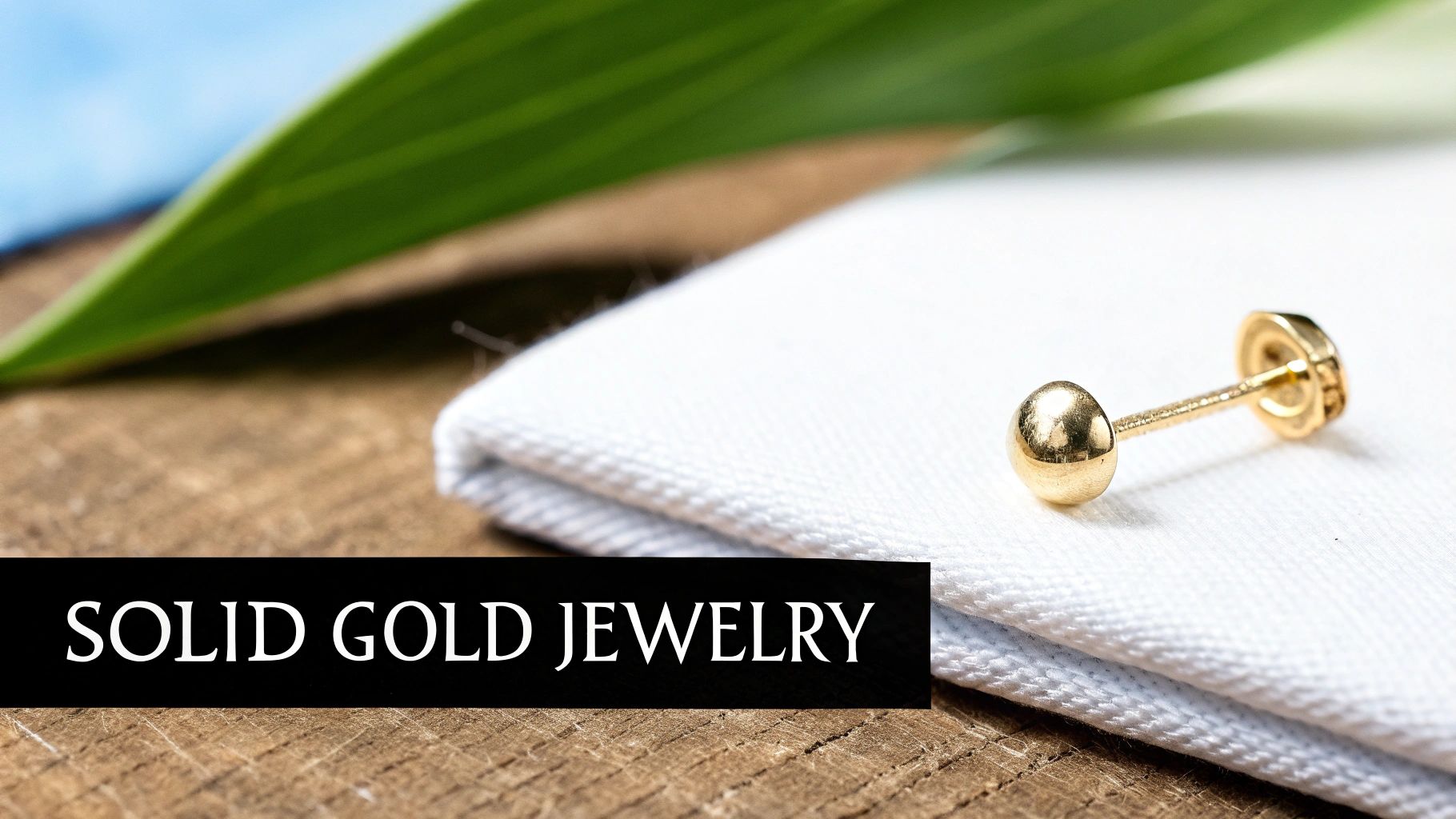
When you see "14k" or "18k" stamped on jewelry, it's not just for show—it's telling you how pure the gold is. Pure gold is 24 karats (24k), but you'll almost never find body jewelry made from it. Why's that? Because 24k gold is incredibly soft. It would bend, scratch, and get misshapen with the slightest bit of pressure, making it totally impractical for something you wear every day.
To get that strength, jewelers mix pure gold with other metal alloys like copper, silver, or palladium. This is where understanding karats becomes crucial for your piercing's health.
- 14k and 18k Solid Gold: This is the sweet spot for body jewelry. They've got enough pure gold to be biocompatible for most people, but also enough alloy mixed in to make them durable enough for daily life. A piece like a 14k gold seamless hoop ring is a perfect example of this beautiful, durable balance.
- 10k Gold: This option has more alloy metals than pure gold. While that makes it tougher and more affordable, that higher alloy content also bumps up the risk of skin irritation, especially in sensitive piercings.
- 22k or 24k Gold: Like we said, these are just too soft and delicate for most piercings. They're better left for traditional jewelry that you don't wear 24/7.
For any healed piercing, sticking with 14k or 18k solid gold is your best bet. It gives you that perfect mix of luxury, durability, and safety.
Solid Gold vs. Gold-Plated and Gold-Filled
This is where a lot of people get tripped up. The names sound alike, but for your piercing, the difference is massive. Getting this right is the key to investing in a piece that will actually last.
Shopping Smart: If you see a "gold" piece of jewelry with a surprisingly low price tag, that's often a red flag. Plated and filled options are cheaper for a reason, and that reason is usually a mystery base metal that your piercing might seriously dislike.
Let’s break it down:
| Type | What It Is | Best For Piercings? |
|---|---|---|
| Solid Gold | The jewelry is made from a solid gold alloy all the way through. | Yes. It's the safest, most durable, and longest-lasting choice you can make. |
| Gold-Plated | A super-thin layer of gold is electroplated over a base metal (like brass, copper, or nickel). | No. The plating is paper-thin and can easily chip, flake, or wear off, exposing your skin to whatever mystery metal is underneath. It's a recipe for irritation. |
| Gold-Filled | A thicker layer of gold is heat-bonded to a base metal. It’s tougher than plated, but still not as reliable as solid gold. | Risky. It's better than plated, but that gold layer can still wear down over time, especially in a piercing that gets a lot of movement. It's best to just avoid it for body jewelry. |
The Importance of Nickel-Free Alloys
Even when you're looking at solid gold, there's one more detail to keep an eye on: nickel. Some gold alloys, especially in white gold, use nickel to get that silvery color and add hardness. Since nickel is one of the most common metal allergens, choosing nickel-free solid gold is a must, particularly if you have sensitive skin.
In fact, the demand for high-quality, pure alloys is growing. Recent findings show that irritation risks for 14k and higher gold are super low, hovering around just 1-3%. That makes gold a fantastic choice for healed piercings in sensitive spots like nipples or septums, especially when you compare it to nickel-heavy costume jewelry that can cause reactions in over 12% of wearers. You can learn more about what's next in piercing from this article on upcoming trends from heyrowan.com. When you invest in a quality piece from Bodycandy's solid gold collection, you're getting a beautiful, body-safe treasure that you'll be able to love for years to come.
More Materials to Know: Niobium, Platinum, and Bioplast
Okay, we've talked about the big dogs: titanium, surgical steel, and solid gold. But the world of body jewelry is way bigger than just those three! When you're looking for something a little different—maybe for super-sensitive skin or a specific piercing—there are some amazing specialty materials that really deserve their moment in the spotlight.
Think of these as the cool, indie options in your jewelry box. They solve specific problems and bring unique benefits to the table that the mainstays sometimes can't. Let's dive into the materials that can take your piercing game to a whole new level.
Niobium: The Colorful and Hypoallergenic Cousin
If you love the safety of titanium but crave even more vibrant colors, you need to meet Niobium. This is an elemental metal, which is just a fancy way of saying it’s not an alloy and is naturally 100% free of nickel. That makes it an absolute dream for anyone with severe metal sensitivities or those frustrating, persistent irritation issues.
Just like titanium, Niobium can be anodized to create a stunning rainbow of colors. The key difference? Niobium's colors are often considered even richer and more vivid. Plus, it can be anodized to a true, deep black—something titanium just can't do.
Niobium is a fantastic choice for initial piercings, especially for people who have reacted to other metals in the past. It's lightweight, durable, and its purity makes it one of the safest materials you can put in your body.
Platinum: The Ultimate in Luxury and Durability
When you want the absolute best of the best, you go for Platinum. This is the peak of luxury piercing jewelry, period. It’s incredibly rare, extremely durable, and has a gorgeous, cool-toned shine that will never fade or tarnish.
Platinum is a phenomenal choice for healed piercings because it’s almost entirely inert, meaning it won't react with your skin. It’s naturally hypoallergenic and even more dense and durable than gold, so it stands up to daily wear and tear like nothing else.
Of course, that level of quality comes with a higher price tag. But if you’re looking for a "forever piece" to invest in—something truly special for a milestone piercing—platinum is a stunning choice that will literally last a lifetime.
Bioplast and PTFE: The Flexible, Non-Metal Options
Sometimes, the best material for your piercing... isn't a metal at all! That's where materials like Bioplast and Polytetrafluoroethylene (PTFE) come in. These are flexible, biocompatible plastics that offer solutions that rigid metals simply can't.
These materials are perfect for a few very specific situations:
- Oral Piercings: Their soft, flexible nature is much kinder to your teeth and gums than a metal stud, seriously cutting down the risk of dental damage.
- Medical Procedures: If you need an MRI or surgery, you can often pop in a Bioplast or PTFE retainer to keep your piercing open safely.
- Pregnancy: As your body changes, a flexible PTFE belly ring can adapt with you, offering a level of comfort a metal bar can't match.
- Extreme Allergies: For those who react to even the safest metals, these plastic options are completely inert and allergy-free.
While they are fantastic problem-solvers, keep in mind they are more porous than implant-grade metals. This just means they need diligent cleaning to prevent bacteria from building up, so they’re generally best for fully healed piercings unless your piercer recommends one for a specific reason.
How to Pick the Perfect Piercing Metal for You
With so many fantastic options on the table, how do you actually decide which one is right for you? Think of this as your personal cheat sheet. We'll walk you through the most important things to consider so you can land on a metal that not only looks great but keeps your piercing happy and healthy.
Picking the right material really boils down to knowing your own body, your daily grind, and the piercing itself. What works perfectly for your best friend might be a total disaster for you, so a little self-reflection here goes a long, long way.
Are You Team Sensitive Skin?
Let's cut to the chase and start with the most critical factor: your skin's sensitivity. Have you ever popped in a cheap pair of earrings only to end up with itchy, red, or swollen lobes a few hours later? If you're nodding your head, you probably have a sensitivity to nickel, which is the number one culprit behind metal allergies.
If you even suspect you have sensitive skin, your best bet is to stick with completely nickel-free options, especially for a brand new or still-healing piercing.
- Your Safest Bets: Implant-grade titanium, niobium, and platinum are your new best friends. These metals are either pure elements or alloys that are 100% nickel-free.
- Be Cautious With: Surgical steel. While high-quality 316L steel is perfectly fine for many people with healed piercings, it does contain a very small amount of nickel. If you're super sensitive, it's often easier to just avoid it altogether.
- Double-Check Your Gold: When picking out solid gold, look for alloys that are specifically marked as nickel-free. This is extra important for white gold, which sometimes relies on nickel to get its silvery color.
Want to dive deeper into identifying and handling skin sensitivities? We've got a ton of info in our guide on allergic reactions and piercing care.
Consider the Piercing Location
Where your piercing lives on your body makes a huge difference in what metal you should choose. Let's be real—some spots are just more high-maintenance than others because of movement, moisture, and general day-to-day contact.
A simple, healed earlobe piercing is pretty chill and can handle a wide variety of metals. A navel or nipple piercing, on the other hand, is a completely different ballgame. These areas are constantly rubbing against clothing and moving with your body, so you need a super smooth, non-reactive metal to keep irritation at bay.
For piercings in high-movement or moist areas (like your navel, nipple, or oral piercings), implant-grade titanium is almost always the best choice, even long after they've healed. Its lightweight feel and non-porous surface are a winning combo for cutting down on irritation from friction and bacteria.
Match the Metal to Your Lifestyle and Budget
Finally, let's get real about your daily life and what you're willing to spend. Are you constantly on the go and need something that can take a beating? Or are you hunting for that perfect, jaw-dropping piece for special occasions?
- For the Active Lifestyle: Titanium and surgical steel are absolute workhorses. They’re tough, hard to scratch, and can handle just about anything you throw at them.
- For the Luxury Look: Solid gold and platinum bring that timeless, elegant vibe. They're definitely an investment, but they're perfect for building a high-end, curated collection you’ll love for years to come.
- For the Budget-Conscious Shopper: Once your piercing is fully healed, 316L surgical steel offers an incredible variety of styles. The price point is perfect for experimenting with new looks and switching things up whenever you feel like it.
By thinking through these three things—your sensitivity, the piercing's location, and your lifestyle—you can narrow down the choices and shop with total confidence. Over at Bodycandy.com, we make it even easier: just use the material filters to find exactly what you need, knowing you’re getting quality jewelry designed to keep you safe and stylish.
Your Piercing Metal Questions Answered
Even with all this info, you might still have a few questions buzzing around. That's totally normal! Let's tackle some of the most common ones our customers ask so you can feel 100% confident in your next jewelry choice.
How Do I Know If I Have a Nickel Allergy?
This is a big one. Nickel allergies are incredibly common and can pop up at any age, even if you've worn cheap jewelry your whole life without a problem. The signs are usually pretty hard to ignore.
If you pop in a new piece of jewelry and the area starts acting up within a few hours or days, nickel might be the culprit. Look out for:
- Intense itching or a rash that looks like tiny red bumps.
- Redness and swelling around the piercing that just won't quit.
- Dry, flaky patches of skin that almost look like a burn.
- In more serious cases, you might even see blistering or little fluid-filled bumps.
If you think you're having a reaction, take the jewelry out immediately. The best next step is to switch to a guaranteed nickel-free material like implant-grade titanium or niobium. Once the irritant is gone, the reaction should calm down pretty quickly.
When Is It Safe to Change My Initial Jewelry?
Ah, the question every single person with a new piercing asks! You're dying to swap out that plain starter stud for something with a little more flair, but this is where patience really pays off. Changing your jewelry too early is the fastest way to irritate a healing piercing and set yourself back.
The real answer? It all depends on the piercing's location and how your own body heals.
Golden Rule: Your piercing must be 100% fully healed before you even think about your first jewelry swap. This isn't just about it not being sore anymore—it means the internal tunnel of skin, called a fistula, is completely formed and sturdy.
While you should always listen to your piercer's specific advice for your piercing, here's a general timeline:
- Earlobes: Usually ready in 6-8 weeks.
- Cartilage (Helix, Tragus): Be prepared to wait. This can take 6-12 months, sometimes longer.
- Nostril: Typically around 4-6 months.
- Septum: One of the quicker ones, often healed in 2-3 months.
- Navel: This one's a marathon, not a sprint. Expect to wait 9-12 months.
Trying to jam new jewelry into a piercing that isn't ready can cause tearing, irritation bumps, and a major delay in your healing. If you're not sure, just swing by a professional piercer for a quick check-up. They'll let you know if you're good to go!
Ready to find your new look? Shop our full collection of body-safe jewelry today at https://bodycandy.com and give your piercing the quality it deserves