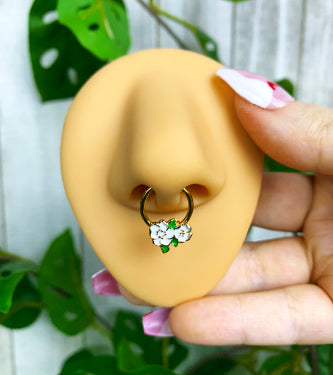















Ever found the perfect piece of body jewelry online, only for it to arrive and be completely the wrong size? Ugh, it’s the worst. But what if I told you a solid body jewelry size chart is the secret to getting it right every single time?
Think of this guide as your personal translator for all things piercing measurements. We'll break down everything from gauge (that's the thickness) and length (for straight jewelry like barbells) to diameter (for all you hoop lovers). No more guessing, no more disappointments—just flawless fits.
Your Ultimate Body Jewelry Sizing Guide
Let's be real, figuring out the difference between gauges, lengths, and diameters can feel like learning a whole new language. If you've ever felt totally lost staring at a sizing chart, trust me, you are not alone. I've put this guide together to walk you through exactly what you need to know so you can shop with total confidence.
My goal here is to make sure your next piece of jewelry not only looks amazing but also fits comfortably and safely. This is your quick reference guide to pull up anytime you need it, whether you're hunting for a new labret stud or that perfect belly ring.
Ready to finally ditch the sizing guesswork? Here’s what we'll cover:
- How to finally make sense of the gauge system (hint: it's kinda backward!).
- The right way to measure length and diameter for a perfect, comfy fit.
- A complete rundown of the standard sizes for pretty much every piercing out there.
Understanding Piercing Gauge Sizes
When you start shopping for new body jewelry, one of the first and most important terms you'll run into is gauge. This simply refers to the thickness of the post or ring that actually goes through your piercing.
It can feel a little counterintuitive at first, but here’s the key thing to remember: the higher the gauge number, the thinner the jewelry is. For example, a delicate 20g nose ring is super thin, while a standard 14g belly ring is noticeably thicker and more substantial.
Common Gauge Sizes
Most standard body piercings start around 20 gauge (the thinnest) and go down from there. Of course, sizes can get much larger, especially for stretched piercings like earlobes, giving you a huge range for personal expression. Getting the gauge right is crucial for a happy, healthy piercing, since the wrong thickness can cause irritation or problems with healing.
This chart gives you a great visual for how the common gauge numbers translate to actual thickness in millimeters.

As you can see, the diameter in millimeters gets larger as the gauge number gets smaller. If you want to take a deeper dive, you can learn more from our crash course on standardized body jewelry sizing.
How to Measure Jewelry Length and Diameter
Okay, so you've sorted out your gauge size. The next crucial measurement is either length or diameter, depending on your jewelry style. You can think of this as the "wearable surface" of your piece.
Getting this measurement right is all about comfort and safety. Jewelry that’s too snug can put awful pressure on your piercing, while a piece that’s too long or wide can easily snag on your hair and clothes (ouch!).
Measuring Your Current Jewelry
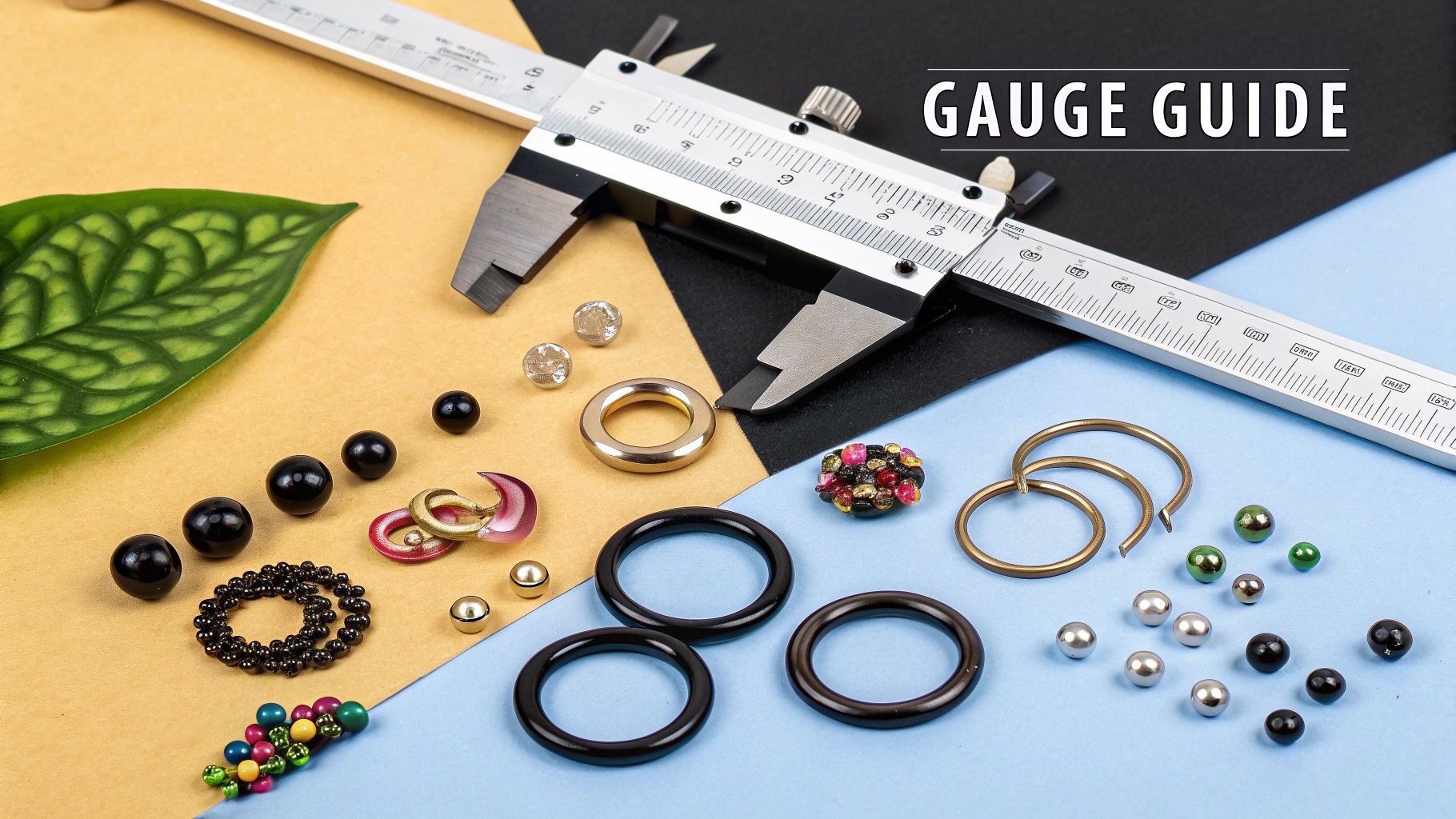
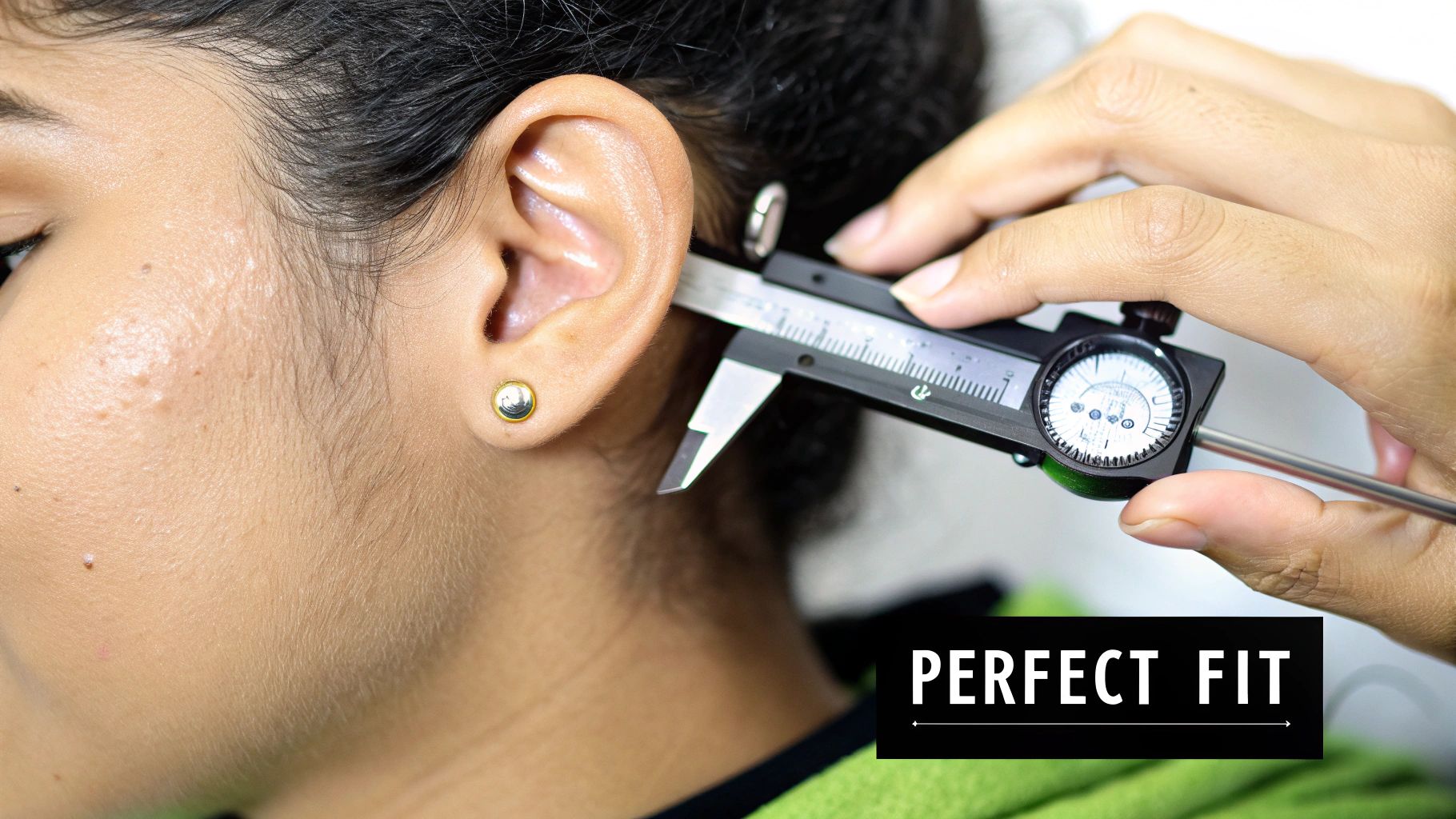
By far the easiest method is to simply measure a piece of jewelry that you already own and know fits you perfectly. For the best accuracy, you’ll want to use a ruler or, even better, a pair of calipers.
Here’s exactly what to measure:
- For Barbells: You need the length of the post between the two end balls. A common mistake is including the balls in the measurement, but you should only measure the wearable bar itself.
- For Hoops: Measure the internal diameter of the ring. This is the distance from one inside edge straight across to the opposite inside edge.
If you're starting from scratch without a well-fitting piece to use as a reference, don't worry! Our guide on the basics of measuring up your body jewelry has some extra tips to help you out.
Ear Piercing Jewelry Sizes: A Complete Guide
Your ear is a totally unique canvas, and getting the jewelry size right is key to both comfort and your personal style. Every piercing, from a classic lobe to a delicate forward helix, has its own standard sizing that a professional piercer follows. This guide will walk you through the most common sizes to help you create that perfect, curated ear stack.
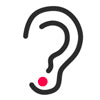
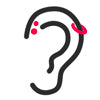
We'll break down the standard gauges and lengths for everything. For instance, earlobes are typically pierced at 20g or 18g, while most cartilage piercings like the tragus and helix are done at a slightly thicker 16g. The length or diameter is just as important—a snug 6mm hoop might be perfect for a healed helix, but a brand-new conch piercing needs a longer flat-back labret to allow for that initial swelling.
It's fascinating to see how sizing standards play a role across the globe. With ear piercings being the most popular type worldwide, making up about 46% of all piercings, having reliable charts is crucial. In North America alone, which represents a huge portion of the market (34-35.7%), these sizing conventions are what keep the industry consistent. You can dive deeper into these figures by checking out the latest global body jewelry market trends.
Comprehensive Ear Piercing Size Reference Chart
To make things even easier, here’s a quick-reference chart covering the most popular ear piercings. Keep in mind that these are standard starting sizes—your own anatomy or your piercer’s recommendation might mean you need something slightly different.
| Ear Piercing Type | Common Gauge (Thickness) | Common Stud/Barbell Length | Common Hoop Diameter |
|---|---|---|---|
| Lobe | 20g, 18g | 6mm, 8mm | 8mm, 10mm, 12mm |
| Upper Lobe | 20g, 18g | 6mm, 8mm | 6mm, 8mm, 10mm |
| Helix | 16g, 18g | 6mm, 8mm | 6mm, 8mm, 10mm |
| Forward Helix | 16g, 18g | 5mm, 6mm | 5mm, 6mm |
| Tragus | 16g | 6mm, 8mm | 5mm, 6mm |
| Anti-Tragus | 16g | 6mm, 8mm | 6mm, 8mm |
| Conch | 16g, 14g | 8mm, 10mm, 12mm | 10mm, 12mm |
| Rook | 16g | 6mm, 8mm | 6mm, 8mm |
| Daith | 16g | N/A | 8mm, 10mm |
| Industrial | 14g | 32mm, 35mm, 38mm | N/A |
| Flat | 16g | 6mm, 8mm | N/A |
This chart is your new best friend for finding the right fit, but always remember the golden rule: when in doubt, chat with your professional piercer. They can measure your ear precisely and make sure your jewelry is perfect for you.
Body Jewelry Size Chart for Facial Piercings
When it comes to facial piercings, getting the size right is everything. The perfect fit doesn't just look better; it's essential for your comfort and proper healing. From your nose to your lips, each spot has its own standard sizing, and this guide will help you nail it.
Nostril piercings are a classic for a reason. They're actually the second most popular piercing type after earlobes, making up a huge 27% of the market. The most common gauges you'll see are a delicate 20g or a slightly thicker 18g. If you're a fan of hoops, getting the diameter just right is what gives you that perfectly snug look. For a deeper dive into these trends, check out these global body jewelry market insights.
Common Sizes for Septum and Lip Piercings
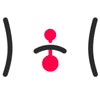
Septum piercings are all about finding that sweet spot. The standard gauge is almost always 16g, and the diameter will typically fall between 8mm and 10mm. This range usually offers the best fit to complement your facial anatomy without overwhelming your features.
For lip piercings like the labret or monroe, you'll generally be working with 16g or 14g flat-back studs. One of the most important things to remember here is downsizing your post after the initial healing period. This is absolutely crucial to protect your teeth and gums from potential irritation or damage!
Body Jewelry Size Chart for Body Piercings
When it comes to navel and nipple piercings, getting the right fit is everything. It's the difference between a piece that looks amazing and feels comfortable, and one that just causes constant irritation. No, thank you.
For navel rings, the most common size you'll see is a 14g gauge with a 3/8" (10mm) length. While that’s the standard, remember that everyone's anatomy is different. You might find that a slightly shorter or longer bar is what you need for that perfect, comfy fit.
Nipple piercings also typically start at a 14g gauge, but the barbell's length is the most important part of the equation. You're looking for a perfect fit—no pinching, but also not so much extra bar that it’s constantly catching on your clothes. Taking the time to measure properly makes all the difference.
Once you have your measurements down, you can confidently shop for beautiful navel curves and perfectly sized nipple barbells. If you're looking into other body mods, check out our guide on how to properly stretch your lobes.
Common Questions About Sizing
Still got a few questions rattling around in your head? Perfect. This is where we clear up some of the most common things people ask about body jewelry sizing.
We'll cover everything from what happens if you pick the wrong gauge to figuring out exactly when it's time to downsize your piercing. Think of this as your final quick-reference guide to help you find that perfect fit and shop at Bodycandy with total confidence. Ready to find your new look? Shop our full collection today