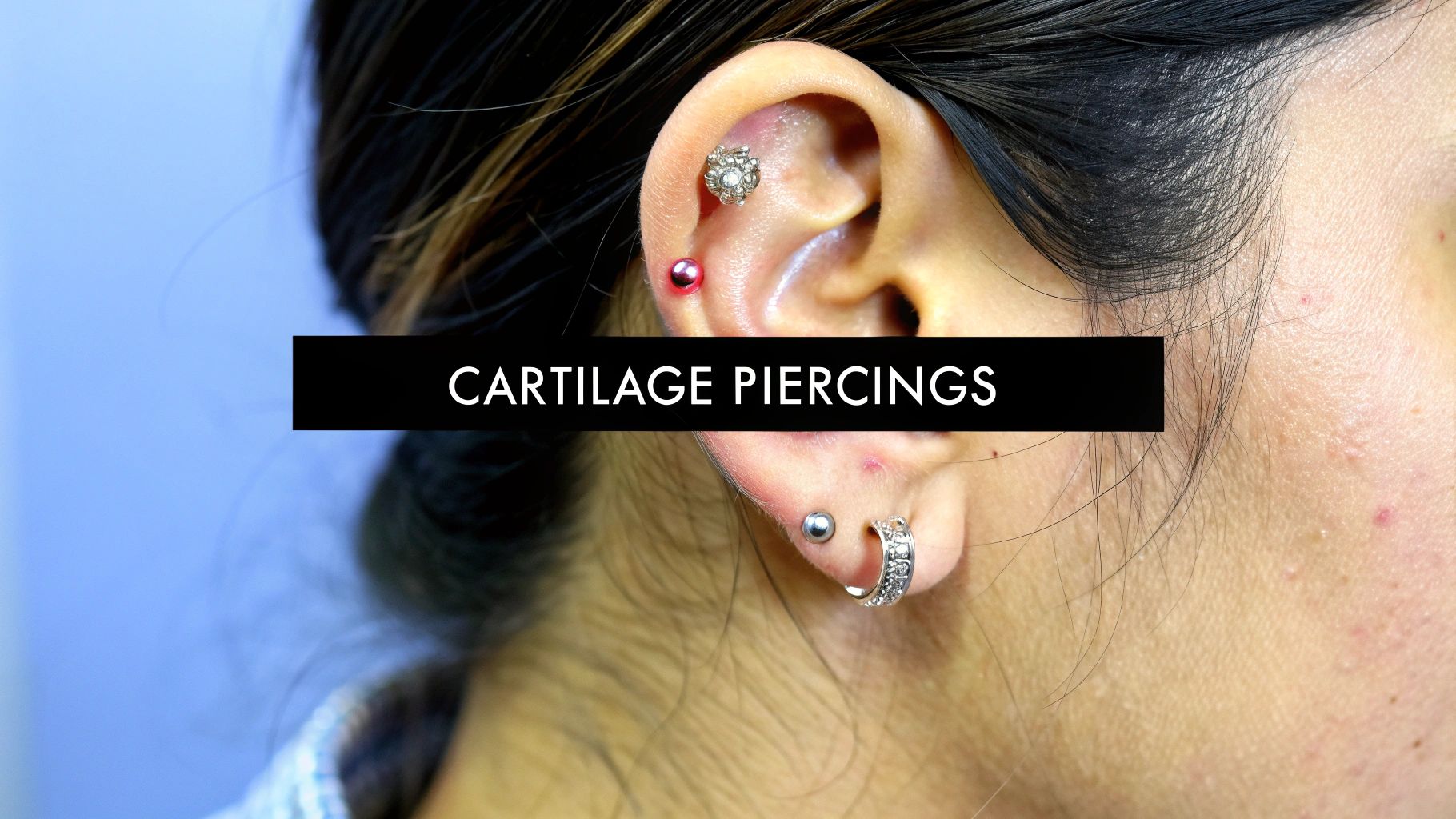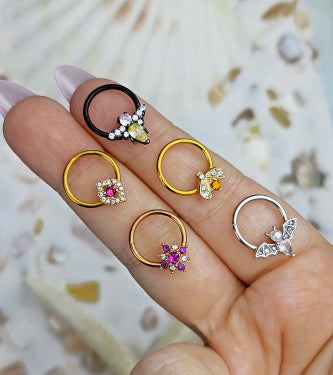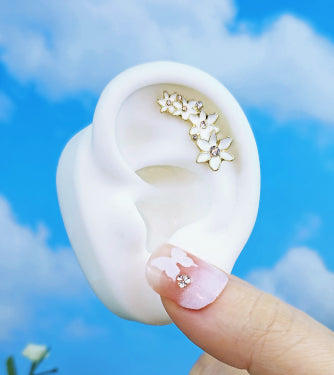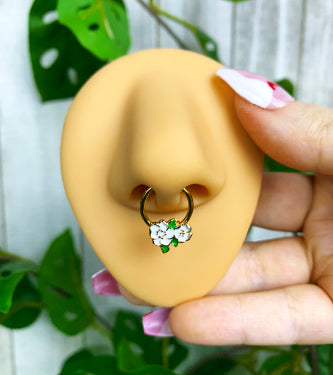




















So, you just got a fresh new piercing! Congrats! The single most important decision you'll make for a happy, healthy healing process is the jewelry you put in it first. If you want the short and sweet answer, implant-grade titanium is the undisputed champion for initial piercings. It's biocompatible and totally nickel-free, making it the safest bet to sidestep any annoying irritation from the get-go.
Choosing the Best Metal for a Happy Healing Piercing
Think of your first piece of jewelry as the foundation for your new look. It needs to be strong, safe, and completely drama-free for your body.
Picking the wrong metal is like building a house on shaky ground. It can lead to irritation, allergic reactions, and frustrating healing delays that totally kill the vibe. You’re excited to show off your new piercing, not deal with annoying bumps and redness, right?
This is exactly why professional piercers are so picky about the metals they use for that initial jewelry. They have a short list of trusted, body-safe materials that work with your body, not against it. This isn't the time to grab the cutest, cheapest ring you can find online. It's about starting smart so you can heal up fast and get to the fun part—swapping it out for all the amazing Bodycandy jewelry you've got your eye on.
Your Quick Guide to the Top Contenders
To kick things off, let's break down the key players that get a big thumbs-up from the pros. These metals are recommended because they are inert, meaning they won't react with your body or break down over time while your piercing is trying to heal.
Here’s what really matters:
- Biocompatibility is key: This is just a fancy way of saying your body is likely to accept the metal without freaking out and starting a fight.
- Nickel-free is a must: Nickel is the number one culprit behind metal allergies. Avoiding it, especially with a fresh, open wound, is super important.
- A smooth surface matters: Metals that are non-porous and super smooth don't give bacteria little nooks and crannies to hide in, which helps keep nasty infections at bay.
This handy little decision tree breaks it down for you.
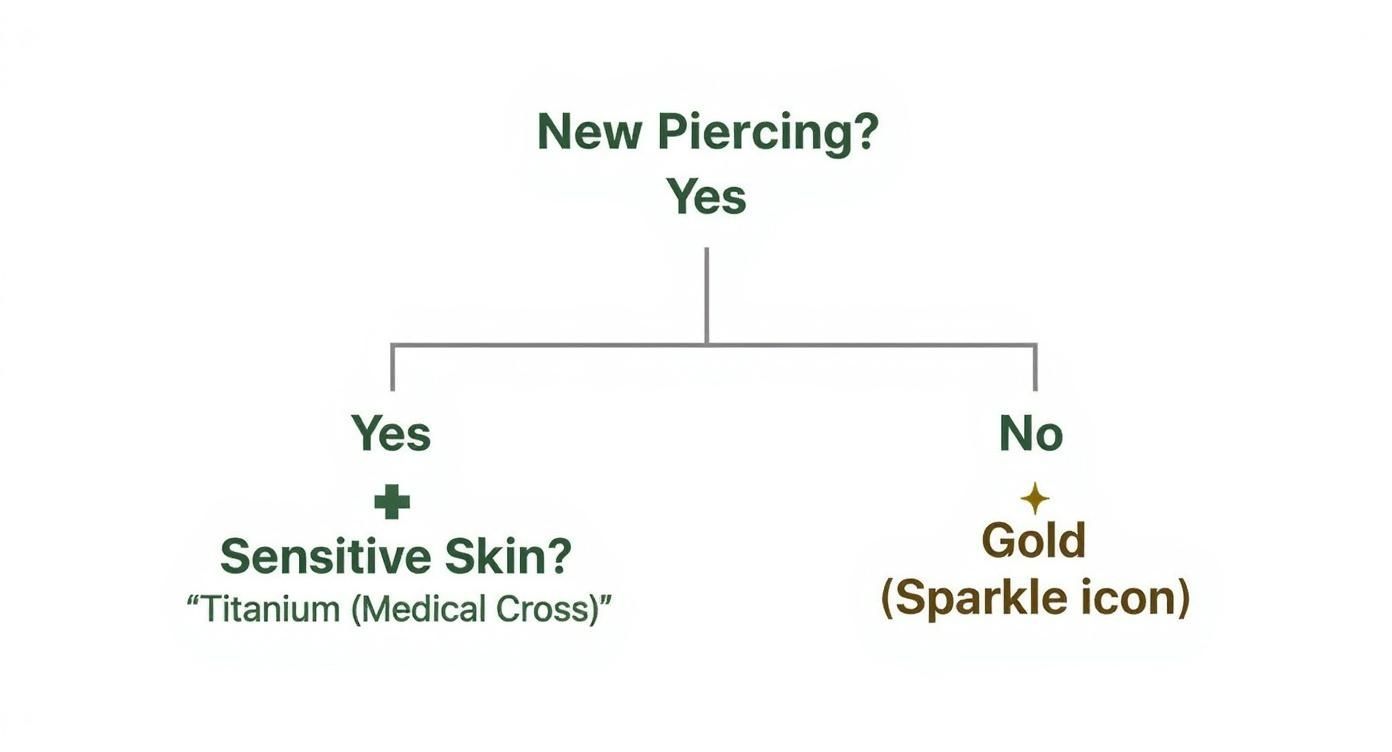
As you can see, the flowchart makes it simple: if you have sensitive skin (or just want to play it extra safe), titanium is your go-to. If you know you're not sensitive and want something a little more luxe, high-quality gold is a great alternative.
Why Implant Grade Titanium Is the Gold Standard
Let's talk about the absolute superstar of piercing metals: implant-grade titanium. If piercing metals were superheroes, titanium would be the one who's invincible—strong, reliable, and here to protect you from the villains of irritation and allergic reactions. It's the top recommendation from the Association of Professional Piercers (APP), and for very good reason.
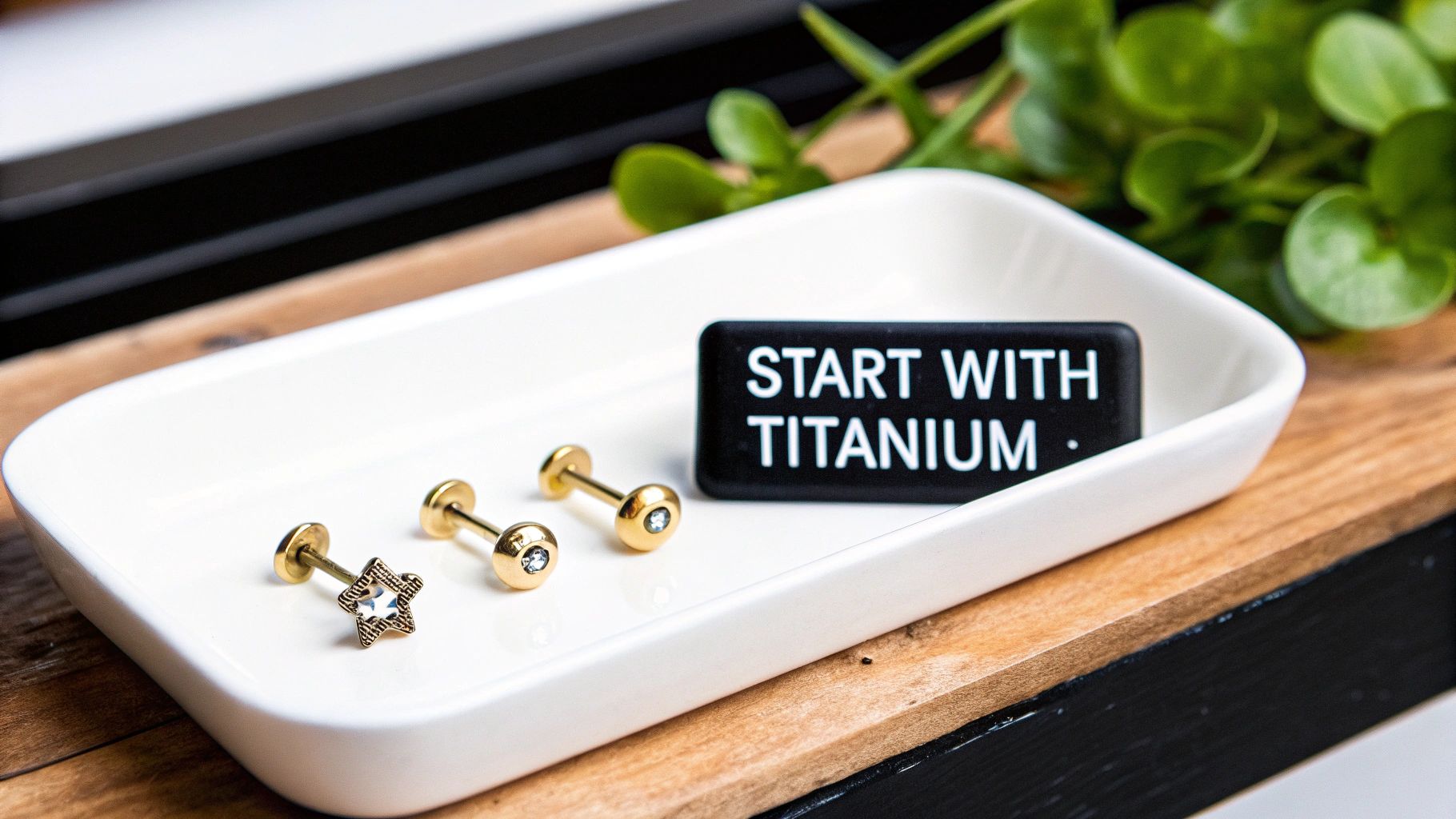
When you hear a piercer use the term biocompatible, they're essentially saying your body is going to become best friends with the metal. Titanium is incredibly biocompatible, meaning your immune system just chills out and lets the piercing heal in peace instead of trying to fight off what it thinks is a foreign invader.
What Makes It So Body-Friendly?
A huge part of its magic comes down to one simple fact: it's 100% nickel-free. Nickel is the number one culprit behind metal allergies, and a fresh, open piercing is the absolute worst place to discover you have a sensitivity. Starting with titanium takes that risk completely off the table.
This is exactly why titanium has become the go-to for professionals. While some types of stainless steel can contain traces of nickel, titanium alloys like ASTM F136 are engineered to meet strict surgical implant standards. That means they're literally safe enough to live inside your body for the long haul.
Another major perk? It's unbelievably lightweight. You'll barely even notice it's there, which makes the entire healing phase so much more comfortable, especially for piercings in sensitive spots or high-movement areas like your mouth. Less weight means less pressure and pulling on your delicate, healing tissue.
Pro Tip: When you're shopping, always look for jewelry specifically labeled "implant-grade" or ASTM F136. This is the official certification that confirms it’s the high-quality, body-safe material you need for a new piercing.
A Fortress Against Bacteria
Titanium’s surface is another one of its superpowers. It’s completely non-porous, giving it a super smooth finish with zero microscopic nooks and crannies for bacteria to hide and multiply in. A smoother surface makes cleaning your piercing way easier and more effective, helping to stop infections before they can even start.
That combination—nickel-free, lightweight, and non-porous—is what makes this metal the undisputed champion for initial piercings. It gives your body the best possible environment to heal up quickly and without any drama.
If you want to dive even deeper, check out our complete guide to everything you need to know about titanium body jewelry. For a fresh piercing, choosing titanium is one of the smartest decisions you can make.
Navigating the Pros and Cons of Surgical Steel
You’ve probably seen "surgical steel" just about everywhere you look for body jewelry. It’s tough, it comes in tons of styles, and the price is right. But when it comes to a brand-new piercing that’s still super sensitive, is it really the best choice? Well, the answer isn't a simple yes or no.
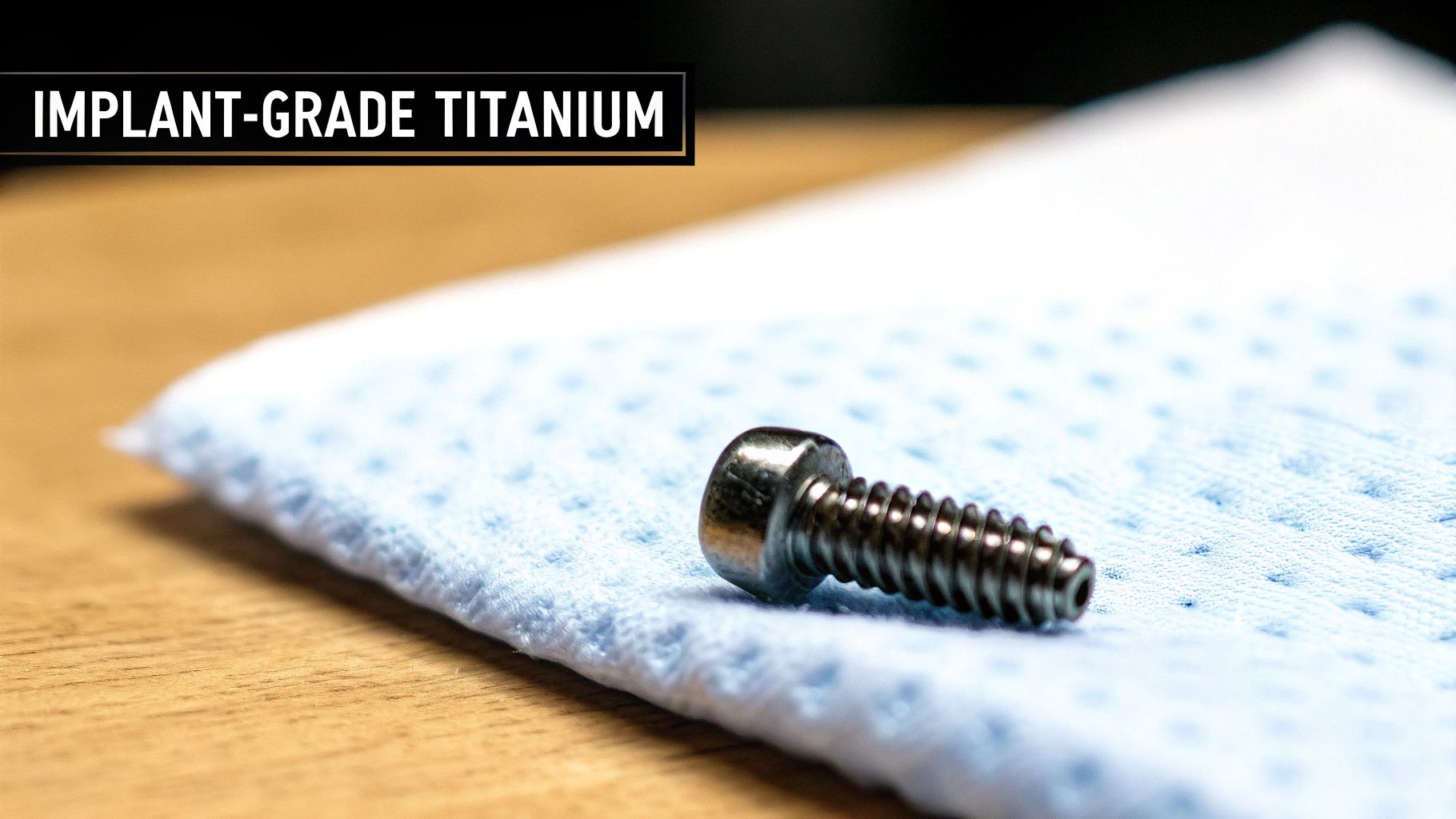
Let's be real about surgical steel. On one hand, it’s a total rockstar for strength and affordability. You can find an incredible variety of jewelry without emptying your wallet, making it a go-to for anyone with fully healed piercings.
But for a fresh piercing, there’s a big catch we need to talk about: nickel content. Think of this as the major red flag for anyone with sensitive skin or a piercing that's still in the healing phase.
Understanding the Grades and Nickel Risks
"Surgical steel" is kind of a catch-all term. It actually covers a bunch of different metal alloys, and they aren't all created equal. The most common grades you’ll see are 316L or 316LVM steel, which are used all the time for new piercings. But here’s the kicker: even these popular grades have nickel in them.
That nickel can trigger allergic reactions in some people, which is the absolute last thing you want to deal with when you’re trying to heal. It’s why industry safety standards like ASTM F138 exist—they specify implant-certified grades of stainless steel that are much more biocompatible. This is a good reason to learn more about the specifics of annealed 316L steel and what makes different grades unique.
A nickel allergy is no joke. It can show up as redness, itching, swelling, or even little blisters around your piercing. The tricky part is, some people don't even know they're sensitive to nickel until a new piercing introduces it to their system.
A new piercing is basically an open wound. Introducing a potential allergen into that wound is a gamble. Your body is already working overtime to heal, and forcing it to also fight off an allergic reaction can lead to some serious irritation and major healing delays.
Because of this risk, many professional piercers will steer clear of surgical steel for your initial jewelry. While it's a fantastic and budget-friendly choice once you're fully healed, it’s just not worth the potential drama during those crucial first few months. The best metal for a new piercing is one that eliminates these risks completely, letting you heal in peace.
Exploring Premium Options Like Gold and Niobium
If you want to treat your new piercing to a little bit of luxury right from the start, your mind probably jumps straight to gold. Who doesn't love a bit of sparkle? But let’s pump the brakes for a second—not all gold is created equal, especially when it comes to a fresh, healing piercing.
For an initial piercing, you need to be picky. The only truly safe options are solid 14k or 18k gold. This specific range hits the sweet spot, offering the perfect mix of purity and durability. Anything higher, like pure 24k gold, is way too soft. It scratches easily, and those tiny nicks and scratches can become breeding grounds for bacteria. No, thank you.
Why Solid Gold Is The Only Way To Go
This is important, so listen up: you absolutely must avoid any jewelry that is gold-plated, gold-filled, or gold vermeil for a healing piercing. Sure, they look fantastic and are much easier on the wallet, but they're a recipe for disaster. These pieces are just a thin layer of gold over some other base metal, which is usually a mystery alloy that could contain nickel.
That super-thin gold layer can wear away, flake off, or even react to your body's natural chemistry. When it does, your vulnerable new piercing is left exposed to whatever cheap metal is hiding underneath. This can trigger a nasty allergic reaction or some serious irritation. To get the full scoop on telling the good stuff from the bad, check out our guide to real gold jewelry 101.
Long story short? Always, always stick to solid gold from a piercer or brand you trust.
Meet Niobium: The Colorful, Safe Alternative
Want a splash of jaw-dropping color without taking any risks? Let me introduce you to niobium, titanium’s super cool, artsy cousin. Niobium is an elemental metal, meaning it’s pure and not a mix of different metals. This makes it incredibly biocompatible and a fantastic choice for anyone with severe metal sensitivities.
What really makes niobium a showstopper is its ability to be anodized. Through a completely safe electrical process, the surface of the metal can be transformed into a whole rainbow of colors. We're talking electric blues, vibrant purples, and even dazzling rainbow gradients—all without a single drop of paint, dye, or sketchy coating.
The Magic of Anodization: Anodizing doesn't add a layer of color that can chip off. Instead, it changes the oxide layer on the metal's surface, which alters how light reflects off it. The color is literally part of the metal itself. It won't flake or wear away inside your piercing, keeping it 100% safe.
Niobium is a tiny bit heavier than titanium, but it's still plenty comfortable for most initial piercings. If you're craving a unique, colorful look from day one but don't want to gamble with questionable colored coatings, niobium is your best-kept secret. It gives you the same peace of mind as implant-grade titanium but with a whole lot more personality.
Piercing Metals You Should Always Avoid
Alright, let's have some real talk. Just like there are green flags in piercing metals, there are some major red flags. Think of this as your official "what not to wear" guide, because choosing the wrong jewelry while you're healing can turn the whole experience into a total nightmare.
We want to be your piercing's personal bodyguard, steering you away from the irritation, bumps, and infections that come from sketchy materials. Sticking to high-quality, implant-grade metals is your best bet for a smooth ride, but knowing what to run from is just as crucial.
The Big Offenders on Your Hit List
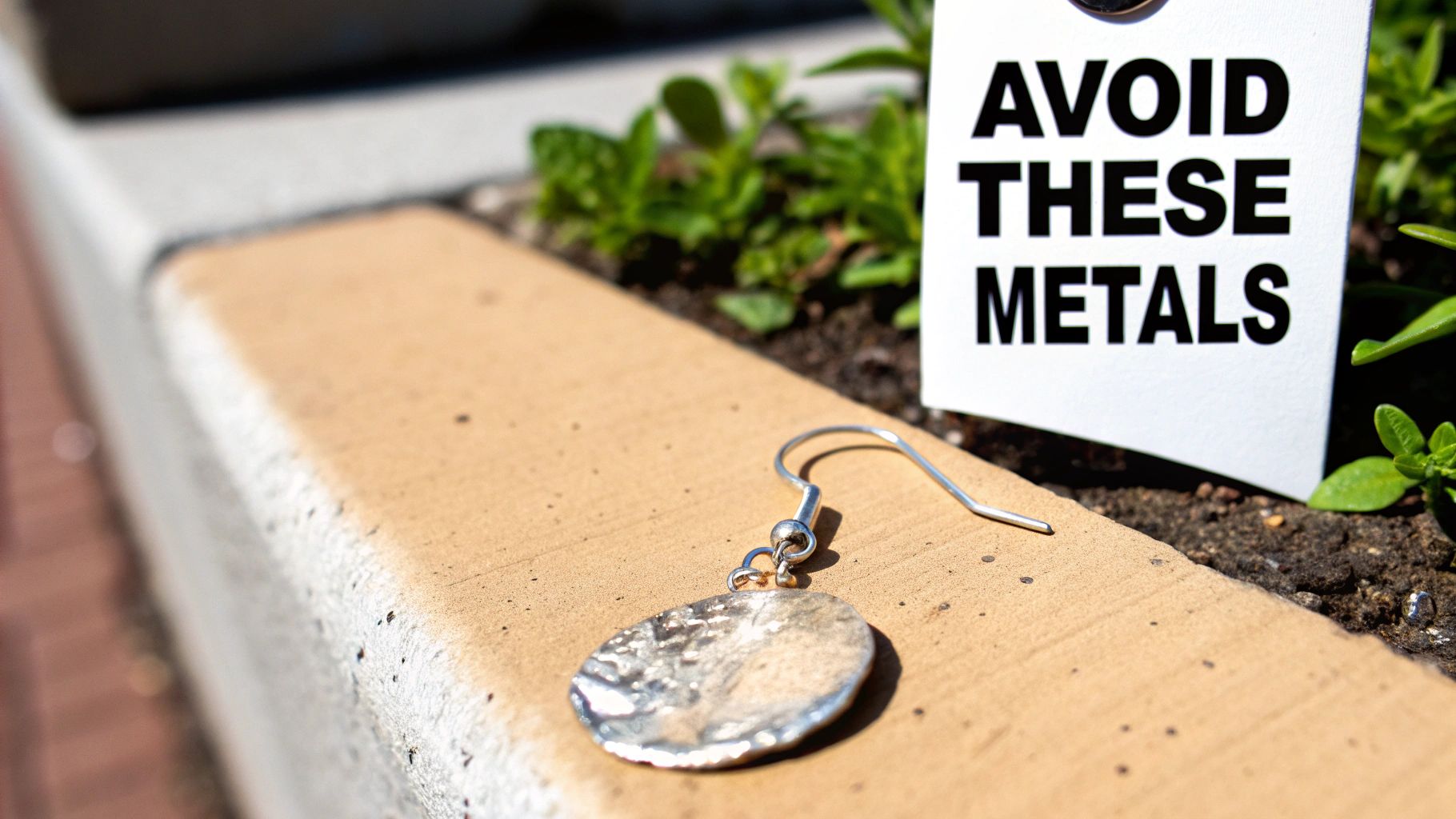
First up is sterling silver. Sure, it looks amazing in a necklace or a pair of earrings, but it's a huge problem for a fresh, healing piercing. Sterling silver tarnishes when it's exposed to air and your body's natural fluids—a process called oxidation. When that tarnish seeps into your new piercing, it can permanently stain your skin, leaving a weird gray or black mark around the hole. Nobody wants that. Even worse, it often contains nickel and other alloys that are notorious for causing massive allergic reactions.
Next on the list are plated metals. This covers anything labeled gold-plated, silver-plated, or coated with any color. That thin, pretty layer is just for show. It can easily chip, flake off, or wear away, exposing whatever cheap mystery metal is hiding underneath. That base metal is usually full of nickel, and it's suddenly making direct contact with your sensitive, healing tissue.
Red Flag Alert: If a piece of body jewelry seems way too cheap to be true, it probably is. Those low-cost, unlabeled "mystery metals" you see at mall kiosks or sketchy online stores are a huge gamble. They're almost always low-grade alloys just waiting to trigger irritation and some gnarly allergic reactions.
Why These Metals Are So Bad
Putting the wrong metal in a new piercing is like pouring salt in an open wound. Your body is working hard to heal, and these materials just create chaos.
Here’s a quick breakdown of the trouble they cause:
- Allergic Reactions: Nickel is the number one culprit here. It's famous for causing redness, intense itching, swelling, and those dreaded piercing bumps we all want to avoid.
- Infection Risk: Cheaper, low-quality metals can have rough, porous surfaces that are a perfect breeding ground for bacteria. This makes it way harder to keep your piercing clean and can lead straight to an infection.
- Delayed Healing: When your body is constantly fighting off an allergen or trying to deal with irritation, it can't focus its energy on healing. This means your piercing will take way, way longer to fully heal than it should.
Your piercing deserves better! By steering clear of these materials, you’re setting yourself up for a fast, drama-free healing process. That gets you one step closer to swapping in all the fun, sparkly styles you’ve been eyeing.
Your Smart Shopping and Aftercare Guide
You've got the knowledge, so now what? Let's put all that expertise to good use. This is where the real fun begins—connecting what you know about safe metals to your aftercare routine and, eventually, your dream jewelry collection. Making a smart choice from day one doesn't just prevent problems; it actively helps you heal faster.
Think about it: choosing a high-quality, non-porous metal like implant-grade titanium or solid 14k gold makes your aftercare so much easier. Since there are no microscopic nooks and crannies for bacteria to hide in, your saline soaks and cleaning sprays can actually get the job done right. This creates a super clean environment for your piercing, which can seriously speed up your healing time.
Shopping Smart and Staying Safe
When you're ready to start building your collection, you need to know exactly what you’re putting in your body. We make it super easy to find the good stuff right here at Bodycandy.
Here’s how to find piercing-safe options on our site:
- Look for Titanium: We have a whole section dedicated to implant-grade titanium jewelry, taking all the guesswork out of your search. It's the best of the best for fresh piercings.
- Go for Gold: Make sure you're browsing our selection of solid 14k gold body jewelry. Remember to steer clear of anything gold-plated until you’re fully, completely healed.
Patience is Everything: The big question on everyone's mind is, "When can I change my jewelry?" The answer is simple but critical: you must wait until your piercing is 100% fully healed. Swapping it out too early is a recipe for disaster—it can cause irritation, set your healing back weeks, or even lead to a nasty infection.
Once your piercer gives you the official all-clear, you can finally dive into exploring all the styles you've been eyeing. This is when your knowledge of the best metal for new piercings really pays off, empowering you to build a stunning, high-quality, and totally body-safe collection from the very start.
Frequently Asked Questions About Piercing Metals
Still have a few questions buzzing around? You're not alone! When you're getting serious about the best metal for new piercings, a little extra info can give you total peace of mind. Let’s clear up some of the most common questions we hear all the time.
Can I Be Allergic to Titanium?
This is a super common worry, but here's the great news: a true titanium allergy is incredibly rare. We're talking almost unheard of. Implant-grade titanium (like ASTM F136) is what's known as biocompatible, meaning your body pretty much ignores it.
Most of the time, if someone thinks they’re having a bad reaction to titanium, it's actually one of these culprits:
- "Titanium" in Disguise: The jewelry might just be a mystery metal that's been coated or colored to look like titanium. This is a huge problem with low-quality pieces.
- Mechanical Irritation: Maybe the jewelry got bumped, snagged on a towel, or you slept on it funny. That kind of physical stress can cause irritation that looks a lot like an allergic reaction.
- Aftercare Issues: Using harsh chemicals like alcohol or peroxide, or just not cleaning your piercing correctly, can definitely cause redness and swelling.
Bottom line? If you’re worried about sensitivities, sticking with certified implant-grade titanium is by far your safest bet.
Is It Okay to Swim With a New Piercing?
Ah, the big summer question! The short answer is that you really should avoid it if you can. Think of it this way: a fresh piercing is an open wound. Dunking it in water—even a chlorinated pool—is like inviting bacteria to a party you definitely don't want them at.
Heads Up: Bodies of water like oceans, lakes, rivers, and especially hot tubs are a hard no until you are 100% healed. They are teeming with microorganisms that can cause some seriously nasty complications.
If you absolutely must get your piercing wet, some piercers will say a very quick dip in a clean, well-maintained chlorinated pool is okay. But you have to clean the piercing thoroughly with a sterile saline solution immediately afterward. Never, ever let it soak.
How Do I Know When It’s Safe to Change My Jewelry?
Patience is your best friend here! I know it's tempting to swap out that starter stud for something flashy, but it's a marathon, not a sprint. Even if your piercing looks healed on the outside, the tube of tissue on the inside (called the fistula) can still be super delicate.
Changing your jewelry too early can tear this fragile new skin, leading to irritation bumps, swelling, and a major setback in your healing time. It’s just not worth it.
The only person who can give you the official green light is your professional piercer. They have the experience to properly check out the piercing and confirm it’s fully mature and ready for its stylish debut.
Ready to start your healing journey with the absolute best? Explore our stunning collection of implant-grade titanium and solid 14k gold jewelry. At Bodycandy, we make it easy to find safe, stylish pieces that your piercing will love from day one. Shop now at https://bodycandy.com and give your new piercing the quality it deserves.