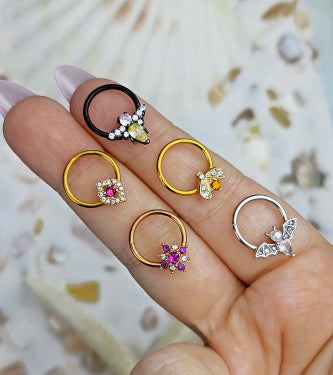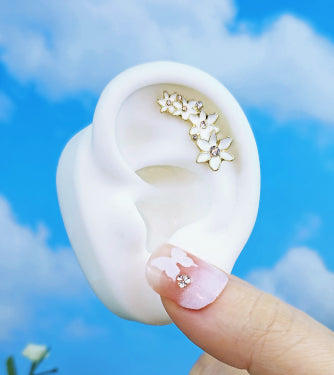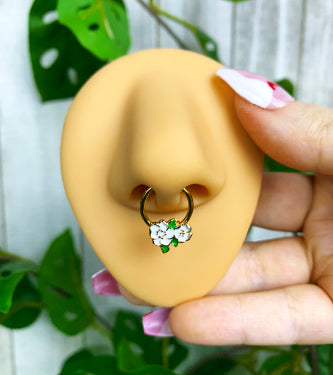


















So, you’ve got some amazing new BodyCandy jewelry, but the area around it is looking a little... angry. It's red, tender, and maybe even a bit weepy. Before you hit the panic button, let's figure out what’s really going on.
First things first: you gotta learn the difference between a genuinely infected piercing and one that's just irritated. They can look super similar, but they need very different care.
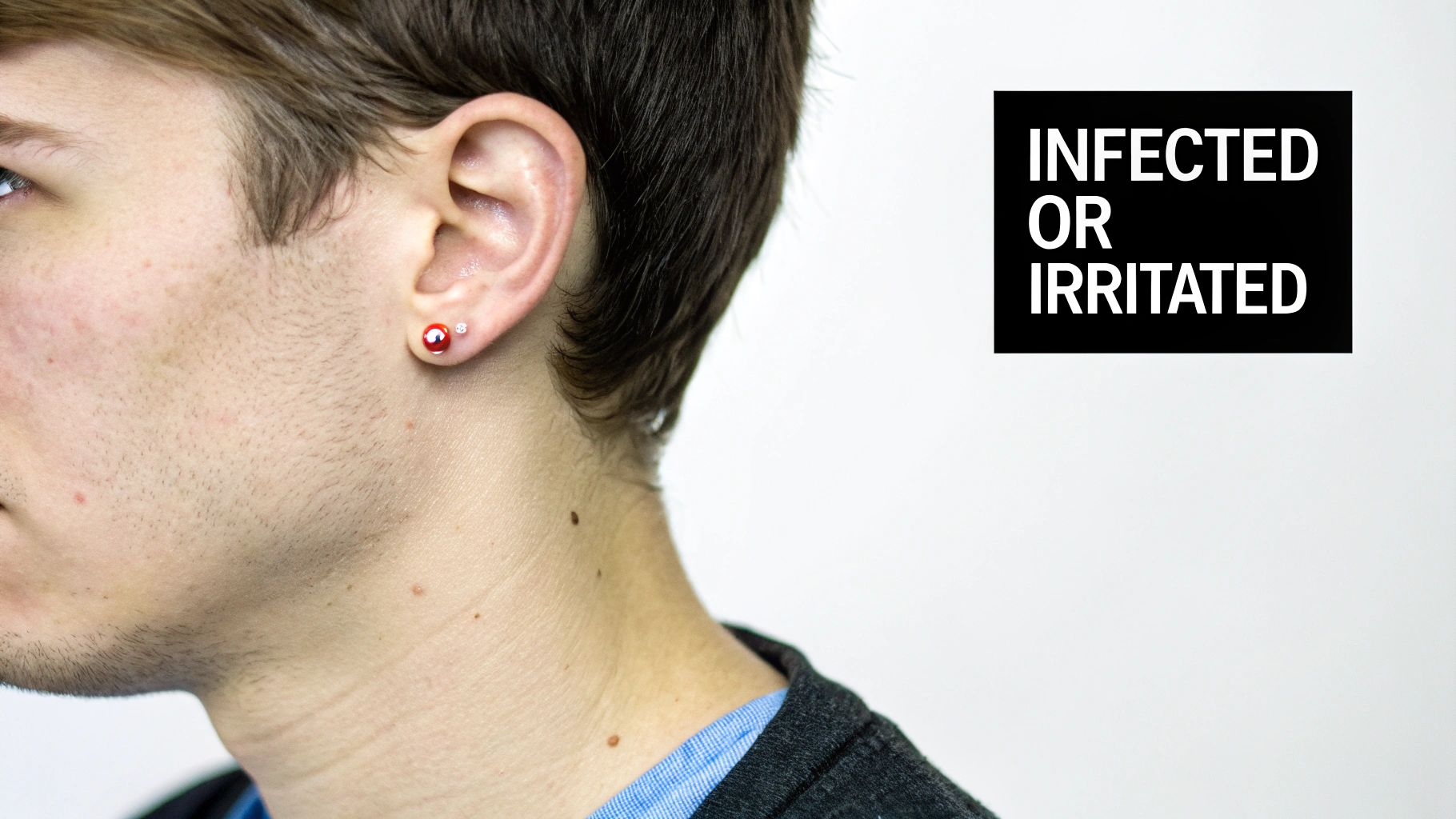
Think of it like this: snagging your new navel ring on a sweater is definitely going to make it mad for a day or two. That's irritation. But if your cartilage piercing is throbbing relentlessly and feels hot to the touch, your body might be waving a much bigger red flag.
Is It Infected or Just Irritated?
A new piercing is a wound, plain and simple. Your body is working hard to heal, so some fussiness is totally normal. An infection, however, is a whole different ballgame. It happens when nasty bacteria get into that healing wound and start throwing a party.
Knowing the classic signs helps you act fast and avoid bigger problems down the road.
Decoding the Signs of a True Infection
Here are the tell-tale signs that scream "infection" and not just "annoyed piercing":
- Pain That Gets Worse: A new piercing will be tender, of course. But if the pain is escalating—turning into a deep, persistent, throbbing ache that doesn't let up—you need to pay attention.
- Thick, Colored Discharge: Normal healing fluid (called lymph) is clear or whitish and dries into what we lovingly call "crusties." Infected discharge is different. It’s typically thick, gross yellow or green pus, and it might even have an unpleasant smell.
- It Feels Hot: The skin around the piercing will feel noticeably hot to the touch. This isn't just a little warmth; it's a clear signal that your body's immune system is in overdrive fighting something off.
- Redness and Swelling That Spreads: A little pinkness right around the jewelry is expected. But if that redness starts creeping outwards, far beyond the piercing site, that's a major cause for concern.
Don't Mistake Normal Healing for Trouble
It’s so easy to mistake the normal healing process for something sinister, especially if it’s your first piercing. These common signs are usually nothing to worry about:
Mild swelling, some tenderness, occasional itching, and clear or whitish fluid that forms a crust are all standard parts of the healing journey. They are signals that your body is doing its job, not that something is wrong.
Getting that stunning new belly button ring is exciting, but it comes with responsibility. It's not uncommon for issues to pop up. In fact, research from Northwestern University found that about 20% of all body piercings get infected at some point. It’s a statistic that really highlights why proper aftercare is so vital. You can read the full findings on piercing infection rates for more details.
Luckily, most of these infections are mild and totally manageable when you catch them early.
Sometimes, what looks like an infection is actually your body reacting to the jewelry material itself. If you suspect your skin is just unhappy with the metal, you can learn more about piercing irritation and allergic reactions in our guide.
Infection vs. Irritation: A Quick Cheat Sheet
Use this quick comparison chart to determine if your piercing is just angry or actually infected.
| Symptom | Normal Healing or Irritation | Potential Infection |
|---|---|---|
| Pain Level | Mild tenderness, soreness when bumped. Usually subsides. | Worsening, throbbing, persistent pain that doesn't ease up. |
| Discharge | Clear or whitish fluid (lymph) that forms dry "crusties." | Thick, opaque yellow or green pus. May have an odor. |
| Redness | Pinkish hue localized right around the piercing site. | Redness that spreads significantly outward from the piercing. |
| Swelling | Minor swelling for the first few days or after being snagged. | Significant, persistent swelling that makes jewelry feel tight. |
| Temperature | The area feels normal or slightly warm. | The skin around the piercing is noticeably hot to the touch. |
Knowing the difference is your first line of defense. If you're checking off boxes in the "Potential Infection" column, it's time to take action.
Your Immediate At-Home Care Plan
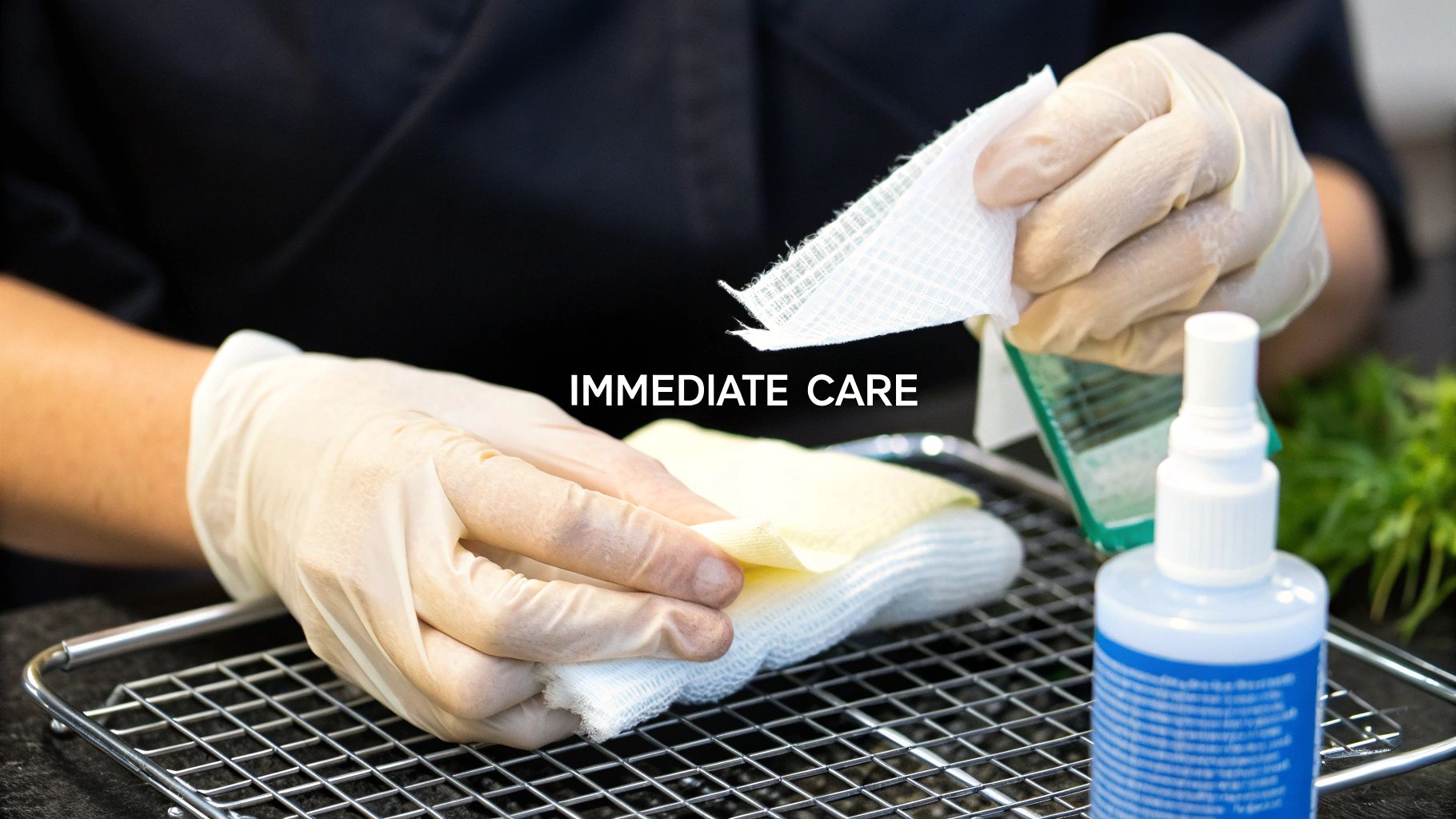
Okay, you've taken a look, and things are definitely leaning more toward "infection" than "just irritated." First thing's first: take a deep breath. Freaking out and yanking on your jewelry is the absolute fastest way to make this a whole lot worse.
Your single most important mission right now is this: Do not, under any circumstances, remove your jewelry!
I know, it feels like the most logical thing to do. But taking out that stud or hoop is a rookie mistake. When you remove the jewelry, the piercing hole can start to close up, effectively trapping all that nasty bacteria deep inside your tissue. This can lead to a painful abscess, which is a much, much bigger problem.
Instead, your game plan should be all about gentle, consistent cleaning. You want to help your body fight off the bacteria without adding any more trauma to the site.
The Gentle Cleaning Regimen
Forget what you've heard about dousing a piercing in harsh chemicals. We're trying to clean the area, not strip paint. Things like rubbing alcohol and hydrogen peroxide are way too aggressive for a delicate, healing piercing. They kill the bad bacteria, sure, but they also destroy all the healthy new cells your body is trying to build, which just slams the brakes on the healing process.
What you actually need is a simple, effective, and gentle solution.
Your Piercing First-Aid Kit:
- Sterile Saline Solution: This is your new BFF. The easiest and safest route is to buy a pre-made sterile saline wound wash from any pharmacy.
- Clean Hands: Always—and I mean always—wash your hands thoroughly with antibacterial soap and water before you even think about touching your piercing.
- Clean Paper Towels: Ditch the fuzzy cloth towels. They’re a breeding ground for bacteria and the little fibers can snag on your jewelry. Lint-free paper towels or sterile gauze pads are the only way to go.
A solid cleaning routine is your ticket out of this. You'll want to clean the area twice a day to flush out bacteria and calm down that angry tissue. While you can make a solution at home, professionally formulated sprays are balanced perfectly for healing. You can find more details in our guide to H2Ocean piercing aftercare, which breaks down why they work so well.
Mastering the Saline Soak
A good soak is more than a quick wipe-down; it's a therapeutic process that helps draw out any gunk and bring down that inflammation.
- Prep Your Solution: If you have a pre-made spray, you're all set. If you're making your own, dissolve 1/4 teaspoon of non-iodized sea salt into one cup (8 ounces) of warm, distilled water (or water that's been boiled and cooled). Do not use regular table salt—the iodine and anti-caking agents will seriously irritate your piercing.
- Soak It Up: Grab a sterile gauze pad or a clean paper towel and completely saturate it with the warm saline.
- Apply Gently: Hold the saturated pad right against your piercing for 5-10 minutes. The warmth feels incredible and helps encourage drainage, which is exactly what you want right now.
- Pat Dry Carefully: After the soak, gently pat the area completely dry with a fresh, clean paper towel. Never leave it damp! Trapped moisture is a playground for bacteria, so don't skip this final step.
Pro Tip: Whatever you do, don't twist or turn your jewelry while cleaning! This is super outdated and harmful advice. Rotating the jewelry just grinds bacteria deeper into the wound and tears up the delicate fistula (the skin tube your body is trying to form). Just leave it be!
What to Avoid at All Costs
While you're nursing your piercing back to health, there are a few hard rules about what not to do. Avoiding these common slip-ups is just as important as the cleaning itself.
- No Thick Ointments: Stay away from things like petroleum jelly or antibiotic creams unless a doctor specifically tells you to use them. These products are way too thick; they clog the piercing, cutting off air circulation and preventing it from draining properly.
- Hands Off: Fiddling, picking, or poking at your piercing is a huge no-no. Your hands are covered in germs, and every time you touch it, you're basically giving bacteria a free ride to the party.
- Keep It Dry (and Clean): Avoid swimming in pools, hot tubs, lakes, or the ocean. These bodies of water are essentially a soup of bacteria just waiting for an open wound. You should also keep makeup, lotions, and hairsprays far, far away from the piercing site.
The Biggest Piercing Mistakes That Make Infections Worse
When you're staring at a red, angry piercing, that panic instinct kicks in. You just want to do something—anything—to make it better. But hold on! Some of the most common "fixes" are actually piercing-care sins that can take a minor irritation and blow it up into a full-blown infection.
Let's talk about the bad habits you need to ditch, right now.
The absolute number one mistake? Touching it. Twisting it. Playing with your jewelry. For many of you, it's a nervous habit, but you’re essentially giving bacteria a personal invitation to the party. Every single time you fiddle with that new industrial bar, you're transferring germs from your hands directly into an open wound. Just don't.
Ditching Harmful Old-School "Advice"
Remember being told to twist your earrings to keep them from getting stuck? Yeah, throw that advice in the trash where it belongs. It’s seriously outdated and terrible for a healing piercing.
Twisting doesn't just introduce bacteria; it also tears up the delicate new tissue—the fistula—that your body is working so hard to build around the jewelry.
Beyond the hands-off rule, there are other "helpful" habits that do way more harm than good:
- Using Harsh Antiseptics: Reaching for the rubbing alcohol or hydrogen peroxide seems logical, but it's a huge mistake. These chemicals are way too aggressive for a healing piercing. Sure, they kill bad bacteria, but they also destroy the healthy new cells your body needs to heal, dragging out the entire process.
- Over-Cleaning Your Piercing: Believe it or not, there is such a thing as too much cleaning. Dousing your piercing in saline five or six times a day can strip away your body's natural healing fluids, leading to serious dryness and irritation. Stick to a gentle cleaning routine just twice a day.
- Slathering on Ointments: Avoid topical antibiotic creams and thick ointments unless a doctor specifically tells you to. These products trap moisture and debris, creating a perfect, stuffy environment for bacteria to multiply. They suffocate the piercing, preventing it from breathing and draining properly, which is crucial for healing.
If you're seeing signs of a real infection—like persistent heat, thick pus, or a foul odor—the first move is to stop all the twisting and fiddling immediately. That just spreads the bacteria deeper into the tissue. Research backs this up, showing that gentle care is far more effective. For example, using antimicrobial saline soaks for 5-10 minutes, a few times daily, has been shown to resolve a high percentage of localized skin infections within a week. You can learn more about the science of treating skin infections to see why the pros prefer gentle methods.
Dodging Everyday Irritants
Your piercing doesn't exist in a bubble. The world is full of things that can irritate it and turn a small problem into a big one. It's your job to play defense until it's fully healed.
Be extra mindful of these common hazards:
Don't Submerge Your Piercing: Public pools, hot tubs, lakes, and even your own bathtub are basically a soup of bacteria. Keep your infected piercing completely out of them until it has cleared up. A quick shower is fine, but definitely no soaking.
- Keep Cosmetics Away: Makeup, lotions, fake tanner, and hairspray can clog and irritate a piercing. Create a "no-fly zone" around the area to prevent chemical irritation that can mimic or worsen an infection.
- Watch Out for Snags: Tight clothing, headphones, and even the way you sleep can put pressure on or snag your jewelry. That new pair of high-waisted jeans could be your navel ring's worst enemy. Opt for loose-fitting clothes and be aware of anything that might catch on your new bling.
By steering clear of these common mistakes, you're not just treating the problem—you're creating the perfect environment for your body to do its job and heal properly. Be patient, be gentle, and soon you'll be back to showing off your amazing BodyCandy style without a worry.
When to See a Doctor or Your Piercer
You've been diligent with the saline soaks and have successfully kept your hands off, but things just aren't looking up. While good at-home care can tackle minor irritation, there are definitely times when you need to call in the professionals.
Knowing whether to ring up your piercer or your doctor is the key to getting the right help, and fast.
Let's be clear: some symptoms are absolute non-negotiables. These are the red flags that mean you need to stop self-treating and pick up the phone immediately. Don't wait it out or "give it another day." If you spot any of these signs, it's time for a professional opinion.
Serious Red Flags You Can't Ignore
Think of these symptoms as your body sending up emergency flares. If your piercing is showing any of the following, the problem might be bigger than a simple localized issue.
- Spreading Redness: This isn't just a little pinkness around the jewelry. Look for distinct red streaks radiating away from the piercing site. This can be a sign of lymphangitis, meaning the infection is trying to travel through your lymphatic system.
- Major Swelling: We're not talking about the initial puffiness of a new piercing. This is significant swelling that causes the jewelry to "sink" into your skin or makes it difficult to move the area.
- Escalating Pain: The pain is getting worse, not better. It's a deep, throbbing ache that over-the-counter pain relievers aren't even touching.
- Signs of a Body-Wide Infection: This is the most serious category. If you develop a fever, chills, nausea, or just feel generally unwell, it's a sign the infection has gone systemic. This requires immediate medical attention.
Your Piercer vs. Your Doctor: Who to Call
Understanding the difference between your piercer's expertise and a doctor's is crucial. They both play important, but very distinct, roles in your piercing journey.
Your professional piercer is an incredible resource. They're experts in piercing placement, jewelry quality, and standard aftercare. They can help you troubleshoot irritation, suggest better jewelry materials, and confirm if your aftercare routine is on point.
However, your piercer cannot diagnose a medical condition or prescribe medication. Only a licensed medical professional, like a doctor or a nurse practitioner, can legally and safely diagnose an infection and provide you with antibiotics if they're necessary.
This decision tree breaks down some common mistakes that can turn a happy piercing into an irritated or infected one, often leading to the need for professional help.
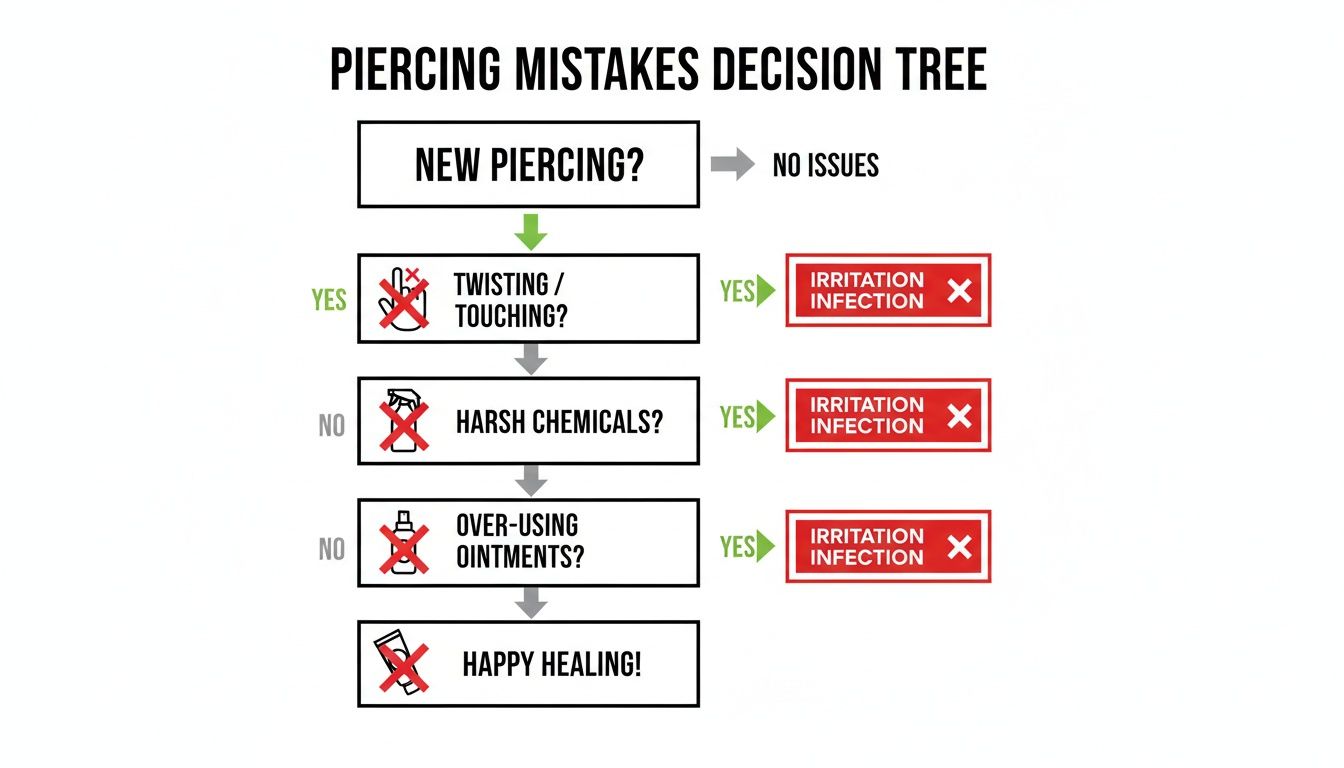
Avoiding these simple missteps—like twisting the jewelry, using harsh chemicals, or slathering on thick ointments—can drastically reduce your risk of complications.
When Medical Intervention is a Must
Your awesome BodyCandy jewelry looks amazing, but it's important to remember that complications can happen. In fact, studies show about 23% of non-earlobe piercings run into issues like infections.
A fever over 100.4°F or those red lines we mentioned are clear signs to head for urgent care. While oral antibiotics are effective for about 84% of common skin infections like cellulitis, cartilage infections can be much trickier and sometimes require more specific treatments. You can read the full NIH findings on piercing complications to get a deeper look at the data.
So, what's the bottom line? If you're just dealing with minor redness or some "crusties," stick to your at-home care routine. But if you see any of the serious red flags, your first call should be to your doctor's office. Once you have a medical diagnosis, you can then loop in your piercer for advice on jewelry and long-term care after the infection is treated. Teamwork makes the dream work, especially when it comes to keeping your piercings happy and healthy.
Choosing Quality Jewelry to Prevent Future Problems
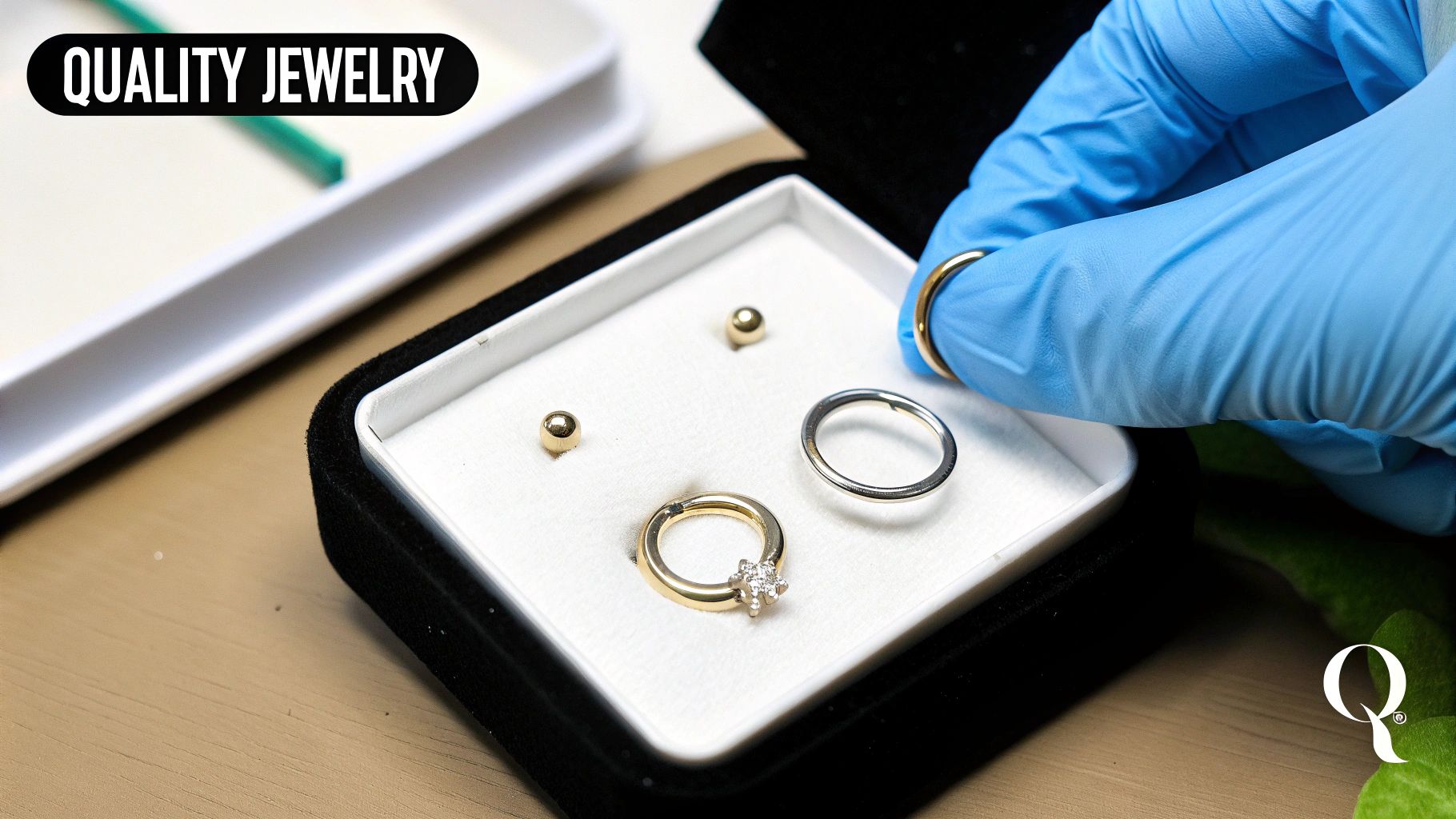
Alright, you’ve successfully nursed your piercing back to health—congrats! Now, the mission is to make sure you never have to go through that again. One of the biggest secrets to a happy piercing is actually something you decide on from the very beginning: the jewelry.
Sometimes, the real troublemaker behind irritation that looks a lot like an infection is the metal itself. Think of it like putting the right kind of fuel in a car; your piercing needs high-quality, body-safe materials to thrive. This is all about playing the long game to keep your style on point and your piercing healthy.
Why Material Matters Most
Your body is incredibly smart. It can tell when a foreign object is a friend or a foe. Low-quality metals often contain alloys like nickel, which is notorious for causing allergic reactions.
A nickel allergy can mimic an infection almost perfectly, bringing on redness, intense itching, and even a bit of clear discharge. This can send you down the wrong treatment path when all you really need is to swap out your jewelry.
That’s why sticking to body-safe, hypoallergenic materials is a total game-changer, especially for fresh piercings or if you know you have sensitive skin.
Hypoallergenic Jewelry Material Showdown
When you're shopping for new bling, think of it as an investment in your piercing's long-term health. We've put together a quick comparison to help you choose the best of the best for your body.
| Material | Best For | Pros | Cons |
|---|---|---|---|
| Implant-Grade Titanium (ASTM F-136) | Fresh piercings, sensitive skin, anyone with nickel allergies. | Completely nickel-free, lightweight, biocompatible, comes in many colors. | Can be slightly more expensive than steel. |
| 14k or 18k Solid Gold | Healed piercings, anyone wanting a classic, high-end look. | Timeless aesthetic, durable, biocompatible (if nickel-free). | Heavier, more expensive, can tarnish, 24k is too soft. |
| Implant-Grade Steel (ASTM F-138) | Healed piercings, budget-conscious buyers without sensitivities. | Affordable, durable, widely available. | Contains trace amounts of nickel, which can irritate sensitive individuals. |
The takeaway here is simple: prioritizing quality materials is the absolute best way to prevent future drama and keep your piercing happy.
The wrong material can set you back weeks in the healing process. Choosing a high-quality metal from day one is the single best preventative step you can take after proper cleaning.
If you want to dive deeper into the world of piercing metals, our guide on allergic reactions and piercing care can help you become a true material expert.
Size and Style Are Just as Important
It’s not just about what the jewelry is made of. The physical fit and shape play a huge role in keeping problems at bay. The wrong size can cause constant physical irritation that easily opens the door for an infection.
Here are a few common fit issues you'll want to avoid:
- Jewelry That’s Too Short: A bar or stud that’s too snug is a recipe for disaster. It leaves no room for natural swelling and can cause the jewelry to embed in your skin—a painful problem that needs a professional to fix.
- Jewelry That’s Too Long: A bar that sticks out too far is basically asking to be snagged on clothing, hair, or towels. Every little snag creates trauma in the piercing channel, inviting bacteria to the party.
- Jewelry That’s Too Heavy: This is especially true for piercings like the navel or nipples. Overly heavy or dangly jewelry puts constant downward pressure on healing tissue. This can lead to irritation, migration (where the piercing shifts), or even outright rejection.
By being picky about both the material and the fit of your jewelry, you're setting yourself up for a lifetime of happy, healthy, and stylish piercings.
Your Piercing Infection Questions, Answered
Alright, even after running through all the signs and steps, you probably still have some questions buzzing around in your head. It's totally normal! When you're worried about a beloved piercing, you want to get straight to the point. Let's tackle some of the most common questions we hear all the time.
Think of this as the rapid-fire round to clear up any lingering confusion so you can get back to feeling confident and rocking your style.
How Long Does a Piercing Infection Take to Clear Up?
This is the big one, isn't it? You just want to know when the worrying can stop. For a minor infection you've caught early and are treating diligently with a saline routine, you should see a real difference within 3 to 7 days. The angry redness should start to calm down, the swelling should decrease, and any discharge should start to lessen.
But here’s the thing: "improvement" isn't the same as "completely healed." It can still take several weeks for the tissue to fully recover from the stress of an infection. And if a doctor put you on antibiotics, it is absolutely critical that you finish the entire course of medication. We don't care if it looks perfect after a few days—stopping early is just asking for the infection to come roaring back, often meaner than it was before.
Can I Still Save My Piercing After an Infection?
Yes! Take a deep breath. In most situations, you can absolutely save your piercing. The whole game is about acting quickly and getting your aftercare right.
The single most important rule is to keep your jewelry in while you're treating the infection. This is non-negotiable. The jewelry acts like a stent, keeping the piercing channel open so all that nasty pus and fluid has a way to get out. If you pull the jewelry, the surface of the hole can heal over, trapping the infection inside. That's how you end up with a much bigger problem, like an abscess. As long as you treat it right and see a doctor if you need to, your piercing has an excellent chance of a full recovery.
Are Piercing Bumps the Same as an Infection?
This is a fantastic question and a massive point of confusion for so many people. The short answer is no, they are not the same thing—but they can be related.
Piercing bumps are usually pustules (little pimple-like bumps), granulomas (angry red bumps from trapped fluid), or keloids (a type of overgrown scar tissue). In most cases, they're signs of irritation, not a widespread infection.
An infection is a bacterial takeover with tell-tale signs like heat, redness spreading away from the piercing, and serious pain. A bump is typically a localized, physical freak-out from the tissue.
- Pustules: These look just like a tiny whitehead right next to your piercing. They often pop up from physical trauma (like snagging your jewelry on a towel) or trapped moisture. While they can get infected, the bump itself isn't the infection.
- Granulomas: These are harmless but super annoying. They're reddish, fleshy-looking bumps that form when your body’s healing process goes into overdrive. They're often caused by pressure or moisture.
- Keloids: This is a genetic issue where scar tissue grows way beyond the original wound. They are much less common and require a dermatologist to treat properly.
So, while you should definitely pay attention to a piercing bump and dial in your aftercare (and maybe check in with your piercer), don't jump straight to panic mode thinking it's a full-blown infection.
Can I Change My Jewelry If My Piercing Is Infected?
Please, whatever you do, don't! It’s so tempting to think a jewelry swap will solve the problem, especially if you think the metal is causing the issue. But trying to change jewelry in an angry, infected piercing is a recipe for disaster.
For one, wrestling a new piece of jewelry in and out is going to cause major trauma to tissue that's already inflamed and delicate. You'll just make it angrier and likely worsen the infection. Plus, if you struggle to get the new piece in, the hole could start to close, trapping the gunk inside.
The only time a jewelry change should happen during an infection is under the sterile, experienced hands of a professional piercer or your doctor. They might need to put in a longer bar to make room for swelling, but that's a specialized procedure you should never, ever attempt at home. Just wait until the infection is completely gone before you even think about swapping your bling.
Ready to find high-quality, body-safe jewelry that will keep your piercings happy for the long haul? Shop the full collection at BodyCandy and find your next favorite piece today! https://bodycandy.com