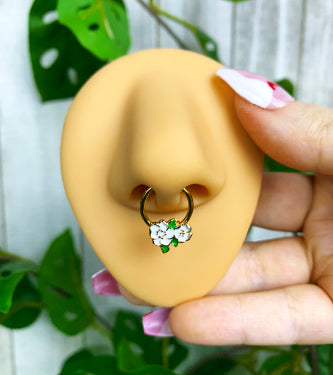


















Walk into any piercing studio or scroll through body jewelry online, and you'll see one material that totally dominates the scene: stainless steel. It’s pretty much the rockstar of the piercing world—durable, super shiny, and just everywhere you look.
You can think of it as the reliable, stylish, and wallet-friendly workhorse behind your favorite belly rings and nose studs.
Why Everyone Is Talking About Stainless Steel
If you've ever wondered why stainless steel is the go-to for so many people, from piercing newbies to seasoned collectors, you're in the right spot. This isn't just about a shiny piece of metal; it’s about finding jewelry that's safe, lasts a long time, and lets you show off your unique style without emptying your bank account.
This guide is your friendly intro to this awesome material. We'll break down everything you need to know, so you can shop with confidence and find those perfect, high-quality pieces that make your style shine.
The Foundation of a Great Jewelry Collection
At its core, stainless steel is an iron-based alloy that's been mixed with other elements, most importantly chromium. This special recipe is what gives the metal its signature "stainless" quality—an amazing resistance to rust, corrosion, and tarnish.
Unlike other metals that might turn weird colors or break down over time, a good piece of stainless steel body jewelry is built to last. It can handle daily wear, showers, and pretty much everything in between. It's the secret behind why your favorite industrial barbell can look brand new for years.
Here’s why it’s a staple for so many:
- Incredible Durability: It can handle the bumps and snags of everyday life without getting easily scratched or dented.
- Easy Maintenance: A simple cleaning is all it takes to keep it looking perfect, since its non-porous surface doesn't like to hang on to bacteria.
- Affordable Style: It gives you that high-end, polished look without the crazy price tag of materials like gold or platinum.
The real magic of stainless steel is its perfect balance. It delivers the strength and beauty you want from your body jewelry, but it's accessible enough to let you experiment and build a massive, versatile collection.
This mix of toughness and style is why it’s a trusted option for both fresh and fully healed piercings. You get peace of mind knowing you’re wearing something that's not just fashionable, but also totally dependable. Ready to get into the details? Let's explore what makes this metal tick.
Understanding Surgical Steel Grades
Alright, let's get into what really makes stainless steel tick, but skip the boring science lecture. At its core, stainless steel is a mix of metals—an alloy—that's famous for being seriously tough and refusing to rust. It’s pretty much the superhero of metals.
But here’s the inside scoop: not all steel is created equal. You’ve probably seen terms like ‘316L’ or ‘316LVM surgical steel’ floating around. Think of these grades like different kinds of coffee. You’ve got your standard daily brew, which is great, but then you have that premium single-origin stuff that’s just on another level.
Surgical steel is that premium blend, specifically cooked up to be biocompatible. That’s just a fancy way of saying your body is way less likely to freak out and have a "what is this?!" moment, making it a safe and happy home for your new piercing.
What Does 316L Surgical Steel Mean?
When you see 316L surgical steel, you're looking at the absolute gold standard for body jewelry. The 'L' is key—it stands for "low carbon," which is a huge part of what makes it so awesome for piercings. It’s the stuff professional piercers trust for initial piercings, and for very good reason.
Imagine you're building a fortress to protect your piercing. You'd want the strongest, most dependable walls, right? That’s 316L steel. It's incredibly resistant to corrosion from your body's natural fluids, which means it won't break down or release nasty stuff into a fresh piercing.
The real magic of 316L is its incredibly low nickel release rate. While it does contain nickel, the alloy is so stable that the nickel stays locked tight, preventing it from causing the kind of irritation you get from lower-quality metals.
This stability is everything when you're healing. It ensures the jewelry just chills out and doesn't interfere with your body's natural process, letting you heal comfortably and safely. It's the perfect sweet spot of strength, safety, and shine.
Meet 316LVM: The Upgraded Version
So, what's the deal with 316LVM? Think of it as the VIP, first-class version of 316L. The "VM" stands for "Vacuum Melted." It’s a pretty cool production process that makes the steel even purer and gives it a smoother, more flawless surface.
This extra step zaps away tiny impurities, creating a mirror-like finish that's even less likely to harbor bacteria. For anyone with sensitive skin or for those notoriously tricky piercings, 316LVM offers that next level of quality and peace of mind. It’s the top-shelf choice when you want the absolute best. You can learn more about the different types of steel used in new jewelry designs to see how it's used.
- Purity: The vacuum melting process results in a cleaner, more refined alloy.
- Surface Finish: It creates an incredibly smooth surface, which is a dream for healing piercings.
- Biocompatibility: This extra purity makes it even more compatible and friendly with the human body.
Why Quality Matters So Much
Choosing the right grade of steel makes a massive difference. High-quality surgical steel completely changed the game, making safe and affordable jewelry accessible to everyone. It's a huge favorite for initial piercings because it hits all the right notes: it’s biocompatible, resists corrosion, and is way more wallet-friendly than titanium or gold.
At the end of the day, picking high-grade stainless steel body jewelry isn't just about how it looks; it's about respecting your body. A well-made piece from 316L or 316LVM surgical steel gives you a safe, durable, and beautiful accessory that helps your piercing heal right from day one. It means you can rock your style with total confidence, knowing you’ve made a smart choice.
Is Stainless Steel the Right Choice for You?
Every piercing material has its own unique personality, complete with awesome benefits and a few potential quirks. So, let's get real about what makes stainless steel a fantastic choice for so many people and figure out if it's the perfect match for you.
We'll dive into all the reasons why stainless steel might become your new best friend, but we'll also have an honest chat about those moments when you might want to consider an alternative. It's all about finding what works best for your body and your style.
The Undeniable Pros of Stainless Steel
First, let's talk about the major wins. There's a reason you see stainless steel body jewelry everywhere—it's got a killer lineup of benefits that are hard to beat, whether you're a seasoned collector or just starting your piercing journey.
One of its biggest selling points is its incredible durability. This isn't a delicate metal that you have to baby. It’s tough enough for daily wear, meaning it can handle a bump here or a snag there without getting all scratched up. It's built for real life.
Plus, its non-porous surface is a huge advantage. This smooth, solid finish doesn't have tiny holes where bacteria can hide out, making it super easy to clean and a hygienic choice for your piercings.
Here are the top reasons to love it:
- Amazing Affordability: Stainless steel lets you build an amazing and diverse jewelry collection without having to save up for months. You can experiment with different styles—from classic hoops to bold new designs—without breaking the bank.
- Built to Last: This metal is the definition of strength. It resists scratches, dents, and dings, so your favorite pieces will keep looking brand new for years to come.
- Super Easy to Clean: No fancy chemicals or complicated cleaning routines needed here. A little bit of mild soap and water is all it takes to keep your jewelry sparkling and your piercing happy.
This infographic breaks down the core properties that make high-quality steel such a reliable choice for body jewelry.
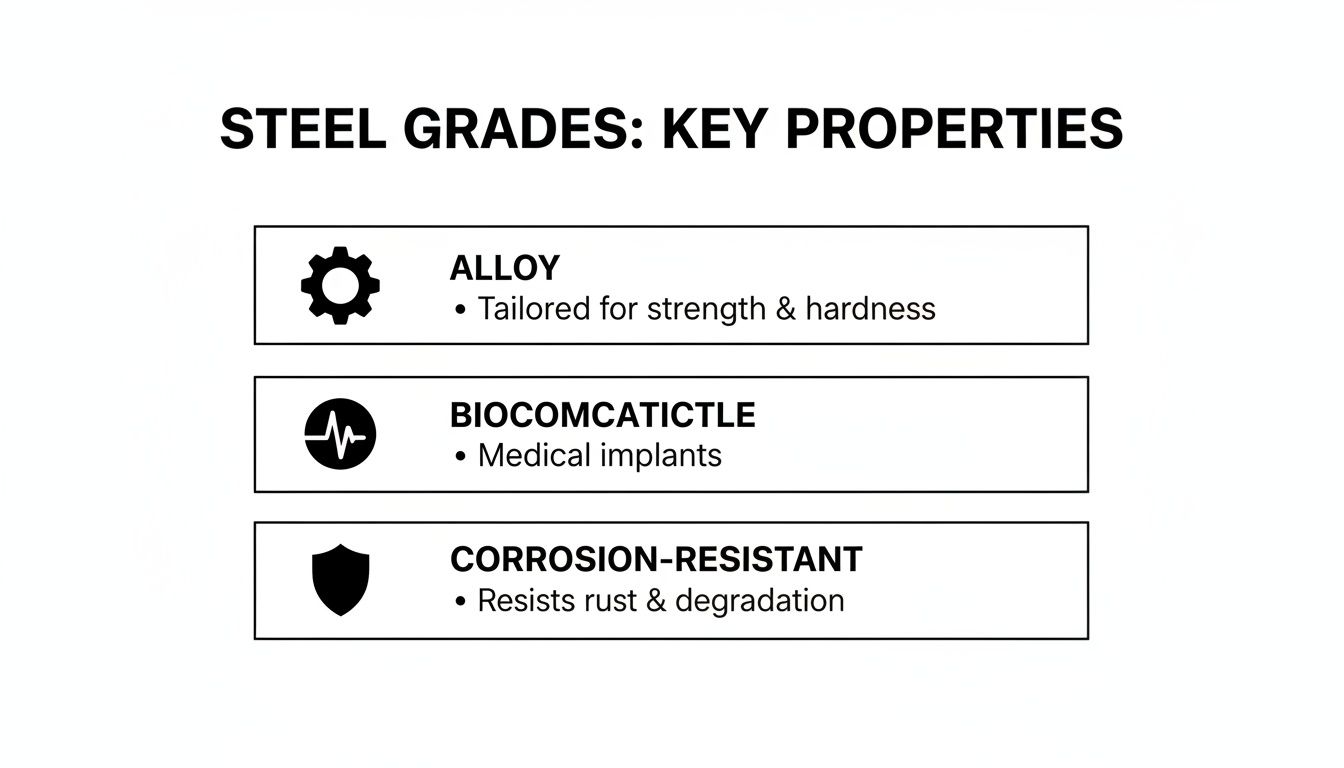
As you can see, the combination of being a strong alloy, biocompatible, and corrosion-resistant is what makes it a powerhouse material.
A Quick Word on Nickel Sensitivity
Now for the other side of the coin. The biggest "con" associated with stainless steel is its nickel content. It's important to have an honest chat about this, because your piercing's health is always priority number one.
High-grade 316L surgical steel does contain a small amount of nickel. However, the alloy is formulated in a way that the nickel is tightly bound within the metal, resulting in a very low release rate. For the vast majority of people, this is a non-issue.
The key takeaway is this: for most, surgical steel is perfectly safe and comfortable. But if you have a known, severe nickel allergy, your body might still react to even the tiniest amount.
In these cases, a completely nickel-free material like implant-grade titanium is going to be your safest bet, especially for a brand new or sensitive piercing. Being aware of how different metals work can help you make the best choice, and you can explore more in our guide to what metal body jewelry is made of.
Comparing Stainless Steel to Other Popular Jewelry Metals
To make it crystal clear, let's see how stainless steel stacks up against other popular materials. Think of it like choosing a character in a video game—each one has different stats and strengths. This table gives you a quick look at the features of common materials to help you choose the best fit for your piercing.
| Feature | Stainless Steel (316L) | Implant Grade Titanium | 14k Gold |
|---|---|---|---|
| Price | Very Affordable | Moderate to High | High |
| Durability | Excellent | Excellent | Good (softer metal) |
| Weight | Medium | Very Lightweight | Heavy |
| Nickel-Free? | No (low-release) | Yes | Typically alloyed with nickel |
| Color Options | Silver, PVD coated | Can be anodized to many colors | Yellow, Rose, White |
Ultimately, stainless steel strikes an incredible balance between affordability, durability, and style, making it the right choice for countless people. Knowing its pros and cons empowers you to shop smart and find the perfect pieces that make you feel amazing.
Keeping Your Stainless Steel Jewelry Perfect
So, you've found the perfect stainless steel pieces, and you want to keep them looking just as amazing as the day you got them. Awesome! The great news is that taking care of your stainless steel body jewelry is unbelievably easy. Seriously, it's one of the most low-maintenance materials you could ever own.
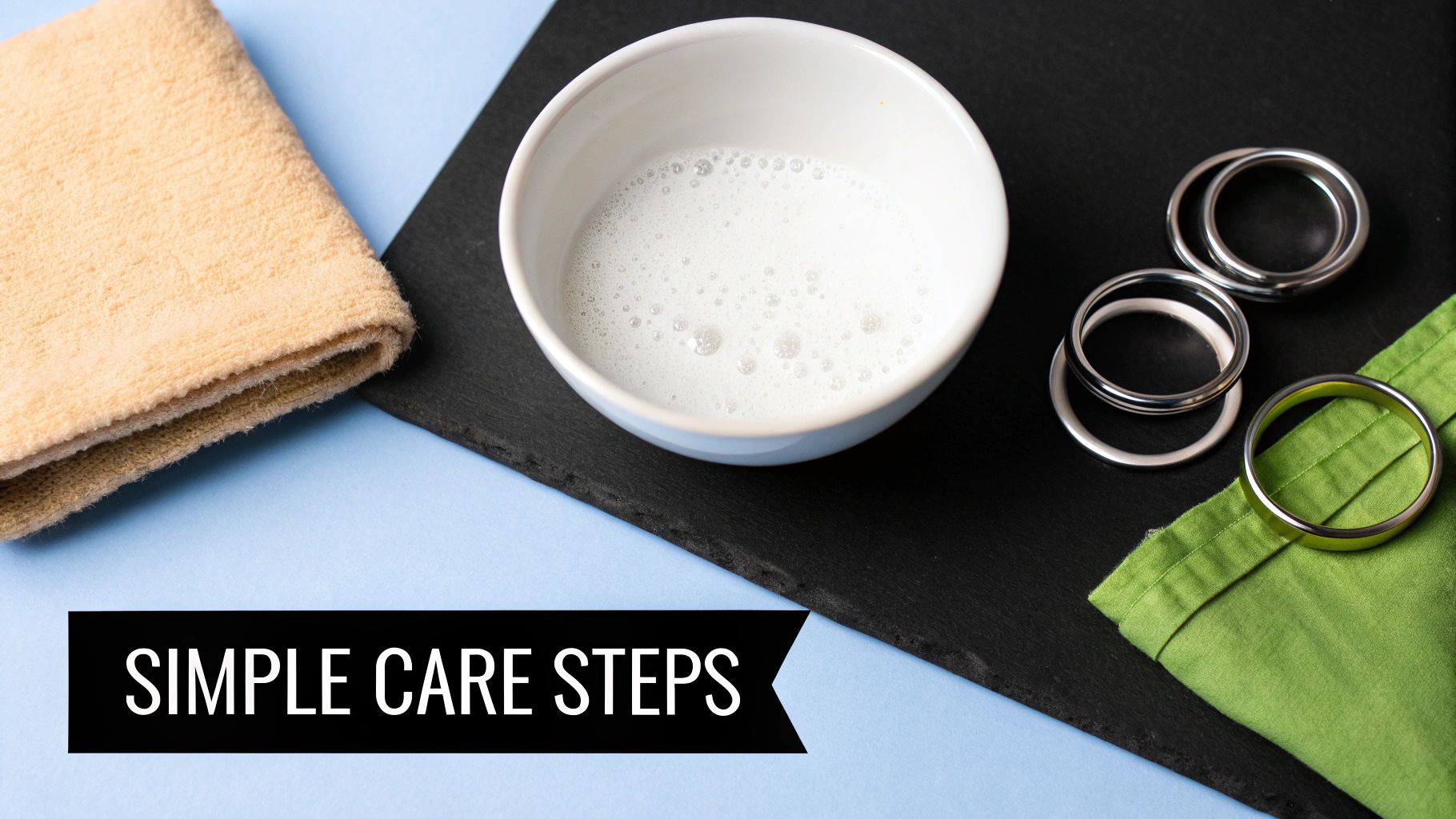
Keeping that mirror-like shine and making sure your piercing stays happy just takes a little bit of routine TLC. You can forget about complicated rituals or pricey cleaners—all you need are a few things you definitely already have at home.
Your Go-To Routine for Daily Sparkle
For regular, everyday cleaning, you don't need to get fancy at all. The non-porous surface of high-quality surgical steel is a total superstar when it comes to resisting bacteria buildup. A quick wash is usually all it takes to bring back its gleam.
This super-simple process will keep both your healed piercings and your jewelry in top-notch condition. Here’s your easy, step-by-step guide:
- Wash Your Hands: Always, always start with clean hands. This keeps any oils or germs from getting on your jewelry and into your piercing.
- Lather Up: Grab a gentle, fragrance-free liquid soap (a simple antibacterial soap or even mild dish soap works great) and some warm water. Work up a nice lather in your hands.
- Gentle Scrub: If your piercing is fully healed, carefully take out your jewelry. Gently rub it between your fingers with the soapy water. For pieces with lots of little details, a soft-bristled toothbrush can help you get into all those tiny crevices.
- Rinse Thoroughly: Hold the jewelry under warm running water until every last bit of soap is gone. This part is super important, as any soap left behind can irritate your skin.
- Dry Completely: Pat your jewelry dry with a soft, lint-free cloth—a microfiber or jewelry cloth is perfect. Make sure it's 100% dry before putting it back in to prevent any moisture from getting trapped.
That's literally it! Doing this once a week or so will keep your whole collection looking brand new.
When to Bring in the Big Guns
Sometimes, a piece of jewelry needs a deeper clean. If you're putting jewelry into a brand-new, still-healing piercing, sterilization is an absolute must. While professional piercers use a special machine called an autoclave, you can still get your jewelry perfectly hygienic at home before inserting it into a healed piercing for the first time.
A common at-home method involves boiling the jewelry in water for about 5-10 minutes. Just be sure to let it cool down completely before you touch it! This method is only for all-metal pieces—skip this if your jewelry has any gems, acrylic parts, or other delicate materials that could get damaged.
Knowing how to properly clean your collection is especially vital if you have sensitive skin. For a deeper dive into what makes some metals safer than others, check out our guide on hypoallergenic jewelry for sensitive skin.
Pro Tips for Long-Lasting Luster
To make sure your favorite pieces last a lifetime, just keep a few simple "don'ts" in mind. Avoiding these common mistakes is the key to protecting the finish and integrity of your stainless steel jewelry.
- Avoid Harsh Chemicals: Stay far away from bleach, chlorine, and abrasive cleaners like toothpaste or baking soda. These can strip the shiny finish right off or create tiny scratches on the surface.
- Store It Smart: When you’re not wearing your jewelry, tuck it away in a soft pouch or its own little compartment in a jewelry box. This stops pieces from rubbing against each other and getting scratched up.
- Take It Off (Sometimes): While steel is incredibly tough, it’s a good idea to take your jewelry out before hopping into a heavily chlorinated pool or when you're using strong cleaning products around the house. This will keep it looking perfect for years to come.
How to Spot High-Quality Steel Jewelry
In the wild world of body jewelry, quality is everything. Think of yourself as a detective on the hunt for the perfect piece—you need to know the clues that separate a genuine treasure from a cheap knockoff. This is your guide to becoming a super-savvy shopper who can spot top-tier surgical steel from a mile away.
Let's be real, we've all seen those online listings with prices that seem too good to be true. Those are often the first sign of what’s known as "mystery metal." If a seller is vague about the material or can't tell you the exact grade of steel, it's time to walk away. Your piercing deserves way better than a mystery!
Red Flags of Low-Grade Steel
Learning to spot low-quality steel is a skill that protects both your piercing and your wallet. The biggest risk with cheap, unverified steel is its nickel content. While high-grade 316L surgical steel has a super low nickel release rate, lower grades can be a totally different story, potentially leading to irritation, redness, or a full-blown allergic reaction.
Keep your eyes peeled for these warning signs when shopping for stainless steel body jewelry:
- Vague Product Descriptions: Phrases like "metal alloy" or "steel-tone" are huge red flags. Reputable sellers will proudly state the material is 316L or 316LVM surgical steel.
- Unbelievably Low Prices: If a fancy-looking barbell costs less than your morning coffee, be suspicious. Quality materials and craftsmanship cost a bit more, but they are a worthy investment in your piercing's health.
- Poor Finish: High-quality steel has a smooth, mirror-like polish. If you see any pitting, rough spots, or imperfections on the surface, it’s a clear sign of low-grade material that could harbor nasty bacteria.
The stainless steel jewelry market is absolutely booming, with a forecast to hit a whopping $6.9 billion USD by the end of 2025. This explosion in popularity, driven by young adults and piercing fans, means there are more amazing options than ever before. But it also means more cheap imitations are flooding the market. You can discover more insights about this growing trend at lefengjewelry.com.
Solid Steel vs Plated Jewelry
Another crucial thing to get straight is the difference between solid steel and plated pieces. Honestly, this is one of the most important things to look for when you're adding to your collection.
Solid stainless steel is exactly what it sounds like—the entire piece of jewelry is made from that durable, body-safe alloy. It won't tarnish, the color won't flake off, and its integrity is built to last. For any piercing, this is the safest and most reliable choice, hands down.
Plated jewelry, on the other hand, just has a thin layer of silver or gold-colored material coated over a base metal of unknown origin. This plating can wear off, chip, or tarnish over time, exposing that mystery metal underneath.
For a body piercing, especially one that's still healing or is just naturally sensitive, exposing it to a low-quality base metal can lead to some serious irritation.
To make sure you're always getting the good stuff, here's a quick checklist to run through:
| Quality Check | What to Look For | Why It Matters |
|---|---|---|
| Material Grade | Look for 316L Surgical Steel explicitly mentioned in the description. | This confirms it meets industry standards for body safety and low nickel release. |
| Seller Reputation | Buy from trusted, specialized retailers like Bodycandy. | Reputable sellers are transparent about their materials and stand by their quality. |
| Surface Polish | The jewelry should be perfectly smooth and highly polished. | A flawless finish is hygienic and a hallmark of high-quality manufacturing. |
| Construction | Ensure it's solid steel, not plated. | Solid steel is durable, won't flake, and is much safer for long-term wear in your body. |
By keeping these tips in mind, you can shop with total confidence. You'll know exactly what to look for, guaranteeing every piece you buy is safe, stylish, and built to last. You'll be a quality-spotting pro in no time
Styling Looks with Stainless Steel Pieces
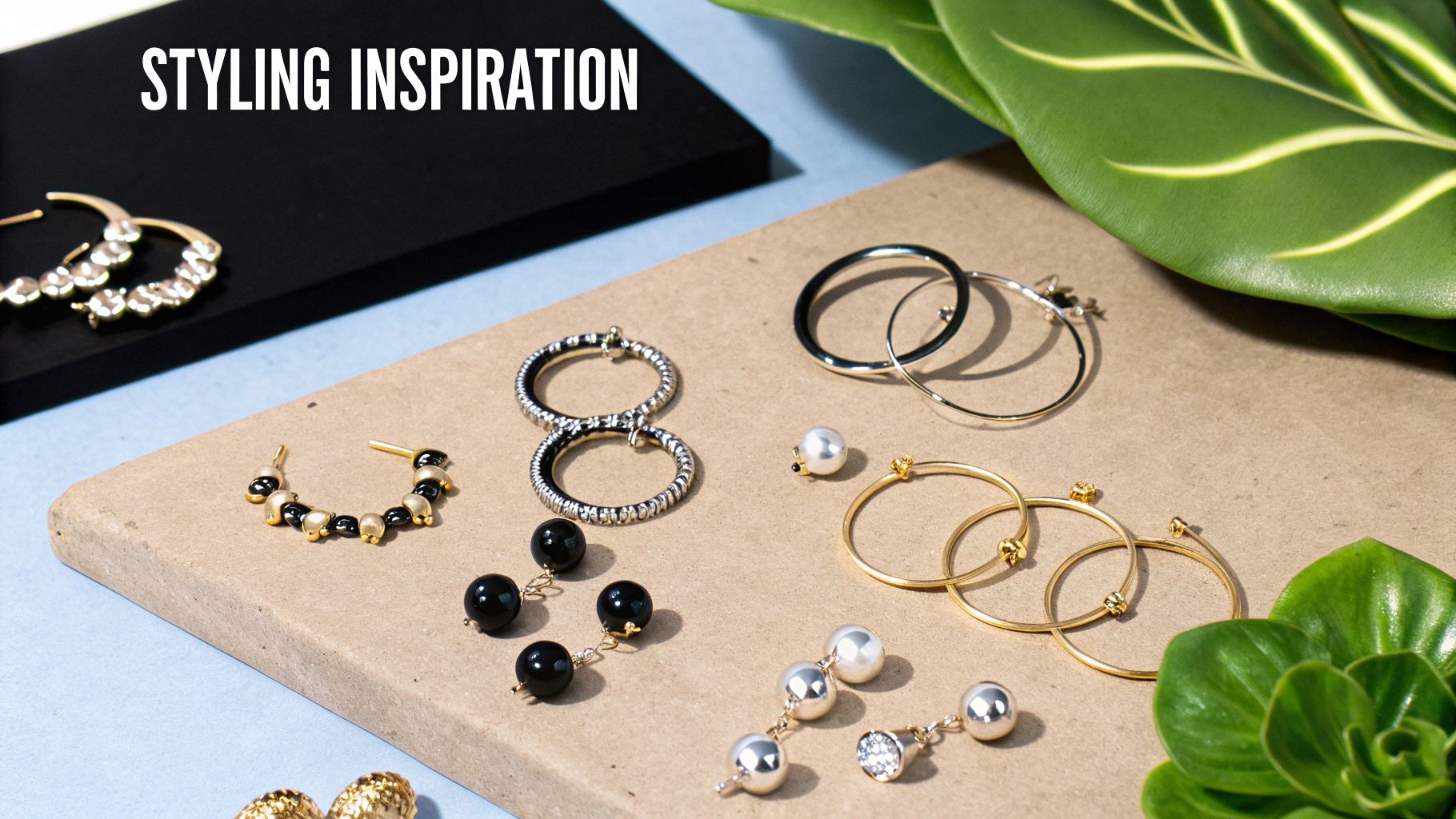
Alright, let’s get to the fun part—making your style pop! The best thing about stainless steel body jewelry is just how versatile it is. Think of it as your go-to building block, the perfect canvas whether you’re going for a tough, edgy vibe or something soft and dreamy.
This is where you get to play. Whether you're designing that perfect, Instagram-worthy ear stack or looking for a single statement belly ring that screams you, stainless steel is your best friend. Its classic silvery tone is the perfect neutral base to build any look around.
Curate That Killer Ear Stack
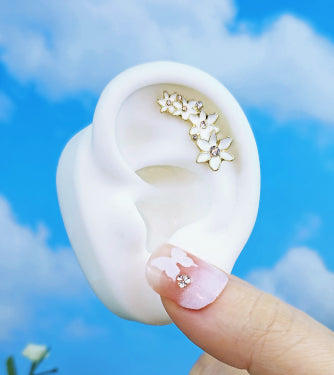
Putting together an amazing ear stack is a total art form, and stainless steel hoops, studs, and dangles are your paintbrushes. The secret is all in the mix—you want to play with different textures, sizes, and styles to create a balanced look. Don't be afraid to tell a little story all the way up your ear!
Start with an anchor piece and build out from there. Maybe it’s a chunky stainless steel hoop in your lobe. From there, you can layer in delicate studs, a sparkly cartilage earring, or a sleek industrial bar to tie it all together.
- Go for Contrast: Try pairing a smooth, polished hoop right next to a gem-studded huggie. That little difference in texture makes a huge visual impact.
- Play with Size: Create a cool gradient effect by lining up hoops from largest to smallest as they go up your lobe.
- Add a Pop of Color: Throw a colored PVD-coated steel piece into your helix or tragus for an unexpected flash of personality.
The best part about using stainless steel for your ear project? It’s so affordable. You can snag a bunch of different pieces to mix and match without having to spend a ton on a single look.
Mix Metals and Make It Your Own
Who ever said you had to stick to one color? The cool, silver shine of stainless steel looks incredible next to other metals. Mixing metals used to be a fashion no-no, but these days, it’s the key to a modern, totally personalized vibe.
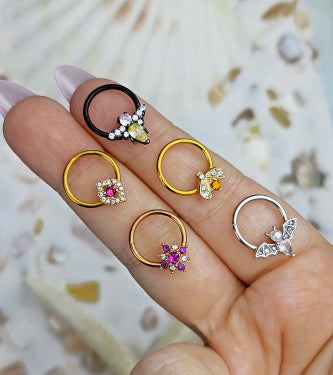
The trick is to do it with intention. You can create a look that feels cohesive by keeping one thing the same—like the style of jewelry—while changing up the metal colors. For example, try rocking a sleek gold-tone steel septum clicker with your favorite silver-tone stainless steel nose stud. The contrast is chic, bold, and all you.
No matter what your personal style is, stainless steel gives you the perfect foundation to experiment and express yourself. It’s tough enough for your daily grind and versatile enough for your wildest creative moments.
Your Stainless Steel FAQs Answered
Got some lingering questions about stainless steel? Perfect. Let's run through the most common things we get asked so you can feel 100% confident about your jewelry choices.
Think of this as your personal cheat sheet for all things stainless steel. We're here to give you the real deal—clear, straightforward answers so you can get back to what matters: rocking your style.
Is Stainless Steel Safe for New Piercings?
Yes, but the quality is absolutely everything. For a brand new piercing, you want what the pros use: implant-grade surgical steel, like 316LVM. It's a go-to for initial piercings thanks to its high biocompatibility and super low nickel-release rate, making it a safe and affordable way to start your healing journey.
Now, if you know for a fact you have a severe nickel allergy, your safest bet will always be implant-grade titanium, which is totally nickel-free. But for piercings that are already healed up? 316L surgical steel is a fantastic and perfectly safe choice for almost everyone.
Will Stainless Steel Turn My Skin Green?
Nope, never! That dreaded green tint is a dead giveaway of copper, which is often mixed into cheap, low-quality mystery metals or used in plated jewelry.
High-quality surgical stainless steel body jewelry—like the kind we live and breathe here at Bodycandy—is specifically made to resist corrosion. That means it won’t tarnish, rust, or leave any weird, funky colors on your skin. You can wear it 24/7 without a single worry.
Think of it this way: quality stainless steel is like a loyal friend—it won’t ghost you or leave a weird mark behind. It’s reliable, stable, and keeps looking great no matter what.
How Can I Tell If Jewelry Is Real Surgical Steel?
This is a great question, and learning to spot the good stuff is a total power move. Honestly, your best and safest bet is to buy from a reputable shop like Bodycandy that clearly labels the material for every single piece. We're proud of the quality we offer and we're not afraid to show it!
But if you want a fun little at-home trick, try the magnet test. Real 316L surgical steel is mostly non-magnetic because of its specific alloy recipe. If you hold a strong magnet up to your jewelry and it clamps on tight, it’s probably a lower-grade steel with more iron in it.
Finally, just trust your eyes. Good surgical steel will have a smooth, high-polish, almost mirror-like finish. If you see any tiny pits, rough patches, or other imperfections, that's a red flag to steer clear.
Ready to put your new knowledge to the test and find your next favorite piece? At Bodycandy, we’ve got a massive collection of high-quality stainless steel jewelry waiting for you. Shop our full collection today and let your style shine