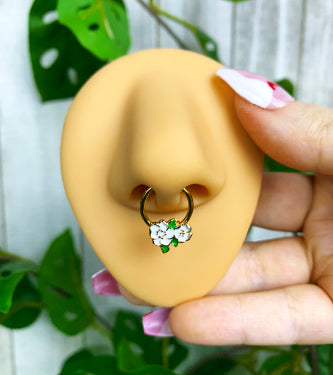


















You got your septum done, you were feeling cute, and then your nose decided to grow a tiny drama lump. Annoying. Also common.
A septum piercing bump can feel way scarier than it usually is. People jump straight to “Is this infected?” or “Did I ruin my piercing?” Most of the time, no. Your piercing is irritated, not doomed.
The fix usually isn't some weird internet hack. It's calmer care, better drying, and smarter jewelry choices.
That Little Bump on Your Septum Is Totally Normal
That bump is upsetting. I get it. You look in the mirror, your stomach drops, and suddenly you're deep in a search spiral looking at the worst photos on the internet. Stop doing that to yourself.
Most piercing bumps are not permanent scars. About 84-94% of piercing bumps are irritation bumps, while keloids occur in only 6-16% of piercing cases according to this piercing bump guide by Lynn Loheide. That means the odds are heavily in favor of this being a fixable irritation issue.

What an irritation bump usually looks like
An irritation bump is usually small, localized, and tied to something that's actively bugging the piercing. Think pressure, friction, bad metal, over-cleaning, or moisture getting trapped around the jewelry.
It can look fleshy, a little swollen, or slightly raised. It might stick around stubbornly, but that doesn't automatically make it dangerous.
Practical rule: If the bump showed up while your piercing has been getting bumped, twisted, over-cleaned, or kept damp, irritation is the first suspect.
What makes a keloid different
A true keloid is scar tissue that grows beyond the original wound. It's much less common, and it's not the same thing as the average angry bump people call a “keloid” online.
That's why panicking early usually makes things worse. People start poking it, changing jewelry themselves, or slathering random junk on it. Your septum hates that.
The right mindset
Treat the bump like feedback, not disaster. Your piercing is telling you something is off.
Usually the message is simple:
- Something is irritating it
- The tissue needs less interference
- You need to fix the cause, not attack the bump
That's good news, because causes can be changed.
Why Your Septum Piercing Is Throwing a Fit
Septum bumps don't appear out of nowhere. Your piercing is reacting to stress.
The trick is figuring out what kind of stress. Septums sit in a weird little environment. They deal with movement, nasal moisture, cleaning routines, and jewelry shape all at once. That's why they can get cranky fast.

The usual suspects
Here are the big reasons your septum piercing bump may have shown up:
- Friction from movement. If your ring swings around a lot, gets nudged while washing your face, or snags on towels and clothes, that repeated motion can irritate the channel.
- Rough aftercare. Cleaning too aggressively is just as bad as not cleaning enough. Your piercing doesn't need punishment.
- Poor jewelry material. Cheap mystery metal causes drama all the time. So does jewelry that's the wrong size or shape for healing.
- Physical trauma. Getting hit in the nose, flipping jewelry constantly, sleeping with pressure on it, or changing it too soon can all start a bump.
- Actual infection. Less common, but possible. Spreading heat, worsening pain, and obvious pus are key indicators.
If you're fuzzy on the difference between irritation and scar tissue, BodyCandy has a helpful breakdown on piercing bump vs keloid.
The septum-specific problem people forget
Septums have one sneaky trigger that gets ignored all the time. Wetness irritation.
A common trigger in internal nasal piercings is moisture trapped by the jewelry from mucus, showers, or not drying the area well after cleaning, as noted in this article on irritation bumps in nose piercings. Some piercers also note that over-soaking with saline can make this worse if you leave the area damp.
If your bump feels persistent, fleshy, and keeps coming back even though you're “taking care of it,” trapped moisture is one of the first things I'd look at.
Quick self-check
Ask yourself these questions:
| Question | Why it matters |
|---|---|
| Did I switch jewelry early? | Early changes can alter pressure and irritate the channel. |
| Is the ring moving a lot? | Constant motion keeps the tissue aggravated. |
| Am I cleaning too much? | Over-cleaning can dry and inflame the area. |
| Do I leave it wet after saline or showers? | Damp tissue gets irritated fast in a septum. |
| Is my jewelry cheap or suspicious? | Reactive metal can keep the bump alive. |
Usually, once you find the trigger, the bump starts making a lot more sense.
Your At-Home Rescue Plan for a Happy Septum
You do not need ten products. You do not need a homemade potion. You definitely do not need tea tree oil.
You need a boring, consistent routine. That's what works.

What to do instead of freaking out
Start with this simple approach:
- Wash your hands first. Always.
- Use sterile saline. A wound-wash style saline spray is the standard move.
- Rinse gently. Don't blast the piercing or scrub at the bump.
- Let softened crust come away naturally. If it doesn't lift easily, leave it.
- Dry the area well. This matters more for septums than is commonly understood.
- Leave the jewelry alone. No twisting, spinning, flipping, or checking it every hour.
If you want a ready-made option, BodyCandy's sterile saline spray fits this kind of simple aftercare routine without adding extra ingredients or unnecessary steps.
Drying matters more than you think
A lot of people clean the piercing and then stop there. Bad move if wetness is part of the problem.
After saline or a shower, dry the area carefully. Pat gently with clean gauze or another clean disposable material. If moisture tends to linger, use a cool hairdryer setting from a safe distance. You want dry tissue, not blasted tissue.
Do this, not that: Clean gently, then dry thoroughly. Don't let saline, shower water, or post-shower dampness sit around the jewelry.
Stuff to stop doing immediately
This list saves a lot of people from making the bump worse:
- Don't pop it. That adds trauma and opens the door to infection.
- Don't pick crusties. Let them soften and release on their own.
- Don't use harsh products. Alcohol, peroxide, heavy ointments, and random DIY pastes are not helping.
- Don't over-clean. More cleaning does not equal faster healing.
- Don't swap jewelry yourself mid-crisis. If the jewelry is the problem, get a piercer to assess it.
Here's a visual walkthrough if you want to see a calm aftercare routine in action:
What improvement usually looks like
You're looking for less swelling, less tenderness, and a bump that stops looking so angry. It may not vanish overnight, and that's fine.
A healing septum rewards patience. If you remove the cause and stop messing with it, your tissue usually starts cooperating.
Choosing Your Bling Wisely to Prevent Bumps
If your septum keeps acting up, I'd side-eye the jewelry before I blame your body.
Cheap metal causes a ridiculous amount of trouble. So does jewelry that's too tight, too heavy, too mobile, or shaped in a way your piercing isn't ready for. If you want the most practical prevention strategy, start with material and fit.
Good jewelry makes healing easier
According to the APP, implant-grade, nickel-free jewelry can cut the risk of complications like keloids and irritation bumps by as much as 75%, as cited in this discussion of piercing bumps and jewelry material. That's not a small detail. It's the difference between a piercing that settles down and one that keeps throwing tantrums.
My opinion is simple. If your septum is sensitive, stop gambling on mystery metal.
What to wear
Look for materials known for being body-safe and less reactive.
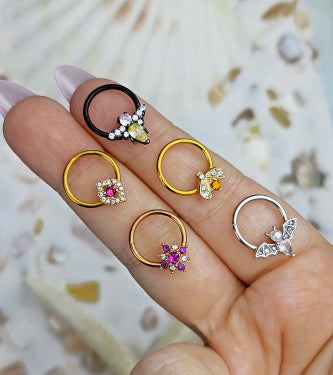
- Implant-grade titanium is a smart choice for healing or easily irritated piercings.
- Niobium is another solid option, especially if you want something simple and comfortable.
- Solid 14k or higher gold can work well when it's high quality and appropriate for the piercing.
If metal sensitivity is on your radar, read BodyCandy's guide to what metals and materials are right for you.
What to avoid
Some pieces look cute in a product photo and then wreck your mood in real life.
Watch out for:
| Jewelry issue | Why it causes trouble |
|---|---|
| Cheap mixed metals | Can trigger irritation and sensitivity |
| Nickel-containing pieces | Common source of angry skin reactions |
| Poor fit | Too tight creates pressure, too loose creates movement |
| Heavy decorative rings | Extra movement can stress healing tissue |
| Early style swaps | Changing shape too soon can upset the piercing |
My blunt advice on changing jewelry
If your septum is still irritated, don't switch it because you're bored. Don't force in a smaller ring. Don't jump to a cute hoop because you think the starter jewelry is boring.
Healing tissue likes stability. If you suspect your current piece is the issue, have a professional piercer swap it for a better-quality, better-fitting option. That's a fix. Randomly changing it at home is usually chaos.
Spend your money on metal quality first. Fancy details come later.
When to Call for Backup from a Pro
Most septum bumps are manageable. Some need outside help. Knowing the difference matters.
If the bump isn't calming down with gentler care, or the jewelry looks like it's part of the problem, go see a piercer. A good piercer can check the angle, fit, pressure, and material without guesswork.
See a piercer if
- The bump keeps returning even after you've cleaned up your routine
- The jewelry looks crooked or sits at a weird angle
- The ring feels too tight or too loose
- The piercing keeps getting irritated from movement
- The jewelry seems to be sinking into the tissue

See a doctor if
A doctor belongs in the conversation if it starts sounding more like infection than irritation.
Red flags include:
- Thick yellow or green pus
- Heat that seems to radiate
- Swelling that's getting worse, not better
- Pain that suddenly ramps up
- Fever or feeling sick overall
Don't let pride keep you from getting checked. “I wanted to wait it out” is how small problems turn into bigger ones.
One more safety note
Do not try to diagnose a stubborn bump by scrolling social media comments. If it's bleeding a lot, producing pus, or seriously changing shape, get real eyes on it.
A professional assessment beats internet chaos every time.
Septum Bump FAQs and Final Takeaways
Can I pop my septum piercing bump
No. Popping it adds trauma, delays healing, and can make the whole area angrier.
How long does it take to go away
There's no one-size-fits-all timeline. A mild irritation bump can calm down once you remove the cause. A stubborn one can hang around if you keep repeating the trigger.
Can I flip my septum up while it's irritated
Leave it in one position as much as possible. Flipping it up and down creates movement, and movement keeps bumps alive.
Should I take the jewelry out
Not on your own just because the bump showed up. If the piece is poor quality, badly fitted, or obviously causing trouble, let a professional piercer handle the swap.
What's the big takeaway
Most septum piercing bumps are fixable. The biggest mistakes are panic, over-cleaning, trapped moisture, and bad jewelry.
If you want a broader refresher on healing, placement, and jewelry styles, BodyCandy also has a guide all about septum piercings.
Keep it simple. Keep it dry. Keep cheap metal away from your nose.
Ready to upgrade your setup? Browse BodyCandy for body jewelry options that fit your style, and if your septum has been acting up, start with simple aftercare and more thoughtful material choices before you blame your face.