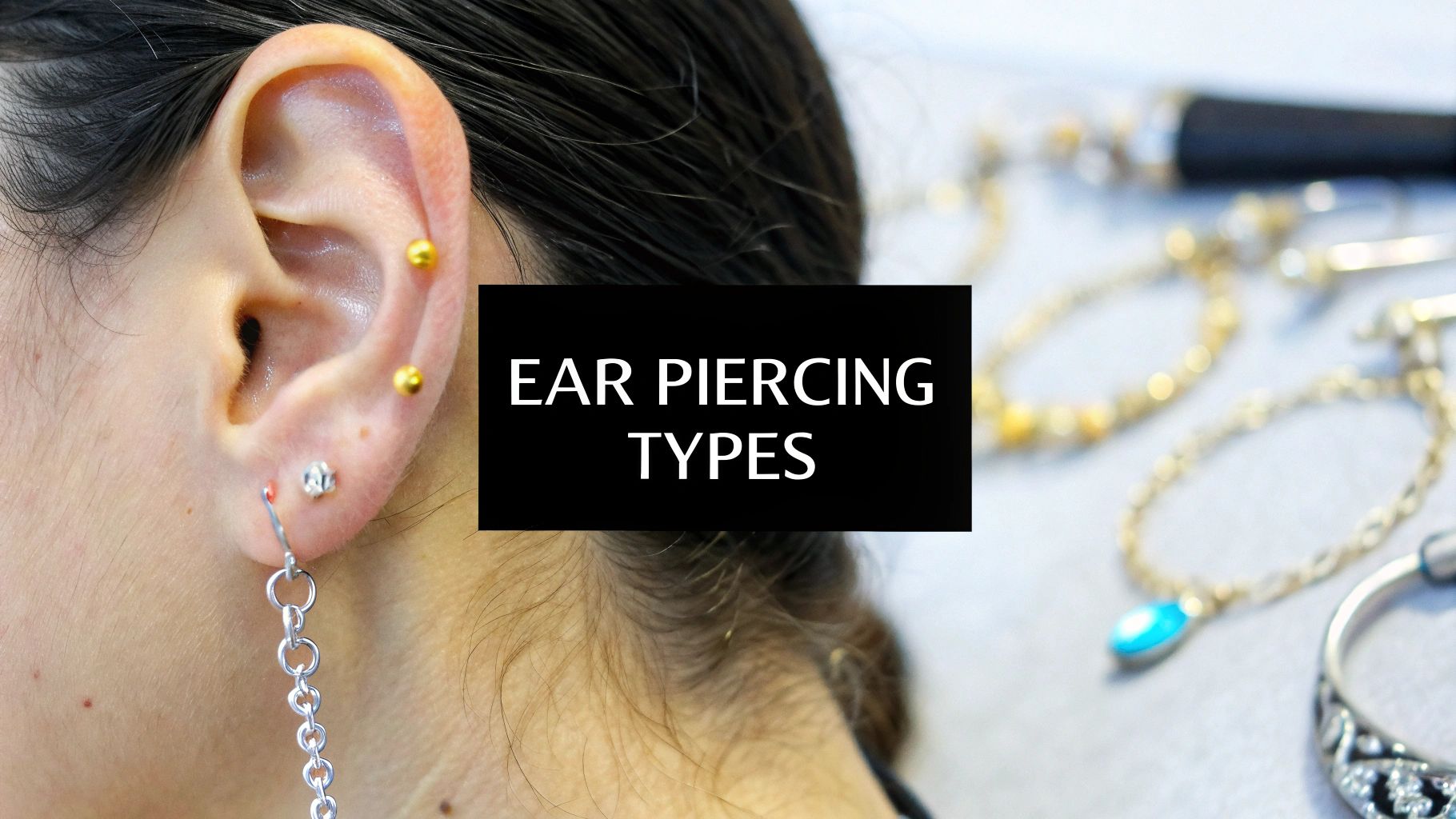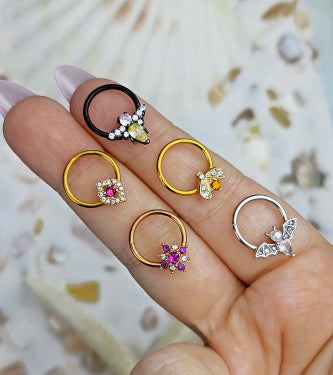
















Fashion is a wheel and everything Y2K is coming back into style. That means that low-rise pants and visible belly rings are right around the corner. With that will undoubtedly come a rise in people who want their navel pierced. With that in mind, we’re going to review some basics on who can and cannot support this piercing and some possible alternatives if you can’t.
Overview
Not every body is suited for a traditional belly button piercing, and that’s completely normal. Bodies come in all kinds of shapes and sizes, and this particular piercing requires a specific type of navel to heal safely and comfortably. It has nothing to do with weight or overall body shape, just anatomy. The best way to know if it’s a good option for you is to have your navel assessed by a professional piercer, who can recommend what will work best for your body.

Anatomy
A traditional belly button piercing needs a defined upper lip of the navel in order to be placed and heal properly. If a navel is very deep, very flat, an “outie,” or tends to disappear when sitting, a standard navel piercing may not be a safe or viable option. Scar tissue from prior abdominal surgery can also affect eligibility, as poorly healed scars may weaken the skin or change the anatomy in ways that interfere with proper placement and healing. Procedures like tummy tucks can sometimes leave the skin too tight to pierce safely.
Because belly button piercings are considered a type of surface piercing, they’re more susceptible to rejection, migration, and irritation from pressure or movement. That’s why correct anatomy and careful placement are especially important, and why a professional piercer’s assessment is essential.
Assessment
Wondering whether your belly button is suitable for a piercing? The best step is to visit a skilled, reputable piercer and have them assess your anatomy in person. Professional piercers are trained to recognize what will heal well and what won’t, and their goal is always your safety and long-term results. They’ll give you an honest recommendation, even if that means suggesting a different option or letting you know a traditional navel piercing isn’t the right fit.
Consider Alternatives
If your anatomy isn’t right for a traditional navel piercing, there are still options available. Floating navel piercings are a bit more forgiving when it comes to anatomy and still give you the same effect. (Body Candy even carries jewelry specifically for them! Click here for more) You could also see if perhaps the bottom of your navel is able to be pierced or consider moving upwards and getting your nipples pierced instead. Custom jewelry may also be an option that would work with your specific anatomy. Your piercer is there to help, don’t be afraid to ask them!

Belly piercings are showing up more and more on social media and are clearly poised to become the next hot thing in piercing. Knowing what anatomy is needed for one and having realistic expectations will go a long way if you’re thinking about getting one. Even if your navel can’t support a traditional belly ring, you have alternatives. And it’s always good to know that there’s a possibility of the piercer telling you “no” so it’s not a horrifying shock. Best of luck and happy piercing!