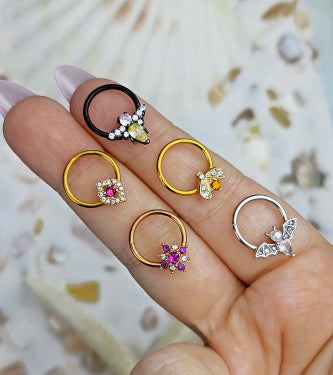


















You did it! That awesome new lip piercing is officially yours, and you’re probably feeling incredible. Now comes the most important part of your piercing journey: keeping it clean so it can heal up perfectly.
Don't worry, this isn't about being a total clean freak! It's just about giving your body a little help so it can work its magic and heal beautifully around your new favorite piece of jewelry. Let's get into it!
Your New Lip Piercing: What Happens Next
That first look in the mirror is pure magic, but the real work starts now. A solid, consistent aftercare routine is your best friend for avoiding irritation, fighting off infection, and making the whole healing process go way smoother.
The best part? It's not complicated at all. Your body is already on the job, working to heal the piercing. Your role is simply to keep the area clean and free from any unwanted bacteria.
What to Expect Right Away
Since your new piercing is basically a small wound, it's totally normal to see a few things happen in the first week or two. Don't panic if you notice:
- Swelling: Expect your lip to be a bit puffy for the first few days. This is just your body's natural reaction.
- Minor Bleeding: A little on-and-off bleeding is common for the first day or so.
- Tenderness: The area is going to be sensitive, so be gentle with it.
- Clear or Yellowish Fluid: This is just lymph fluid, not pus! It's a sign of healthy healing and often dries into what we call "crusties" around your jewelry.
Remember, that first piece of jewelry your piercer put in is intentionally longer to make room for swelling. It’s not how it will look forever! Swapping it for a shorter bar after a few weeks is super important for your comfort and oral health.
Healing time is different for everyone. While a lot of lip piercings are happy and healed within 6-8 weeks, your body will set its own pace. You can get a better idea of what to expect by checking out our guide to healing times for popular piercings.
The Ultimate Lip Piercing Cleaning Routine
So you've got your new lip piercing... congrats! Now for the most important part: aftercare. A solid cleaning routine is your ticket to a happy, healthy piercing, and it's not as complicated as you might think.
The key is a two-pronged attack: keeping the outside clean and the inside rinsed. Think of it as a tag-team effort. For the outside, you'll be using a gentle saline solution. For the inside, it's all about flushing away food and bacteria after you eat. You'll have this down in a day or two, promise.

This chart says it all. Proper cleaning is the bridge between that fresh piercing appointment and rocking a fully healed look. Don't skip it!
Your Daily Lip Piercing Cleaning Schedule
To make it even easier, here’s a simple daily schedule to follow.
| Time of Day | External Cleaning (Outside Lip) | Internal Cleaning (Inside Mouth) |
|---|---|---|
| Morning | Soak with sterile saline solution for 5-10 minutes, then pat dry. | Rinse with alcohol-free mouthwash for 30-60 seconds after breakfast. |
| Evening | Soak with sterile saline solution for 5-10 minutes, then pat dry. | Rinse with alcohol-free mouthwash for 30-60 seconds after your last meal. |
And remember, you'll also want to rinse your mouth with water after every meal, snack, or sugary drink throughout the day to keep things fresh.
Cleaning The Outside of Your Lip Piercing
Your goal here is to clean the piercing without irritating it. Less is more. The absolute best tool for the job is a sterile saline solution. You can grab a pre-made sterile saline spray, often sold as "wound wash," at any pharmacy. This is the way to go—it's sterile, and it's way more convenient than mixing your own.
Here’s the routine:
- Soak it twice daily. Once in the morning and once at night is all you need. Grab a clean paper towel or some non-woven gauze and completely saturate it with your saline spray.
- Let it sit. Hold the soaked paper towel against your piercing for 5-10 minutes. This little saline bath is perfect for softening up any "crusties" (which is just dried lymph fluid, totally normal!) and cleaning the area without any harsh rubbing.
- Pat it dry. This is a crucial step! After you’re done soaking, take a fresh, dry paper towel and gently pat the piercing and jewelry completely dry. A damp piercing is a magnet for bacteria, so don't leave it wet.
Quick tip: Stay away from cotton balls, swabs, or Q-tips. Those little fibers love to snag on jewelry and can leave behind fluff that irritates your brand-new piercing. Paper towels or non-woven gauze are your best friends here.
Keeping The Inside of Your Mouth Clean
The inside of your mouth is a whole different world. It’s naturally a healing machine, but with a new piercing, you’ve got to give it some help, especially after you eat.
After every meal, snack, or drink that isn't water, you need to rinse your mouth for about 30-60 seconds. This is non-negotiable. It flushes out any food bits that want to hang around your new jewelry and cause trouble.
Here's what to use:
- Alcohol-Free Mouthwash: Find a mild, antimicrobial or antibacterial mouthwash that is 100% alcohol-free. Alcohol is way too aggressive for a healing piercing and will just cause irritation.
- Sea Salt Rinse: You can also mix your own rinse. Just dissolve 1/8 to 1/4 teaspoon of non-iodized sea salt into one cup (8 oz) of warm, distilled water. Swish it around and spit. Always make a fresh batch every single time you rinse.
When you have a new oral piercing, hygiene is everything. For more tips on keeping your mouth in top shape, check out our deep dive into oral piercing care and getting to the tooth of the matter. We cover all the bases.
Long-Term Care for Healed Lip Piercings
So you've made it through the healing phase—awesome! The intensive aftercare is officially over, but that doesn't mean you can just forget about your piercing. A little bit of maintenance is all it takes to keep your piercing happy and your favorite Bodycandy jewelry looking incredible for years.
This is the fun part where you can finally relax. Your goal shifts from careful healing to simple, clean upkeep. Think of it less like a strict medical routine and more like regular hygiene, just like brushing your teeth.
Your New Normal Cleaning Routine
Once your piercing is 100% healed (we’re talking no pain, no discharge, and no swelling for several weeks), you can dial way back on the cleaning. Those twice-daily saline soaks are a thing of the past. Now, a simple daily cleaning is usually more than enough to keep things fresh.
Most people find that just washing the area once a day with a gentle, fragrance-free soap in the shower is perfect. Just lather some soap in your hands, gently clean around the piercing site, and let the warm water rinse it thoroughly. Make sure you get all the soap off to avoid any irritation.
For the inside of your mouth, just keep up with your normal oral hygiene. Brushing your teeth twice a day and swishing with water after meals will do the job. No need for constant mouthwash rinses unless that's already something you do.
Even with a perfectly healed piercing, you might notice some buildup. This is just a mix of dead skin cells, natural oils, and daily grime. It's totally normal, but it can get a bit funky if you don't clean the jewelry itself from time to time.
Keeping Your Jewelry Sparkling
Let's be real, swapping out your jewelry is one of the best parts of having a healed piercing. To keep everything healthy and looking amazing, it's a great idea to give your lip rings and studs a quick clean whenever you change them out.
- Soak Your Studs: Give your jewelry a quick bath in warm water with a bit of gentle soap. You can use a soft-bristled brush (a clean, soft toothbrush works great) to gently scrub away any gunk from the threads and around any gems.
- Rinse and Dry Thoroughly: After its bath, rinse the jewelry completely under clean water. Dry it off with a fresh paper towel before putting it back in. This simple step prevents any soap residue from irritating your piercing.
- Check for Wear: Use this cleaning time to give your jewelry a quick once-over. Are the threads still in good shape? Is the gem secure in its setting? A quick inspection now can save you from the heartbreak of losing a favorite piece later.
Knowing how to handle your jewelry is just as important as cleaning it. To get a better grasp on the different parts, you might want to check out our guide that explains the anatomy of a lip ring in-depth. It's a great way to become a true jewelry pro.
Common Lip Piercing Aftercare Mistakes to Avoid
Everyone wants their new piercing to heal up perfectly, but it's surprisingly easy to fall into bad habits that can seriously irritate it. This is your official "what not to do" list. Think of us as your piercing-savvy best friend, here to help you dodge the common mistakes so your new lip ring can heal without a hitch.

Ditching The Harsh Chemicals
It might feel like you should be blasting your new piercing with the strongest stuff you can find, but this is a huge no-no. Products like rubbing alcohol, hydrogen peroxide, and harsh antibacterial soaps are way too aggressive for a delicate, healing wound.
These chemicals actually cause more harm than good by destroying the new, healthy cells your body is working so hard to build. This just leads to irritation, dryness, and a much longer, more painful healing time. Just stick to your sterile saline solution. It’s all you need.
Resisting The Urge To Fiddle
This is probably the toughest rule to follow, but it's one of the most critical. We get it—you’ve got a cool new piece of jewelry on your face, and the urge to twist it, poke it, or play with it is real. Just don't.
Every single time you touch your jewelry, you risk:
- Introducing Bacteria: Your hands (and mouth!) are crawling with germs. Touching the piercing is basically rolling out the welcome mat for an infection.
- Causing Trauma: Moving the jewelry around disturbs the fragile new skin (that’s the fistula) trying to form inside. This can cause swelling, bumps, and major healing setbacks.
- Damaging Your Teeth: Trust us on this one. Constantly clicking your jewelry against your teeth and gums can lead to chips, cracks, and gum recession down the line. Leave it alone!
Did you know? A whopping 35% of piercings take longer to heal simply because of bad aftercare habits. Keeping your hands off is the best thing you can do for a speedy recovery.
Making Smart Lifestyle Adjustments
Getting a new lip piercing means you'll have to make a few temporary tweaks to your daily routine. For the first few weeks, being mindful is key to protecting your piercing from getting angry.
One of the biggest culprits? Makeup. Slathering foundation, concealer, or lip gloss too close to your piercing is a recipe for disaster. These products can clog the piercing and introduce bacteria. You can get more info by checking out these additional insights on piercing aftercare.
You’ll also need to be careful with certain activities. Stay out of pools, hot tubs, lakes, and oceans. These are basically giant petri dishes of bacteria just waiting to cause a nasty infection. When you eat, try taking smaller bites and steering clear of super spicy or acidic foods that can aggravate the fresh wound. It's only for a little while, and your perfectly healed piercing will be worth it.
Is It Irritation or an Infection?
We’ve all been there. That little moment of panic when your fresh piercing feels a bit… off. You immediately start spiraling, "Is this normal healing, or is something actually wrong?"
Relax! Knowing the difference between standard piercing irritation and a legit infection will save you a ton of stress. A new piercing is a wound, so your body is going to react. It's completely normal to have some redness, a bit of swelling, and tenderness, especially in the first couple of weeks. You'll also see some clear or whitish-yellow fluid that dries into "crusties." This is just lymph fluid, and it's a good sign your body is healing properly.
An infection, however, is a different beast entirely. It's caused by bacteria getting into the piercing and needs to be taken seriously.

Irritation vs Infection: How to Tell the Difference
Use this chart to quickly identify if your lip piercing is simply irritated or showing signs of a potential infection.
| Symptom | Normal Healing / Irritation | Potential Infection (See a Pro!) |
|---|---|---|
| Discharge | Clear or whitish-yellow fluid that forms "crusties." Totally normal! | Thick, cloudy, green, or dark-colored pus. It often has a nasty smell. |
| Pain Level | General tenderness and soreness that gradually gets better. | Intense, throbbing pain that gets worse over time, not better. |
| Swelling & Redness | Localized puffiness and redness around the piercing site that calms down. | Spreading redness and significant swelling that feels hot to the touch. |
| Overall Health | You feel fine, just a bit sore around your new piercing. | You feel generally unwell, run down, or have a fever. |
If you're ever in doubt, it's always better to be safe than sorry. A quick check-in with your piercer can put your mind at ease.
When to Get Help
So, your piercing is just a little mad at you. Maybe it's a bit red after you accidentally bumped it. In that case, a gentle saline soak can help calm it down. Be extra mindful of it for a few days, and it should settle.
But if you’re seeing any of the major red flags we talked about—especially that gnarly-looking pus or you feel feverish—it's time to act fast.
CRITICAL: Do NOT remove the jewelry! Taking it out might seem like a good idea, but it can cause the piercing to close, trapping the infection inside. This can lead to a much more serious problem, like an abscess.
Don't play doctor or just wait for it to go away. Research confirms that poor aftercare is a huge factor. For example, in-depth piercing care research shows that swimming in public pools can spike your infection risk.
Using high-quality, hypoallergenic jewelry like our titanium labret studs also makes a massive difference by preventing allergic reactions, which are often mistaken for infections. If you suspect an infection, call your piercer immediately. They can take a look and tell you if it's time to see a doctor for antibiotics. When it comes to your health, playing it safe is always the right move.
Your Top Lip Piercing Questions Answered
Got some lingering questions about your new lip piercing? Don't worry, that's completely normal. We've pulled together the most common questions we hear, from cleaning hiccups to jewelry swaps. Think of this as your go-to guide for all those little "what-if" moments.Can I Use Soap or Anything Other Than Saline?
We get this one a lot, and the answer is a hard no. It's tempting to reach for antibacterial soap, rubbing alcohol, or hydrogen peroxide, thinking you're doing a better job of killing germs. But those products are way too harsh for a healing piercing.
They strip away everything—including the beneficial cells your body needs to heal properly. This can lead to serious irritation, dryness, and can actually make your healing time much longer.
Stick to a sterile saline solution. It’s gentle, effective, and so close to your body's own fluids that it's the undisputed gold standard for piercing aftercare.
How Soon Can I Change My Lip Jewelry?
Patience is a piercer's best friend! You really need to wait until your lip piercing is fully healed before you start swapping out jewelry just for a style change. That usually takes about 6-8 weeks, but everyone's body is different.
Changing the jewelry too soon is a major risk. You can easily tear the delicate healing skin inside (the fistula), inviting bacteria in and setting your healing way back. The only exception here is when you're downsizing your initial jewelry.
Your piercer definitely started you with a longer bar to make room for that initial swelling. It's super important to go back and see them around the 2-4 week mark. They'll swap it for a shorter bar that fits snugly, which is crucial for preventing potential damage to your teeth and gums.
What if I Forget to Clean My Piercing for a Day?
First off, don't panic! Life happens, and missing a single cleaning session isn't a disaster. The worst thing you can do is try to "make up for it" by over-cleaning or scrubbing aggressively—that will just irritate your piercing.
Just get back on track with your next scheduled cleaning. If you notice a few extra crusties have formed, a gentle saline soak will take care of them. Consistent care over the long run is what leads to a happy, healthy piercing, not being perfect every single day.
Ready to downsize to that perfect stud or start building your lip ring collection? At BodyCandy, we have an incredible selection of labret studs and lip rings. You'll find tons of options in high-quality materials like titanium and surgical steel to keep your piercing happy, healthy, and looking amazing.
Explore our full collection of lip jewelry today! Have more questions about aftercare? Drop them in the comments below