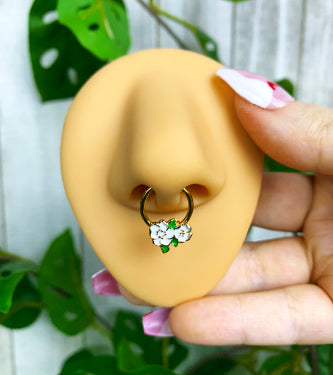
















You've probably seen a cute little forward helix stack on your feed, zoomed in, and thought two things at the same time. I need that look and how bad is that going to hurt?
That mix of excitement and low-key panic is completely normal. A forward helix sits in a small, very visible spot, so it feels a little higher stakes than a basic lobe. It's also a cartilage piercing, which means the pain question deserves a real answer, not the fake-brave version.
So You Want a Forward Helix Piercing
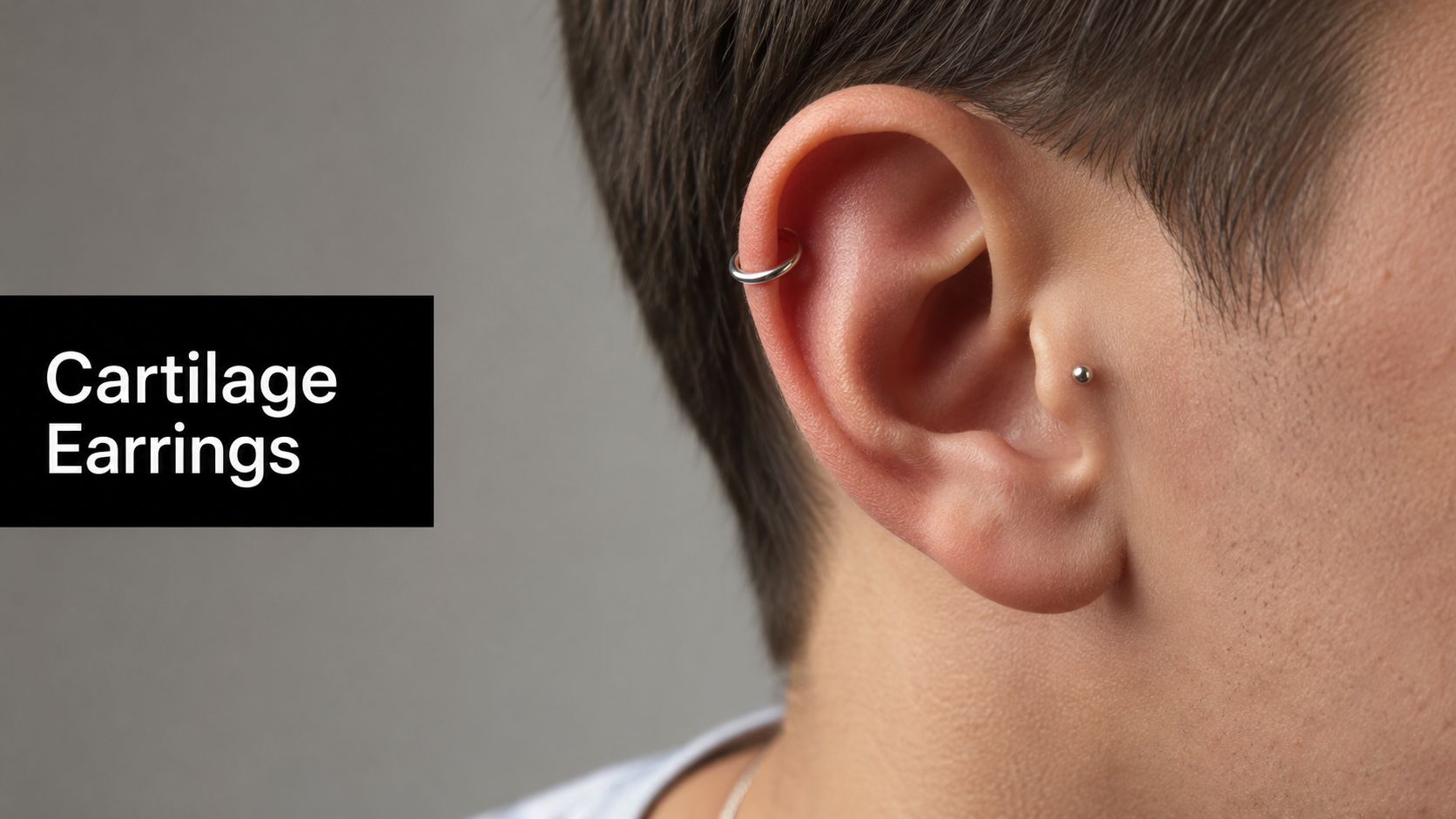
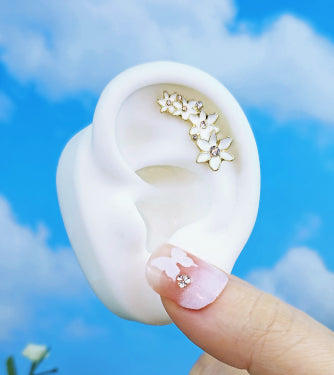
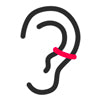
A forward helix piercing has that sharp, polished look that makes an ear stack feel finished. It sits at the front of the upper ear, close to your face, so even a tiny stud stands out.
If you're still figuring out where it fits in the ear map, this quick guide to understanding helix piercings helps make the placement a lot easier to picture.

What throws people off is that this piercing looks delicate, but the experience doesn't feel quite as soft as the jewelry looks. You're dealing with cartilage, a tighter space, and a spot that can be awkward to clean and easy to bump if you wear glasses, brush your hair fast, or sleep on that side.
That doesn't mean you should be scared off. It just means you'll do better if you know what the pain feels like, why some forward helix piercings sting more than others, and how to make healing less annoying.
A lot of piercing anxiety comes from not knowing whether the pain is a long ordeal or a quick sharp moment. For a forward helix, that difference matters.
The Honest Truth About Forward Helix Pain
The short answer is this. Forward helix piercing pain is usually moderate, not extreme. On the standard pain scale, it is often rated at 6 out of 10, and the sharp part usually lasts about 2 to 3 seconds, according to Maison Miru's forward helix piercing jewelry guide.
What it feels like in the moment
This isn't the slow burn of a sore muscle. It's more like a fast, concentrated stab through a firm little ridge of tissue. Because the forward helix contains more nerve endings than the normal helix, it can feel a bit more sensitive in that exact instant.
A lot of people expect the pain itself to be the worst part. Sometimes the surprise is the sound and sensation. That same Maison Miru guide notes that people often notice a sharp pop sensation and even an audible crunch as the cartilage is pierced.
That sounds dramatic, but it helps to know ahead of time. If you hear or feel that, it doesn't automatically mean something's wrong. Cartilage just has a very different feel from soft flesh.
Why it feels different from a lobe
A lobe piercing usually feels softer because the tissue gives way more easily. A forward helix feels more direct. There's less cushion, less squish, and a much more pinpoint kind of pressure.
That's why people often describe it with words like:
- Sharp
- Pinchy
- Crunchy
- Brief
- Startling more than unbearable
What happens after the needle part
Once the initial poke is over, the sensation usually shifts. Instead of sharp pain, you may notice warmth, pressure, and a dull ache. For some people, that lingering soreness is more annoying than the piercing itself.
That part matters because if you've been stressing for days about the piercing moment, it's somewhat reassuring. The intense part is fast. The bigger challenge is being patient with the tenderness afterward and not irritating it with bad sleep, snags, or fidgeting.
Practical rule: If your brain is building this up into minutes of agony, scale that mental movie way down. The sharpest part is measured in seconds, not an endless ordeal.
What Makes It Hurt More or Less
A forward helix doesn't feel identical on every person. The location is the same, but your body, your stress level, and your appointment choices can change the experience a lot.
The tissue itself matters
This piercing goes through cartilage, so there's automatically more resistance than with a lobe. That's part of why the pain can feel crisp and concentrated instead of soft and easy.
The small working area matters too. Your piercer is dealing with a tighter section of ear, so precision is a bigger part of the whole process.
Your choices matter too
Nina Wynn rates forward helix piercings at about 4 to 5 out of 10, with a single forward helix typically around 5/10, and notes that pain increases when you get multiple piercings in one appointment in the same area, as explained in this helix piercing guide.
That's one of the most useful things to know before you book.
If you're debating between one piercing now or a cute little stack all at once, remember this:
- One piercing is simpler: Your body has one fresh spot to deal with.
- Multiple piercings hit harder: The area gets stressed again and again in a limited space.
- The sensory side builds up: Even if you handle the first one fine, your ear may feel more reactive after each additional piercing.
Small factors that can change your day
Some things don't have neat numbers attached to them, but they still matter in real life:
- Your nerves before the appointment: If you show up tense and braced, everything can feel sharper.
- Whether you ate and hydrated: Being shaky or lightheaded doesn't help.
- How still you can stay: A calm, steady appointment usually feels smoother.
- Whether you're forcing a whole ear project into one sitting: Cute in theory, rougher in practice.
If you're pain-worried, the easiest win is not to overload the session. Get the single forward helix. Let your ear settle. Build the stack later if you still want more.
Your Healing and Pain Timeline
A forward helix can test your patience more than your courage. The needle moment is quick. The healing asks for follow-through.
Urban Body Jewelry notes that the mandatory recovery timeline is 6 to 12 months, and that forward helix piercings typically start with a longer 16-gauge stud to allow for swelling, followed by a downsize at around 6 weeks to help prevent hypertrophic scarring and irritation, as outlined in this forward helix piercing information and aftercare guide.

First 48 hours
This is usually the most dramatic part. Your ear may feel hot, throbby, and weirdly “present” even when you're not touching it. You might catch every little movement of your hair or glasses and suddenly become acutely aware of the front of your ear.
That's normal for a fresh cartilage piercing. The area is reacting to the trauma, and swelling can make the jewelry feel more noticeable.
Week 1
The pain usually steps down from sharp to sore. Tenderness, mild swelling, and some redness can hang around while the area settles.
This is also when people accidentally irritate it the most. They forget and answer the phone on that side, pull a shirt over their head too fast, or brush through their hair like nothing happened.
Weeks 2 to 6
This stage tricks people. The piercing often feels better, so they assume it's mostly healed. It isn't.
You may still get tenderness if it's bumped, and crusting can still show up as your body heals. The piercing can look calmer on the outside while the inside is still doing a lot of work.
The “it feels fine, so I can stop being careful” phase is where a lot of cartilage piercings get irritated.
Around 6 weeks
This is the key milestone. The longer starter post that helped with swelling can become a problem once the swelling goes down.
A too-long post has more room to move, snag, and tilt. Downsizing to a snugger fit helps the piercing settle more comfortably and can reduce the cycle of irritation.
Months 2 to 6
This is the slower middle stretch. The piercing may seem okay most days, then get cranky after one rough night of sleep or one accidental snag. That doesn't always mean something is wrong. Cartilage can be moody while it heals.
What helps most here is consistency. Gentle cleaning, less pressure, less touching, less “testing it.”
Months 6 to 12
This is the final stretch for many people. The piercing becomes less reactive, and daily life around it gets easier. Still, fully healed and “seems okay” are not the same thing.
If you rush jewelry changes before the piercing is fully settled, you can set yourself back fast.
Pro Tips for Managing Pain and Swelling
The best pain plan starts before you leave the studio. A forward helix usually feels manageable when you protect it from pressure, friction, and over-cleaning.

Essential Beauty advises cleaning a forward helix twice daily with sterile saline solution, sleeping on the opposite side or using a donut travel pillow, and seeing a piercer at about 6 weeks to downsize the post, as explained in this guide to forward helix piercings, process, healing, and more.
The comfort moves that actually help
- Use sterile saline, not DIY mixes: Clean the piercing twice a day. Keep it simple and gentle.
- Take pressure off at night: Sleep on the opposite side if you can. If you can't, a donut travel pillow can keep your ear suspended instead of smashed.
- Leave the jewelry alone: Twisting, turning, and checking it in the mirror with your fingers usually creates more soreness.
- Watch the snag zone: Hair, hoodies, towels, and phone calls can all annoy a forward helix fast.
- Keep your downsize appointment: A shorter post after the initial swelling goes down can make day-to-day healing feel way less chaotic.
A simple routine for the first stretch
Morning and evening tends to work well:
- Wash your hands.
- Spray the area with sterile saline.
- Let it sit briefly.
- Pat away excess moisture if needed with something clean and disposable.
- Then ignore it.
That last step is underrated. Cartilage loves calm.
If you want more general piercing comfort ideas, BodyCandy has a blog post on reducing piercing discomfort that covers mindset and prep. Pair that kind of advice with basic supplies like saline and appropriately fitted starter jewelry.
Here's a visual if you want to see care basics in action:
What not to do when it's sore
A lot of irritation comes from “helpful” habits that aren't helpful.
- Don't over-clean it: More cleaning doesn't mean faster healing.
- Don't sleep on it to test whether it still hurts: Your pillow will give you the answer.
- Don't change jewelry early just because you're bored of the starter stud: Fresh cartilage usually hates that.
- Don't let pressure become your normal: If glasses, hats, or headphones keep rubbing the area, adjust what you can.
Keep the routine boring. Boring is what lets cartilage settle.
Pain Scale How a Forward Helix Compares
Pain scores make more sense when you compare them to piercings people already know. Madaj Piercings places the forward helix at 5/10 because it passes through thin, inflexible cartilage, putting it in the moderate category alongside a standard helix, according to this ear piercing pain level guide.
If you want a broader ranking of ear and body piercing discomfort, this BodyCandy article on which body piercing hurts the most gives more context.
Ear piercing pain comparison
| Piercing | Pain Level (1-10) | Healing Time | Snag Risk |
|---|---|---|---|
| Lobe | Lower than a forward helix | Usually shorter than cartilage piercings | Lower |
| Standard helix | Similar moderate range | Cartilage healing is usually a longer commitment | Medium |
| Forward helix | 5/10 | 6 to 12 months | High |
| Tragus | Often described as cartilage-sharp in its own way | Cartilage healing pace | Medium |
| Daith | Often feels more intense and pressure-heavy to some people | Cartilage healing pace | Lower to medium |
What that means in real life
If you've already had a standard helix and handled it well, a forward helix usually won't feel like a shocking jump. It's in the same general pain neighborhood.
If your only piercing is a lobe, the forward helix will probably feel much sharper and more rigid. Not because it's unbearable, but because cartilage doesn't have that soft give.
The snag risk is a big deal here too. A forward helix can get caught more easily than people expect because it sits in that awkward front edge of the ear where hair, pillowcases, and fingers tend to wander.
Is It Infected or Just Irritated
People often become overly concerned. A little soreness or crusting can look dramatic when it's on your face-side ear, but not every grumpy piercing is infected.
For a clearer breakdown, BodyCandy's post on normal piercing irritation vs actual infection is worth bookmarking.
What's normal
- Mild redness: Especially after cleaning or an accidental bump.
- Some swelling: Fresh cartilage often stays puffy for a while.
- Tenderness: Particularly if you slept on it or snagged it.
- Clear or whitish crusties: Normal healing fluid can dry around the piercing.
What's not
- Yellow or green pus
- Heat that seems to radiate
- Swelling that looks extreme or keeps worsening
- Pain that suddenly ramps up hard instead of gradually calming
- Fever or feeling unwell
When to get help
If it looks irritated, start by thinking about what may have set it off. Pressure, touching, snagging, and jewelry that needs downsizing are common culprits.
If you notice the red-flag signs above, check in with your piercer or a medical professional. It's better to ask than to guess, especially with cartilage.
Ready to style your new ear project? Browse BodyCandy for forward-helix-friendly jewelry options like flat back styles and 16g pieces, and if you're still deciding, keep your questions handy for your piercer so you walk in calm, prepared, and a lot less intimidated.