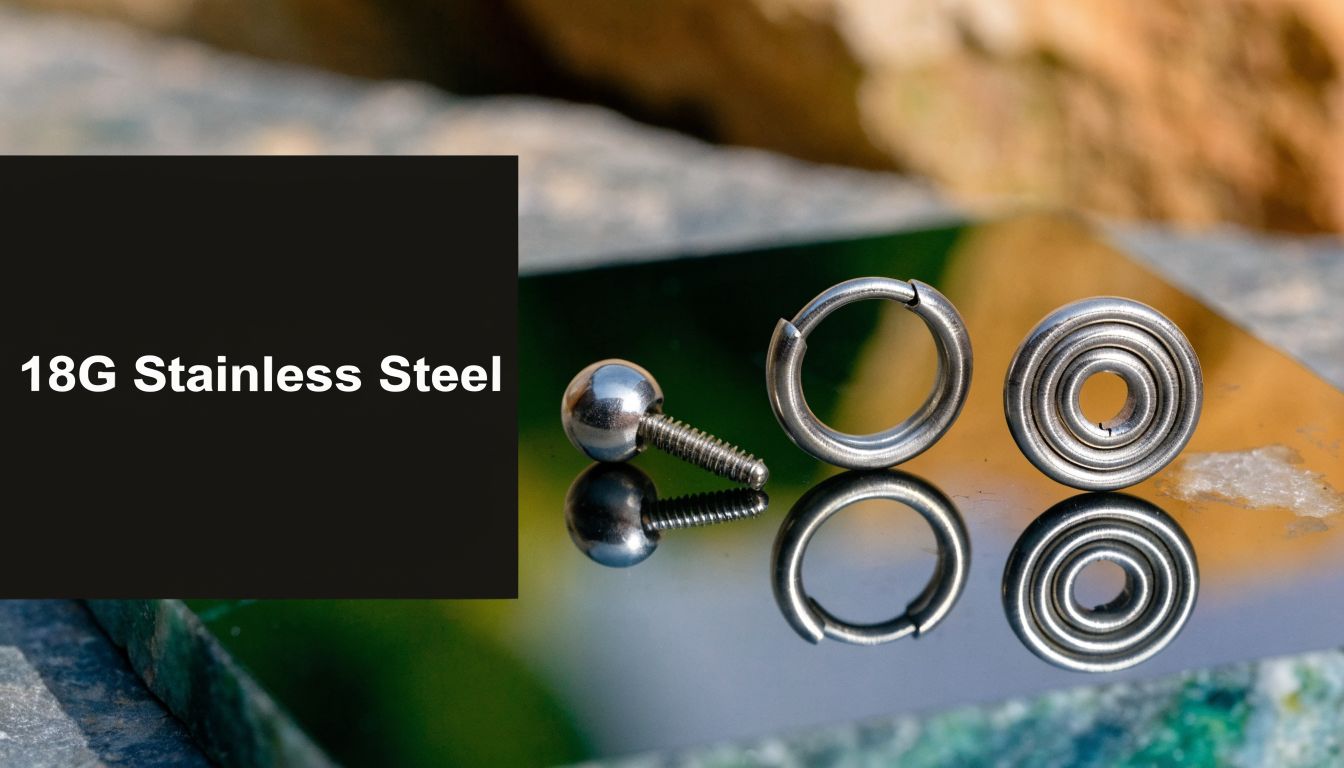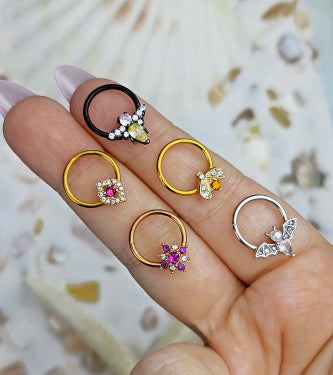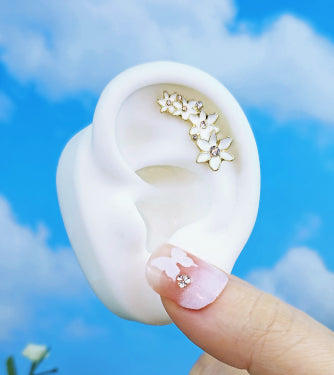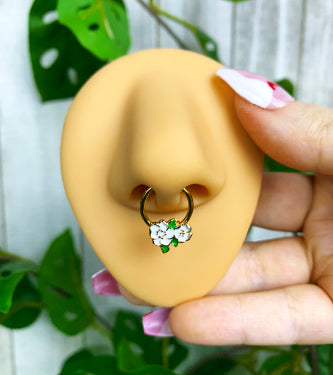


















You got a new helix, tragus, conch, or industrial, and now your ear looks like it picked a fight with your pillow and lost. That freak-out moment is common. A swollen cartilage piercing can look dramatic fast, especially in the first few days.
The good news is that puffiness doesn't automatically mean something's wrong. The less-fun news is that cartilage can be high-maintenance, and it needs smarter aftercare than a basic lobe piercing. If you're staring at your ear in the mirror trying to decide whether to chill out or call somebody, this guide is for you.
Why Your New Cartilage Piercing Is So Puffy
A fresh piercing is a wound. Cute wound, sparkly wound, still a wound.
Your body reacts by sending fluid, immune cells, and repair materials to the area. That creates swelling, warmth, tenderness, and a little redness. Basically, your body's repair crew just clocked in.
Your ear is healing like a construction site
Think of your new piercing like a tiny construction zone. Your body needs to send workers, tools, and supplies to rebuild tissue around the jewelry.
With an earlobe, that job is easier because the tissue has better blood flow. Cartilage is different. It's more like a construction site on a remote island where deliveries take longer and traffic is annoying. That's why cartilage can stay moody for a lot longer than a lobe.

A study cited by Jesco reported a 41.4% risk of probable infection for ear cartilage piercings versus 29.6% for earlobes, and it links that higher risk to cartilage's poor blood supply. That doesn't mean your piercing is doomed. It means cartilage needs more patience and less messing around.
What normal puffiness usually feels like
In the early stage, a healthy healing piercing can feel:
- Sore: Especially if your hair catches on it or you bump it while changing clothes
- Warm: Mild warmth is part of inflammation
- Tight: The skin can feel stretched because fluid is hanging around the piercing
- Crusty: Clear or whitish dried fluid is usually healing discharge, not instant disaster
Practical rule: Puffy and slightly cranky can be normal. Puffy, angry, and getting worse day after day needs a closer look.
Why cartilage gets dramatic
Cartilage doesn't forgive pressure. If you sleep on it, wear tight headphones, snag it with a hoodie, or keep touching it because you "just want to check," it can swell again even after it seemed fine.
That's the part that confuses people most. Cartilage piercing swelling isn't always a straight line down. It can calm down, then flare up because something irritated it. Annoying, yes. Unusual, no.
Normal Swelling vs Problem Swelling
Your piercing doesn't need you to panic. It does need you to pay attention.
A healing cartilage piercing can look a little rough before it looks cute. The trick is knowing the difference between normal healing signs and the kind of swelling that suggests infection or serious irritation.
What normal swelling looks and feels like
Normal swelling usually stays close to the piercing. It may feel tender, a bit warm, and mildly throbbing, especially if the piercing is brand new.
You might also see clear or pale fluid dry into little crusties around the jewelry. Gross-looking, yes. Very common, also yes.

What problem swelling looks and feels like
Problem swelling tends to act meaner. Instead of slowly settling down, it ramps up. The ear may look more inflamed, feel hot, and become more painful rather than less.
Watch for discharge that turns thick, yellow, or green. Also pay attention if redness starts spreading beyond the immediate piercing area or if the swelling makes the jewelry look like it's getting swallowed by the skin.
If your ear looks worse every day instead of slightly less dramatic, don't talk yourself out of taking it seriously.
Is Your Swelling Normal or a Problem
| Symptom | Normal Healing Swelling | Potential Problem or Infection |
|---|---|---|
| Redness | Mild and close to the piercing | Spreading or increasingly intense |
| Heat | Slight warmth to the touch | Hot skin with strong throbbing |
| Pain | Tender, sore when bumped | Pain that gets sharper or more constant |
| Discharge | Clear or whitish crusting | Thick yellow or green pus |
| Timing | Gradually calms down | Worsens after the first few days or lingers aggressively |
| Swelling pattern | Localized puffiness | Swelling that spreads or feels very tight |
| General symptoms | No major body symptoms | Fever, feeling sick, swollen lymph nodes |
One thing people mix up all the time
A bump is not always infection.
Cartilage piercings can develop irritation bumps, hypertrophic scarring, granulomas, or keloid-like growths. Those need different responses, which is why guessing from one blurry bathroom selfie isn't the move. If a bump sticks around, keeps growing, or oozes in a weird way, get it checked by a professional instead of trying every random internet hack in your cabinet.
Your Healing and Swelling Timeline
Cartilage healing has phases, and each one has its own personality. Some days your piercing acts calm and civilized. Other days it throws a tiny tantrum because your hair wrapped around it in the shower.
The useful thing is that cartilage piercing swelling usually follows a recognizable pattern. According to BodyCandy's cartilage swelling guide, swelling typically peaks at 48 to 72 hours, settles down substantially within 3 to 7 days, and full healing can take 3 to 12 months.
The first three days
This is peak puffiness territory.
Your ear may feel tight, warm, and extra sensitive. If you got a longer post and thought, "Wow, this jewelry looks huge," that's usually intentional so your piercing has room for swelling.
The rest of week one
By this point, the swelling should start backing off. Not vanish. Just stop acting like the star of the show.
You may still notice tenderness, minor redness, and some crusting. That's common. The main thing you're looking for is direction. Is it calming down overall, even if slowly? Good.
Cartilage healing is less like flipping a switch and more like watching a bruise fade. Progress happens, just not in a dramatic movie montage.
Weeks two through six
At this stage, people get overconfident and accidentally irritate the piercing all over again.
It may seem mostly okay, then flare after sleeping on it, wearing over-ear headphones, changing shirts too fast, or trying to swap jewelry early. That doesn't always mean infection. Often it means the piercing got annoyed.
A lot of cartilage piercings also start forming more visible crusties or look slightly raised during this stage. That can happen as tissue continues to rebuild around the channel.
The next few months
The outside may look way more healed than the inside is. That's the trap.
Cartilage piercings heal from the outside in, so it's easy to think you're done when the tissue deeper inside is still delicate. If you're not sure how your piercing type usually behaves, this guide to healing times for popular piercings helps set realistic expectations.
A simple timeline cheat sheet
- First 24 hours: Swelling starts, ear feels tender
- 48 to 72 hours: Peak swelling is common
- Days 3 to 7: Swelling should substantially improve
- Weeks 2 to 6: Flare-ups can happen if the piercing gets irritated
- Months 3 to 12: The piercing keeps maturing even if it looks decent on the outside
If your swelling doesn't match that general arc and keeps escalating, that's when you stop assuming it's "just healing."
How to Reduce Cartilage Piercing Swelling Fast
If your ear is puffy and annoyed, you don't need fifteen weird remedies. You need a few solid habits and the discipline to stop poking at it.
The goal is simple. Lower irritation, keep the area clean, and give the tissue space to settle.

Do the boring things that actually work
According to Medical News Today, trauma like sleeping on a piercing can delay healing from 6 to 12+ months, and twice-daily saline soaks using 0.9% NaCl for 5 to 10 minutes reduce crusting by 50% and the incidence of irritation bumps. Translation: the simple stuff matters more than the dramatic stuff.
Here's your no-nonsense routine:
-
Use sterile saline twice a day
Spray it on or soak the piercing as directed. Let it soften crusties instead of scraping them off dry. -
Leave the jewelry alone
Don't twist it, spin it, slide it around, or "check if it's still sore." It is. Because you keep bothering it. -
Rinse after sweat or hair product exposure
Shampoo, conditioner, hairspray, and gym sweat can all irritate a healing piercing. -
Dry it gently
Pat around it with clean gauze or let it air dry. Wet, irritated skin stays cranky longer.
If you want a premixed option, BodyCandy's H2Ocean aftercare guide covers saline-based piercing care and how people commonly use it in an aftercare routine.
Stop these habits immediately
A lot of cartilage piercing swelling sticks around because the piercing keeps getting re-injured.
- Sleeping on it: Pressure keeps tissue irritated
- Touching it with unwashed hands: Classic way to make things worse
- Using alcohol or peroxide: These can be too harsh for healing skin
- Changing jewelry early: Swollen cartilage does not want wardrobe changes
- Wearing tight headphones or helmets: Extra pressure, extra drama
The side-sleeper survival plan
If you always sleep on that side, you need a workaround, not good intentions.
Try this:
- Use a travel pillow: Put your ear in the center hole so it doesn't get crushed
- Switch sides when you can: Even partial pressure relief helps
- Secure your hair back: Fewer nighttime snags
- Keep your pillowcase clean: Less grime near a healing wound
This quick video can help if you want a visual refresher on piercing care basics:
Quick reality check: You can't force cartilage to heal fast, but you can stop doing the stuff that keeps resetting the clock.
If you snagged it today
Don't spiral.
Rinse it with saline, leave it alone, and monitor it over the next day or two. A small flare-up after trauma can happen. What you don't want is repeated snagging, pressure, and panic-cleaning ten times a day.
The Best Jewelry for a Swollen Cartilage Piercing
Jewelry isn't just decoration when your piercing is swollen. It's part of the problem or part of the solution.
If the post is too short, the swelling has nowhere to go. If the metal irritates your skin, your ear can stay itchy, puffy, and angry way longer than necessary.
Why initial jewelry usually looks longer
Professional piercers often use a longer post for a fresh cartilage piercing because new piercings need room. That extra length isn't sloppy. It's there so the jewelry doesn't press into swollen tissue.
If you swap it too early for something snug and cute, you can trap pressure right when your ear needs space most. That's how people end up with embedding, irritation, and a piercing that suddenly feels way worse.

The metals worth your attention
Low-quality jewelry can trigger contact irritation, and nickel is a huge troublemaker for a lot of people. A review discussed in this PMC article on auricular piercing complications notes that low-quality jewelry containing nickel can provoke allergic contact dermatitis with intense itching and swelling, and that switching to implant-grade titanium or surgical steel (ASTM F-136 compliant) reduces irritation by over 80% in sensitized individuals.
That matters if your piercing feels:
- Itchy instead of just sore
- Persistently swollen without obvious trauma
- Red in a rashy way
- Fine for a bit, then irritated whenever you wear certain metals
What to shop for once your ear calms down
If you have sensitive skin, look for jewelry made from materials with a strong reputation for biocompatibility.
A smart shortlist includes:
- Implant-grade titanium for people who react to a lot of metals
- High-quality surgical steel if your skin tolerates it well
- Properly fitted flat backs or barbells that don't pinch or snag
- Simple healing shapes before decorative pieces with lots of edges
If you're comparing materials for future changes, this titanium body jewelry guide gives a helpful breakdown of what makes titanium such a common pick for sensitive piercings.
Jewelry should sit comfortably, not fight your ear all day. If it pinches, digs in, or keeps catching on everything, it's not helping.
When to Call Your Piercer or a Doctor
You don't need to run to urgent care for every crusty little moment. But you also shouldn't tough it out if your ear is waving obvious red flags.
Cartilage can go from irritated to infected faster than people expect. Knowing who to contact saves time and can save the piercing.
Call your piercer if the issue seems mechanical
A professional piercer is usually the right first call when the problem looks related to fit, pressure, or irritation.
Reach out if:
- Your jewelry feels too tight
- The post seems to be sinking into the skin
- You keep getting snagging and swelling flare-ups
- You have a stubborn irritation bump
- You think the jewelry material may be bothering you
A good piercer can check whether the jewelry length, style, or material is part of the problem. They can also tell you when not to change anything.
Call a doctor if infection looks likely
A doctor is the person you want when symptoms suggest infection or the swelling is getting beyond basic aftercare territory.
Get medical help if you notice:
- Thick yellow or green discharge
- Fever
- Spreading redness
- Skin that feels very hot
- Pain that intensifies instead of calming down
- Swollen lymph nodes
- A large area of the ear becoming involved
Cartilage infections aren't the place for DIY bravado. They can become serious and may need proper medical treatment.
What about bumps and scars
Not every bump is an emergency, but not every bump should be ignored either.
An irritation bump often shows up after pressure, friction, or over-cleaning. A scar-related bump may stick around longer and feel firmer. If a growth keeps getting bigger, won't settle, or looks unusual, ask your piercer for an assessment and see a doctor or dermatologist if needed. Guessing can waste weeks.
Ask the piercer for jewelry and aftercare guidance. Ask the doctor for diagnosis and treatment when symptoms look infected or severe.
Your Cartilage Piercing Swelling FAQ
Can I use ice on a swollen cartilage piercing
You can use a cold compress carefully. Don't press bare ice directly on the piercing. Wrap the cold pack in clean fabric and keep the pressure gentle. The goal is to calm the area, not mash it.
I snagged my piercing on my shirt. Did I ruin it
Probably not. Cartilage is dramatic, so one snag can cause a temporary flare-up.
Clean it with saline, baby it for the next couple of days, and watch the swelling. If it becomes increasingly hot, painful, or starts producing thick discolored discharge, get help.
Should I rotate or twist the jewelry so it doesn't stick
Nope. That old advice needs to retire.
Twisting the jewelry can irritate the channel and delay healing. Leave it where it is unless a professional tells you otherwise.
Can I change the jewelry while it's swollen
Don't do that unless a professional piercer is handling it for a specific reason, like upsizing jewelry that's too tight.
Changing jewelry while the area is swollen can cause more trauma, trap pressure, and make a bad situation messier.
Why is my piercing fine one day and swollen the next
Because cartilage holds grudges. Pressure, sleep, hair tangles, headphones, hats, and accidental bumps can all trigger a flare-up even after a calm stretch.
That up-and-down pattern can happen during healing. What matters is whether the overall trend improves.
How should I sleep with a cartilage piercing
Sleep on the opposite side if you can. If you can't, use a travel pillow or piercing pillow so your ear rests in the center opening instead of getting smashed against the mattress.
Is crusting normal
Yes, if it's clear or whitish and not accompanied by worsening heat, spreading redness, or thick pus. Crusting is often dried lymph, which is a normal part of healing.
What if the swelling doesn't go away
If it lingers, gets worse, or keeps coming back hard, stop troubleshooting by trial and error. Get your piercer to check the jewelry and talk to a doctor if infection seems possible.
Ready to upgrade your healing setup or plan your next ear stack once the swelling settles? Browse hypoallergenic styles and aftercare options at BodyCandy.