

















TL;DR: You should absolutely not swim with a new, unhealed belly button piercing. Belly button piercings have a documented 20% infection rate and typically take 6 to 9 months to fully heal, so pools, oceans, lakes, and hot tubs are a bad idea while it’s still healing.
You got the piercing. You love how it looks. Then real life shows up with a beach trip, a pool party, a cruise, or a hot tub invite.
And now you’re asking the question everybody asks after fresh navel jewelry: can you swim with a belly button piercing?
My direct answer is no if it’s new, healing, tender, crusty, irritated, or doing anything other than acting completely settled. A fresh belly piercing is not ready for a swim day. It’s not being dramatic. It’s being a healing wound in one of the most high-friction spots on your body.
So You Got a New Belly Piercing Now What
Summer timing is rude like that. You finally get the belly piercing you’ve wanted forever, then somebody texts, “Pool at 4?” Suddenly your cute new jewelry comes with a list of rules.

A lot of people assume a navel piercing is simple because it sits on soft tissue and looks easy to manage. It isn’t. Your waistband rubs it. You bend all day. You sleep on it weird. You catch it on towels, jeans, and the edge of your own shirt. That’s why a new belly piercing needs a calm, boring healing phase, not cannonballs and chlorine.
The answer you probably don’t want
If you just got pierced and you’re wondering whether one quick swim is fine, I’m telling you no. Not a dip. Not a few laps. Not “I’ll keep my torso mostly out.” Water has a way of getting where you don’t want it.
Practical rule: If your belly piercing is still healing, treat swimming like a hard no, not a “maybe if I’m careful.”
That doesn’t mean your summer is ruined. It means you should plan smarter. If your trip is close, wait to get pierced until after. If your piercing is already done, protect it like you paid good money for it, because you did.
Start with realistic expectations
The best move is to accept that this piercing has a long runway. It’s a style investment, not an instant-gratification piercing. If you want a broader breakdown of placement, anatomy, and jewelry basics, BodyCandy’s guide to belly piercing styles and standards is a useful starting point.
The good news is that patience pays off. The less you mess with your fresh piercing now, the better it’ll look later.
Why Your New Piercing Hates Water
A new navel piercing is not “just a hole.” It’s a puncture wound your body is trying to stabilize. Your skin is building a healing channel around the jewelry, and that process takes time.
A belly button piercing is like a tunnel under construction. The walls are delicate, the structure is unfinished, and everything needs to stay clean and undisturbed. Swimming dumps moisture, chemicals, and bacteria into the middle of that project.
Healing takes longer than people expect
Belly button piercings have a documented 20% infection rate, and full healing typically takes 6 to 9 months, according to information cited at Selby Leisure Centre’s overview of swimming after a belly button piercing. That same source notes that professional piercers and health bodies like the APP recommend avoiding submerging the piercing in any body of water during healing.
That timeline surprises people because the outside can look “pretty okay” long before the inside is ready. A piercing can seem calm and still be fragile underneath.
Why water causes trouble
Water exposure hits a healing navel piercing in a few ways at once:
- It softens the area: Constant moisture can irritate healing skin.
- It carries contaminants: Even water that looks clean isn’t sterile.
- It increases friction after soaking: Wet skin plus clothing rub is a terrible combo for navels.
- It encourages you to touch it more: You’ll want to adjust it, dry it, inspect it, and fuss with it.
That’s how people turn mild irritation into a real problem.
Fresh piercings heal best in clean, dry, low-drama conditions. Swimming gives you the opposite.
Why the navel is extra annoying
The navel isn’t a low-movement spot. You sit, twist, stretch, and fold at the waist all day. Add swimwear seams, damp fabric, sunscreen residue, and towel friction, and your piercing gets irritated fast.
If you remember one thing from this section, make it this: a belly piercing heals beautifully when you leave it alone. Swimming is the opposite of leaving it alone.
A Deep Dive on Water Risks
Not all water is equally bad. But none of it is good for a fresh navel piercing.
If you’re trying to rank the danger, think in terms of irritation plus contamination. Some water types are harsher. Some are dirtier. Some are both.

Pool water
People love to say, “But it’s chlorinated.” That doesn’t make it piercing-safe.
Chlorine can dry out and irritate healing skin. Public pools also come with everybody else’s sunscreen, sweat, skin cells, and whatever the filter system didn’t win against that day. Your piercing doesn’t care that the water is technically treated. It cares that it’s getting soaked in chemicals and shared by a crowd.
Hot tubs and jacuzzis
This is the one I’m hardest on. Hot tubs are basically warm bacteria soup from a piercing perspective.
Heat opens the skin up to irritation, and warm water is exactly the kind of environment you don’t want near a fresh puncture. If you’ve got a new belly piercing, skip the hot tub completely. This is not the place to test your luck.
If you must choose between a pool and a hot tub with a healing piercing, the correct choice is neither. But hot tubs are the faster route to regret.
Ocean water
Ocean water gets romanticized because people hear “salt water” and think “healing.” Controlled saline aftercare is one thing. The ocean is not controlled saline.
The ocean contains microorganisms, sand, plant matter, pollution, and all kinds of random irritation your piercing didn’t ask for. Waves also mean movement, and movement means rubbing and trauma around the jewelry.
Lakes and rivers
This is the highest-risk category in my book. Natural freshwater is untreated, unpredictable, and full of things you cannot see.
Mud, sediment, algae, bacteria, and general mystery-gunk make lakes and rivers especially rough on a healing piercing. If you’re deciding whether to jump in the lake with a fresh navel piercing, don’t.
Quick comparison
| Water type | Main problem for a healing belly piercing |
|---|---|
| Pool | Chemical irritation and shared water exposure |
| Hot tub | Heat plus heavy contamination risk |
| Ocean | Bacteria, sand, salt, and constant movement |
| Lake or river | Untreated water and environmental contaminants |
| Tap water soak | Not sterile enough for deliberate soaking |
If you’re heading into warm weather with healing piercings, BodyCandy’s summer care for body mods has a helpful seasonal reminder list.
So what’s the least bad option
If you forced me to rank them for a healed piercing, I’d still tell you to be cautious. For a new piercing, the “least bad” choice is still not worth the risk. The smartest move is waiting until your navel piercing is properly healed before you swim at all.
The Break Glass in Case of Emergency Swim Guide
You shouldn’t swim with a healing belly button piercing. That’s the advice.
But sometimes life is messy. Maybe you’re on a family trip. Maybe you have an unavoidable water activity. Maybe you already ignored the first three people who told you not to do it. Fine. If you absolutely must get in the water, use harm reduction instead of pretending it’s safe.
What to buy
Get a waterproof transparent film dressing designed to seal against skin. People often look for products in the Tegaderm style category. You want something flexible, adhesive, and large enough to cover the entire piercing area with margin around it.
Do not slap on a tiny bandage and call it protection. If the edges lift, water gets in. If water gets in, the plan failed.
How to apply it
Follow these steps carefully:
- Clean and dry the area first. Your skin has to be fully dry or the dressing won’t seal.
- Do not apply over lotion or sunscreen. The adhesive needs clean skin.
- Place the dressing flat over the piercing. No wrinkles, no gaps, no half-stuck corners.
- Press the edges down firmly. Focus on the outer border more than the center.
- Check your range of motion. Twist a little and sit down. If the seal puckers, replace it.
A sealed dressing is only a backup plan. It is not permission for a long swim, rough waves, diving, or hours in a wet swimsuit.
What this method can and cannot do
Here’s what it can do. It can reduce direct exposure for a short period if the seal holds.
Here’s what it cannot do. It cannot sterilize pool water. It cannot save you if the dressing leaks. It cannot turn a fresh piercing into a healed one.
- Use it for brief exposure: Short, unavoidable water contact only.
- Skip it for full beach days: Salt, sand, and sun turn this into a losing game.
- Never trust it in a hot tub: Heat and long soaking work against the seal.
- Replace it immediately if it lifts: A compromised dressing is just wet plastic.
Sealed bandages are for damage reduction, not risk removal.
Small decisions matter
If you’re already using a waterproof dressing, stack the odds in your favor. Stay out of the deepest water. Don’t float around forever. Don’t do water slides. Don’t wear high-pressure waistbands over the covered area. The less chaos, the better.
And if your piercing is already acting irritated before the swim, skip the water entirely. A piercing that’s angry on land gets angrier in water.
Damage Control Your Post-Swim Aftercare Routine
If you swam anyway, don’t just air-dry and hope for the best. Deal with it immediately.

The first few minutes after you get out matter most. Your goal is simple: get the piercing clean, get it dry, and stop adding irritation.
Your immediate cleanup steps
Do this as soon as you can:
- Remove the wet dressing right away. Don’t leave a damp barrier sitting on your skin.
- Rinse the area with clean water. You’re trying to flush off whatever was sitting on the piercing.
- Use sterile saline. A piercing aftercare saline product is the right move here.
- Pat dry with clean disposable material. Be gentle. No rubbing.
- Put on dry clothing. A wet swimsuit pressing on your navel is a bad follow-up.
If you want a product-specific refresher on saline-based care, BodyCandy has a post about H2Ocean aftercare that walks through the basics.
What not to do
After a swim, people often panic-clean. That causes its own problems.
Avoid this stuff:
- Alcohol or peroxide: These can be too harsh for a healing piercing.
- Ointments: Thick products can trap moisture and grime.
- Twisting the jewelry: You don’t need to “work the cleaner in.”
- Cotton fuzz: Anything that leaves fibers behind gets annoying fast.
Here’s a quick visual walkthrough if you want to see aftercare in action:
Watch it over the next day
Don’t clean it once and forget it. Check the area later that day and again the next morning. You’re looking for increased redness, more soreness, unusual swelling, or discharge that looks worse than normal healing crust.
If it seems more irritated after water exposure, baby it. Keep clothing loose, keep hands off, and go back to simple saline care.
Is It Healing or Infected How to Tell the Difference
A healing belly piercing can look mildly gross sometimes. That doesn’t automatically mean infection. You need to know the difference so you don’t either panic over normal healing or ignore a real problem.

Normal healing signs
These are common during healing:
- Mild redness: Especially after cleaning, clothing friction, or accidental bumping.
- Light tenderness: A healing navel piercing can stay sensitive for a while.
- Itchiness: Annoying, but common.
- Clear or pale crusties: Dried lymph is normal and not the same as pus.
Signs that need attention
These are the signs I take seriously:
- Thick yellow or green discharge
- A strong bad smell coming from the site
- Heat spreading around the piercing
- Swelling that keeps getting worse instead of calming down
- Pain that feels intense, sharp, or suddenly much worse
- Fever or feeling sick overall
A little crankiness is normal. Spreading heat, colored pus, and worsening pain are not.
Who to contact
For jewelry fit, irritation, and healing questions, check with a reputable professional piercer first. For signs of infection, especially if you feel unwell or the area is getting rapidly worse, contact a medical professional.
Don’t remove jewelry on your own if you suspect infection unless a medical professional tells you to. Let somebody qualified assess it.
Patience Pays Off The Ultimate Belly Bling Awaits
A belly piercing rewards patience better than almost any other piercing. If you give it the boring healing season it needs, you get the fun part later. Better comfort, fewer setbacks, and way better odds of ending up with a piercing that looks polished instead of perpetually irritated.
If something seems off, use the right person for the job. A piercer can check placement, jewelry fit, and irritation. A doctor handles suspected infection and anything that moves beyond normal aftercare.
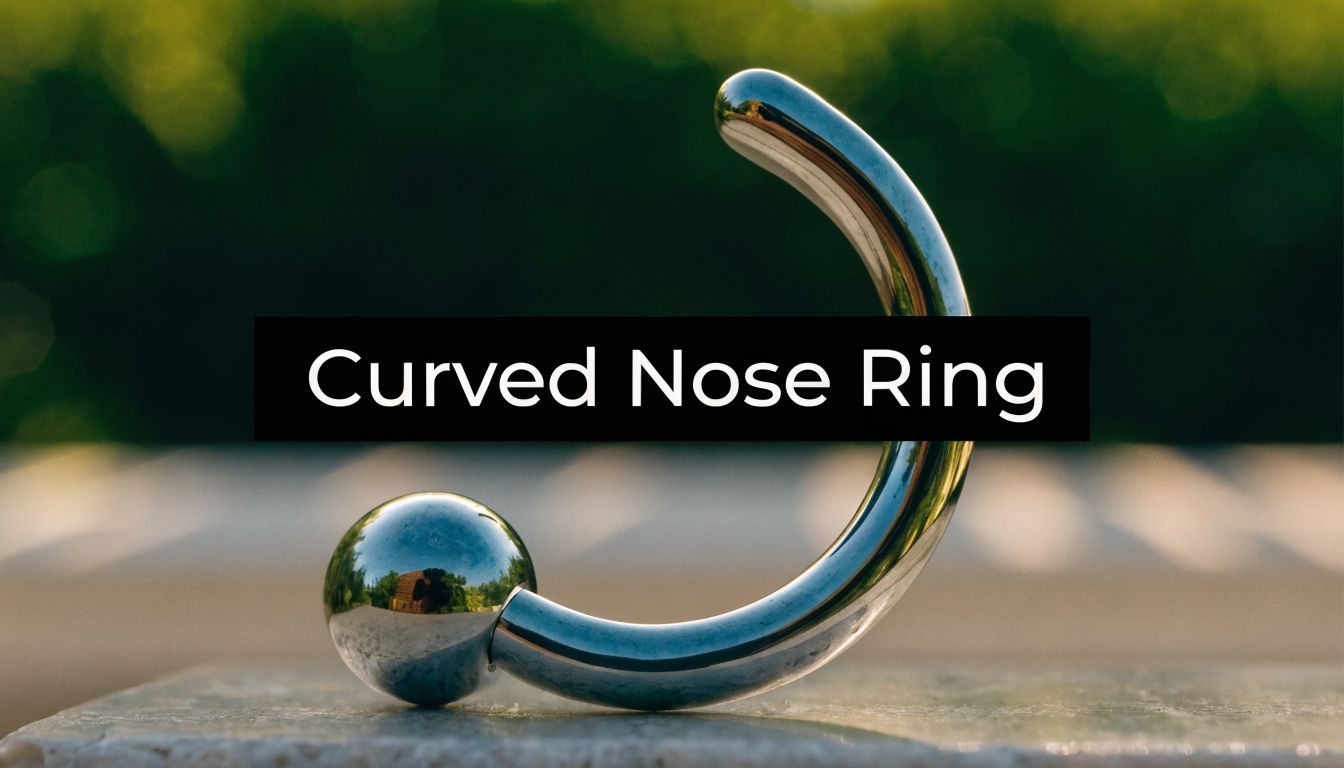
And once your navel piercing is fully healed, that’s when you get to play. Simple curved barbells. Sparkly pieces. Dangles. Seasonal looks. All the cute belly bling you were daydreaming about while skipping the pool.
Ready for the fun part after healing? Browse BodyCandy to start planning the belly jewelry you’ll wear once your piercing is fully settled, and if you’ve got an aftercare question, save this guide and come back before your next swim invite.