














We get asked a lot of questions about what the best piercings are for people who are new to getting pierced. So rather than talk about that again, today we’re going to focus on piercings that are less than ideal for people who are new to getting pierced. Maybe save these for after you’ve gotten one or two piercings under your belt and successfully healed.

Cartilage Piercing
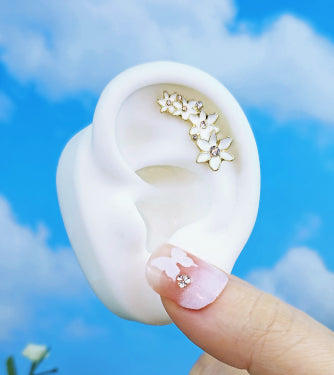
It is wild how many people choose something like their helix to get as their first piercing without fully understanding how cartilage piercings heal. Because there isn’t a whole lot of blood flow to your ear cartilage, piercings on it take a long time to heal. Like, a lot longer than the lobe or your septum does. This cartilage is also thicker and more resistant than other parts of your body and tends to rate higher on the relative pain scale when pierced. By all means, get your cartilage pierced but if you’re new to the experience, you *really* need to know in advance what you are getting into. If you don’t have six months to a year to invest in healing a piercing, don’t start with your cartilage.
Nasal Bridge
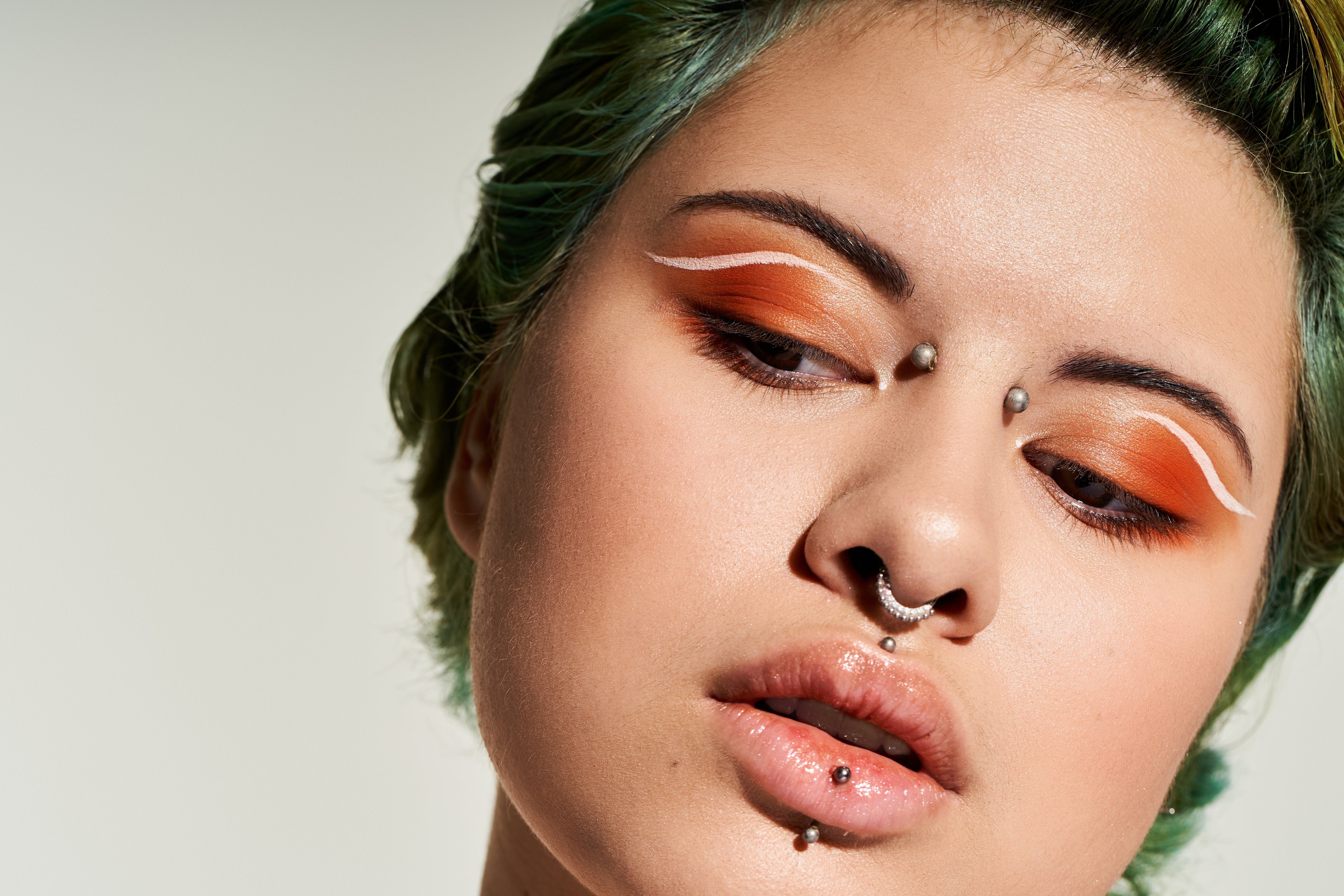
These are so cool. These are so cool that even people who are completely new to piercing want these. That’s a bad thing; it’s just not a great idea. The tissue of your nasal bridge is really thick skin and due to that, this piercing has to be performed slowly. That means that instead of the needle just quickly piercing you, it takes a couple of seconds and that means it hurts longer. It is also a surface piercing, meaning that it is more likely to reject than a standard piercing. And because it is on your face, if you’re not used to being aware of your new addition, you’re more likely to snag it on something. And snagging a piercing…. can lead to rejection. See where this is going? Not the best choice for your first piercing.
Dermals
See all the same things that were just said about the nasal bridge. Getting these performed may be less or more painful, depending on your own personal pain tolerance. However, especially on the face, these are high-risk piercings for snagging. And since they are considered “long term temporary” piercings which almost inevitably reject, it helps a great deal to already have some piercing experience, so you recognize the signs. This helps reduce scarring by not trying to save a piercing that is past being salvageable.

Belly Ring
Again, these have a high risk for rejection due to being in a high-movement area and having a high risk of snagging on your clothes. But also, they are extremely anatomy-dependent and if you’re a piercing newcomer, you may not understand the anatomical requirements in relation to your own anatomy. This leads to the possibility of having an entirely inappropriate piercing done to your body by a shady piercer. The number of navels that needed a floating piercing instead of a standard one or belly button piercings that aren’t in the navel at all, is skyrocketing on the internet. An ounce of prevention saves a pound of social media posts asking “Does this look okay”.
Just because the piercing you want is on this list doesn’t mean you shouldn’t get it. But if you are new to getting pierced, perhaps consider saving it for your second or third piercing instead of your first. Learn how to properly clean and heal one, get used to having jewelry in your body and not touching it, and generally don’t dive straight into the deep end. Get a little experience under your belt and then you’ll be ready to get yourself pierced wherever your heart desires. Happy piercing!