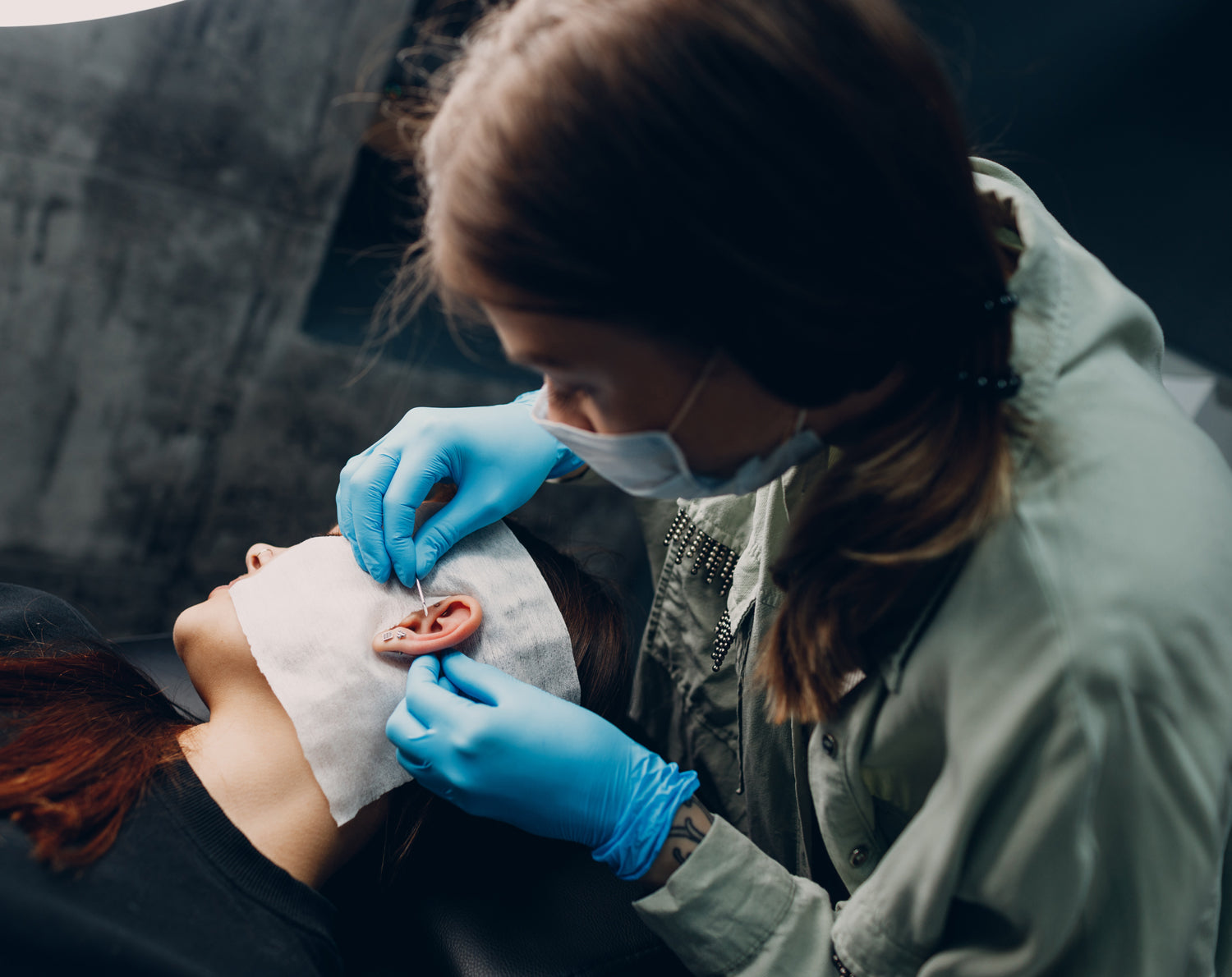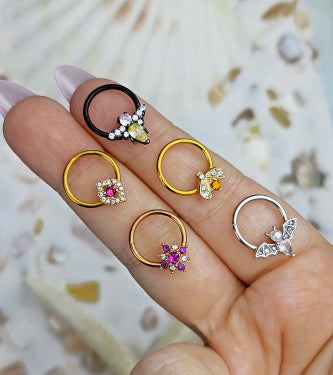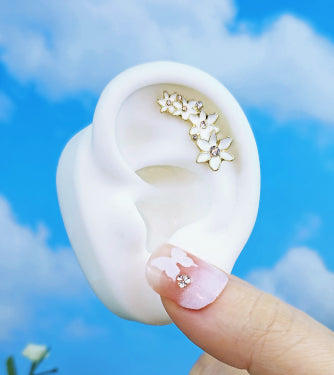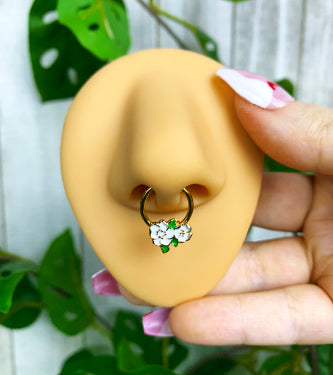















You’re probably here because an at home ear piercing kit looks fast, cheap, and kind of empowering. Fair. A lot of people want the convenience of doing it on their own schedule, in their own mirror, with their own music playing instead of fluorescent mall lighting.
But DIY ear piercing is one of those things where “simple” and “low-risk” are not the same word.
Real talk from your piercer friend: some kits are far safer than others, and some mistakes matter way more than people realize. The biggest gap between pro standards and home piercing is not just the tool. It’s everything around the tool. Clean setup, placement, jewelry choice, and aftercare decide whether your new lobe piercing heals nicely or turns into a long, annoying mess.
Let’s go step by step and keep this grounded in what matters.
Understanding At-Home Piercing Kits
The first myth to toss out is that all ear piercing kits work basically the same. They don’t.
A needle-based kit and a piercing gun create very different injuries in the ear. That difference matters because your body has to heal whatever kind of damage you create.

Why the tool matters so much
Professional-grade at-home piercing kits that use a hollow piercing needle make a cleaner channel than guns do. A hollow needle removes a tiny bit of skin and tissue instead of forcing blunt jewelry through the ear. That reduces surrounding tissue damage and creates a cleaner opening that can heal more smoothly, as explained in this overview of safe self-ear piercing methods.
A gun does the opposite. It uses the jewelry post itself to punch through the lobe. That’s less like slicing wrapping paper neatly and more like jamming a thumbtack through cardboard. The hole exists, sure. But the tissue around it takes a rougher hit.
If you’ve ever heard someone say, “My gun piercing healed fine, so it’s okay,” cool. That means they got lucky, not that the method is ideal.
Needle kits are safer. They are not magic.
This part trips people up.
A better tool does not guarantee a better piercing. It only improves one piece of the process. The actual placement still depends on your hand, your angle, your anatomy, and whether you panic halfway through.
That’s why some DIY kits get overhyped. They market “professional results,” but they can’t package professional judgment into a box.
Tip: A safe-looking kit is not the same thing as a safe outcome. The kit controls the equipment. You control the execution.
The difference between “possible” and “smart”
For earlobes, an at home ear piercing kit can be a more realistic DIY option than cartilage. Lobes are softer, more forgiving, and easier to line up. Cartilage is less forgiving and much easier to irritate, angle badly, or heal poorly.
That doesn’t mean lobes are foolproof. It means if you insist on piercing at home, you should stay in your lane and respect anatomy.
Here’s the mindset pros use, and you should too:
- Choose the least traumatic tool: Hollow needle over gun.
- Treat cleanliness like a procedure: Not like a quick beauty hack.
- Respect placement limits: If you can’t mark both sides evenly, stop.
- Know what the kit cannot do: It cannot correct shaky hands or bad judgment.
If you want a deeper breakdown of why guns are still controversial, BodyCandy has a useful read on the piercing gun debate.
So, are at-home kits safe?
The honest answer is: they can be safer than people assume, but they are also riskier than marketing makes them sound.
If your kit uses a single-use hollow needle and sterile components, you’re starting from a better place. If it uses a gun-style mechanism, skip it.
Compare it to cooking with a sharp chef’s knife versus a dull one. The sharper tool is safer in skilled hands because it does what it’s supposed to do cleanly. But if you wave it around carelessly, you still have a problem.
That’s the truth. The kit matters. Your choices matter more.
Choosing Your Piercing Kit Like a Pro
Shopping for an at home ear piercing kit is where people get distracted by cute packaging and miss the boring stuff that protects them.
You are not buying a vibe. You are buying a tiny medical-style procedure in a box.
Your essential checklist
Start with the basics. If a kit misses any of these, keep scrolling.

- Single-use hollow needle: This is the first thing to confirm. If the kit is vague about the piercing method, that’s a red flag.
- Individually sealed sterile parts: You want components that arrive pre-packaged, not loose pieces rattling around together.
- Starter jewelry made for fresh piercings: Smooth, simple studs are easier to heal than decorative pieces with fussy shapes.
- Aftercare supplies: At minimum, you want saline or clear instructions to use saline after the piercing.
- Clear instructions: Not “insert tab A into slot B” chaos. You want actual guidance on marking, cleaning, piercing, and aftercare.
Jewelry material matters more than people think
Fresh piercings are dramatic little divas. They notice everything.
If you have sensitive skin, choosing the right starter jewelry can make the whole process less irritating. Titanium is often the material people reach for when they’ve had metal sensitivity before. Surgical steel is also commonly used, but if your skin tends to throw tantrums, be extra picky.
BodyCandy has a solid explainer on what metals and materials are right for your piercing care needs.
A few practical rules help here:
| What to look for | Why it helps |
|---|---|
| Simple stud shape | Fewer edges to catch, snag, or irritate |
| Smooth finish | Less friction on a fresh channel |
| Sensitive-skin-friendly material | Lowers the odds of extra irritation |
| Secure backing | Helps prevent shifting while healing |
Don’t get hypnotized by “professional-grade” labels
That phrase gets tossed around a lot.
What matters is whether the kit tells you specific, useful things. Is the needle single-use? Are the items sealed? Is the jewelry appropriate for a new piercing? Are there real instructions?
If the product page sounds like it was written by a glitter cannon and tells you nothing concrete, walk away.
Nice-to-have features that can help
Placement is where DIY piercings often go crooked. That’s why some newer kits are trying digital guidance.
A projected 2025 trend report linked from a Walmart ear piercing kits page noted a 45% year-over-year increase in DIY piercing, and it also described AR mapping tools that cut placement errors by 67% in beta tests. The same writeup highlighted frustration with basic training studs that people don’t want to wear long-term (Walmart ear piercing kit trend overview).
That doesn’t mean you need an app-guided setup. It means the market is finally admitting what pros have always known. Placement is hard.
Key takeaway: A fancy app can help with alignment. It cannot replace a steady hand or good judgment.
A quick buyer gut-check
Before you hit “add to cart,” ask yourself:
- Do I know exactly what tool this kit uses?
- Do I trust the jewelry material for my skin?
- Does the kit support safe aftercare, or just the piercing moment?
- Would I still feel confident using this if the branding were stripped away?
If the answer to any of those is no, that kit is not ready for your ear.
The smartest shoppers treat the kit like a checklist, not a trend item. That’s the pro move.
Your Pre-Piercing Mission Prepping the Area
A sterile needle in a messy setup is like washing one fork and serving dinner on a dirty plate. You did one part right and still lost the plot.
Home piercing gets risky fast because your environment is not a studio. Your bathroom counter, your hands, your phone screen, your hair, your pillowcase, all of that can introduce junk you do not want near a fresh wound.

Clean room energy only
At-home kits come with a built-in problem. The needle may be sterile, but your space is not. Guidance on safer kids’ ear piercing methods notes this exact paradox and stresses sterile gloves, saline cleaning, and single-use components. It also notes that user aftercare compliance accounts for 60-70% of infection prevention (saline and sterile setup guidance).
That number should snap things into focus. The kit is not carrying this whole operation. You are.
Build your setup before you open anything
Do not tear open packages one-handed while hunting for a mirror and brushing hair out of your face with the other hand. Set everything up first.
Your prep station should include:
- A clean surface: Wiped down and cleared of random clutter.
- Good lighting: If you can’t see clearly, you can’t place accurately.
- A mirror at the right height: No twisting your neck into a cryptid pose.
- Washed hands: Thoroughly, not a quick splash-and-go.
- Sterile gloves if available: Especially useful to reduce contamination from your fingers.
- Saline and sterile wipes: For the earlobe and the immediate setup.
Marking is where confidence gets earned
Many people obsess over the needle. The mark is what deserves your attention.
Stand naturally. Look straight ahead. Mark both lobes, then step back and check them from more than one angle. Use the mirror, then take a photo if that helps you spot uneven placement.
A mark can look centered when you’re up close and crooked the second your head tilts.
Tip: Match the marks to your ear anatomy, not just to each other. Symmetry is not only “same spot on both sides.” It’s “same visual effect on your face.”
Pre-piercing checklist
Run through this before you do anything sharp:
- Hair secured back: You do not need strands stuck in your fresh piercing.
- Phone set aside: No touching it mid-process.
- Jewelry ready and accessible: You should not be fumbling for the backing later.
- Hands re-cleaned if you touched anything random: That includes your face, hair, pets, or doorknob.
- Breathing steady: A rushed body makes shaky decisions.
Know when setup says “not today”
Sometimes the safest move is to bail.
If the room is chaotic, if you can’t get the marks even, if your hands are trembling, or if you’re trying to do this while distracted, stop. A fresh piercing is not an emergency. You can try again another day, or decide a professional is the smarter route.
That choice is not boring. That choice is seasoned.
The Moment of Truth Your Piercing Guide
This is the part that makes people freeze. Not because it’s impossible, but because your brain suddenly gets very interested in inventing drama.
The best way through it is to make each movement simple, deliberate, and calm.

Lining up your shot
Sit or stand in a position you can hold steadily.
Your ear should be supported so the lobe isn’t flopping around. You want a firm, stable target. Line the needle up so it passes straight through the mark, not at a slant, not while you’re craning your head to one side.
A crooked angle can leave you with a piercing that looks fine from the front and weird from the side. That’s the kind of mistake that bugs you every time you catch your reflection.
The steady breath
Right before the actual piercing, pause.
Take one full breath in. Let it out. Check your hands. Check the angle. If your body feels jerky or panicked, reset before you continue.
Slow thinking is good. Hesitant poking is not.
The quick, confident push
When you’re aligned, commit to one smooth motion.
A clean pass is easier on the tissue than stopping midway, changing angle, or inching through because you got spooked. You are not trying to “be gentle” by moving slowly. In practice, that often creates more dragging and more irritation.
Think clean and decisive, like tearing tape in one pull instead of nibbling at the edge for ten minutes.
Inserting the jewelry without fumbling
People often become clumsy at this stage.
As the needle exits, the jewelry needs to follow in a controlled way. Keep your movements organized and avoid touching the post more than necessary. If your kit is designed for the jewelry to transfer directly through the needle channel, that should happen smoothly. If it doesn’t, do not start improvising with random household tools.
If you lose alignment or drop something onto an unclean surface, stop and reassess. Do not force contaminated jewelry through a fresh piercing because you’re trying to “just get it over with.”
Here’s a visual walkthrough if you want to see the motions before trying them yourself:
What it should feel like
For a lobe piercing, expect pressure, a quick sharp moment, then warmth and awareness in the area. Mild swelling can happen. So can slight redness.
What you do not want is a total mess of repeated attempts, jagged movement, or a piercing path you already know looks wrong.
If any of these happen, stop treating it like a challenge you have to win:
- The mark has clearly shifted
- The angle looks off
- You could not insert the jewelry cleanly
- You had to force things
Key takeaway: A clean piercing usually comes from one controlled motion. Most DIY damage happens during hesitation, re-aiming, or frantic jewelry insertion.
After the jewelry is in
Once the jewelry is secured, resist the urge to admire it with dirty fingers every thirty seconds.
Leave it alone. Check that the backing is secure but not painfully tight. You want enough room for the tissue to exist without being squeezed. A fresh piercing needs space, not a headlock.
You did the dramatic part. Now the boring part starts, and the boring part is what saves the piercing.
The Healing Game A Guide to Flawless Aftercare
A fresh piercing does not need your creativity. It needs consistency.
Most healing problems come from people doing too much, touching too often, or using harsh stuff because they think “stronger” means “cleaner.” It doesn’t.
Your daily routine
Keep aftercare simple.
- Use saline twice a day: Spray or soak the area gently.
- Pat dry with clean gauze: Not fluffy bathroom cotton that sheds fibers.
- Leave the jewelry alone: No spinning, no twisting, no testing whether it “still moves.”
- Keep hair, makeup, and random product off it: Fresh piercings hate buildup.
If you want a simple product-focused reference for saline-based piercing care, BodyCandy has an overview of H2Ocean aftercare.
What normal healing looks like
A healing lobe piercing can be a little dramatic without being infected.
You may notice:
- slight redness
- minor swelling
- tenderness if it gets bumped
- little crusties around the opening
Those crusties are usually dried lymph fluid. Not glamorous, but normal. Clean them gently after saline softens them. Don’t pick them off like you’re scraping dried paint.
What not to do
Some old-school advice needs to retire.
| Bad idea | Why it causes problems |
|---|---|
| Twisting the jewelry | Irritates the healing channel |
| Using alcohol or peroxide repeatedly | Can dry and upset the tissue |
| Sleeping directly on the piercing | Adds pressure and friction |
| Swapping jewelry too soon | Interrupts healing and can shrink the channel |
The long game matters
This is the part cheap kits rarely spell out. Even if the piercing looks okay early on, long-term complications can still show up.
Dermatology studies cited in a Whispers page note keloid formation in 10-20% of self-piercings, and a 2025 survey found 32% of at-home piercers experienced jewelry migration within six months, compared with 8% in professional settings. The same summary notes that sensitive skin users may have more trouble even with “hypoallergenic” kits (long-term self-piercing complication overview).
That’s a big deal. It means your job is not done once the jewelry is in and the swelling settles.
Watch for fit, not just cleanliness
Migration and embedding often start with jewelry that doesn’t suit the ear or swelling pattern. If the stud feels too tight, sinks into the tissue, or leaves no breathing room, pay attention.
The piercing should feel supported, not trapped.
Tip: The best aftercare move is often doing less. Clean it, dry it, protect it from friction, and stop checking it with your fingers.
Healing rewards patience. If you treat your ear like a fidget toy, it will protest.
When to Abort Mission Signs of Trouble
Some problems are annoying but manageable. Others mean the DIY experiment is over.
If your ear starts sending loud warning signals, the smart move is to stop trying to fix it with internet hacks and get help from a medical professional or a reputable piercer.
Red flags that need action
Pay attention if you notice any of these:
- Hot, angry swelling that keeps building: Especially if the area feels worse instead of gradually settling.
- Green or yellow pus: Not clear fluid, not crusties. Thick discharge is a different story.
- Red streaking away from the piercing: That is not something to casually monitor at home.
- Jewelry embedding into the skin: If the front or back looks like it’s getting swallowed, do not wait around.
- A rash or reaction that keeps escalating: Especially if the jewelry area is intensely itchy, raw, or breaking down.
- A visibly crooked or badly angled piercing that is causing pressure: If placement is off enough to create strain, it may not heal well.
Simple if-then decisions
If the jewelry is sinking in, then stop touching it and get professional help quickly.
If discharge is thick, colored, and the ear feels hot, then treat that as more than routine irritation.
If the piercing looks obviously wrong right after you do it, then do not keep forcing jewelry changes to “make it work.”
Don’t let pride make this worse
People get stuck because they don’t want to admit the DIY route went sideways. That’s how small issues become bigger ones.
Seeing a pro or a doctor is not failure. It’s cleanup. Plenty of people need it. The safest person in the room is usually the one who knows when to stop.
A good rule is simple: if you are guessing, delaying, or hoping something serious will magically calm down by tomorrow, it’s time to get another set of eyes on it.
Ready to level up your ear style once your piercing is healed? Check out BodyCandy for body jewelry options, and if you still have questions about starter pieces, metals, or aftercare, keep researching before you put anything new in a fresh piercing.