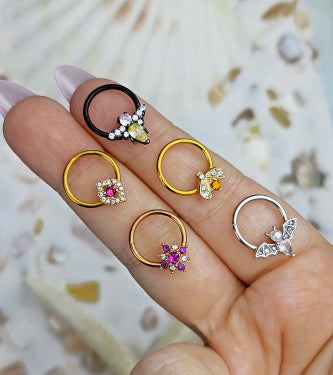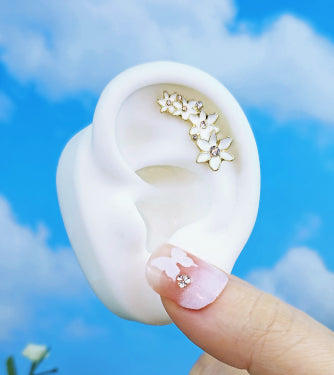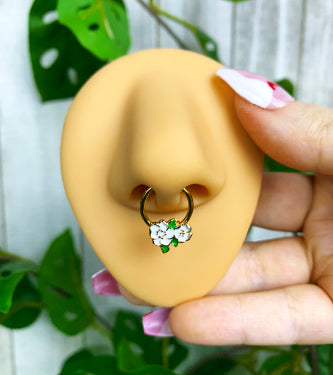


















Ever wonder what makes some piercing jewelry feel amazing right from the start, while other pieces just seem to cause trouble? Spoiler alert: the secret is almost always the metal. When it comes to happy piercings, think of ASTM F136 titanium as the absolute bestie for your body—it's a specific, implant-grade alloy so pure and body-friendly that surgeons trust it for medical implants.
So, What Is ASTM F136 Titanium and Why Should You Care?
You’ve probably heard your piercer mention "implant-grade titanium," but what does that actually mean for your new helix or navel piercing? Let's get into the real tea.
That jumble of letters and numbers isn't just random industry jargon; it’s your personal guarantee of quality. "ASTM" stands for ASTM International, an organization that sets super strict technical standards for all sorts of materials. Think of them as the ultimate rule-makers for material safety, making sure you get only the good stuff.
The "F136" part is the specific code for the grade of titanium certified as safe for surgical implants inside the human body. This isn't just any old chunk of metal. To earn that F136 title, the titanium alloy has to pass a whole battery of tests for its exact chemical makeup, strength, and purity.

The VIP of Piercing Metals
When you slip on a sleek new belly button ring or a delicate nose stud that not only looks incredible but feels like it was made for you, you’re experiencing the magic of ASTM F136 titanium. This material is the same stuff used for surgical implants, officially known as Titanium-6Aluminum-4Vanadium ELI (Extra Low Interstitial) alloy.
The F136 spec lays out the non-negotiable chemical and mechanical requirements to ensure it’s safe for long-term wear inside your body. This covers every part of your favorite BodyCandy jewelry, from the bar to the bling.
This certification means the material is:
- Extremely Biocompatible: Your body pretty much ignores it, which drastically cuts down the risk of irritation, swelling, and other healing drama.
- Completely Nickel-Free: This is a huge win for anyone with sensitive skin or a known nickel allergy. No more mystery rashes!
- Surprisingly Lightweight: It’s about 45% lighter than steel, making it way more comfortable for all-day wear, especially in larger gauge pieces.
- Incredibly Durable: This metal is tough. It resists scratches and dings, keeping your jewelry looking brand new for years.
In short, ASTM F136 titanium is the material professional piercers trust for initial piercings because it gives your body the best possible start for a smooth and happy healing journey.
Choosing this metal means you're putting your body's health first, right from day one. You’re getting a material so reliable it’s used for things like bone screws and joint replacements. If it's safe enough to be permanently installed inside someone's body, you can feel totally confident wearing it in your fresh or fully healed piercing.
Want to dive a bit deeper into the world of titanium? Check out our guide where we break down the different types of titanium body jewelry.
How Implant Grade Titanium Promotes Happier Healing
So, your piercer told you to get "implant grade" jewelry for that brand new helix or navel piercing. What does that actually mean for your healing journey? Let's get into why ASTM F136 titanium is basically the secret handshake for a smooth, happy healing process.
The magic word here is biocompatibility. It sounds super scientific, but the idea is simple.
Think of it like you're throwing a party inside your body. You invite a guest who gets along with everyone, doesn't start any drama, and just vibes with the whole crowd. That's ASTM F136 titanium. It’s so neutral that your immune system pretty much just gives it a nod and leaves it alone.
Your Body's New Best Friend
This ability to just chill out and blend in is a huge deal for a fresh piercing. When your body isn't busy trying to fight off a material it sees as an enemy, it can put all its energy into healing the piercing itself.
This means you’re way less likely to deal with those all-too-common piercing problems:
- Less Irritation: Say goodbye to a lot of the redness, swelling, and general crankiness you can get with a new piercing.
- Fewer Piercing Bumps: Those annoying bumps? They're often just your body's way of showing it's irritated. Use a material that doesn't bug your body, and you slash the risk of them popping up.
- A Smoother Heal: A calm piercing is a happy piercing. When your body can just focus on its job, the whole process is way more efficient.
Here's another way to think about it: Using cheap, low-quality metal is like trying to heal a cut with a splinter still stuck in it. Your body is so focused on attacking the splinter that it can't properly heal the wound. ASTM F136 titanium is like having no splinter at all—just a clear, easy path to healing.
A Superhero for Sensitive Skin
If you have sensitive skin or a known nickel allergy, ASTM F136 isn't just a good idea—it's pretty much a necessity. A lot of metals get labeled "surgical steel," but they can still contain enough nickel to make your skin freak out. ASTM F136, on the other hand, is 100% nickel-free. No more playing detective, trying to figure out why your new piercing is suddenly itchy, rashy, or discolored.
If you've battled skin sensitivities before, you'll find more great info in our guide to hypoallergenic jewelry for sensitive skin.
This is exactly why pro piercers across the board insist on this material for initial piercings. They know from experience that starting you off with a truly biocompatible, nickel-free metal gives you the absolute best shot at a healing process with zero drama. You're giving your body a huge head start, which leads to a piercing that not only looks amazing but feels great for years to come.
ASTM F136 Titanium vs. The Other Guys
Walking into the world of body jewelry can feel a little overwhelming. You'll see terms like surgical steel, G23 titanium, sterling silver, and acrylic thrown around. So, what's the real difference? Let's break it down and see how ASTM F136 titanium stacks up against the other materials you'll run into.
Think of it like buying a phone case. A cheap plastic one might look cool for a week, but you know it’s the high-quality, shock-absorbent case that will actually protect your phone from a nasty fall. Your piercing deserves that exact same level of care and protection, especially when it's brand new and healing.
The Misleading Case of Surgical Steel
Let’s tackle the most common material out there: surgical steel. The name sounds super official and safe, doesn't it? The truth is, it can be pretty misleading. "Surgical steel" is just a catch-all term for several different steel alloys.
Many of them, including the very popular 316L grade, still contain a good amount of nickel. Nickel is one of the biggest culprits behind skin irritation and allergic reactions. For a fresh piercing, that’s the absolute last thing you want. While some people can wear surgical steel in healed piercings without any issues, it's a real gamble for a new one.
The term "surgical steel" is not a regulated certification for body jewelry. It's a broad category, and without a specific grade, you don't really know what you're getting. ASTM F136, on the other hand, is a precise, verified standard.
Not All Titanium Is Created Equal
You might also spot jewelry labeled "G23 Titanium" or "Commercially Pure Titanium." While these are a definite step up from mystery metals, they still don't meet the strict implant-grade standard of F136.
Commercially pure titanium (like Grade 1) is softer and not as strong, while G23 is a different alloy that isn't certified by the ASTM for long-term wear inside the body. For jewelry that's going to live inside your body—especially during that critical healing phase—you want the absolute best. That's where the specific alloy and purity of ASTM F136 titanium really shine. It's literally designed to be ignored by your body's immune system.

As you can see, the right metal leads directly to less irritation, no allergy worries, and a much smoother healing journey.
Body Jewelry Material Showdown
To make things even easier, here's a quick-glance table to help you compare the main contenders when you're shopping for your next piece. Use this to make a smart choice every single time.
| Material | Biocompatibility | Contains Nickel? | Best For | Weight |
|---|---|---|---|---|
| ASTM F136 Titanium | Excellent | No | Fresh & Healed Piercings, Sensitive Skin | Very Lightweight |
| Surgical Steel (316L) | Fair to Good | Yes | Healed Piercings (if not sensitive) | Heavier |
| Sterling Silver (.925) | Poor | Can contain nickel | Decorative ends on healed piercings only | Heavy |
| Acrylic / Plastic | Poor | No | Temporary wear in healed piercings only | Extremely Lightweight |
When it comes down to it, choosing ASTM F136 titanium is an investment in your piercing's health and your own peace of mind. You’re not just buying a cool piece of jewelry; you're giving your body the safest, most comfortable environment to heal beautifully and stay that way for years to come.
How to Spot and Shop For Genuine F136 Titanium
So, you’re sold on ASTM F136 titanium being the top-tier choice for your piercing. That's great! But with so many options out there, how can you be certain you’re getting the real deal and not some mystery metal dressed up to look the part? Let's go over a few key things that will help you spot genuine, high-quality titanium every time.
Shopping smart is the final, crucial step to keeping your piercing happy and healthy. It's about more than just finding a cool design; it’s about making sure your new jewelry is as safe and well-made as you deserve.

Check the Price Tag
Here’s your first big clue: an unbelievably low price. We all love a good deal, but if a piece of so-called "implant-grade titanium" costs less than your morning coffee, it's time to get suspicious.
Real ASTM F136 titanium is a premium material for a reason. It costs more to source the raw alloy, machine it into intricate jewelry, and polish it to a perfect mirror finish. A super-low price tag is often a dead giveaway that you're looking at a lower grade of metal, or worse, a completely different material that's been mislabeled. Just think of it as an investment in your body—you really do get what you pay for.
Look for Mill Certificates
This is one of the biggest things that separates the truly reputable sellers from the rest. Trusted brands, like BodyCandy, rely on something called a mill certificate (or mill test report) for their titanium.
A mill certificate is like a birth certificate for metal. It's a formal document from the original manufacturer that tracks the material's exact chemical makeup, proving it meets the strict specifications of the ASTM F136 standard.
While you probably won't be handed the certificate with your purchase, a seller who proudly states they use certified materials is showing their commitment to quality. They’ve done the verification work so you can shop with confidence. It’s a huge indicator of transparency and trustworthiness. You can get a deeper understanding by exploring the different types of titanium body jewelry available and why that certification is so important.
The Magic of Anodization
Have you ever seen titanium jewelry in those incredible blues, purples, or rainbow finishes? That's not paint, and it’s not a coating. It’s a process called anodization, and it’s a telltale sign of real titanium.
- What it is: Anodization is a safe electrochemical process that alters the thickness of the natural oxide layer on the surface of titanium.
- How it works: By carefully adjusting the voltage of an electrical current passed through the jewelry, you can achieve a whole spectrum of brilliant colors.
- Why it's safe: Because it’s not a coating or plating, there's nothing to chip, flake, or wear off into your piercing. The color is literally part of the jewelry's surface!
If you see a piece marketed with a "PVD coating" or as "plated," you're not looking at anodized titanium. Those vibrant, oil-slick colors created through anodization are a fantastic sign that you're holding a quality piece of genuine titanium. Knowing these signs is your key to shopping for ASTM F136 titanium with total confidence.
Keeping Your Titanium Treasures Looking Their Best
You went for the best of the best and picked ASTM F136 titanium for your piercing—great choice! Now, let's talk about keeping it looking as amazing as the day you got it. Even though this metal is incredibly tough, a little TLC will keep your jewelry sparkling and, more importantly, hygienic.
The good news is that caring for your titanium jewelry is ridiculously simple. Properly polished implant-grade titanium has a mirror-smooth, non-porous surface that naturally shrugs off buildup. That means less gunk and a happier, healthier piercing.
Simple Cleaning for Daily Sparkle
For day-to-day cleaning, you don’t need any special potions or gadgets. All it takes is a gentle wash to clear away the natural oils, skin cells, and other residues that can build up over time.
Here's the no-fuss way to clean your favorite BodyCandy titanium pieces:
- Gentle Soap and Water: Grab a mild, fragrance-free soap (like a basic liquid castile soap) and work up a lather with some warm water. Gently wash your jewelry right in your hands.
- Rinse It All Off: This step is crucial. Make sure you rinse every last bit of soap away. Leftover soap residue can be a real irritant for your piercing.
- Pat It Dry: Use a clean, lint-free paper towel to pat the jewelry completely dry. Steer clear of cloth towels—they can hang onto bacteria and snag on your jewelry, which is the last thing you want.
This quick wash is perfect for keeping your jewelry bright and clean, whether it's in a fully healed piercing or you’ve just taken it out for a quick polish.
What to Avoid When Cleaning
Knowing what not to do is just as important as knowing the right way to clean. Some common household cleaners are way too aggressive for body jewelry and can wreck the finish or seriously irritate your skin.
To keep your ASTM F136 titanium looking pristine, never use harsh chemicals. Stay away from things like rubbing alcohol, hydrogen peroxide, and any kind of abrasive cleaner or polish. These can strip away that beautiful mirror finish and, worse, they’re terrible for your piercing and the skin around it.
Storing and Protecting Your Jewelry
When you’re swapping out your look, how you store your jewelry matters. Titanium is super durable, but it’s not invincible. It can still get scratched by harder materials (like diamonds) or even just by rubbing up against other jewelry in a drawer.
The fix is easy: just give each piece its own space. Storing your jewelry in individual soft cloth pouches or a jewelry box with separate compartments is a perfect solution. This will keep your gorgeous titanium belly rings from getting scuffed up by your other favorite pieces. Follow these simple tips, and your high-quality ASTM F136 titanium jewelry will stay stunning for years.
Start Your Piercing Journey With BodyCandy
Here at BodyCandy, we're obsessed with helping you express yourself without having to risk your health to do it. That's why we get so excited about top-tier materials like ASTM F136 titanium. We're genuinely passionate about getting you jewelry that not only looks incredible but also helps your piercings stay happy and heal beautifully.
Picking this metal for your piercing isn't just another purchase—it's an investment in your body. You're choosing a smoother healing journey, a biocompatible material that’s a lifesaver for sensitive skin, and jewelry that's built to last. It’s about the confidence you get knowing your new bling is as safe as it is stunning.
Upgrade Your Collection Today
Whether you're just getting started with your first piercing or you're a seasoned pro looking to level up your collection, we've got the perfect pieces to match your vibe. From tiny, delicate nose studs to can't-miss industrial barbells, every single item in our titanium lineup meets the highest quality standards.
This isn't just about what's trendy; it's about making a smart, body-safe choice. Think of it as an investment in your own confidence. When your piercing feels good, you feel good—and that’s what really lets your personal style shine.
Choosing ASTM F136 titanium means you are prioritizing long-term health and comfort. It's the ultimate way to show your piercings some love while rocking a look that’s uniquely you.
Ready to find your new favorite piece? Go explore our hand-picked selection of premium ASTM F136 titanium jewelry and give your piercing the quality it deserves. Your body will definitely thank you for it!
Your ASTM F136 Titanium Questions, Answered
Got a few questions about ASTM F136 titanium still bouncing around in your head? Perfect! You’re not the only one. Let's tackle some of the most common ones so you can feel like a total pro when picking out your next piece of body jewelry.
Is ASTM F136 Titanium Magnetic?
Nope, not one bit! One of the coolest things about genuine F136 titanium is that it's completely non-magnetic. This is actually a huge tell-tale sign of its purity and the specific alloy it's made from.
If you ever hold a magnet up to your jewelry and it sticks, you’re almost certainly not holding real, implant-grade titanium. It’s a super simple at-home test that can speak volumes about the quality of your metal.
Can I Wear Titanium Jewelry During an MRI?
This is a really, really important question. Because it's non-ferromagnetic (meaning it isn't attracted to magnets), solid ASTM F136 titanium is generally considered MRI-safe. But, and this is a big but, every hospital has its own rules, and it's always, always better to be safe than sorry.
Always tell your MRI technician about any and all body jewelry you're wearing, no matter the material. They get the final say on whether it needs to come out. Your safety is what matters most, so never just assume it's okay to leave it in.
Why Is F136 Titanium More Expensive Than Surgical Steel?
You’ve probably noticed the price difference, and it really all boils down to quality, purity, and your body's safety. Think of it as a direct investment in a happy, healthy piercing. That higher price tag comes from a few key factors:
- Raw Material Purity: Getting your hands on the "Extra Low Interstitial" (ELI) alloy is just plain more expensive than the stuff used for mass-produced steel.
- Precision Manufacturing: It takes a ton of specialized skill and very specific equipment to machine and polish titanium to that perfect, mirror-smooth finish your piercing loves.
- Biocompatibility Guarantee: You're paying for the peace of mind that comes with a 100% nickel-free, implant-grade material designed to make healing as smooth as possible.
When you look at it that way, the extra cost is a small price to pay for a piercing that heals beautifully and jewelry that can last a lifetime.
Ready to feel the difference for yourself? BodyCandy has put together an amazing collection of premium titanium jewelry that’s as safe as it is gorgeous. Give your piercing the top-tier quality it deserves and shop our full collection of ASTM F136 titanium body jewelry today