















So, you've been double-tapping those perfectly styled 'curated ears' on Insta, and now you're ready to create your own unique stack. We get it! But with so many options, from the classic lobe to the bold industrial, choosing your next piercing can feel a little overwhelming.
That's where we come in. Think of us as your bestie who just happens to know everything about piercings and gorgeous jewelry. This guide is your go-to for exploring the most popular types of ear piercings so you can plan your ear story with total confidence. We're breaking down everything you need to know for nine of the hottest placements.
For each piercing, we’ll cover:
- Placement: Exactly where it goes on your ear.
- Pain Level: An honest take on what to expect (we won't lie!).
- Healing Time: How long you'll need to be patient with aftercare.
- Jewelry Recs: The best styles for both healing and showing off your new bling.
Whether you're planning your very first piercing or your tenth, you're in the right place. Let’s dive in and find the perfect addition to your collection so you can walk into your next piercing appointment feeling informed and totally stoked.
1. Lobe Piercing
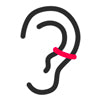
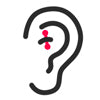
The lobe piercing is the OG, the classic, the go-to starting point for anyone diving into the world of ear curation. Located on the soft, fleshy lower part of your ear, it’s easily the most common and versatile of all the types of ear piercings. If you're just beginning your piercing journey, the lobe is the perfect, low-commitment spot to start.
Because the tissue is soft and has great blood flow, lobe piercings are known for being super low on the pain scale and healing fast. This makes them ideal for first-timers and for anyone who wants to stack multiple piercings close together. The styling possibilities are literally endless, from a single, elegant stud to a curated “ear stack” climbing up your lobe.
Why You'll Love a Lobe Piercing
The lobe's popularity isn't just because it's a classic; it's about serious style potential. This piercing is a fantastic canvas for expressing yourself.
- For Everyday Slay: A simple, chic look is easy to achieve with classic hoops or minimalist studs.
- For Curated Ears: You can get multiple lobe piercings (often called "stacked lobes") to create a unique and personalized vibe.
- For a Bolder Statement: Lobe piercings are also the foundation for stretching, allowing you to wear larger gauge jewelry like plugs and tunnels for a more alternative style.
This versatility means your lobe piercing can evolve with your personal style, from a delicate diamond stud for a fancy night out to a vibrant hoop that adds a pop of color to your daily look.
This quick reference guide summarizes the essential details for a standard lobe piercing.

As you can see, the lobe piercing combines a fast healing time with a low pain level, making it an awesome and accessible option for pretty much everyone.
Lobe Piercing Aftercare & Jewelry Tips
Proper aftercare is key to a happy, healthy piercing. For the first 6-8 weeks, clean your new piercing twice daily with a sterile saline solution. It’s super important to avoid sleeping directly on it and resist the urge to twist or change the jewelry until it’s fully healed.
Pro Tip: Start with high-quality, hypoallergenic jewelry. Materials like implant-grade titanium or surgical steel are excellent choices because they minimize the risk of irritation or allergic reactions, ensuring a smooth healing process.
Once healed, the fun begins! Ready to explore the limitless styling options for your lobe piercing? Check out our incredible collection of flat back earrings and hoops to find your perfect match.
2. Helix Piercing
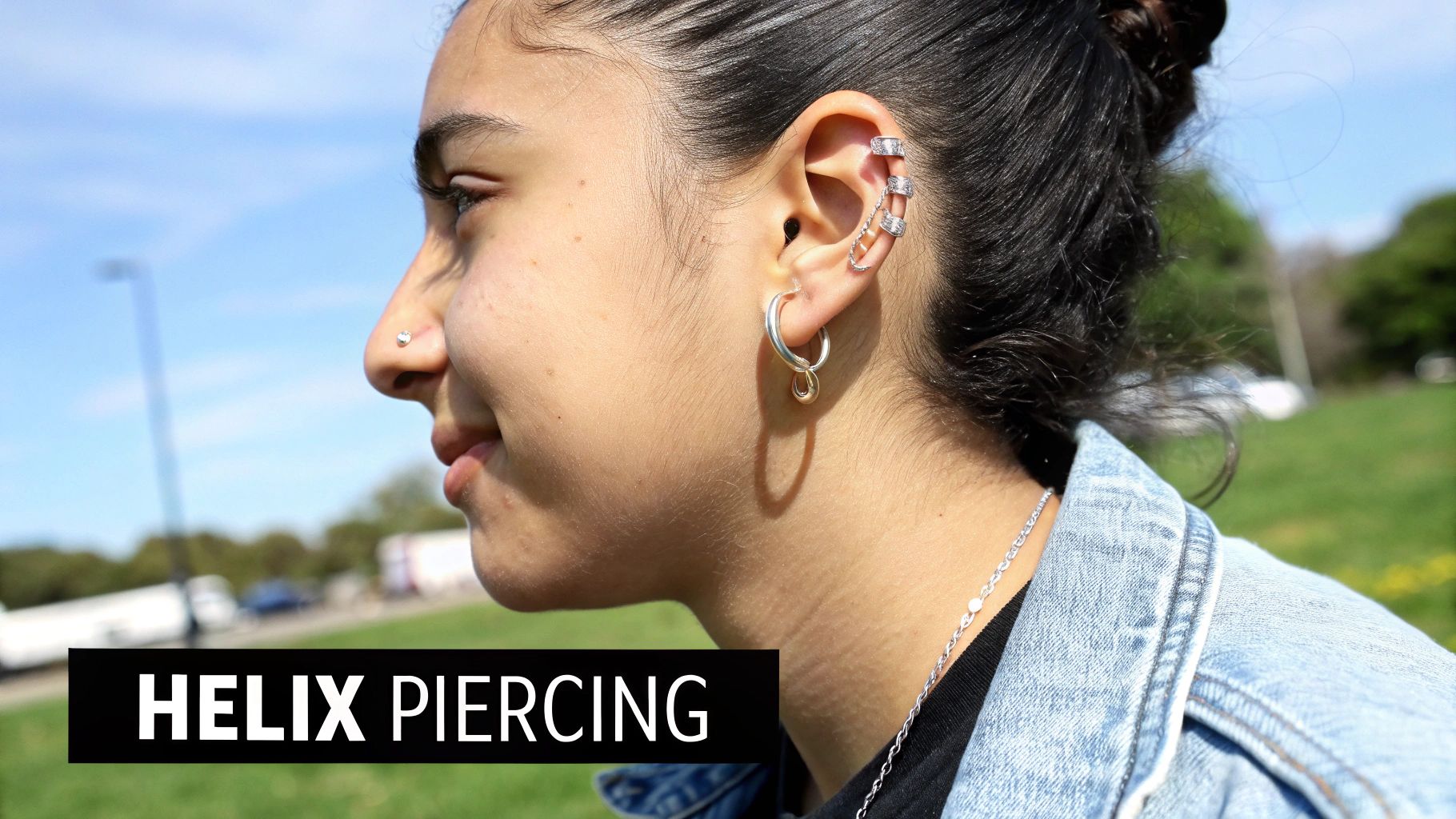
Moving on up! The helix piercing is a super stylish choice located on the upper cartilage rim of your ear. It has become a cornerstone of modern ear styling, offering a touch of sophistication and edge. As one of the most sought-after types of ear piercings, the helix gives you a fantastic opportunity to show off your personality, whether you prefer a single, subtle hoop or a series of studs climbing your ear’s curve.
Unlike the soft lobe, the helix is pierced through cartilage, which means it requires a bit more TLC and has a longer healing time. But trust us, the stunning aesthetic possibilities make it a favorite for piercing lovers and style icons alike. From delicate, minimalist jewelry to bold, eye-catching pieces, the helix is a versatile placement that looks good with almost any vibe.
Why You'll Love a Helix Piercing
The helix piercing’s popularity comes from its ability to be both understated and dramatic, depending on how you style it. This placement is perfect for adding dimension and character to your ear party.
- For a Sophisticated Look: A single, delicate gold hoop or a tiny diamond stud can create a chic and elegant look that’s perfect for every day.
- For Your Curated Ear: The helix is a key player in creating a unique ear story. You can get a double or triple helix for a cool, graduated effect, or pair it with other piercings for a more complex arrangement.
- For an Edgy Vibe: Captive bead rings, barbells, or uniquely shaped studs can give your helix a bolder, more alternative feel.
The versatility of the helix allows it to be the star of the show or a beautiful supporting character in your ear stack, making it a timeless choice for anyone looking to level up their piercing game.
Helix Piercing Aftercare & Jewelry Tips
Since helix piercings go through cartilage, proper aftercare is absolutely essential for a smooth healing process, which typically takes 6-12 months. Clean the piercing twice daily with a sterile saline solution and be patient. Avoid sleeping on the pierced ear to prevent irritation and pressure. A travel pillow can be a total lifesaver here!
Pro Tip: Choose a piercer who is highly experienced with cartilage work. They will ensure proper placement and technique, which is crucial for healing. Also, avoid twisting the jewelry—this can introduce bacteria and delay healing.
Once fully healed, it’s time to style your helix! Whether you’re looking for a classic hoop or a sparkling flat back stud, we’ve got you. Explore our gorgeous collection of helix jewelry to find the perfect piece to complete your look.
3. Tragus Piercing
The tragus piercing offers a unique and stylish focal point that has totally blown up in popularity. Located on that small, oval-shaped piece of cartilage that sits just in front of your ear canal, it’s a sophisticated choice among the many types of ear piercings. If you're looking to add a subtle yet eye-catching detail to your ear curation, the tragus is an awesome option.
Because this piercing goes through a thicker piece of cartilage, it’s known for being a bit more of a pinch during the piercing process compared to a lobe. However, its protected placement makes it less prone to accidental snags (phew!). The tragus is perfect for showing off delicate, minimalist jewelry, adding a touch of elegance that draws attention right to the center of your ear.
Why You'll Love a Tragus Piercing
The tragus piercing’s charm is all in its distinctive placement and refined aesthetic. It’s a versatile spot that complements other piercings beautifully and adds a sophisticated edge to your overall look.
- For an Elegant Accent: A tiny, sparkling diamond or gemstone stud provides a classic and polished look.
- For a Bohemian Vibe: A small, snug-fitting gold hoop creates a trendy and effortless style.
- For Everyday Wear: Minimalist flat-back studs are comfy and chic, making them ideal for long-term wear without irritation.
This piercing works well as a standalone statement or as a key player in a more elaborate ear stack. It can be styled to feel edgy, delicate, or anything in between, making it a truly adaptable choice for your personal style.
Tragus Piercing Aftercare & Jewelry Tips
Proper aftercare is crucial for cartilage, as it takes longer to heal than lobe tissue. You can expect a healing time of 6-12 months, and you'll need to clean the piercing twice daily with a sterile saline solution. Try to avoid using earbuds that press against the piercing; opt for over-ear headphones during the initial healing period. Be gentle when cleaning and avoid twisting the jewelry!
Pro Tip: Patience is key with cartilage. Choose smaller, flat-back jewelry at first to prevent it from catching on hair or clothing. This will help ensure a smoother and more comfortable healing journey.
Once your piercing is fully healed, you can start experimenting with different styles. To see a first-hand account of the experience, you can learn more about the tragus piercing process. Ready to find the perfect piece for your new look? Explore our collection of flat back studs to find your ideal match.
4. Conch Piercing
Named after the spiral shell it resembles, the conch piercing is a bold statement piece located in the large, inner cup of your ear cartilage. This placement offers a surprisingly versatile canvas, making it one of the most eye-catching types of ear piercings you can get. Whether you opt for an inner conch (closer to your ear canal) or an outer conch (on the flat part), this piercing is a definitive centerpiece for any curated ear.

Because it goes through thick cartilage, the conch piercing ranks a little higher on the pain scale than a lobe and has a longer healing period. But its prime location makes it a favorite among piercing enthusiasts like Rihanna and Bella Hadid, who know its potential for truly show-stopping jewelry.
Why You'll Love a Conch Piercing
The conch piercing is perfect for those who want a central, dramatic focus for their ear styling. Its unique placement allows for both subtle elegance and loud-and-proud expression.
- For Statement Style: A large hoop wrapping around the outer edge of the ear creates a stunning orbital effect that is both bohemian and chic.
- For Intricate Detail: The inner conch is ideal for ornate studs, like mandala-inspired designs or gemstone clusters that nestle perfectly in your ear's curve.
- For a Pop of Color: This spot is perfect for showing off vibrant opal or birthstone studs, adding a personalized and colorful accent to your look.
The conch's ability to anchor an entire ear aesthetic makes it a powerful choice. From delicate chains to cool anatomical heart-shaped jewelry, the possibilities are creative and seriously impactful.
Conch Piercing Aftercare & Jewelry Tips
Patience is everything when healing a conch piercing. For the first 6-12 months, clean the piercing twice daily with a sterile saline solution. Be mindful of headphones, hair, and your sleeping habits, as pressure and snagging can cause major irritation and delay healing.
Pro Tip: Use a travel or neck pillow to sleep! Just place your ear in the hole to avoid putting any pressure on your new piercing. This small change can make a huge difference in your healing journey.
Initially, your piercer will use a longer stud to accommodate swelling. Once fully healed, you can switch to a snug-fitting stud or a hoop. Eager to know more about this unique piercing? Learn more about the Conch Piercing at Bodycandy.com to get all the details.
5. Daith Piercing
The daith piercing is a stunning and unique choice, nestled in the crus of the helix, which is that innermost cartilage fold of your ear. This placement gives the illusion of a ring emerging directly from the ear canal, making it one of the most head-turning types of ear piercings. While known for its distinct look, the daith has also gained fame for its rumored ability to help with migraines.
Located in a thick and curved area of cartilage, the daith is considered a more advanced piercing. The healing process can be lengthy due to its protected but tight position. However, for those willing to commit, the result is a beautifully framed piercing that is both edgy and elegant, making a sophisticated statement all on its own.
Why You'll Love a Daith Piercing
The daith's appeal is all about its unique placement and striking appearance. It’s a piercing that instantly grabs attention and offers a different kind of canvas for self-expression.
- For a Standout Look: A daith piercing is less common than others, making it a perfect choice if you want your ear curation to have a unique focal point.
- For Migraine Relief: While the medical evidence is anecdotal, many people get a daith piercing hoping to find relief from chronic migraines, as it targets an acupuncture pressure point.
- For Jewelry Lovers: The daith is ideal for showcasing ornate clicker rings, seamless hoops, and captive bead rings, turning your ear into a piece of art.
This piercing is a true conversation starter, blending alternative style with a touch of refined elegance. Whether you’re drawn to its look or its potential therapeutic benefits, the daith is an unforgettable choice.
Daith Piercing Aftercare & Jewelry Tips
Patience and proper aftercare are non-negotiable for a daith piercing. Due to its location, it can take anywhere from 6 to 12 months (and sometimes longer) to fully heal. Clean the piercing twice daily with a sterile saline spray, making sure the solution gets into the entire area. Avoid sleeping on it and never touch or rotate the jewelry.
Pro Tip: Not all piercers are experienced with daith piercings due to the tricky anatomy. Research and choose a highly reputable professional who can ensure proper placement and technique. An initial curved barbell can sometimes help with healing before you switch to a ring.
Once healed, you can explore a world of beautiful jewelry. Ready to find the perfect hoop or clicker for your daith? Shop our collection of daith rings to find your signature style.
6. Rook Piercing
The rook piercing is a distinctive and stylish choice for anyone looking to add a touch of edginess to their ear curation. Located on the antihelix—that thick ridge of cartilage just above the tragus in your inner ear—this vertical piercing makes a bold statement. Among the various types of ear piercings, the rook stands out for its unique placement and sophisticated vibe.
Because it goes through a pretty substantial piece of cartilage, this piercing is known for being a bit more intense on the pain scale and requires a longer, more diligent healing period. But the striking visual effect of jewelry seemingly floating in your inner ear makes the commitment totally worthwhile. It's a piercing that beautifully showcases both minimalist barbells and ornate rings.
Why You'll Love a Rook Piercing
The rook's appeal lies in its unique anatomy-dependent placement and its ability to add vertical interest and depth to your ear styling project. It’s a cool, sophisticated piercing that draws the eye inward.
- For a Unique Statement: Its less common placement makes it an instant conversation starter and a centerpiece of any curated ear.
- For Intricate Jewelry: The rook is perfect for showcasing delicate curved barbells (often with gem ends) or small, decorative hoops and captive bead rings once it's fully healed.
- For a Balanced Look: It complements other piercings like the daith and helix by creating a visually interesting cluster in the middle of your ear.
This versatility allows the rook to be both a subtle accent with a simple titanium barbell or the star of the show with a dazzling, gem-encrusted piece.
Rook Piercing Aftercare & Jewelry Tips
Patience and proper aftercare are crucial for a healthy rook piercing. Due to its location, it can be prone to irritation. You'll need to clean the piercing twice daily with a sterile saline solution for the entire healing period of 6-12 months. Avoid headphones that press on the area and be very careful not to sleep on that side.
Pro Tip: Your anatomy is everything. A skilled piercer must first check if the ridge on your ear is prominent enough to support the piercing. Never force it if your ear isn't suited for it—this can lead to healing complications and migration.
Once your rook is fully healed, it’s time to style it! Ready to find the perfect piece to showcase this unique piercing? Explore our amazing collection of curved barbells and hoops to complete your look.
7. Industrial Piercing
The industrial piercing is a bold and distinctive choice that makes an immediate statement. This unique piercing consists of two separate holes in the upper cartilage—one in the forward helix and another on the outer helix—connected by a single, straight barbell. This creates a striking look that is among the most eye-catching of all the types of ear piercings.
Unlike single-point piercings, the industrial requires precision and a deep understanding of ear anatomy to make sure the two holes align perfectly for the jewelry. Because it passes through two sensitive cartilage areas, it’s known for being higher on the pain scale and requiring a diligent and extended healing period. But for those willing to commit to the aftercare, the payoff is a truly standout and architecturally awesome piercing.
Why You'll Love an Industrial Piercing
The industrial piercing is for those who want to move beyond standard piercings and embrace a more alternative, edgy aesthetic. It’s a commitment, but one that offers a unique form of self-expression.
- For a Statement Look: The industrial piercing is an undeniable focal point and instantly adds a punk-rock or alternative vibe to your ear curation.
- For Customization: The connecting barbell is a canvas for your creativity. You can find them in tons of designs, from simple metallic bars to intricate pieces with charms, chains, or decorative ends.
- For a Uniquely Framed Ear: The horizontal line of the barbell beautifully frames the upper curve of your ear, drawing attention and complementing its natural shape.
This piercing is less about being subtle and more about showing off a confident and daring personal style. It's a true conversation starter that shows your dedication to the art of body modification.
Industrial Piercing Aftercare & Jewelry Tips
Patience and proper care are non-negotiable for a healthy industrial piercing, which can take up to a year or even longer to fully heal. Clean both piercing sites twice daily with a sterile saline solution, making sure you gently clear any crust from both the entry and exit points. Avoid snagging the long barbell on hair, clothing, or headphones, and do not sleep on the pierced ear.
Pro Tip: Finding a highly experienced piercer who specializes in industrial piercings is crucial. They must check your ear anatomy to make sure you’re a good candidate, as not all ear shapes can support a straight, properly-aligned barbell without causing pressure and healing issues.
Once healed, you can explore an incredible range of barbell styles. Curious about what this piercing journey entails? You can learn more about one person's industrial piercing experience on bodycandy.com. Ready to find the perfect barbell for your healed industrial? Check out our collection of industrial jewelry to complete your look.
8. Anti-Helix (Snug) Piercing
Tucked into the inner ridge of your ear’s cartilage, parallel to the outer rim, the anti-helix or “snug” piercing is a distinctive and super cool choice. This unique horizontal placement creates a nested, compact look that truly stands out among the different types of ear piercings. If you’re looking for a piercing that is both bold and sophisticated, the snug might be the perfect addition to your curated ear.
But let's be real, this piercing is not for the faint of heart. It goes through a very thick and sensitive piece of cartilage, making it one of the more painful options and notoriously tricky to heal. Its placement also means it requires a very specific ear anatomy, so a consultation with an experienced piercer is essential before you commit.
Why You'll Love a Snug Piercing
The snug piercing’s appeal is in its rarity and unique aesthetic. It’s a statement piece that shows a real commitment to the art of body modification.
- For a Unique Look: The horizontal orientation is unlike most other ear piercings, drawing immediate attention to your ear's inner structure.
- For a Curated Ear: A healed snug piercing can be a stunning centerpiece, complementing nearby piercings like the rook or conch.
- For Minimalist Statements: When healed, a snug can be styled with delicate, anatomically designed curved jewelry, like a minimalist rose gold curved barbell, for a subtle yet impactful look.
This piercing is a true test of patience, but the beautiful, tucked-in result is well worth the effort for those dedicated enough to achieve it.
As the video shows, proper placement is everything, making your choice of piercer more important than ever.
Snug Piercing Aftercare & Jewelry Tips
A strict aftercare routine is non-negotiable for a snug piercing, which can take a full year or even longer to heal. Clean the area twice daily with a sterile saline solution, being careful not to bump or snag the jewelry. Avoid sleeping on that side entirely to prevent irritation and migration.
Pro Tip: Your anatomy is key. Before you even think about getting pierced, have a professional piercer check out your ear. If the cartilage ridge isn't prominent enough, they might recommend a "faux snug," which uses a combination of other piercings to mimic the look without the healing drama.
Initial jewelry will likely be a small curved barbell made from implant-grade titanium. Once fully healed, you can explore small captive bead rings or other curved jewelry. Ready to find the perfect piece for your future snug? Shop our collection of high-quality curved barbells today!
9. Forward Helix Piercing
The forward helix piercing offers a unique and stylish flair to the front of your ear. Located on the small, forward-facing rim of cartilage where the top of your ear meets your face, this placement has become a favorite for those curating a modern ear look. Among the many types of ear piercings, this one stands out for its delicate yet totally eye-catching appeal.
Because it’s a cartilage piercing, the forward helix requires a bit more care and has a longer healing time than a lobe piercing. However, its position makes it perfect for showcasing tiny, intricate studs and gems. It's often pierced in multiples, creating a trendy "triple forward helix" that cascades along your ear's curve for a truly personalized statement.
Why You'll Love a Forward Helix Piercing
The forward helix is all about subtle sophistication. It draws attention to your face and provides the perfect spot for adding a touch of sparkle.
- For Curated Ears: A single, double, or triple forward helix creates a beautiful focal point that complements other cartilage piercings like the tragus or helix.
- For Delicate Jewelry: This spot is ideal for showing off tiny studs with gems, opals, or minimalist shapes, allowing for a refined, dainty aesthetic.
- For a Modern Look: Popularized by celebs and piercing trendsetters, the forward helix is a contemporary choice that feels both edgy and elegant.
This piercing is a fantastic way to add dimension to your ear project. You can achieve a warm, feminine look with rose gold studs or a graduated set of gems for a more dynamic effect.
Forward Helix Piercing Aftercare & Jewelry Tips
Patience and proper care are crucial for healing cartilage. For the first 6-12 months, you must clean the piercing twice daily with a sterile saline spray. Be mindful of things that could irritate it, like your glasses, phone, and hair products. Avoid sleeping on the piercing until it is fully healed to prevent complications.
Pro Tip: Plan your placement carefully, especially if you want multiples. Think about how your glasses sit on your ear and chat about the anatomy with your piercer to ensure the best possible result for your unique ear shape.
Once healed, it's time to style! The best jewelry for this spot is a flat back stud, which sits flush against the back of your ear for maximum comfort. Ready to find the perfect piece for your new piercing? Explore our gorgeous collection of flat back earrings to start your collection.
Comparison of 9 Ear Piercing Types
| Piercing Type | Implementation Complexity 🔄 | Resource Requirements ⚡ | Expected Outcomes 📊 | Ideal Use Cases 💡 | Key Advantages ⭐ |
|---|---|---|---|---|---|
| Lobe Piercing | Low 🔄 | Minimal, common jewelry 📦⚡ | Quick healing (6-8 weeks), low pain | Beginners, professional settings | Fast healing, low pain, versatile jewelry |
| Helix Piercing | Medium 🔄 | Requires experienced piercer, cartilage care ⚡ | Moderate healing (3-9 months), moderate pain | Fashion-forward, curated ear designs | Elegant look, versatile placement |
| Tragus Piercing | Medium-High 🔄 | Specialized small jewelry, careful cleaning ⚡ | Healing 3-6 months, moderate-high pain | Subtle statement, professional yet unique | Less snagging, unique focal point |
| Conch Piercing | Medium-High 🔄 | Larger statement jewelry, cartilage healing ⚡ | Long healing (6-12 months), higher pain | Statement pieces, bohemian styles | Can hold large jewelry, dramatic impact |
| Daith Piercing | High 🔄 | Experienced piercer, curved jewelry ⚡ | Very long healing (4-12 months), high pain | Alternative fashion, possible migraine relief | Distinctive look, migraine relief claim |
| Rook Piercing | High 🔄 | Thick cartilage, curved barbell needed ⚡ | Long healing (6-12 months), high pain | Edgy style, alternative fashion | Dramatic appearance, less snagging |
| Industrial Piercing | Very High 🔄 | Two piercings linked by barbell, expert piercing ⚡ | Very long healing (6-18 months), very high pain | Bold statement, punk/alternative looks | Unique horizontal barbell, customizable jewelry |
| Anti-Helix (Snug) | Very High 🔄 | Precise anatomy needed, curved/captive jewelry ⚡ | Very long healing (6-18 months), very high pain | Advanced body mod, geometric ear styling | Unique placement, complements other cartilage |
| Forward Helix Piercing | Medium 🔄 | Cartilage piercing, small delicate jewelry ⚡ | Moderate healing (3-9 months), moderate pain | Visible, layered ear aesthetics | Highly visible, elegant, good for multiples |
Feeling Inspired? It's Time to Curate Your Look!
You've just explored the incredible world of ear piercings, from the timeless lobe to the intricate daith and the bold industrial. Now that you have the inside scoop on the most popular types of ear piercings, you're no longer just admiring from afar—you're ready to make your mark. We've covered all the must-know details: placement, healing times, and the best jewelry to make your new piercing shine.
The journey from a fresh piercing to a fully healed style statement is a personal one. Remember that your ear is a unique canvas, and every piercing you add—the placement of a conch, the angle of a helix, or the sparkle of a tragus stud—contributes to a look that is 100% you. The art of the "curated ear" isn't about following a rigid formula; it's about listening to your gut and choosing the placements that vibe with your personal style.
Key Takeaways for Your Piercing Journey
Before you book that appointment, let's recap the most important things to remember. Think of this as your final checklist for piercing success:
- Patience is Your Best Friend: Healing is a marathon, not a sprint. A rook piercing's 6-12 month journey is way different from a lobe's 6-8 weeks. Respect the process, and you'll be rewarded with a healthy, happy piercing ready for all the amazing jewelry you can dream of.
- Aftercare is Non-Negotiable: The success of any of the types of ear piercings we've talked about depends on solid aftercare. A sterile saline solution, avoiding harsh chemicals, and resisting the urge to twist or touch your new jewelry are the golden rules for preventing irritation and infection.
- Go to a Pro, Always: Your piercer is your partner in this process. Find an experienced, reputable professional who uses high-quality, sterilized equipment. Their expertise ensures not only your safety but also the perfect placement to complement your anatomy.
Turning Inspiration into Action
So, what's next? The most exciting part: planning! Grab a mirror and start visualizing. Are you dreaming of a delicate trio of forward helix piercings, or is a single, show-stopping conch hoop more your vibe? Maybe you're mapping out a constellation of lobe piercings to build a foundation for a more elaborate setup later on.
Pro Tip: Take a picture of your ear and use a photo editing app to draw dots where you're thinking about new piercings. This simple trick helps you visualize the final look and see how different placements will work together before you commit.
Now you have the knowledge to walk into a piercing studio with total confidence. You can have a real conversation with your piercer, discussing not just what you want, but why you want it. This ensures you get a result that you'll love for years to come, transforming your ear into a personalized work of art that reflects your unique identity. The world of ear piercings is vast and exciting, and you now have the map to explore it.
Ready to bring your dream ear curation to life? The perfect piercing deserves the perfect jewelry. Shop our full collection of ear piercing jewelry at BodyCandy to find high-quality, stylish pieces for every single piercing we've talked about today. Your ideal look is waiting for you at BodyCandy