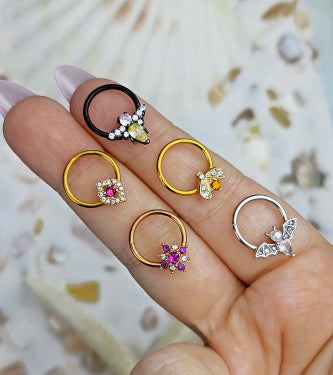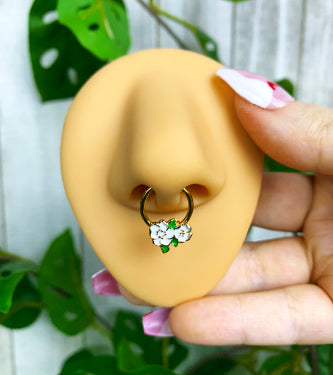


















For anyone with sensitive skin, the secret to a happy piercing is simple: stick with high-quality, body-safe materials. The best belly button rings for sensitive skin are always going to be made from implant-grade titanium, 14k gold, or bioplast. These materials are hypoallergenic and, most importantly, free from nickel—the number one troublemaker behind most piercing irritations and allergic reactions.
Why Some Belly Button Piercings Get Irritated
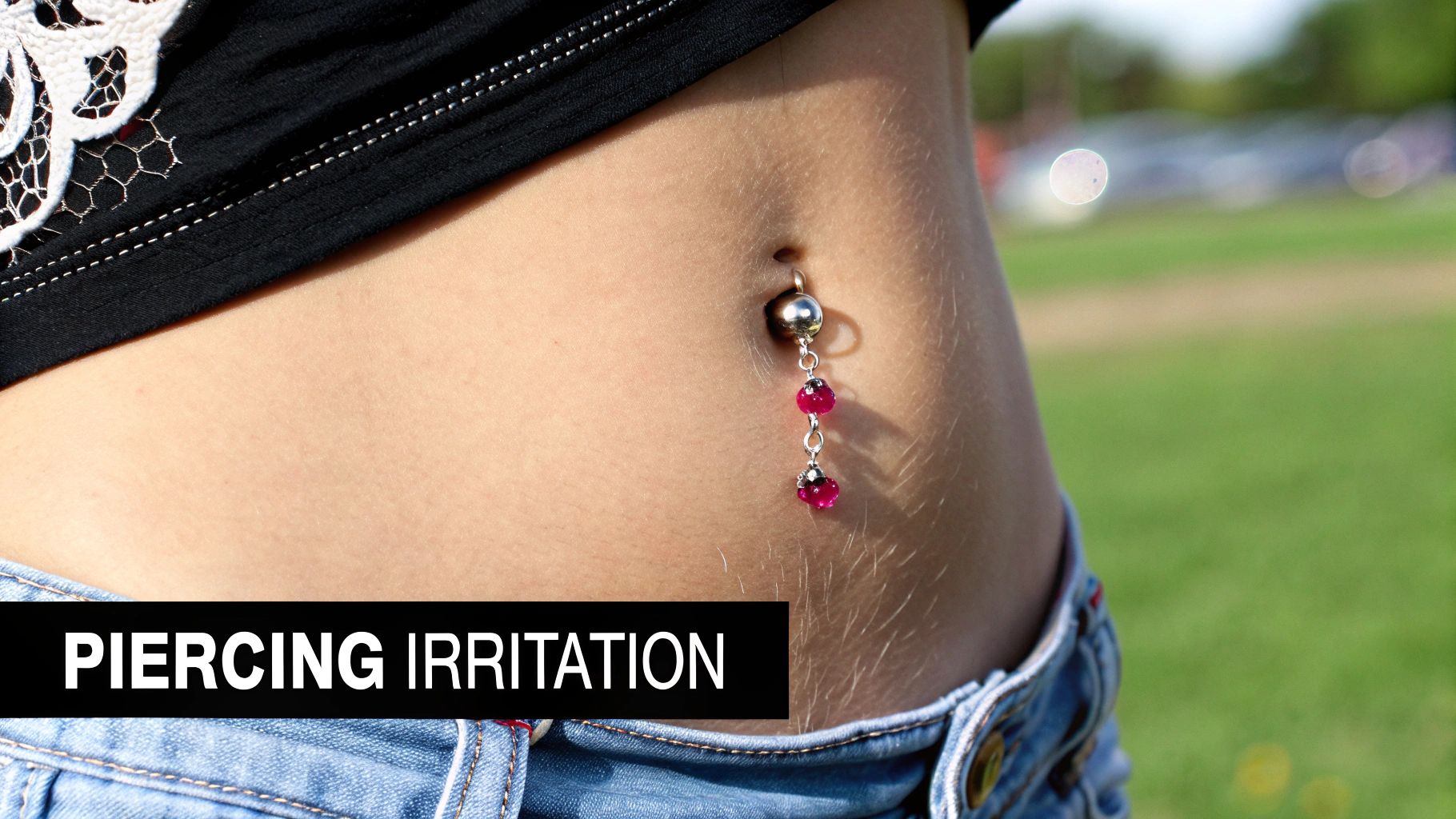
So, you finally got that super cute navel piercing, but now it’s red, itchy, and just generally unhappy. What gives? Don't worry, you’re not alone. That annoying irritation is your body’s way of sending up an SOS flare, and figuring out the real cause is the first step toward a calm, healthy piercing.
It's easy to think you did something wrong, but often, the problem is the jewelry itself. A lot of belly button rings are made from cheap, low-quality metals that are packed with allergens. When your body detects these, it triggers a reaction, turning your stylish new accessory into a source of constant discomfort.
But it’s not just about the metal. The navel area is a tricky spot. It’s almost always covered by clothing, which can trap moisture and cause friction—a perfect storm for a sensitive new piercing.
The Main Culprit: Metal Allergies
Let's get right to it and talk about the biggest troublemaker: nickel. This metal is mixed into all sorts of alloys to make jewelry cheaper and more durable, but it's also the most common reason you might have an allergic reaction to jewelry. For many of us, even a tiny amount can cause a full-blown meltdown.
A nickel allergy is a leading cause of allergic contact dermatitis, affecting an estimated 10-20% of people worldwide. It’s a huge reason why choosing the right belly button rings for sensitive skin is so critical.
This isn't just a minor inconvenience. A nickel allergy can lead to persistent itching, redness, swelling, and even bumpy, uncomfortable rashes around your piercing. Since nickel is lurking in many common jewelry materials like brass and some lower grades of stainless steel, it’s crucial to know what you’re putting in your body. Learn more about jewelry for sensitive skin and what to avoid.
Spotting the Signs of Trouble
It's really important to know the difference between normal healing and a real problem. A new piercing will naturally be a bit sore and red for the first few weeks, but here's how you can tell if something more is going on:
- Normal Healing: Expect some mild redness, a little bit of swelling, and some clear or whitish fluid (that's just lymph). This is all part of the process and should get better over time.
- Irritation: This usually happens from physical stress, like snagging your ring on clothes or sleeping on it wrong. It might flare up and look angry, but it should calm down with a little extra care.
- Allergic Reaction: This is the problem that just won't quit. The itching is intense, the skin might get flaky or develop a rash, and the symptoms won't go away no matter how well you clean it.
Learning to read what your body is telling you is key. If you can spot these signs early, you can swap out problematic jewelry before the irritation gets worse, setting yourself up for a beautifully healed piercing you can show off.
Choosing the Best Hypoallergenic Materials
So, you’ve figured out why your piercing might be throwing a fit. Now for the fun part: picking out a material that will make it happy again. This is where you get to take back control.
Choosing the right metal isn't just about what looks good; it's the single most important decision for a calm, comfortable piercing, especially if you have sensitive skin. Think of it like fabrics. Scratchy wool can be super irritating, right? But soft cotton feels amazing. Your goal is to find the "soft cotton" of the piercing world, and I’m here to walk you through the absolute best options.
The Undisputed Champion: Implant Grade Titanium
If there's a gold standard for sensitive piercings, it's Implant Grade Titanium. And I'm not talking about just any titanium. You want to look for ASTM F-136 grade, which is the exact same stuff used for surgical implants like hip replacements. That tells you everything you need to know about how safe it is for your body.
The reason it’s at the top of the list is simple: it’s completely nickel-free. With nickel allergies affecting a huge chunk of the population—somewhere between 10-20% globally—going nickel-free is the smartest move you can make. It’s also super lightweight and won’t corrode, so it's perfect for a fresh piercing or anyone who’s ever had a bad reaction to jewelry.
This chart breaks down the top material choices, with titanium sitting right at the peak for safety.
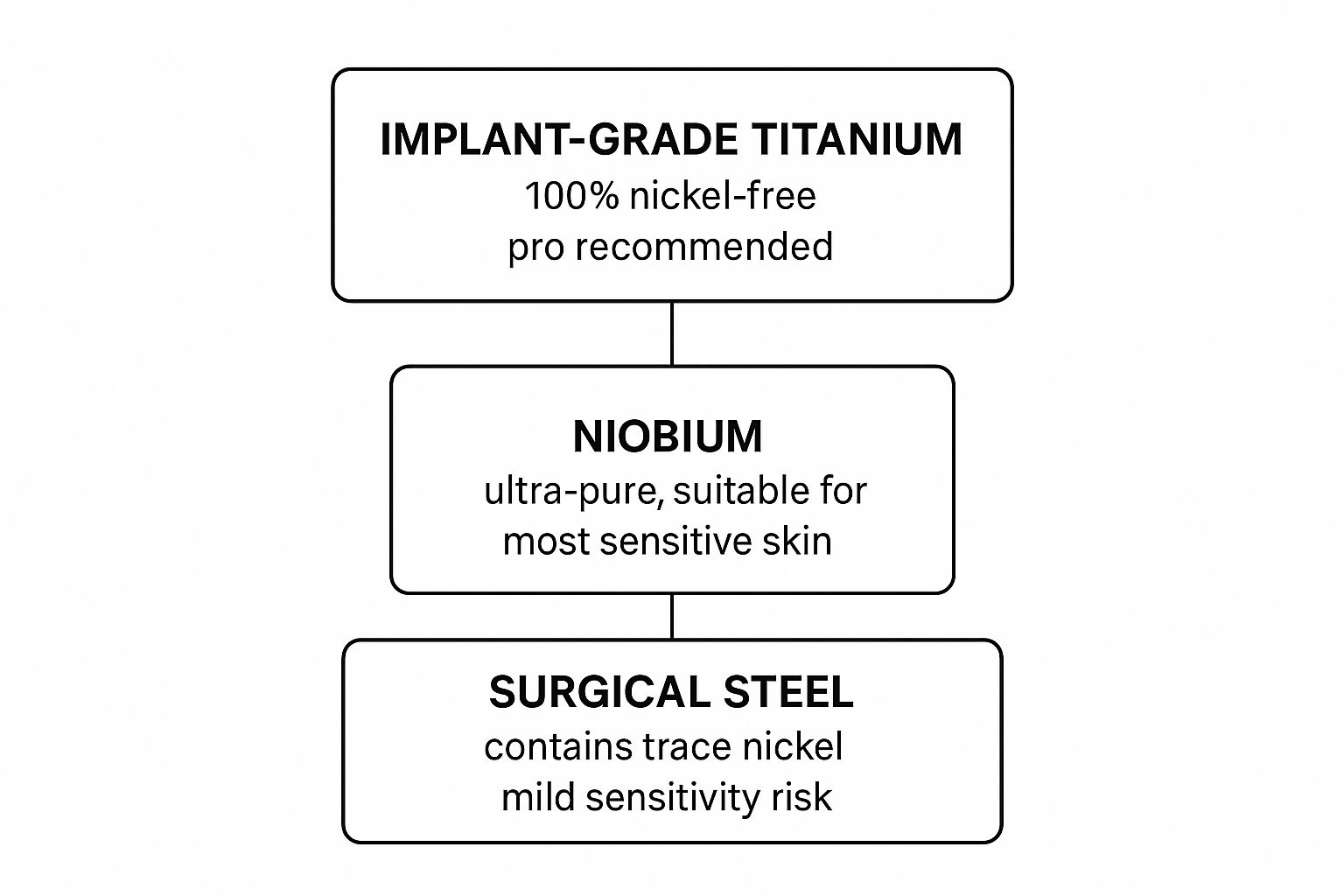
As you can see, the materials are ranked by their potential to cause irritation, making implant-grade titanium the clear winner for even the most sensitive piercings.
Niobium: Another Fantastic Hypoallergenic Choice
Meet titanium's slightly lesser-known but equally awesome cousin: Niobium. Just like titanium, it's an elemental metal, meaning it isn't an alloy and contains zero nickel or other common irritants. It's incredibly pure, making it another fantastic choice for anyone with serious metal sensitivities.
What really makes Niobium stand out is its ability to be anodized into a stunning rainbow of colors—all without any dyes or sketchy plating. The colors are created by an electrical process that changes how light reflects off the surface. So you can get vibrant, beautiful jewelry that's still 100% body-safe.
It's a bit heavier than titanium and can sometimes be a little pricier, but its hypoallergenic properties are absolutely top-notch.
What About Surgical Steel?
You’ve definitely heard of surgical steel. It's one of the most common materials in the body jewelry world, and for good reason. Specifically, you want to look for 316L or 316LVM surgical stainless steel. For a lot of people, this material works perfectly fine and hits that sweet spot between durability and affordability.
But here’s the catch for those of you with sensitive skin: surgical steel is an alloy, and it does contain a small amount of nickel. While the nickel is usually bound within the metal in a way that minimizes exposure, it’s not completely nickel-free.
Think of it as a "proceed with caution" option. If you've never had a reaction, it could be a great fit. If you have, you'll want to stick with a material that has zero nickel. You can also check out our guide on hypoallergenic jewelry for sensitive skin to learn more.
Bioplast: The Flexible and Metal-Free Alternative
What if you just want to avoid metal altogether? Say hello to Bioplast. This is a medically-approved, flexible plastic that is completely hypoallergenic and a total game-changer for a few reasons:
- Total Biocompatibility: It has no metal, so there’s zero risk of an allergic reaction.
- Flexibility: Its pliable nature moves with your body, which reduces stress on the piercing during sports or even just daily movement. This is especially helpful during healing or pregnancy.
- Lightweight Comfort: You’ll barely feel it’s there, making it incredibly comfortable for long-term wear.
Bioplast is an amazing choice for anyone with extreme metal allergies or those who just need a more flexible option. It can also be transparent, making it a perfect retainer if you ever need to hide your piercing.
Comparing Top Hypoallergenic Belly Ring Materials
Use this quick comparison to find the perfect material for your sensitive skin based on your needs, budget, and personal style.
| Material | Hypoallergenic Level | Best For | Things to Know |
|---|---|---|---|
| Implant Grade Titanium | Highest | Fresh piercings, severe nickel allergies, everyone. | The safest choice. Look for ASTM F-136 grade. Lightweight & durable. |
| Niobium | High | Severe metal allergies, those who want vibrant colors. | Pure elemental metal, no nickel. Can be anodized into many colors. |
| Surgical Steel | Moderate | People without known nickel allergies, budget-conscious buyers. | Look for 316L/316LVM. Contains trace amounts of nickel. |
| Bioplast | Highest (Metal-Free) | Extreme metal allergies, pregnancy, sports, retainers. | Medically-approved plastic. Super flexible and lightweight. |
By understanding these core materials, you're now equipped to choose the perfect belly button ring that will keep your sensitive skin happy and stylish.
How to Find Your Perfect Fit and Style
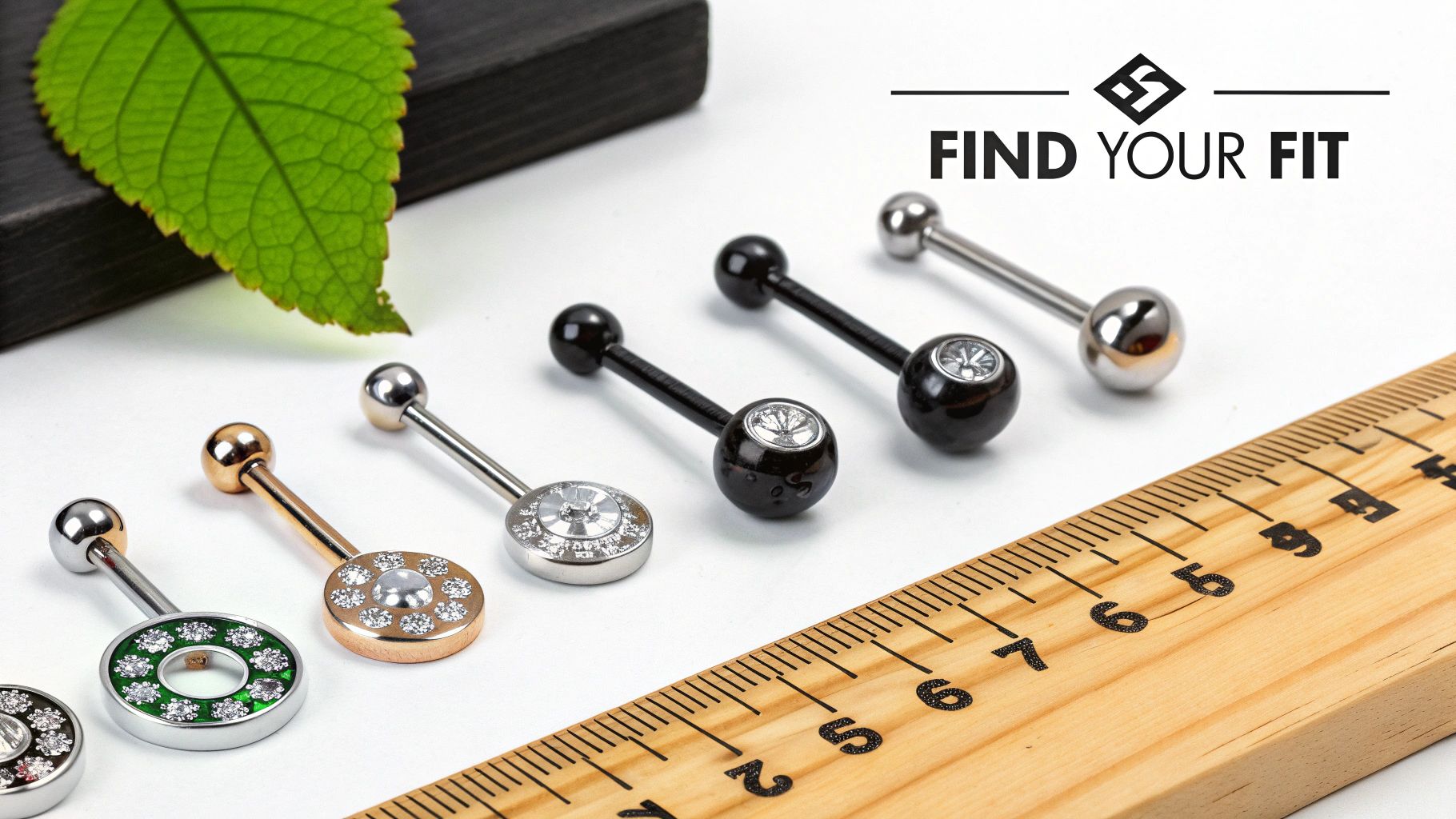
Alright, you've done your homework and know exactly what hypoallergenic metal your navel needs. High five! But picking the right material is only half the battle. If your belly ring doesn't fit correctly, even the fanciest implant-grade titanium piece can cause a world of irritation.
A poor fit can lead to pulling, pressure, and constant snagging—a perfect recipe for an angry piercing. Don’t worry, though. Finding a belly ring that feels as good as it looks is way easier than you think. We’re about to break down piercing measurements and styles so you can find a piece that's so comfortable, you'll forget you're even wearing it.
Think of it like buying a pair of shoes. You could find the coolest pair ever, but if they're too tight or too loose, you're going to be miserable. It's the exact same idea for your navel piercing. A ring that’s too short can pinch and even embed into your skin, while one that’s too long will catch on everything from your jeans to your bedsheets. Ouch.
Decoding Piercing Measurements
Getting your measurements right is the first step to piercing bliss. It sounds super technical, but it’s actually simple once you know what to look for. There are two key numbers that matter: the gauge and the length.
Gauge (Thickness)
The gauge is just a fancy word for the thickness of the barbell that goes through your piercing. For navel piercings, the industry standard is almost always 14g (or 1.6mm).
You might see thinner jewelry out there, but be careful. Using a thinner gauge can lead to something called the "cheese-cutter effect," where the jewelry can slowly and painfully slice through your skin over time. It’s best to stick with 14g to keep your piercing happy, stable, and healthy.
Length (Wearable Surface)
This is the distance between the top and bottom balls of the barbell—not including the balls themselves. The standard length for a brand-new navel piercing is usually 7/16" (11mm) to give it some breathing room for any initial swelling.
Once you’re fully healed, you might find that a shorter 3/8" (10mm) or even a snug 5/16" (8mm) barbell fits much better. The right length ensures the ring sits flush against your skin without being too tight or hanging out too far.
Your piercer is your absolute best friend when it comes to sizing. They chose the right length for your specific anatomy when they did the piercing. If you're ever unsure about your size later on, just pop into a professional studio. They can clear things up in seconds.
Choosing a Style That Works for You
Now for the really fun part—all the gorgeous styles! It’s tempting to immediately grab the most extravagant, dangly piece you see, but your choice of style is a big deal, especially while your piercing is still healing. A good rule of thumb is to keep it simple at first and save the showstoppers for when you’re fully healed.
For a deeper look into all the amazing options out there, you can check out our full crash course on navel ring styles, materials, and sizing right here on the blog.
Best Styles for Healing vs. Healed Piercings
Your piercing has different needs at different stages. Here’s a quick rundown of what styles work best and when:
For a Healing Piercing (The First 6-9 Months)
During this critical healing period, your number one goal is to minimize irritation. Simple is always better.
- Classic Curved Barbells: This is the go-to for a reason. Its gentle curve mimics the natural shape of a navel piercing, and the simple design is way less likely to get caught on your clothes.
- J-Curve Barbells: Very similar to a standard curved barbell but with a more pronounced "J" shape. This can be a fantastic option for certain navel anatomies, offering a super comfortable and secure fit.
- Simple Gem Ends: Stick with jewelry that has smooth, bezel-set gems or classic balls on the ends. Designs with prongs can easily snag on fabric and trap bacteria, which is the last thing you want while healing.
For a Fully Healed Piercing (9+ Months)
Once your piercing is happy, healthy, and completely healed, the world is your oyster! It's time to experiment and have some fun.
- Dangly Belly Rings: These add incredible movement and flair to your look. Just make sure to choose lightweight options so you don’t put too much strain on your piercing.
- Reverse or Top-Down Rings: These unique styles put the bling at the top, peeking out from inside your navel. They offer a super cute and unexpected look that's sure to turn heads.
- Navel Hoops and Clickers: If you’re going for a sleek and modern vibe, seamless hoops or clicker rings are an amazing choice. They provide a totally different silhouette than the traditional barbell.
By matching the right size and style to your piercing's needs, you can guarantee a comfortable, irritation-free experience and start building a collection of beautiful jewelry you absolutely love to wear.
Our Top Belly Button Ring Picks for Sensitive Skin
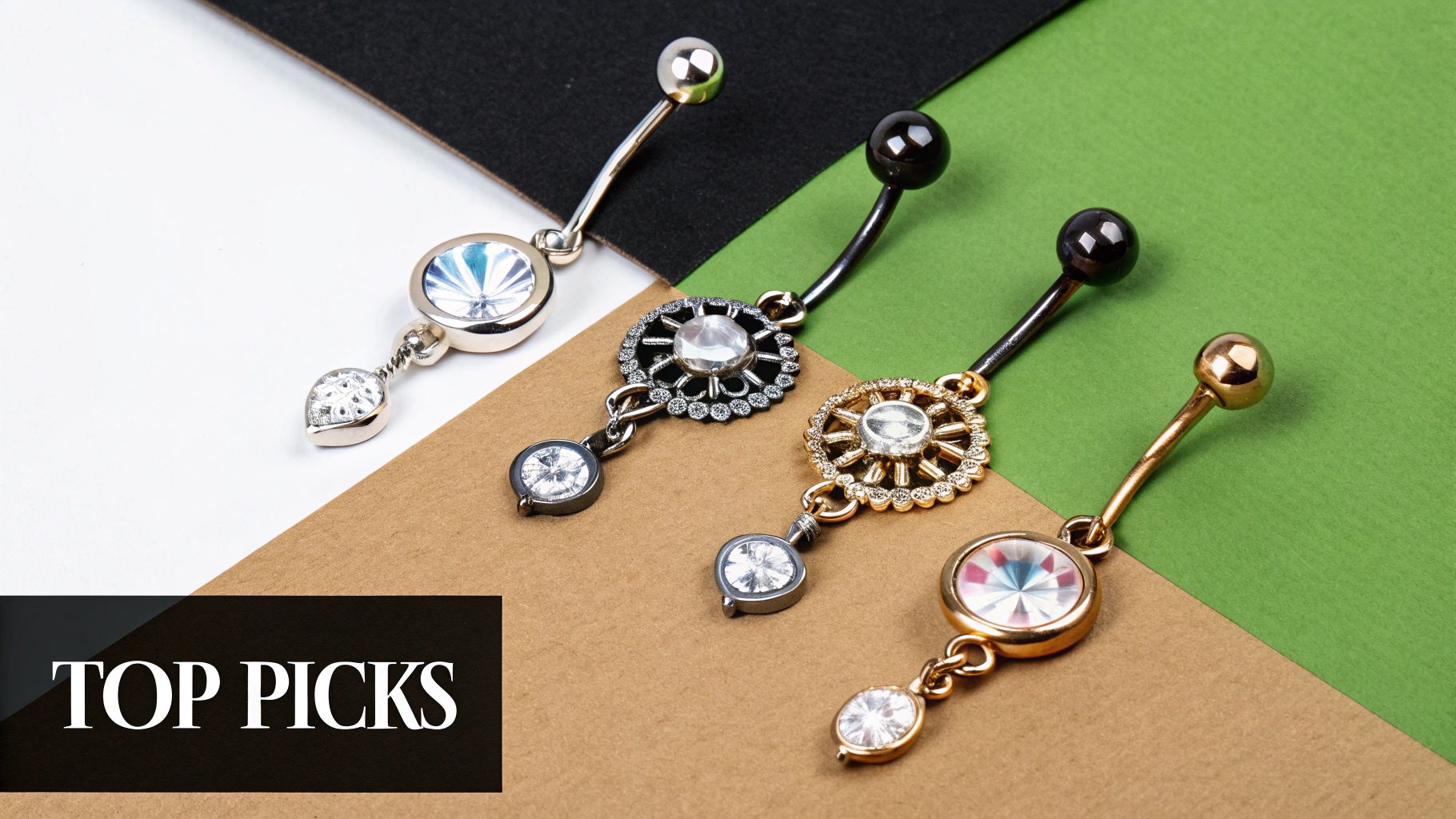
Alright, you've done your homework. You know which materials your body likes, you've measured for the perfect size, and now you're ready for the fun part—actually picking out some killer new jewelry! We know it can be a real headache finding pieces that are both safe and stylish, so we've done the scouting for you.
Think of this as your personal tour of the Bodycandy collection. We’ve handpicked a few of our favorites specifically for sensitive navels. Whether you're into timeless classics or eye-catching statement pieces, everything here is made from body-safe materials to keep your piercing happy, healthy, and looking amazing.
Ready to give that belly button piercing the glow-up it's been waiting for? Let's dive in.
Timeless Simplicity: The Solid Titanium Classic
You just can't beat a classic. Our 14G Solid Grade 23 Implant Grade Titanium Internally Threaded Belly Ring is the undisputed champion for sensitive skin. It's the very definition of "less is more," giving you a clean, polished look that goes with absolutely anything.
Crafted from Implant Grade Titanium (ASTM F-136), this is the gold standard for body jewelry—it’s 100% nickel-free and biocompatible. The internal threading is another huge plus, meaning no sharp threads will ever scrape through your piercing. It’s the perfect everyday ring, especially for a new piercing or anyone with extreme sensitivities.
A Touch of Sparkle: The Prong Set Gem
Looking to add a little sparkle to your life? The 14G 316L Steel Clear Gem Prong Set Belly Ring is your new best friend. It’s got a stunning, brilliantly cut gem that catches the light beautifully, adding just the right touch of glam.
While it’s made from 316L Surgical Steel, its simple design and high-polish finish make it a great choice for most healed piercings that aren't super reactive to nickel. The prong setting really lets the gem shine, making it a subtle but beautiful piece to elevate your daily style.
Playful and Dangly: The Titanium Dangling Heart
Who says you can't have a little fun with a sensitive piercing? Once you're fully healed, the Clear Gem Sweetheart Titanium Dangle Belly Ring is the perfect way to let your personality show. This charming piece has a delicate dangling heart that adds a bit of playful movement.
The best part? The entire barbell—the part that actually sits inside your piercing—is made from solid implant-grade titanium. That means you can rock a dangly style without stressing about irritation. It's the perfect pick when you want to make a statement but still put your piercing’s health first.
Remember, the key to rocking dangly styles with sensitive skin is patience! Always wait until your piercing is 100% healed (which can take 9-12 months) before introducing heavier or more elaborate jewelry to avoid snags and irritation.
Understated Elegance: The Opal Belly Ring
For a look that's truly one-of-a-kind, you can't go wrong with opals. Our 14G Blue Synthetic Opal 316L Steel Belly Ring has an iridescent shimmer that's absolutely mesmerizing. The deep, captivating colors shift with the light, giving you a piece that feels both mystical and modern.
This belly ring is an amazing way to bring some color and texture into your collection. The smooth, bezel-set opal sits comfortably against your skin, minimizing snags while still delivering a major style punch. It’s an effortlessly chic option for any healed piercing.
Bodycandy's Top 5 Styles for Sensitive Navels
To make things even easier, here's a quick-glance table to help you compare our top picks. Think of it as your cheat sheet for keeping that sensitive piercing happy and stylish.
| Style Name/Type | Material | Key Feature | Best For |
|---|---|---|---|
| Solid Titanium Classic | Implant Grade Titanium | 100% nickel-free, internal threading | Fresh piercings, severe allergies |
| Prong Set Gem | 316L Surgical Steel | Classic, brilliant-cut gem | Daily wear on healed piercings |
| Titanium Dangling Heart | Implant Grade Titanium | Playful dangle on a safe barbell | Making a statement with healed piercings |
| Opal Belly Ring | 316L Steel & Synthetic Opal | Unique, iridescent color | Adding a pop of color and texture |
No matter which one you choose, you're picking a piece that balances beautiful design with the body-safe materials your piercing needs. Happy styling!
A Simple Aftercare Routine for Sensitive Piercings
You’ve officially found the perfect piece of hypoallergenic jewelry! That’s a huge win, but your job isn’t quite done yet. Picking out the best belly button rings for sensitive skin is half the battle—a solid aftercare routine is how you win the war against irritation.
Think of it like this: your new jewelry is a beautiful plant, and your aftercare is the water and sunlight. Without consistent care, even the hardiest plant will eventually wilt. The same goes for your piercing. A little bit of daily attention is all it takes to keep it healthy, happy, and looking absolutely incredible.
This routine is simple, effective, and designed specifically with sensitive skin in mind. Let's get your piercing on the path to healing perfection.
The Dos and Don'ts of Cleaning
When it comes to cleaning, less is more. Your body is a healing powerhouse, and your main job is to create a clean environment and then get out of its way. Over-cleaning or using harsh products can do more harm than good, stripping away the good bacteria that help your piercing heal.
Here’s a simple breakdown of what to do—and what to avoid at all costs.
Your Cleaning Toolkit
- Sterile Saline Solution: This is your holy grail. A simple, store-bought sterile saline wound wash is the only cleaning agent you need. It’s gentle, isotonic (meaning it matches your body’s natural salinity), and won't cause irritation.
- Clean Hands: Always, always, always wash your hands thoroughly with antibacterial soap before you touch your piercing. This is non-negotiable!
- Clean Paper Towels: Use these to gently pat the area dry after cleaning. Ditch the cloth towels, which can harbor nasty bacteria and snag on your jewelry.
Your cleaning routine should be as simple as possible. Harsh chemicals like alcohol, hydrogen peroxide, and antibacterial soaps (like Dial) are your piercing's worst enemies. They are far too aggressive and will only delay healing and cause major irritation.
A Step-by-Step Cleaning Guide
For a new or irritated piercing, aim to clean it twice a day—once in the morning and once at night. Any more than that can dry out your skin and just make things worse.
- Wash Your Hands: Lather up with soap and water for at least 20 seconds.
- Saturate the Area: Generously spray the sterile saline solution directly onto the piercing, making sure to cover both the top and bottom holes. Don't be shy with it!
- Soak (Optional but Recommended): For a deeper clean, you can soak a clean piece of gauze or a paper towel in the saline and hold it against your piercing for 5-10 minutes. This little trick helps soften and remove any "crusties" (that's just dried lymph fluid) without you having to pick at them.
- Gently Rinse: Let clean, warm water run over the piercing in the shower to rinse away any remaining saline and debris.
- Pat Dry: Use a fresh, disposable paper towel to gently pat the area completely dry. Moisture is a breeding ground for bacteria, so don't skip this step!
Keeping Your Jewelry Sparkling Clean
Even after your piercing is fully healed, your hypoallergenic jewelry needs a little love to stay looking its best. Buildup from soap, lotion, and natural body oils can dull its shine and potentially lead to irritation over time.
For an in-depth look at the best aftercare products, you can explore our guide to H2Ocean piercing aftercare solutions, which are specially formulated to be gentle on piercings.
A simple maintenance routine is all you need:
- Weekly Wash: Once a week, gently wash your jewelry (while it’s still in your piercing) with a mild, fragrance-free soap and rinse it thoroughly in the shower.
- Deep Clean: Every month or so, carefully remove your jewelry and let it soak in warm water with a bit of mild soap. Use a soft-bristled toothbrush to gently scrub away any gunk before rinsing it completely and popping it back in. This keeps your gems sparkling and the metal pristine.
Common Questions About Sensitive Skin and Piercings
Still have a few questions buzzing around in your head? You're not alone. We get it—navigating the world of piercings, especially when you’re dealing with sensitive skin, can feel like you need a secret decoder ring.
This section is all about clearing up that confusion. We’re tackling the most common questions we hear every single day about belly button rings and skin sensitivities. From figuring out if you're having an allergic reaction to knowing when it's finally safe to rock that gorgeous dangly ring, we’ve got the straightforward answers you need.
Think of this as your go-to FAQ for a happy, healthy, and seriously stylish piercing.
How Can I Tell If I'm Allergic to My Belly Ring?
This is probably the number one question we get, and for good reason. It's way too easy to mistake normal healing woes for something more serious. A brand-new piercing is supposed to have some redness and soreness, but an allergic reaction feels different. The biggest clue? It just won't get better with standard aftercare.
Here are the tell-tale signs that you're dealing with an allergy and not just run-of-the-mill irritation:
- Intense, Unrelenting Itching: A healing piercing can be a little itchy, sure. But an allergic itch is often relentless and feels deep under the skin, driving you crazy.
- A Rash or Bumps: You might notice small red bumps, flaky skin, or a rash popping up right around the piercing holes.
- Weeping or Funky Discharge: Normal healing fluid (lymph) is clear or whitish. Yellow or green discharge, especially if it’s thick, points toward an allergy or, worse, an infection.
- Symptoms That Just Won't Quit: Irritation from snagging your ring might make it angry for a day or two before it calms down. An allergic reaction will stick around or even get worse, no matter how religiously you clean the area.
If you suspect you're having a reaction, the first and best move is to switch to a piece of jewelry made from implant-grade titanium. If the symptoms magically clear up, you've found your culprit. If they persist, it's time to check in with your professional piercer or a doctor.
Is Surgical Steel Truly Safe for Sensitive Skin?
Ah, the great surgical steel debate. Here's the honest-to-goodness answer: it really depends on your specific sensitivity level. High-quality 316L surgical steel is a body-safe material and a totally fine option for a huge number of people. It's tough, affordable, and used in healed piercings all the time without a single issue.
However—and this is a big "however"—it's crucial to remember that surgical steel is an alloy. That means it’s a mix of metals, and that mix includes a very small amount of nickel. For most people, this amount is so tiny their bodies never even notice it's there.
But if you have a known, severe nickel sensitivity, that tiny trace amount might be enough to set off the alarm bells.
Think of it like a lactose intolerance. Some people can handle a splash of milk in their coffee just fine, while for others, even a trace amount will cause a bad reaction. If you know you're in that super-sensitive group, your safest bet is to stick with materials that are 100% nickel-free, like implant-grade titanium, niobium, or Bioplast.
Can I Wear Dangly Belly Rings with Sensitive Skin?
Absolutely! You can totally rock those stunning, eye-catching dangly styles. The catch? Timing is everything.
A healing piercing is delicate. It’s incredibly prone to getting snagged on clothing, which can cause irritation, trauma, and a major setback in your healing journey. No one wants that.
We strongly recommend waiting until your navel piercing is 100% fully healed before you even think about experimenting with dangly or heavier jewelry. For a navel piercing, this can take anywhere from 6 to 12 months. Seriously, patience is your best friend here.
Once you're completely healed, go for it! Just be mindful of the material. Look for dangly rings where the barbell part (the piece that actually goes through your skin) is made from a high-quality, hypoallergenic material like titanium. This gives you the best of both worlds—a safe, comfortable fit with all the playful movement and style you crave.
How Often Should I Clean My Piercing and Jewelry?
Your cleaning routine is going to change depending on where you are in the healing process. Getting this right is one of the most important things you can do to prevent irritation and keep your piercing healthy for years to come.
Here’s a simple schedule to follow:
- For a Healing Piercing (The First 6-9 Months): Clean it twice a day with a sterile saline solution. Soaking it for 5-10 minutes is the best way to gently remove any "crusties." Be careful not to over-clean, as this can dry out the skin and cause more problems.
- For a Healed Piercing: Your job gets way easier! Gently washing the piercing daily in the shower with a mild, fragrance-free soap is usually all you need to keep it clean and happy.
- Jewelry Maintenance: Even after your piercing is healed, your jewelry can collect buildup from lotions, oils, and dead skin cells. We recommend carefully taking your ring out every few weeks for a deep clean. A quick soak in warm, soapy water and a gentle scrub with a soft brush will keep it sparkling and hygienic.
By following these guidelines, you can confidently care for your piercing and choose jewelry that not only looks amazing but also keeps your sensitive skin calm and happy.
Ready to find your new look? Shop the entire Bodycandy belly ring collection now! We've got a massive collection of the best belly button rings for sensitive skin, made from top-quality materials like implant-grade titanium and 316L surgical steel. Give your piercing the love it deserves