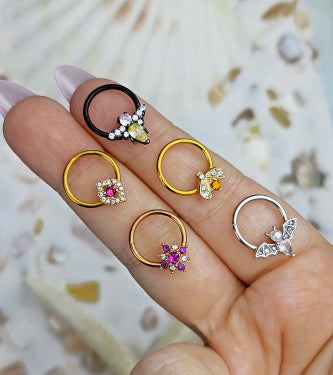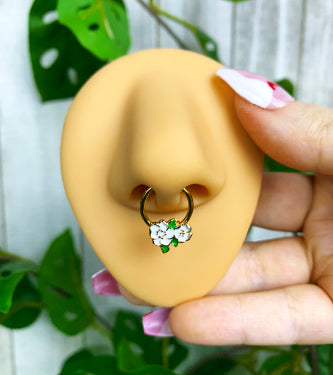

















Hey there, welcome to the world of happy piercings! If you've ever dealt with an itchy, red, or just plain angry nose piercing, you know how frustrating it is. Nine times out of ten, the real culprit is nickel—a super common metal in jewelry that causes a world of trouble for so many of us.
Think of this guide as your personal roadmap to the world of nickel free nose rings. Let's get you back to rocking your style without the worry.
Why Your Nose Piercing Hates Your Jewelry

So, you finally got that dream nose piercing, but instead of showing it off, you're hiding a red, swollen bump. Sound familiar? It’s a story we hear all the time, and your jewelry is usually the secret villain.
Your new piercing is basically a tiny, open wound. When you slide a piece of jewelry containing nickel into that fresh piercing, your body can go on high alert. For the 10-20% of people with a nickel sensitivity, this means launching a full-on immune response, which leads to that dreaded irritation.
The Sneaky Problem with Nickel
Nickel is everywhere in metal alloys because it's strong, shiny, and cheap to produce. But when it comes to the delicate tissue of your nose piercing, it's a major party foul. You might have worn cheap earrings or a belt buckle without any issue, but a fresh piercing is a completely different ballgame. It creates direct, constant contact between the metal and your inner tissues.
This is exactly why choosing the right material from day one is so critical. A nickel reaction can show up as:
- Redness and swelling around the piercing that just won't go away.
- An itchy rash or even tiny, fluid-filled blisters.
- Dry, flaky, or peeling skin that refuses to heal.
- Tenderness that lasts long after the initial piercing pain should have faded.
If you're nodding your head right now, don't panic! Simply switching to a genuinely body-safe material can make all the difference in the world. Recognizing the signs of a nickel allergy is the first step toward a happy, healthy piercing. If you're curious about what other metals can cause issues, check out our guide on allergic reactions and piercing care to learn more.
Decoding Nickel Free and Hypoallergenic Jewelry
Alright, let's talk about those words you see everywhere: "nickel-free" and "hypoallergenic." You've seen them on jewelry packages, but what do they actually mean for your nose piercing? Think of them as clues on your quest for a happy piercing, but they don't always tell the whole story. Let's break it down so you can shop like a pro.
A nickel allergy is just a super common form of contact dermatitis. In simple terms, your skin touches nickel and throws a fit, leading to redness, major itching, and sometimes even tiny blisters. For a nose piercing, this reaction is a much bigger deal because the metal isn't just sitting on your skin—it's inside it, giving any allergens a direct VIP pass.
Nickel Free vs. Hypoallergenic
This is where things can get a little confusing. "Nickel-free" and "hypoallergenic" are often thrown around like they mean the same thing, but they're not interchangeable. Getting the difference is key to keeping your piercing happy.
- Nickel-Free: This is the gold standard, the one you're really looking for. It means exactly what it says: the jewelry contains zero nickel. It's a clear-cut promise of safety.
- Hypoallergenic: This term is a bit fuzzier. It just means the jewelry is less likely to cause an allergic reaction. While a lot of hypoallergenic pieces are indeed nickel-free, some materials (like certain grades of surgical steel) can still have trace amounts of nickel. For most people, it's fine, but for super sensitive skin, that tiny amount can be enough to cause trouble.
The difference is a really big deal. If you want to dive deeper into all the good-guy materials, check out our guide on hypoallergenic jewelry for sensitive skin.
The big takeaway? Always, always go for jewelry that's explicitly labeled nickel-free, especially when you're dealing with a new or easily irritated piercing. It takes all the guesswork out of the equation and gives your piercing the best shot at healing without any drama.
The need for genuinely safe jewelry isn't just some trend; it's a real health issue. The rate of nickel allergies can jump from 3-4% to over 20% after just one piercing. This huge increase is exactly why starting with nickel-free nose rings from day one is so critical for the long-term health of your piercing.
Your Ultimate Guide to Safe Piercing Materials
Okay, let's get to the best part: picking out your new bling! When it comes to a sensitive spot like your nose, not all metals get a passing grade. This is your official cheat sheet for choosing awesome nickel free nose rings that look great and feel even better.
You'll see a few different labels when you're shopping. This quick diagram breaks down the basics.

While both "Nickel-Free" and "Hypoallergenic" are good signs, just remember that "Nickel-Free" is the most direct promise for avoiding that pesky irritation.
Implant-Grade Titanium (ASTM F-136)
Think of implant-grade titanium as the superhero of piercing materials. It’s the same stuff used for medical implants like bone screws, which means it’s designed to live peacefully inside your body. It's 100% nickel-free, super lightweight, and incredibly durable.
The real magic of titanium is its biocompatibility. Your body doesn't see it as a foreign invader, so it’s far less likely to cause a reaction. This makes it the top choice for fresh piercings and anyone with super sensitive skin.
If you want the full scoop on why we're so obsessed with this metal, you can learn more about titanium body jewelry in our detailed guide. It's the perfect material to ensure a happy, smooth healing process.
Niobium
Meet titanium’s cool, colorful cousin. Niobium is another fantastic biocompatible element that’s naturally nickel-free. It’s a bit heavier than titanium but is just as safe for even the most sensitive skin.
One of the biggest draws of niobium is that it can be anodized to create a stunning rainbow of vibrant colors—all without using any sketchy dyes or plating. This process is completely safe and creates a durable, beautiful finish that won't chip or fade.
14k+ Solid Gold
Who doesn't love the timeless look of gold? For piercings, you’ll want to stick with 14k or 18k solid gold. Anything less (like 10k) usually has more alloy metals mixed in, and that often includes nickel.
And definitely steer clear of gold-plated pieces for a healing piercing. That thin plating can wear away, exposing whatever mystery metal is hiding underneath.
A few key points about gold:
- Solid, not plated: Make sure the piece is solid gold all the way through for safe, long-term wear.
- Choose yellow or rose gold: White gold is often alloyed with nickel to get its silvery color, so it can be a risky choice if you're sensitive.
- Check the karats: 14k and 18k offer the best balance of purity and strength for body jewelry.
Comparing Safe Materials for Nickel Free Nose Rings
Here's a quick comparison of the most popular and safest materials for your nose piercing to help you make the best choice.
| Material | Hypoallergenic Rating | Best For | Bodycandy Style Notes |
|---|---|---|---|
| Implant-Grade Titanium | Excellent | New piercings, sensitive skin, everyone | The ultimate safe bet. Lightweight, durable, and comes in tons of anodized colors. |
| Niobium | Excellent | Sensitive skin, vibrant color lovers | A fantastic alternative to titanium, especially if you want unique, rich colors. |
| 14k-18k Solid Gold | Good | Healed piercings, classic look | Go for yellow or rose gold to be safe. It's a luxe option for fully healed noses. |
Ultimately, the right material depends on your skin's sensitivity and your personal style. For a new piercing or known nickel allergy, you just can't go wrong with implant-grade titanium.
What About Surgical Steel?
This is where it gets tricky. "Surgical steel" sounds impressive, but it's a bit of a catch-all term. While it's super common, accounting for 40-45% of the body jewelry market because it's cheap, most grades of stainless steel do contain some nickel.
While premium materials are gaining ground, steel is still a dominant force. For those of you with sensitivities, it’s best to stick with metals you know for sure are completely nickel-free. Why risk it?
How to Shop for Nickel Free Nose Rings Like a Pro
Okay, you're basically a materials expert now! It's time to put that knowledge to work and find the perfect piece for your nose. Shopping for nickel free nose rings is a whole lot easier when you know exactly what you’re looking for.
Let's walk through a few pro tips to make sure you bring home some new bling that your piercing will absolutely love.
New Piercings vs. Healed Piercings
The number one thing to consider is how old your piercing is. Is it brand new and still healing up, or is it totally healed and established? The answer completely changes what you should be shopping for.
If you're dealing with a new piercing, you have to be extra careful. This is when your body is most vulnerable to irritation and allergic reactions. Your best bet, every single time, is implant-grade titanium (ASTM F-136). It’s the safest, most biocompatible choice out there and gives you the best shot at a smooth, drama-free healing journey.
Once your piercing is completely healed, you get to have a lot more fun with your options! You can start exploring gorgeous materials like solid 14k gold nose rings or even vibrant niobium pieces. The key difference is that your piercing is no longer an open wound, so it's way less likely to react as long as you stick to high-quality, body-safe metals.
Here's a quick cheat sheet based on your piercing's stage:
- Healing Piercing: Stick to implant-grade titanium or niobium. No exceptions! This isn't the time to experiment.
- Healed Piercing: Feel free to branch out to solid 14k+ gold. Just be sure to listen to your body.
- Sensitive Skin (Even When Healed): If you know your skin is picky, just stick with titanium. It's always the safest bet.
Go for Solid Metals, Not Plated
This one is a huge deal. You’ll see tons of flashy, cheap jewelry out there labeled "gold-plated" or "titanium-coated." It might look great in the package, but that super-thin outer layer can wear away, chip, or scratch over time. When that happens, your skin gets exposed to whatever mystery metal is hiding underneath—and you guessed it, that base metal often contains nickel.
Think of it like this: solid metal jewelry is like a solid oak table, built to last and stay beautiful. Plated jewelry is more like a cheap particleboard table with a thin wood-look sticker on top. It doesn't take much for the real stuff underneath to show through.
Investing in a solid piece of titanium or gold means you know exactly what’s touching your skin, both today and a year from now. Here at Bodycandy, we make it easy to find jewelry that’s solid and safe. You can check out our awesome collection of titanium nose rings for a huge range of styles you can actually trust.
When you're shopping, always take a second to read the product description. Look for specific terms like "ASTM F-136 Titanium" or "Solid 14k Gold." These aren't just marketing buzzwords; they're your guarantee of quality and safety.
Keeping Your Piercing and Jewelry Happy

You did it! You found the perfect nickel-free nose ring. Now comes the easy part: keeping it, and your piercing, happy and healthy. Great aftercare isn't just for brand-new piercings; it's the secret to making your jewelry last and keeping surprise irritation from crashing the party.
Think of a simple, consistent cleaning routine as your piercing's best friend. The absolute best way to clean your piercing is with a sterile saline solution. It's gentle, effective, and it’s basically what your body is made of, so it won’t cause any drama.
And please, stay far away from the harsh stuff like rubbing alcohol or hydrogen peroxide. They can dry out your skin, slow down healing, and even wreck the gorgeous finish on your jewelry.
Caring for Different Materials
Just like you wouldn't throw a silk shirt in the wash with your jeans, different metals need their own kind of TLC.
Here’s a quick guide to caring for your favorite pieces:
- Implant-Grade Titanium & Niobium: These are the low-maintenance rockstars. A quick wipe-down with a soft cloth after your saline rinse is pretty much all they need to stay shiny.
- 14k+ Solid Gold: Gold is a softer metal, so it can get dulled by lotions and skin oils. To bring back its sparkle, gently wash it with a mild, fragrance-free soap and warm water. Just be sure to rinse it completely and pat it dry afterward.
Remember: Cleanliness is everything. Always wash your hands thoroughly with soap and water before you touch your piercing or jewelry. This simple step is your first line of defense against introducing bacteria.
When you're not wearing your jewelry, give it a safe place to rest. A small jewelry box or a soft pouch is perfect for protecting it from scratches and dust. By giving your beautiful nickel-free nose rings from Bodycandy just a little bit of love, you’ll keep them looking brand new for years.
Why Quality Jewelry Is an Investment in Yourself
Think of your nose ring as more than just a piece of jewelry. Choosing a high-quality, nickel-free piece isn't just a purchase—it's a smart investment in your health and happiness. It can be tempting to go for that cheap, flashy nose ring, but what's the real cost? A low-quality piece often leads to painful, itchy allergic reactions and a sad, irritated piercing.
When you choose materials like implant-grade titanium or solid 14k gold, you’re not just buying a pretty accessory. You’re buying peace of mind. You're getting a piece that won't betray you by triggering a nasty rash or slowing down your healing time.
You’re Part of a Smart Community
Guess what? You're not alone in putting your piercing's health first. More and more people are learning about metal allergies, and the demand for safe, quality body jewelry is skyrocketing. It's all part of a bigger movement toward making more health-conscious choices.
The proof is in the numbers. The global body jewelry market was valued at a whopping USD 13.5 billion in 2023 and is projected to hit USD 20.9 billion by 2032. What's driving that growth? Savvy customers just like you who are demanding safer, hypoallergenic materials. You can learn more about the expanding body jewelry market at dataintelo.com.
By choosing certified nickel-free jewelry, you're investing in your piercing's long-term health. It’s a commitment to treating your body with the respect it deserves, ensuring your self-expression never comes at the cost of your comfort.
Your piercing is a part of your story and a reflection of your unique style. It deserves the best, and so do you. Spending a little more upfront for a high-quality, skin-safe nose ring is one of the smartest decisions you can make. It pays off every single day with a happy, healthy piercing you’ll be proud to show off.
Answering Your Top Nickel-Free Questions
We get it—when you're dealing with metal allergies, a ton of questions can pop up. You just want to pick the right piece for your piercing, and we're here to help you sort through it all. Let's tackle some of the most common questions we hear about nickel free nose rings.
Can I Suddenly Develop a Nickel Allergy?
You absolutely can, and it happens way more often than you'd think. A nickel allergy isn't always something you're born with; it can show up at any point in your life, even if you’ve worn cheap jewelry for years without a single issue. It usually develops after repeated contact with nickel-heavy items.
This is a huge reason why we always recommend certified nickel-free materials, especially for a brand-new piercing. Your body is extra sensitive while it's healing, which creates the perfect storm for an allergy to surface if you're not careful.
Is Surgical Steel Always Safe for Sensitive Skin?
Not always, and this is probably one of the biggest points of confusion out there. "Surgical steel" is a catch-all term for a bunch of different metal alloys, and the vast majority of them contain at least some nickel.
While some people can wear it just fine, it's a definite gamble for anyone with sensitive skin. If you want true peace of mind, your best bet is to go for materials that are 100% nickel-free right from the start.
If you want to be completely safe, stick with implant-grade titanium, niobium, or solid 14k+ gold. These materials take all the guesswork out of the equation, so you can focus on loving your look instead of worrying about a reaction.
How Do I Know if My Nose Ring Is Causing Irritation?
It can be tough to tell what's normal healing and what's an allergic reaction, but there are a few tell-tale signs to watch for. If your piercing is well past the initial healing stage but you're still having problems, your jewelry might be the culprit.
Keep an eye out for these symptoms:
- Persistent Redness and Itching: A little redness is normal at first, but if it just won't go away and comes with a constant, nagging itch, that’s a major red flag.
- Rash or Bumps: Little, rash-like bumps or even tiny blisters popping up around the piercing site are classic signs of contact dermatitis.
- Swelling or Discharge: If the area stays puffy or you're seeing a clear or yellowish fluid long after it should have healed, your body is probably fighting back against the metal.
If any of that sounds familiar, the best first move is to swap your jewelry for a known hypoallergenic material, like an implant-grade titanium nose ring, and see if your symptoms start to clear up.
Ready to find the perfect piece that your skin will actually love? At Bodycandy, we have a huge collection of stylish and safe nickel-free nose rings just waiting for you.