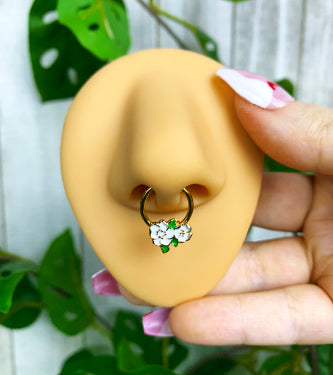


















Body piercings are a form of self-expression, and belly piercings, in particular, are a popular way to add a little sparkle to your midsection. However, as beautiful as belly piercings can be, they sometimes don’t heal as expected. One common issue people face is piercing rejection. This happens when the body pushes the jewelry out of the piercing hole, and it’s important to identify this early to prevent further complications. If you’re concerned that your belly piercing is rejecting, read on to learn how to spot the signs and what steps you can take.
How to Know If a Belly Piercing is Rejecting
A rejecting belly piercing doesn’t always show obvious signs at first, which is why it’s crucial to pay attention to subtle changes in your piercing and surrounding skin. Rejection occurs when the body’s immune system recognizes the jewelry as a foreign object and starts to push it out. While it's normal for a belly piercing to be a bit sore or swollen right after getting it done, rejection symptoms typically appear after the piercing is healed.
Here are a few key signs that your belly piercing may be rejecting:
- Migration of the Jewelry: One of the first signs of rejection is the jewelry shifting or moving out of place. This happens because the body is trying to push the jewelry out, causing it to sit unevenly or appear off-center.
- Increased Redness or Irritation: While some redness around a belly piercing is expected, persistent redness, irritation, or bumps are concerning. If you notice your skin looking inflamed, this could be a sign that the piercing is being rejected.
- Piercing Hole Enlarging: If the hole around the piercing begins to stretch or widen, it could indicate the jewelry is being pushed out. This is a classic sign of rejection, and the hole may seem unusually large for a healed piercing.
- Excessive Scarring: Scarring and tissue damage are also common in rejected piercings. The body can overreact to the piercing and form more scarring as it tries to expel the jewelry.
How Long Does it Take for a Belly Piercing to Show Signs of Rejection?
The timeline for rejection can vary, but in most cases, you’ll start to notice signs within 6 months to a year after getting the piercing. However, it’s important to note that rejection doesn’t always follow a predictable pattern. Some people experience rejection early on, while others may have a belly piercing that’s fine for years before it suddenly starts to show signs of rejection.
If you notice any of the symptoms mentioned above after a few weeks or months, it’s important to consult with a professional piercer as soon as possible.
Can You Stop a Rejecting Belly Piercing?
Unfortunately, once a belly piercing starts to reject, there’s little you can do to stop it from being pushed out of the skin. The process of rejection is largely due to your body’s immune response, and once it begins, it’s very difficult to reverse. While some people may try switching to different jewelry materials or using a smaller gauge, these methods rarely prevent rejection.
The best course of action when you notice rejection is to remove the jewelry as soon as possible to prevent further damage to the skin. If the piercing is rejected fully, you may notice a small scar or permanent marking where the jewelry was. After removing the jewelry, it's essential to follow aftercare instructions to ensure proper healing.
Can I Get My Belly Pierced Again After Rejection?
If your belly piercing has been rejected, you might be wondering if it’s possible to get pierced again in the same area. The short answer is: yes, but with some important considerations. While it’s technically possible to re-pierce the same area, you should proceed with caution.
After rejection, the tissue around the piercing may be weakened or scarred, making it more prone to rejection again. It’s advisable to wait until the skin has fully healed and any scar tissue has settled before considering another piercing. You may also want to consult with your piercer or a professional about the best way to approach a re-piercing. Sometimes, opting for a slightly different placement or a different jewelry type can help ensure better success.
Preventing Rejection
While rejection can be disappointing, it’s essential to remember that not all piercings go through this process. Proper aftercare and attention to your piercing’s healing journey can reduce the chances of rejection. Always follow your piercer’s aftercare instructions, avoid irritating the piercing, and ensure you use high-quality jewelry.
If you’re considering a belly piercing, or if you’re currently experiencing rejection, don’t hesitate to reach out to your piercer for advice. Early intervention is key to ensuring that your piercing heals successfully and doesn’t lead to further complications.
Have you had any issues with your belly piercing or are you considering getting one? Feel free to share your thoughts or concerns with us in the comments section below!