
















Eyebrow piercings usually heal in 2 to 4 months, with the first 6 to 8 weeks being the main “calm down and stop being angry” phase. But the piercing itself can last from a few months to several years, because eyebrow piercings are surface piercings and usually aren't permanent.
That's the part a lot of people miss when they ask how long do eyebrow piercings last. You're really asking about two different clocks.
One clock is the healing clock. That's how long your body needs to build a stable channel around the jewelry.
The other is the rejection clock. That's the long game where your body might slowly decide, “I'd rather push this out.”
If you're staring at eyebrow inspo right now and trying to figure out whether this is a fun style move or a whole lifestyle commitment, the honest answer is both. An eyebrow piercing can look amazing, heal pretty smoothly, and still be a little high-maintenance compared with piercings that sit deeper in stronger tissue.
The good news is you're not powerless here. Jewelry choice, placement, daily habits, and how much you mess with it all affect how long it sticks around and how happy it stays.
So You Want an Eyebrow Piercing
An eyebrow piercing has big main-character energy. It's edgy without being too loud, and it can make a simple look feel way more intentional. But before you commit, you need the full scoop, not the fantasy version where you get pierced on Saturday and forget about it by Monday.
Individuals often hear “how long does it last” and assume that means one thing. It doesn't. For eyebrow piercings, you need to separate healing from lifespan.
Two clocks are running
The healing clock is the short-term process. Your piercing can look much better on the outside before the inside is settled.
The lifespan clock is about how long the piercing stays viable in your body. Since the eyebrow is a surface piercing, your body may slowly move the jewelry closer to the skin over time.
That's why an eyebrow piercing can be both “healed” and still not be a forever piercing.
Keep this in your head: a healed eyebrow piercing isn't automatically a permanent eyebrow piercing.
If you're still deciding whether you want one, it helps to know what the piercing process itself feels like before you obsess over the timeline. This guide on what it feels like to get your eyebrow pierced can help you figure out whether you're into the experience, not just the look.
Why people get confused
Eyebrow piercings often fool people because they can seem easy at first. The swelling drops, the soreness chills out, and suddenly you're thinking, “Sweet, I'm healed.”
Not so fast.
Your skin can look fine while the inner tissue is still delicate. That's where people get into trouble by changing jewelry too early, sleeping on it, or treating it like it's invincible. If you want this piercing to last as long as possible, you have to respect both clocks from day one.
Your Eyebrow Piercing Healing Timeline
Healing an eyebrow piercing is a little like finishing a room renovation. The paint may be dry, the floor may look done, and everything seems good from the doorway. But behind the walls, stuff is still settling.
According to Shallows Studio's eyebrow piercing healing guide, eyebrow piercings usually have an initial healing phase of 6 to 8 weeks, full healing often happens in 2 to 4 months, and complete internal stabilization can take 6 to 12 months before you can safely leave jewelry out for extended periods.

Weeks 1 to 2
This is the fresh-piercing phase. Expect some swelling, tenderness, and that “please don't touch my face” feeling.
You may also notice crusties. That can be gross-looking, but it's usually just dried discharge from the healing wound. It doesn't automatically mean something is wrong.
A few things matter a lot right here:
- Hands off: twisting, turning, and checking it every hour just irritates it
- Watch for snags: towels, shirts, pillowcases, and hairbrushes are common troublemakers
- Skip makeup nearby: powders and creams can irritate a fresh piercing fast
Fresh eyebrow piercings hate friction more than almost anything else.
Weeks 3 to 8
People often become overconfident.
The swelling starts easing. The piercing looks calmer. It may itch a bit, and tenderness usually drops. But this is the sneaky stage where the outside looks ahead of the inside.
The tissue channel is still fragile, so rough cleaning, sleeping directly on it, or swapping jewelry because you're bored can set you back. If your piercing seems “fine” but flares up after a bump, that's normal for this stage. It's not weak. It's just not finished.
Months 2 to 4 and beyond
For many people, this is when the piercing reaches full healing. That doesn't mean you can treat it like an old earlobe piercing, though. Internal stabilization can still take much longer.
Consider this perspective:
| Stage | What it feels like | What you should do |
|---|---|---|
| Early healing | tender, swollen, reactive | protect it and keep your routine simple |
| Surface looks healed | calmer, less sore, maybe itchy | don't get cocky, it's still fragile inside |
| Fully healed | mostly stable day to day | wear quality jewelry and keep avoiding trauma |
If your eyebrow piercing is behaving, that's great. Just remember that “it feels okay” and “it's ready for anything” are not the same thing.
The Reality of Rejection and Migration
Here's the blunt truth. Eyebrow piercings are cool, but they're not known for permanence.
Because they sit through a shallow ridge of tissue, they count as surface piercings. Surface piercings have a habit of shifting over time. Sometimes that shift is slow and manageable. Sometimes it ends with the piercing retiring itself.
According to Infinite Body's eyebrow piercing FAQ, eyebrow piercings often last from a few months to several years, 60 to 75% may require re-piercing within 2 to 3 years due to migration, and 1 to 5 years is considered a good run for many surface piercings.

Migration versus rejection
People mix these up all the time.
Migration means the piercing slowly changes position. You may notice more of the bar showing, or the angle starts looking different.
Rejection is the more dramatic end of that process. Your body keeps pushing the jewelry toward the surface until there isn't enough tissue left to hold it safely.
It is similar to a splinter your body never fully accepted. It may tolerate it for a while, but it also may keep nudging it outward.
What that looks like in real life
The changes can be subtle at first:
- More bar visible: you swear there didn't used to be that much jewelry showing
- Thinner skin: the tissue between entry and exit points starts looking delicate
- Shifted angle: the jewelry no longer sits where it originally did
- Shiny or stressed-looking skin: a common warning sign that the tissue is under pressure
If you want a deeper breakdown of those signs, this post on what piercing migration looks like is worth reading.
If the skin gets thinner and thinner, don't try to “save” the piercing by ignoring it. That's how people end up with worse scarring.
The reality check
None of this means eyebrow piercings are a bad idea. It means they're a long-term temporary kind of piercing for a lot of people. Some people keep them for years. Some don't. Anatomy, placement, and luck all get a vote.
If you go in expecting forever, you'll probably feel disappointed. If you go in expecting “awesome while it lasts, and maybe a good long while if I take care of it,” you're thinking about it the right way.
Factors That Decide Your Piercings Fate
Some eyebrow piercings stay chill for a long time. Others act dramatic early. A lot of that comes down to a handful of variables you can influence.
Jewelry matters first
Material and flexibility can change how hard your body fights the jewelry. According to All About Vision's eyebrow piercing article, emerging flexible materials like Bio-Plast and PTFE saw a 35% rise in sales in major markets as of 2026, and early data suggests they can cut rejection rates by up to 50% compared with traditional rigid metals.
That doesn't mean flexible jewelry is automatically right for every piercing and every stage. It does mean the old idea that only rigid metal belongs in facial piercings is getting challenged.
If your skin tends to get irritated by pressure and movement, ask your piercer whether a flexible option makes sense for your anatomy and healing status.
Placement decides a lot
A well-placed eyebrow piercing sits in tissue that can support it. If it's too shallow, it has less room for error. If it's awkwardly angled, the jewelry can put weird pressure on the channel every time your face moves.
You can't out-clean bad placement.
That's why the piercer matters as much as the jewelry. A strong placement won't guarantee permanence, but a weak one can speed up problems fast.
Your routine can help or hurt
A lot of piercing drama comes from everyday habits, not dramatic accidents.
Here are the biggest ones I see:
- Sleeping on it: steady pressure night after night can keep the area irritated
- Playing with the jewelry: tiny movements add up
- Aggressive face washing: scrubbing around the piercing can inflame it
- Hair and makeup contact: brow products, cleansers, and styling products can annoy a healing site
Practical rule: if an eyebrow piercing keeps getting “mysteriously angry,” look at your habits before blaming your body.
The fit of the jewelry matters too
Jewelry that's too tight can create pressure. Jewelry that's too long can catch on things and move around more than it should.
That's why downsizing with a piercer after the swelling stage can make a huge difference. A more appropriate fit often means less snagging, less movement, and less irritation.
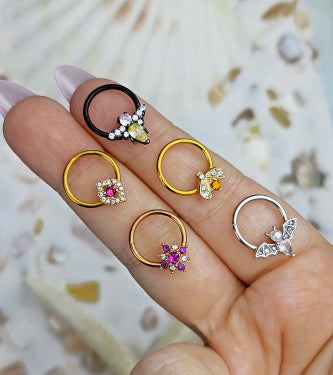
If you're shopping for styles after healing, BodyCandy's eyebrow jewelry guide gives a good overview of common options and how they're worn.
Red Flags Recognizing Piercing Problems
Not every irritated eyebrow piercing is doomed. Sometimes it's just annoyed. Sometimes it's infected. Sometimes it's migrating and wants out.
The trick is knowing which kind of problem you're looking at.

Green light
These are the things that can still fall under normal healing or mild irritation:
- Light crusting: dried discharge can happen during healing
- Mild tenderness: especially after bumping it
- Short-term redness: if you snagged it or slept on it weird
- Itchiness: common as tissue repairs itself
If the piercing settles back down when you leave it alone and stick to gentle care, that's usually a good sign.
Yellow light
This is the “watch it closely” category.
| Sign | What it may mean | What to do |
|---|---|---|
| repeated flare-ups | irritation from friction or products | simplify your routine and reduce contact |
| jewelry feels loose in a new way | possible migration starting | compare with older photos and see your piercer |
| the angle looks off | pressure or tissue change | get it checked before it worsens |
This stage is where a lot of eyebrow piercings can still be managed if you catch the issue early.
Red light
These signs need quicker action:
- Skin between the holes is getting thin: classic rejection warning
- More and more of the bar is visible: migration is likely progressing
- Hot, very swollen, or painful tissue: could be a bigger irritation issue or infection
- Yellow or green pus, spreading redness, or feeling sick: contact a medical professional
Don't remove jewelry from a problem piercing on impulse if you suspect infection. Get advice from a piercer or medical professional based on what's actually happening.
A simple gut check
Take a clear photo in good lighting. Then compare it to an older one.
If the jewelry sits differently, the skin looks thinner, or the area seems shinier and more stretched, trust your eyes. Eyebrow piercing problems often show up visually before they feel dramatic.
Your Guide to a Long and Happy Piercing Life
If you want your eyebrow piercing to stick around, the strategy is simple. Lower irritation, lower pressure, and wear jewelry your body is more likely to tolerate.
That won't make you rejection-proof. But it gives you a much better shot at getting a solid run out of it.

Keep aftercare boring
Boring is good. Boring heals.
A happy eyebrow piercing usually comes from consistency, not from throwing ten products at it. Use a gentle saline approach if that's what your piercer recommends, avoid harsh cleansers near the site, and stop touching it unless you need to clean it.
A few low-drama habits help a lot:
- Clean gently: don't scrub, pick, or twist off crusties
- Protect it while dressing: shirts and towels love to snag eyebrow jewelry
- Keep skincare off it: especially active products around the brow area
- Be careful with hats and hair: anything that drags across it can keep it irritated
A calm piercing usually looks kind of boring. That's exactly what you want.
Choose your long-term jewelry carefully
Once your piercer says you're ready for a jewelry change, don't make the switch based only on what looks cute on your feed. Prioritize fit, material, and shape.
A well-fitted curved barbell in a material your body likes is usually a safer bet than something heavy, cheap, or awkwardly shaped. If you've had repeated irritation, that's the time to talk with your piercer about whether a different material or a more flexible style might work better for you.
If you want to see styling ideas and common jewelry formats, this video is a useful visual starting point.
Protect it from your own daily life
Most eyebrow piercings don't get taken out by one huge disaster. They get worn down by tiny repeated annoyances.
Try this cheat sheet:
- Sleep smarter: if you always crash on that side, use a setup that keeps pressure off the brow
- Move carefully when washing your face: especially around towels and cleansing tools
- Pause brow makeup during healing: powders, pencils, and gels can all create buildup
- Watch sports and rough contact: one hit can set healing back fast
The whole game is reducing trauma. Every time you prevent a snag, avoid pressure, or skip messing with it, you're helping both clocks. You're supporting healing now and giving the piercing a better chance to last longer later.
Ready for Your New Look?
Eyebrow piercings last on two timelines. Healing usually takes 2 to 4 months, but the actual piercing may last a few months to several years depending on how your body handles a surface piercing. That is the complete answer.
If you go in with smart expectations, solid aftercare, and jewelry that fits your anatomy, you've got a much better shot at keeping your eyebrow piercing looking sharp for the long haul.
Ready to build your look with smart choices from the start? Browse BodyCandy for eyebrow jewelry in a range of styles and materials, then pick pieces that match both your vibe and your piercing's needs.