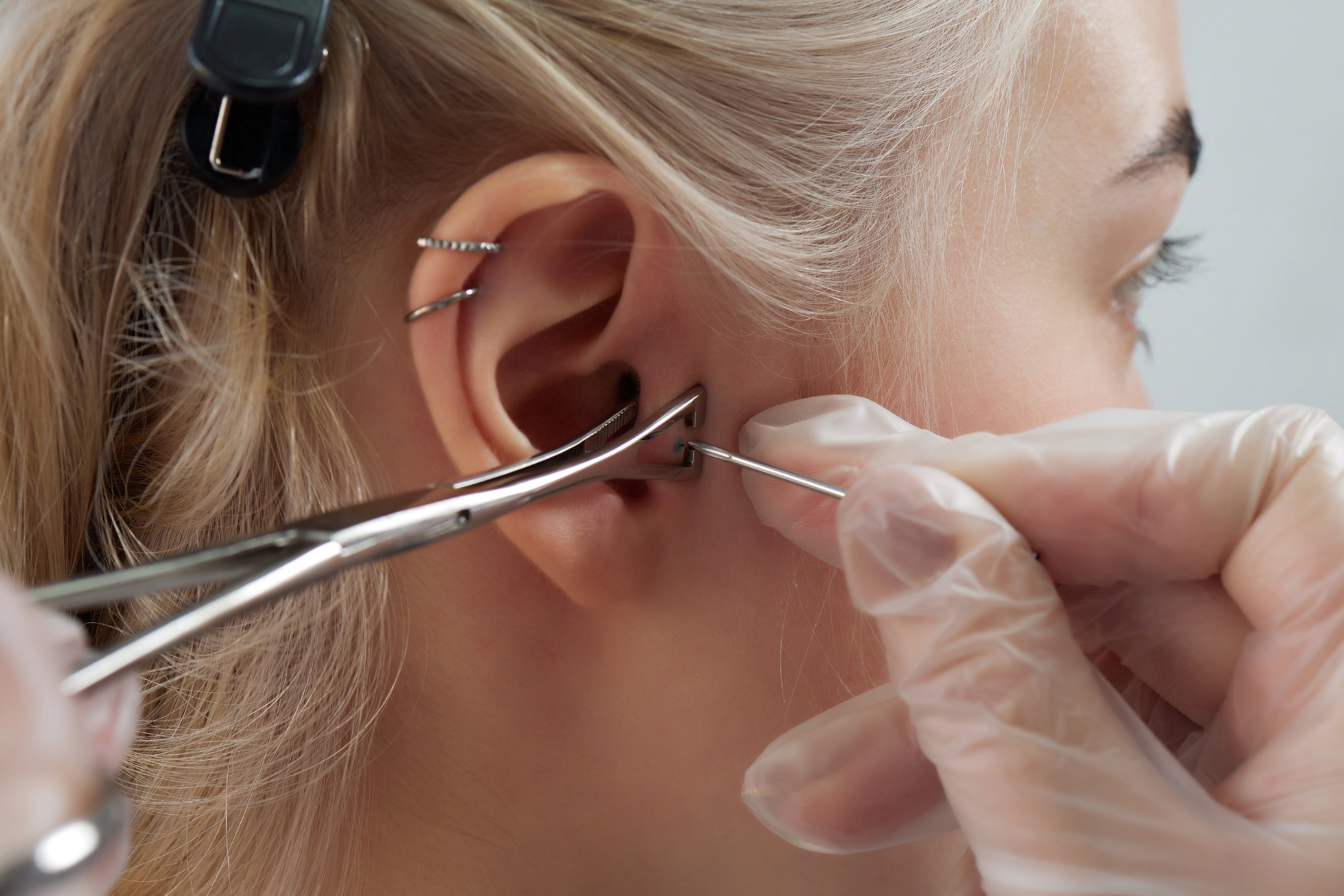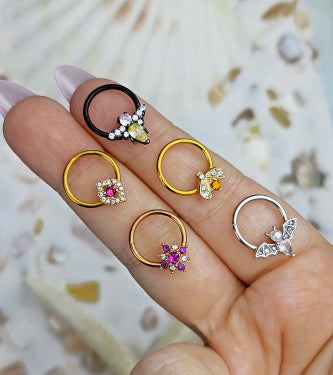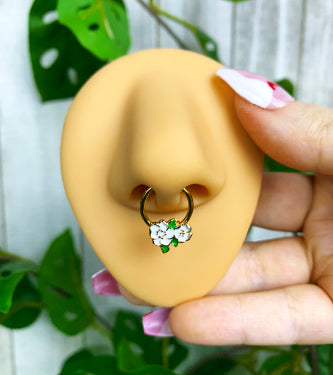


















So you did it—you got that awesome new nose piercing you’ve been dreaming about! Now for the most important part: keeping it clean so it heals perfectly and looks amazing.
Let's cut right to it. The absolute best way to clean your new nose piercing is with a sterile saline solution, twice a day, every single day. No exceptions! It’s time to forget any old advice you’ve heard about using harsh soaps, alcohol, or mixing up your own salt concoction in the kitchen. Modern, professional aftercare is all about being gentle and consistent.
Your Guide to Flawless Nose Piercing Aftercare
Let's be real, nobody wants to deal with an angry, irritated piercing. Your new stud or hoop is a statement piece, and the secret to making it look incredible for years to come is nailing the aftercare routine right from day one. Think of this as your new piercing bible for the entire healing journey. We’re cutting through the noise to give you the straightforward, expert-approved advice you need for a smooth, stylish heal.
First things first, let's get your supplies in order. Assembling the right aftercare kit is totally non-negotiable. Having everything ready to go makes your daily cleaning ritual quick, easy, and way more effective.
Your Essential Nose Piercing Cleaning Kit
To set yourself up for success, you'll need a few key items. This simple kit is your first line of defense against irritation and complications, making sure your healing process is as smooth as possible.
| Item | Why You Need It | BodyCandy Pro Tip |
|---|---|---|
| Sterile Saline Spray | This is the gold standard for piercing aftercare. It’s gentle, sterile, and perfectly balanced to clean without causing irritation. | Look for a spray can that lists only 0.9% sodium chloride and purified water on the label. No other additives are needed! |
| Lint-Free Gauze | Cotton balls and Q-tips are a huge no-no. They can leave behind tiny fibers that get tangled in your jewelry and irritate the piercing. | Clean, disposable paper towels also work great in a pinch. Just tear off a small, fresh piece to gently pat the area dry. |
| Clean Hands | This seems obvious, but it’s the most critical step! Bacteria from your hands is the #1 cause of piercing problems. | Always wash your hands thoroughly with warm, soapy water for at least 20 seconds before touching your piercing for any reason. |
With these three things, you have everything you need to care for your new nose piercing like a pro.
The Only Cleaning Solution You Actually Need
Let’s bust a common myth right away: the days of mixing your own sea salt solution in the kitchen are long gone. Professional piercing standards have evolved, and for a very good reason.
The biggest problem with DIY soaks is getting the salt-to-water ratio exactly right. It's almost impossible to do at home, and most people end up with a mixture that's way too salty. This super-concentrated solution can severely dry out and irritate your delicate new piercing, which actually slows down healing instead of helping it.
The gold standard is a sterile saline product made specifically for piercings. Its formula is perfectly balanced to match your body's natural salinity, meaning it cleanses gently without causing any damage or irritation.
This isn't just our opinion. The Association of Professional Piercers now strongly advises against any homemade solutions, recommending sterile saline as the only proper cleaning agent. This shift ensures your piercing gets the gentle, consistent care it needs to heal beautifully.
This is the safest and most effective way to guarantee a happy, healthy heal. Your piercing deserves the best, and a simple, sterile saline spray is it.
The Daily Ritual for a Happy Piercing
Alright, you've got your new nose bling, and now it's time to take care of it. Building a simple, daily cleaning routine is the most important thing you can do to make sure it heals up beautifully. Think of it as a quick, two-minute self-care moment that happens twice a day. It's super easy, and you'll get the hang of it in no time.
First things first, and we can't say this enough: wash your hands! Before you even think about touching that gorgeous new piercing, scrub your hands with soap and warm water for at least 20 seconds. Your hands are magnets for germs, so keeping them clean is your best defense against irritation and infection.
Applying Your Saline Solution
With squeaky-clean hands, you're ready for the main event. The absolute easiest and most recommended way to clean your piercing is with a sterile saline spray.
Just hold the can a few inches from your nose and give the piercing a good, direct mist, making sure you fully saturate the area. This no-touch method is perfect because it minimizes irritation and keeps bacteria away. It's fast, effective, and fits right into your busy schedule.
For a deeper clean, especially if you're dealing with some of those pesky "crusties" (which are a totally normal part of healing, by the way), a saline soak works wonders.
- Pour some sterile saline into a small, clean cup—a shot glass works perfectly.
- Lean forward and press the cup to your face, making a little seal around your nostril.
- Let it soak for about 3 to 5 minutes. This gives the saline time to soften up any buildup and really cleanse the piercing channel.
This simple visual guide breaks down the core steps for your daily aftercare.

As you can see, a simple three-step cycle of washing, spraying, and drying is the foundation for a flawless healing process.
Cleaning Inside and Outside Your Nostril
You've got the outside covered, but what about the inside? Gently spray a little saline onto a folded piece of lint-free gauze or a fresh paper towel. Carefully dab the inside of your nostril, cleaning around the back of your jewelry. Be gentle! The goal is just to clear away any gunk without snagging or wiggling the stud.
Speaking of which, never rotate or twist your jewelry! That's an old myth that can actually damage the delicate healing tissue (called a fistula) and introduce bacteria. Just let the saline do the work.
After you've sprayed or soaked the piercing, the final step is to dry the area. Don't skip this! Lingering moisture can become a breeding ground for bacteria.
Pro Tip: Grab a fresh piece of non-woven gauze or a clean paper towel and gently pat the area around your piercing until it's completely dry. Stay away from bath towels—they can harbor bacteria and snag on your jewelry. Ouch.
How Often Should You Be Cleaning?
Consistency is everything when it comes to healing. The professional standard is to clean your new nose piercing twice daily. You’ll want to stick with this routine for the entire initial healing period, which is typically 2-4 months.
It might be tempting to clean it more often, but over-cleaning can be just as bad as not cleaning enough. Washing more than twice a day can strip the skin's natural oils, leading to dryness and irritation. A simple morning and evening routine is all you need.
If you're looking for a great aftercare product, check out our deep dive on H2Ocean aftercare spray. Stick to this simple ritual, and you'll have a beautifully healed piercing you'll love for years to come.
Your Healing Journey, Month by Month
So, you did it! Your new piercing is official, and you're already a pro at the twice-daily cleaning routine. But what comes next? Healing a nose piercing is more of a marathon than a sprint, and really understanding the timeline is the secret to a stress-free experience. Your body is doing some seriously cool work behind the scenes, building a brand new, permanent channel for your jewelry. It all happens in stages.
Knowing what to expect will help you stay patient and recognize all the normal signs of a happy, healing piercing. From that initial tenderness to the day you can finally pop in that sparkly nose hoop you've had your eye on, consider this your roadmap.

The First Month: The Settling-In Phase
Welcome to the most critical stage! For the first few weeks, your piercing is essentially an open wound, and your body is in full-on repair mode. Here’s what’s totally normal to see:
- Mild Redness and Swelling: It's common for your nose to look a little puffy and pink right around the piercing. This is just your body’s natural inflammatory response and typically calms down within a week or two.
- Slight Tenderness: Yep, it's probably going to be a bit sore to the touch. Be extra gentle during cleaning and do your best to avoid sleeping on that side.
- "Crusties": You’ll notice some clear or whitish-yellow crust forming around the jewelry. This is just dried lymph fluid, and it's a completely normal sign of healing. Just soften it with your saline spray before gently wiping it away—no picking allowed!
During this phase, stick to your twice-daily saline cleanings like your life depends on it. Consistency is everything right now. Your main job is to keep the area clean and avoid any trauma, like snagging it on your shirt or a towel.
Months Two to Four: The Strengthening Phase
You're hitting the home stretch of the initial healing period. By now, most of that first-week swelling and tenderness should be a distant memory. Your body has been hard at work building a fistula—the tunnel of skin that forms through the piercing. It's still pretty delicate, so you're not out of the woods just yet.
Your piercing might feel pretty good, but don't get cocky and slack off on aftercare. Keep up with your twice-daily saline soaks or sprays. The fistula is still maturing, and keeping it clean is your best defense against those dreaded irritation bumps.
This is where patience really, truly pays off. Even if it looks perfect on the outside, the inside is still under construction. Fiddling with your jewelry or stopping your aftercare routine too soon is the number one cause of healing setbacks.
You might be able to scale back to a once-daily cleaning toward the end of this period, but only if you have zero irritation. Listen to your body! If it feels at all sensitive, stick with the twice-a-day plan. And no, it's still not time to change your jewelry.
Months Four to Six: The Maturing Phase
Congratulations, you've pretty much made it! During this time, the fistula is finishing its maturation process, getting strong and stable. While the outside has probably looked healed for a while, the inside is finally catching up.
By the four-month mark, if your healing has been smooth sailing with no pain, bumps, or weird discharge, you can usually reduce cleaning to just a few times a week or as needed. A quick clean after you get sweaty or active is always a good idea, though.
This is the milestone you've been waiting for: you finally have the green light to change your jewelry! It is absolutely crucial to wait at least 4-6 months to make sure the piercing is truly healed all the way through. For your very first jewelry swap, we always recommend going back to your piercer. They can change it safely and make sure your new piece has a perfect fit.
Want to see how this timeline stacks up against other piercings? Check out our full guide on healing times for popular piercings.
Common Aftercare Mistakes to Avoid
We've all been there—excited about a new piercing but a little unsure if we're doing everything right. A few small blunders can unfortunately cause some pretty big problems. You’re already putting in the effort to keep your new nose piercing happy and clean, so let’s make sure a simple misstep doesn’t derail your healing journey.
Think of this as your inside guide to sidestepping the most common aftercare fails we see all the time.
Hands Off! (And Stop Twisting It)
Let’s get the biggest myth out of the way first: do not twist or turn your jewelry. For years, this was actually common advice, but we now know it does way more harm than good. Every time you rotate that stud, you're tearing the delicate new tissue (called a fistula) that your body is working so hard to build around the jewelry.
This constant irritation can easily lead to those dreaded piercing bumps, prolonged healing, and a whole lot of frustration. Seriously, just let it be!
Ditching the Harsh Stuff
When you want something really clean, it’s tempting to reach for the strong stuff like rubbing alcohol or hydrogen peroxide. For a healing piercing, this is a massive mistake. These chemicals are way too aggressive for a fresh wound and will destroy the healthy new cells your body is trying to grow. They’ll leave you with a dry, irritated piercing that takes much longer to heal.
The same goes for most antibacterial soaps, which often contain fragrances, dyes, and harsh detergents. Your best and only friend here is a sterile saline spray. It's perfectly balanced to gently clean the area without causing any unnecessary drama.
The goal is to create a clean, calm environment for your body to do its thing, not wage chemical warfare on your nose. Gentle care is the fastest route to a happy, healed piercing.
Using the wrong tools can also cause trouble. Cotton balls and Q-tips seem like a good idea, but they are notorious for leaving behind tiny, fuzzy fibers. Those little fibers can get trapped in your piercing and lead to some major irritation. Instead, always opt for some sterile, non-woven gauze or even a clean paper towel to gently pat the area dry.
Overdoing It and Other Common Blunders
Believe it or not, there is such a thing as being too clean. Cleaning your piercing more than twice a day can strip the area of its natural moisture, leading to excessive dryness and irritation. Your body might mistake this for a problem and overreact, slowing down the healing process. Stick to a simple routine, once in the morning and once at night.
Here’s a quick rundown of other common mistakes to steer clear of:
- Touching It: This is the ultimate piercing sin. Your hands are covered in bacteria, and every time you touch, fiddle with, or poke your piercing, you’re basically sending an open invitation for germs to start a party. Keep your hands off!
- DIY Salt Soaks: Mixing your own salt solution at home sounds easy, but it’s a recipe for disaster. It’s nearly impossible to get the salt-to-water ratio just right. Stick with pre-packaged sterile saline.
- Makeup and Skincare: Be super careful with foundation, powders, and lotions. Getting these products into a new piercing can clog it and cause serious irritation or even an infection. Create a small, product-free zone around your jewelry.
- Changing Jewelry Too Soon: This one is a biggie. You have to wait until your piercing is 100% healed (that’s at least 4-6 months for a nostril) before swapping out your initial stud. Changing it too early can tear the fistula and set your healing right back to square one.
To make things even clearer, we've put together a quick guide on what to do versus what not to do. It’s easy to get confused with all the advice out there, but these simple rules will keep you on the right track.
Piercing Aftercare Dos and Don'ts
| Common Mistake | What to Do Instead | Why It Matters |
|---|---|---|
| Twisting the Jewelry | Leave your nose stud or ring completely alone. | Twisting tears the healing tissue (fistula), causing irritation, bumps, and a longer healing time. |
| Using Alcohol/Peroxide | Clean only with a sterile saline spray. | Harsh chemicals kill healthy new cells, delay healing, and cause severe dryness and irritation. |
| Cleaning with Q-Tips | Use sterile non-woven gauze or a paper towel to gently dry the area. | Cotton fibers can get caught in the piercing, leading to irritation and potential infection. |
| Over-Cleaning | Clean your piercing no more than twice a day. | Cleaning too often strips natural oils, causing dryness and irritation that slows down the healing process. |
| Changing Jewelry Early | Wait 4-6 months or until fully healed before changing your jewelry. | Swapping jewelry too soon can damage the new fistula, causing trauma and setting your healing back to day one. |
| Touching the Piercing | Keep your hands off! Only touch it with clean hands during your cleaning routine. | Your hands carry bacteria that can easily lead to an infection in a fresh piercing. |
By sticking to the "What to Do Instead" column and steering clear of these common mistakes, you’ll be on the fast track to a perfectly healed piercing. Before you know it, you'll be ready to show off all the amazing nose rings you’ve been dreaming about!
Is It Irritation or an Infection?
Alright, let's talk about that heart-stopping moment every piercing enthusiast dreads: the "Is this normal?" panic. You're cleaning your fresh nose piercing, and you spot some redness or a weird little bump forming. Your mind immediately goes to the worst-case scenario. Before you spiral, take a deep breath. Learning to tell the difference between simple irritation and a full-blown infection is a superpower that'll save you a ton of stress.
Think of it this way: most of the time, your piercing is just being a little dramatic, not signaling a real crisis. Irritation is incredibly common and is usually just your body's way of saying, "Hey, something's bugging me!" An infection, on the other hand, is a much more serious deal involving bacteria that needs to be taken seriously.

Reading the Signs of Irritation
Irritation is basically your piercing throwing a temporary fit because of a specific trigger. Maybe you snagged it on your sweater, slept on it funny, or got a bit of foundation in there. The signs are usually localized and more annoying than alarming.
Here’s what typical irritation looks like:
- Mild Redness: A little pinkness right around the jewelry is totally normal, especially after you've just cleaned it.
- Slight Swelling: The area might look a bit puffy, but it shouldn't be extreme.
- Clear or Whitish Fluid: This is just lymph fluid, a normal part of the healing process that dries into those little "crusties."
- The Infamous 'Irritation Bump': This is the big one. These little bumps, often called pustules or granulomas, pop up right next to the piercing. They’re usually caused by excess moisture, pressure, or movement.
If you're seeing any of these signs, it's important to understand that your piercing may be more prone to other issues if not addressed. You can explore more about piercing irritation and vital information to better understand potential triggers and solutions.
Identifying a True Infection
An actual infection is a whole different beast. This is when bacteria have moved in, and your body is launching an all-out war to fight them off. The signs are way more intense and tend to spread.
Pay close attention to these red flags:
- Intense, Throbbing Pain: We’re not talking about simple tenderness. This is a persistent, radiating pain that’s hard to ignore.
- Bright, Angry Redness: The redness will often spread far beyond the piercing site itself.
- Significant Swelling: Your nose might feel swollen, tight, and be hot to the touch.
- Yellow or Green Pus: Unlike clear lymph fluid, pus from an infection is thick, opaque, and often has an unpleasant smell.
- Feeling Unwell: A true infection can sometimes bring on systemic symptoms like a fever or chills.
This distinction is critical because inconsistent aftercare is a huge risk factor. Studies show that when proper cleaning protocols are ignored, nose piercing infection rates can be alarmingly high, often accompanied by swelling and scarring. The takeaway is clear: sticking to your twice-daily saline cleanings is your best defense.
Crucial Tip: If you suspect an infection, do not remove your jewelry! Taking out the stud can let the hole close up, trapping the bacteria inside. This can lead to a much more serious problem, like an abscess.
What to Do When You Suspect a Problem
If your piercing is just showing signs of irritation, put on your detective hat and figure out the cause. Are you touching it too much? Did you get lazy with your saline soaks? Go back to basics: strict, twice-daily cleaning with sterile saline, a firm no-touching policy, and be extra careful not to snag it.
However, if you're seeing any of the major red flags of an infection—especially thick, colored pus and a hot, throbbing pain—it's time to call in the pros. Your first stop should be your piercer. They have seen it all and can assess the situation. If they agree it looks like an infection, your next call is to a doctor. They can give you the right medical advice, which might include antibiotics.
Don't ever try to "tough it out." Listening to your body and acting quickly is the key to getting your healing journey back on track.
Got Questions About Your New Nose Piercing? We’ve Got Answers.
Even with the best instructions, the healing journey can bring up little questions that make you second-guess if you're doing things right. Don't sweat it—that's totally normal, and we're here to clear things up.
We've pulled together the most common questions we hear from the BodyCandy community about keeping a new nose piercing happy and healthy. Think of this as your go-to guide for those nagging little worries so you can get back to healing with confidence.
Can I Use Soap or Anything Besides Saline to Clean My Piercing?
Stick to the sterile saline spray! It’s tempting to reach for that antibacterial soap on the bathroom sink, but trust us, it’s one of the worst things for a fresh piercing.
Soaps, especially the antibacterial kind, are full of harsh chemicals, fragrances, and dyes. These ingredients are way too aggressive for healing tissue and will strip the area of its natural, beneficial oils, leading to serious dryness and irritation. It's a surefire way to slow down the healing process.
The same goes for rubbing alcohol and hydrogen peroxide—they're far too strong and can damage the delicate new cells your body is working hard to build. A sterile saline spray with 0.9% sodium chloride is perfectly balanced with your body's own fluids. It's gentle, effective, and the undisputed gold standard for piercing aftercare.
How Soon Can I Change My Nose Jewelry?
We know, we know—you're dying to swap that simple starter stud for a killer new hoop from your BodyCandy wishlist. But patience is everything here. You absolutely must wait until your piercing is fully healed before changing the jewelry, which for a nostril piercing, is at least 4 to 6 months.
Trying to change it any sooner is a huge gamble. The healing channel (the "fistula") is still incredibly fragile. Forcing new jewelry through can easily tear this delicate tissue, causing irritation, those dreaded piercing bumps, and a major setback in your healing time. It can literally put you right back at square one.
Your piercer chose your initial jewelry for a reason—its size, shape, and material are all meant to give you the smoothest heal possible. Once you’ve passed the 4-6 month mark and have had zero pain, swelling, or crusties for a few weeks, it's a great idea to pop back to your piercer for that very first jewelry change. After that, you're free to dive into BodyCandy's massive collection of awesome nose rings!
What Should I Do If I Get an Irritation Bump?
First off, take a deep breath. Don't panic! Irritation bumps are incredibly common and happen to the best of us. They aren't usually a sign of infection, but rather your piercing’s way of yelling, "Hey, something is bothering me!"
Most of the time, these bumps pop up for a few classic reasons:
- Movement or Trauma: Accidentally snagging your stud on a towel or yanking a t-shirt over your head.
- Pressure: Consistently sleeping on the pierced side of your face.
- Moisture: Not drying the area completely after cleaning can create the perfect damp environment for a bump to form.
The solution is to find the source of the irritation and eliminate it. Get back to basics with your aftercare: strict twice-daily sterile saline soaks and a firm hands-off policy. No touching, no twisting. If the bump doesn’t chill out or gets worse, check in with your professional piercer. They've seen it all and can help you troubleshoot.
Are 'Crusties' Around My Piercing Normal?
Yes, a million times yes! This is totally normal and actually a good sign that your body is doing its healing thing. Those little "crusties" are just dried lymph fluid, a clear-to-whitish substance your body produces during the healing process of any wound.
The absolute best way to handle them is to let your saline spray do all the work.
During your daily cleaning, the saline will soften these crusts right up. Once softened, they should wipe away effortlessly with a clean piece of non-woven gauze. Whatever you do, never pick at them with your fingernails!
Picking at them introduces bacteria and can tear the fragile new skin forming underneath. That's a one-way ticket to irritation, bumps, or even an infection. Just be patient and let your cleaning routine gently handle them.
Ready to plan for your healed piercing's new look? Shop our full collection of nose rings today and find your next favorite piece