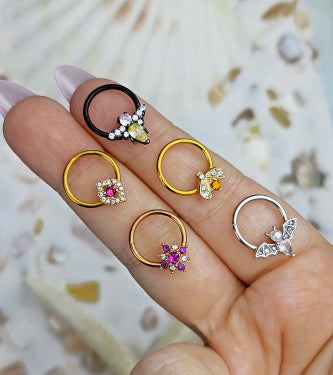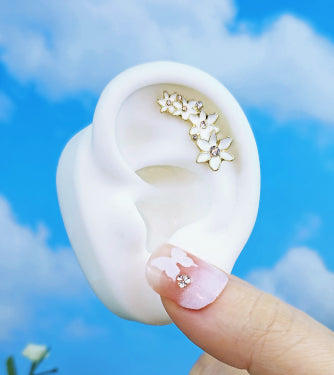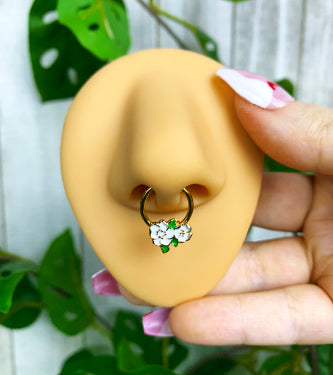

















So, you did it! You took the plunge and got that amazing new lip piercing. That first look in the mirror is an unbeatable feeling. Now comes the most important part: the healing.
Don't sweat it, this part isn't as intimidating as it sounds. Thanks to saliva's natural healing properties, most lip piercings heal up within 6 to 12 weeks. Your job is to keep it clean and let your body do the rest.
Your Lip Piercing Healing Timeline
Alright, let's get into what you can expect over the next few weeks. Understanding the healing stages means you'll know what's normal and what's not, so you can chill out and enjoy your new bling.
This whole process happens in a few distinct phases. Knowing the roadmap ahead will make you feel way more confident and in control.
To give you a clearer picture, this table breaks down the healing journey stage by stage.
Lip Piercing Healing Timeline At A Glance
| Healing Phase | Typical Duration | What To Expect | Key Aftercare Tip |
|---|---|---|---|
| Initial Healing | Weeks 1-2 | Swelling, redness, tenderness, and some clear/whitish fluid (lymph). The initial jewelry bar will be long to allow for this. | Hands off! Avoid touching or twisting the jewelry. A gentle cold compress on the outside of your lip can help with swelling. |
| Mid-Heal | Weeks 2-6 | Swelling and tenderness should be gone. You'll still see some "crusties" (dried lymph fluid) forming around the jewelry. | Stay consistent with your cleaning routine. The piercing is still fragile, so continue to be gentle with it. |
| Fully Healed (Maturation) | Weeks 6-12+ | No more pain, swelling, or discharge. The piercing channel (fistula) is fully formed and strong. Jewelry may move more freely. | Wait until your piercer gives you the green light before changing to a shorter bar or different style. Patience now means a happy piercing for life. |
Think of this table as your quick-reference guide. Now, let's dive a little deeper into what each phase feels like.
The First Few Weeks
This is where you'll see the most action. Expect some swelling, redness, and tenderness—that’s just your body's natural response kicking off the healing process. You'll probably also see some clear or whitish fluid, which is totally normal. It’s called lymph fluid, and it means your body is cleaning house.
Swelling usually peaks around day 3 and then starts to calm down. Don't freak out if your lip feels a bit puffy. A gentle cold compress on the outside of your lip (never directly on the piercing) can be your best friend.
Your main job is to be gentle and keep it clean. No touching, twisting, or playing with your new jewelry. Seriously, hands off! Your piercer used a longer bar for a reason—to accommodate swelling. It might feel a bit clunky, but it's crucial for a good heal.
This timeline gives you a great visual of the major phases, from that initial swelling to the fully healed sparkle.

As you can see, it's a gradual process with some clear milestones along the way.
The Middle Ground
After the first couple of weeks, the initial drama is over. The swelling should be gone, and any major tenderness will have faded. Your piercing might still look a little red, and you’ll definitely still see some of those "crusties" forming around the jewelry. Again, totally normal!
This phase is all about consistency. Keep up with your cleaning routine and stay mindful of your piercing. It might feel a lot better, but it is not fully healed yet. The new tissue inside (the fistula) is still super delicate and can get irritated easily.
It’s actually pretty cool how the body works. The enzymes in saliva and the mouth's fast cell turnover often help lip piercings heal quicker than many others. A solid aftercare routine is your ticket to success; studies show that consistent saline soaks 2-3 times daily can slash infection rates from around 20% down to under 5%. You can find more deep dives into lip piercing recovery on Stylerave.com.
The Final Stretch
Once you pass the 6-8 week mark, you're in the home stretch. By now, your piercing should look and feel pretty normal. There shouldn't be any more swelling, pain, or discharge. The jewelry might even start to move more freely on its own.
This is where everyone gets tempted to swap their jewelry. Hold on! Even though the outside looks healed, the inside is still getting stronger. It's always best to wait for the full healing period your piercer recommended—anywhere from 6 to 16 weeks depending on the exact piercing. A little patience now guarantees a stable, healthy piercing for years.
The Daily Aftercare Routine For A Happy Piercing
Alright, let's get into the daily grind of aftercare. Nailing this routine is the single most important thing you can do for your new lip piercing, and consistency is everything. Think of it as a small, twice-a-day ritual that pretty much guarantees a happy, healthy piercing.
We'll break it down so you can become an aftercare pro in no time.

Your daily routine has two equally important jobs: cleaning the outside of the piercing and taking care of the inside of your mouth. Skimp on one, and you’re asking for trouble.
Cleaning The Outside
The goal here is to gently clean away any "crusties"—which is just dried lymph fluid and totally normal—and keep bacteria out without causing irritation. You’ll do this twice a day.
First, you need the right cleaning solution. Ditch the harsh stuff like alcohol, hydrogen peroxide, or antibacterial soaps. They are way too aggressive and will only tick off your piercing, slowing down healing.
Your new best friend is a sterile saline solution. You can grab a pre-made can (often sold as a wound wash) or easily mix your own. To make it yourself, just dissolve 1/4 teaspoon of non-iodized sea salt into one cup (8 ounces) of warm distilled or bottled water.
Pro Tip: Make a fresh batch of saline every single day. Using yesterday's mix can reintroduce bacteria, which is exactly what you're trying to prevent.
Once your saline is ready, here’s the game plan:
- Wash Your Hands: This is non-negotiable. Lather up with soap and water for at least 20 seconds before you even think about touching your piercing.
- Soak It Good: Dip a clean piece of non-woven gauze or a paper towel into the warm saline. Gently hold it against the outside of your piercing for 3-5 minutes. The warmth feels good, helps soften any crust, and encourages blood flow to the area.
- Pat It Dry: After the soak, use a fresh, clean paper towel to gently pat the area dry. Stay away from cloth towels; they’re notorious for snagging on jewelry and can harbor sneaky bacteria.
Cleaning The Inside (Oral Care)
The inside of your mouth is a different beast, but luckily, it's pretty good at cleaning itself. You just need to give it a little help.
You'll want to rinse 2-3 times a day with an alcohol-free, antimicrobial or antibacterial mouthwash. Even more important: rinse with plain water after you eat, drink anything that isn't water, or smoke. Every single time. This simple step flushes away food bits and sugars that love to hang around and cause drama.
Your oral hygiene game needs to be on point, too.
- New Toothbrush: Grab a new, soft-bristled toothbrush to cut down on the bacteria you're introducing to the area.
- Brush Carefully: Be super mindful when you brush. Go slow around your new jewelry to avoid bumping or snagging it—a common mistake that can really irritate a fresh piercing.
- Floss Smart: When you floss, be careful not to catch the string on the back of your labret stud.
There’s a lot to keep in mind with oral piercings. For a much deeper dive, check out our guide on keeping both your mouth and your piercing happy in our article about oral piercing care.
Lifestyle Tweaks For Smooth Healing
Beyond the direct cleaning, a few small changes to your daily habits can make a huge difference in how well your lip piercing heals.
One of the most overlooked tips is to change your pillowcase frequently. A fresh pillowcase every night or two prevents you from pressing your new piercing against a buildup of bacteria, oils, and drool while you sleep.
Also, just be mindful of what touches your face. Keep dirty hands, your phone, and heavy makeup away from the piercing. Remember, anything that comes into contact with it can introduce germs. Stick to this playbook, and you'll have your piercing looking and feeling fantastic in no time.
How to Handle Swelling, Pain, and Other Glitches
Alright, let's get real about those first few days. That initial week with a new lip piercing can be… a lot. Seeing your lip puff up might be a bit startling, but trust me—it’s completely normal. Some swelling, tenderness, and even a bit of bleeding are all part of your body's natural reaction to its awesome new jewelry.
Think of it as your body kicking into high gear to start the repair process. That puffiness is just increased blood flow rushing to the scene, bringing everything needed to build healthy new tissue. So, while it feels a little strange, it’s actually a good sign!

This is the phase where most of the action happens, so let's get you ready to cruise through it like a seasoned pro.
Taming the Swelling
That "puffy lip" moment is temporary, I promise. Swelling usually hits its peak around day two or three before it starts to chill out over the next week. The initial long bar your piercer put in is super important here; it gives your lip the space it needs to swell without the jewelry getting too tight and causing more trouble.
Here’s your game plan for keeping the swelling and discomfort in check:
- Gentle Cold Compresses: This is your best friend for the first 48 hours. Wrap a few ice cubes or a small ice pack in a clean paper towel and gently hold it on the outside of your lip for 5-10 minutes at a time. Never, ever put ice directly on your skin or the piercing.
- Keep Your Head Elevated: When you go to sleep, try propping your head up with an extra pillow. This little trick uses gravity to help drain fluid from your face while you rest.
- Sip on Ice Water: Drinking cold water throughout the day does wonders. It provides a gentle, cooling sensation from the inside out, and staying hydrated is always a major plus for healing.
Following these tips might feel a bit weird at first, but they make a massive difference in how comfortable you are during that critical first week.
Understanding Normal Healing Hiccups
It’s so easy to overthink every little twinge and strange sensation when you’re healing. Is this much swelling okay? Is that tiny bit of blood a bad sign? The truth is, most of what you'll go through is totally expected. Research even backs this up, showing that while post-piercing issues are common, they are almost always manageable.
A 2023 study found that 96% of oral piercing patients run into some kind of minor, initial complication. That same study noted that the most frequent issues were initial bleeding (seen in 90% of cases) and significant swelling that sticks around for about three days (in 80% of cases). While those numbers might seem high, they just prove that what you're likely experiencing is a standard part of the healing journey that good aftercare will see you through. You can read more about these findings from the official research.
The Takeaway: A puffy, tender lip for a few days isn't a red flag; it’s a green light that your body is doing exactly what it's supposed to. Don't freak out—just stick with your aftercare routine.
Pain Management the Smart Way
A new piercing is, at the end of the day, a small wound. So yes, some pain and soreness are definitely on the agenda for the first few days. It should feel more like a dull ache than a sharp, stabbing pain.
If the soreness is really getting to you, a standard over-the-counter anti-inflammatory can be a big help. Something like Ibuprofen (Advil or Motrin) is often a great choice because it tackles both pain and swelling. Just make sure you follow the dosage instructions on the package and that it’s safe for you to take.
What you should absolutely not do is reach for any numbing creams or sprays. These products are loaded with harsh chemicals that can seriously irritate a fresh piercing and completely derail your healing process. Stick to cold compresses and approved oral meds for relief. Just remember, this phase is short. Be patient, and pretty soon you'll forget you were ever uncomfortable.
What To Avoid For Smooth Lip Piercing Healing
Alright, you know the drill for cleaning your new lip piercing. But just as important as what you should do is what you absolutely should not do. This is the "hands-off" list that will save you a ton of grief, irritation, and healing setbacks.
The number one rule? Leave it alone! Seriously. Your body is working hard to build a new tunnel of flesh (called a fistula) around that jewelry. Every time you poke, prod, or play with your new stud, you're just causing trouble and inviting bacteria in. Keep your hands, your phone, and even your hair away from it.
Food And Drink No-Gos
Everything you eat and drink will come into direct contact with your healing piercing, so you need to be smart about it. For the first few weeks, think of bland food as your best friend. Some things are just notorious for causing a world of pain and slowing everything down.
Here’s what you need to avoid, especially in the beginning:
- Spicy Foods: Anything with capsaicin—the chemical that gives peppers their heat—is going to make your piercing sting like crazy and can ramp up inflammation. Put the hot sauce down for a bit.
- Highly Acidic Foods: We're talking about citrus fruits like oranges and lemons, tomatoes, and even vinegar-based salad dressings. That acid can be a major irritant to a fresh wound.
- Crunchy or Hard Foods: Chips, tough bread crusts, nuts, and especially popcorn are a big risk. They can snag your jewelry, and tiny particles can get trapped in the piercing channel. That's a recipe for disaster.
- Extremely Hot or Cold Foods/Drinks: Let that coffee cool off, and maybe skip the slushies that give you brain freeze. Extreme temps can really aggravate the sensitive new tissue.
Instead, stick to the soft stuff: smoothies, yogurt, oatmeal, mashed potatoes, and lukewarm soups will be your go-to. It's not forever, but it makes a massive difference in your healing time.
Your mouth is a battlefield during the lip piercing healing process. Avoiding irritating foods isn't just about avoiding a little sting—it's about preventing the kind of major inflammation that can lead to serious complications.
Lifestyle Habits to Pause
It's not just about what's on your plate. A few daily habits can be a major source of bacteria and irritation, and you'll need to put them on hold to give your piercing the best shot at healing smoothly.
Smoking And Vaping
This one is huge. Nicotine is a vasoconstrictor, which is a fancy way of saying it shrinks your blood vessels. This starves your piercing of the oxygen and blood flow it needs to heal up right. Plus, both smoking and vaping introduce a boatload of chemicals and bacteria right where you don't want them. If quitting isn't an option, try to cut back and make sure you're rinsing with water after every single time.
Alcohol Consumption
Do your piercing a favor and skip the booze for a couple of weeks. Alcohol thins your blood, which can make you bleed and swell more, especially in those first few critical days. It also dehydrates you and can irritate the piercing itself.
Kissing And Oral Contact
Yeah, this is the one nobody likes to hear. You have to avoid open-mouth kissing and any other kind of oral contact for the entire initial healing period, which is at least 6-8 weeks. Swapping saliva means you're introducing a massive amount of foreign bacteria directly into an open wound. It's a massive infection risk. A quick peck is fine, but that's the limit.
Activities And Jewelry Mishaps
Last but not least, let's talk about the physical stuff that can snag, pull, or just plain ruin your day. Protecting your piercing from the outside world is just as vital as keeping it clean.
- Submerging in Water: No pools, hot tubs, lakes, or oceans. These are basically bacterial cocktails that can lead to a really nasty infection. Showers are fine, just try to keep your face out of the direct spray.
- Playing With The Jewelry: We know it's tempting. Don't twist it. Don't turn it. And definitely don't click it against your teeth. That constant motion wrecks the healing fistula and can cause permanent damage to your teeth and gums over time.
- Changing Jewelry Too Soon: That first piece of jewelry is a long bar for a reason—to leave room for swelling. Your piercer will tell you when it's time to downsize, usually around the 2-4 week mark. Don't you dare try to swap it for a cute new ring yourself until it's 100% healed, which can take months. You'll just tear the healing tissue and be right back at square one.
Patience really is everything here. Follow these rules, and you'll be showing off a perfectly healed piercing and browsing for fun new lip rings from Bodycandy.com before you know it.
Protecting Your Smile With Smart Jewelry Choices
So, your lip piercing is healed and looking amazing. High five! Now, let’s talk about the long game, because your piercing journey doesn’t stop once the initial healing is over. We need to have a real conversation about protecting that gorgeous smile of yours—your teeth and gums are a big deal.
This is a topic that often gets overlooked in the excitement of new bling, but it's crucial. Over time, the wrong kind of jewelry can rub against your gums and click against your teeth. That can lead to some not-so-fun issues like gum recession or even tiny chips on your pearly whites. Don't worry, this isn't meant to scare you! It’s all about being smart with your jewelry choices so you can rock your piercing for life, worry-free.
Why Your Jewelry Material Matters
The type of jewelry you wear isn't just about style; it's about long-term health. Think about it: the back of your lip piercing stud spends all day, every day, resting against some of the most sensitive tissue in your body. That constant contact means you need materials that are kind to your mouth.
Research isn't wishy-washy on this—there's a real connection between lip piercings and oral health issues. A major review of 15 different studies found that a staggering 50% of people with lip piercings end up with some form of gum recession. They were over four times more likely to experience it than people without piercings. The same review showed that 26% suffer from tooth injuries like chips and fractures from their jewelry.
But here's the good news: you can dramatically lower those risks with a few smart choices. You can read more about these piercing complication findings for yourself.
The key takeaway? Switching to a shorter post after healing and choosing softer, more flexible materials are game-changers for protecting your smile.
Picking The Right Jewelry For Oral Health
Ready to make a smart switch? Your best bet for long-term wear is a flat-back labret stud. The flat disc on the back sits flush against your gumline, which is way less intrusive than a ball-end or a hoop that can move around more.
When it comes to the material itself, things get even more interesting. To help you make the safest choice, we've broken down how common materials stack up against your oral health.
Jewelry Materials Vs Oral Health Risk
| Material | Pros For Oral Health | Cons For Oral Health | Best For |
|---|---|---|---|
| Bioplast/BioFlex | Flexible and soft, significantly reducing the risk of tooth chipping and gum damage. Lightweight and comfortable for long-term wear. | Can stain over time and may need to be replaced more often than metal. | Daily, long-term wear to minimize oral health risks. The absolute best choice for protecting your teeth and gums. |
| Implant-Grade Titanium | Highly biocompatible, hypoallergenic, and lightweight. Polishes to a very smooth surface, reducing plaque buildup. | It's still a hard metal, so a poorly-fitted bar can cause damage if it constantly hits your teeth. | Healed piercings, especially for those with sensitive skin. A great option if you ensure the fit is perfect. |
| Surgical Steel | Durable, affordable, and widely available. A solid choice for many people. | Heavier than titanium and contains nickel, which can be an issue for those with sensitivities. It's a hard metal, posing a risk to teeth. | Short-term wear in well-healed piercings for those without metal sensitivities. Not the top pick for permanent wear. |
As you can see, flexible materials like Bioplast are the clear winners for keeping your mouth happy. While metals like titanium are fantastic for your skin, their hardness still poses a risk if there's contact with your teeth.
A great compromise many people land on is using a Bioplast back with a decorative metal or jeweled top. You get all the bling you want without the constant risk to your smile!
Ultimately, the goal is to keep both your piercing and your smile in perfect condition. For even more inspiration, check out our guide on the different body jewelry styles for lip piercings to find a look that’s both safe and stunning.
Your Top Lip Piercing Healing Questions Answered
Alright, so you’ve got the basics down, but a few questions are still rattling around in your head. We get it. Getting a new piercing brings up all sorts of little "is this normal?" moments.
Think of this as your go-to guide for those nagging questions. We're here to give you clear, straight-up advice from people who've been there, done that, and have the awesome jewelry to prove it.

Let's clear up the confusion so you can get back to loving your new piercing.
Is My Lip Piercing Infected Or Just Irritated?
This is the big one, and it's easy to get them mixed up, especially when you're in the throes of healing.
An irritated piercing is basically just mad at you. Maybe you snagged it on a towel, slept on it funny, or accidentally took a huge bite of a spicy burrito. It'll probably be a little red, slightly swollen, and might ooze some clear or whitish fluid. That's just lymph fluid, and it’s a totally normal part of the healing process.
An infection, on the other hand, is a much bigger deal. It's a full-blown bacterial issue, and it comes with some pretty clear warning signs:
- Intense, throbbing pain that doesn’t seem to fade.
- Bright, spreading redness that moves away from the piercing site.
- Thick, yellow, or green pus-like discharge (this is not the same as clear lymph fluid).
- The area feels hot to the touch.
- Sometimes, you might even feel generally unwell, like you're running a fever.
The golden rule: If you even think it might be an infection, don't play doctor. Get in touch with your professional piercer or a physician right away. Never, ever remove the jewelry from a suspected infection. Taking it out can trap the bacteria inside and lead to a nasty abscess.
When Can I Finally Change My Lip Jewelry?
We know you’ve got that perfect ring picked out, but you’ve got to be patient! You must wait until your piercing is 100% fully healed before you start swapping out jewelry just for style. For most lip piercings, this takes a minimum of 6-8 weeks, but don't be surprised if it's closer to 3 months or more.
For a closer look at how different placements heal, check out our guide on healing times for popular piercings.
Changing jewelry too early is one of the worst things you can do. It can easily tear the delicate new skin (called a fistula) that’s forming inside, introduce a ton of bacteria, and set your healing clock right back to day one.
Now, your piercer will have you come back for a "downsize" appointment, usually around the 2-4 week mark. This is when they'll swap your initial long bar for a shorter one that fits better once the swelling has subsided. This is a critical step for your oral health, but it's not the green light to start your jewelry collection just yet!
Can I Wear Lipstick Or Lip Gloss?
As tempting as it is, you'll need to hold off on the lip products for a bit. Lipstick, gloss, and even some chapsticks are packed with oils, pigments, and fragrances that can clog a fresh piercing and trap bacteria. It’s basically an open invitation for irritation and infection.
Wait until your piercing is completely healed before you reintroduce makeup near the area. Once you get the all-clear, be mindful to apply products around the jewelry, not over it, and always clean the piercing thoroughly at the end of the day.
What Do I Do If I Snag My Piercing?
Ouch! It happens to everyone. First, take a deep breath—don't panic. Gently check out the area. Is it bleeding a little? Just feeling extra sore?
If you caught it pretty good, expect it to be angry for a day or two. It might swell up and feel tender, a lot like it did in the very beginning. Your job now is to baby it.
- Clean It: Give it a gentle saline soak to flush out any germs and soothe the tissue.
- Ice It: A cold compress (just wrap some ice in a clean paper towel) held gently on your lip can work wonders for immediate swelling.
- Leave It Alone: This is key. For the next day or so, do your best not to touch, twist, or otherwise bother it.
If the pain gets worse, the swelling persists, or you start to see any signs of infection, head back to your piercer. They can take a look and make sure you're still on the right track. Most of the time, a minor snag just needs a little extra TLC.
Ready to find your new look now that you're a healing pro? Shop our full collection of lip rings today