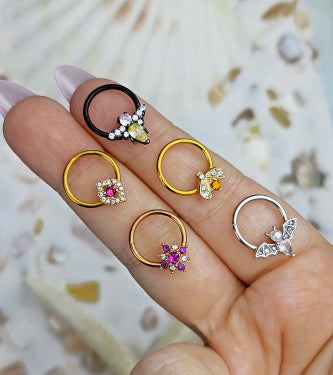







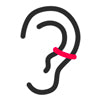
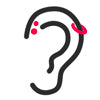
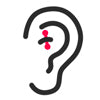
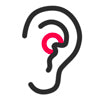




You're scrolling through hoop earrings, you find a pair that's exactly your vibe, and then the spiral starts.
Will 10 mm look like a tiny little blink on your ear? Is 30 mm the cute everyday size you want, or is it suddenly giving full drama? And if you're shopping for a helix, second lobe, or conch hoop, it gets even trickier because measuring a hoop you already own is not the same thing as figuring out what will fit your actual ear.
That's where people get stuck. Most size guides tell you how to measure the jewelry. Helpful, yes. But if you've never worn hoops in that piercing before, you need to measure your anatomy, not just a random ring in your jewelry box.
This is the guide I wish everyone had before buying hoops online. You'll learn how to measure hoop earring size in a way that helps you choose the right fit, whether you want a snug huggie, a little breathing room, or a bigger hoop that hangs lower and shows off.
That Perfect Pair of Hoops Is Waiting for You
You know the moment. You've narrowed it down to two pairs. One looks sleek and tiny, one looks a little bolder, and both product pages are throwing millimeters at you like you're supposed to instantly know what they'll look like on your ear.
That confusion is normal.
A hoop can look totally different depending on where you wear it. A small hoop in a first lobe piercing might look subtle and snug. The same size in a helix could feel too tight, or might not close at all if you didn't leave enough room for the edge of your ear.
Most sizing stress comes from one mistake. People shop by the number alone instead of checking how that number relates to their own ear.
If you've been guessing, holding a ruler up to your ear, or opening ten tabs trying to compare sizes, you're not overthinking it. Hoop sizing is one of those things that sounds simple until you're trying to buy a pair that fits right and feels good.
What usually trips people up
- The number feels abstract. Millimeters are precise, but they're hard to picture if you don't look at jewelry sizing every day.
- Different piercings need different clearance. Your lobe, helix, tragus, and conch all have different shapes and edges.
- Snug fit and comfortable fit aren't always the same thing. A hoop can technically close and still feel too tight.
The good news is you don't need fancy tools or pro-level jewelry knowledge. Once you know which measurement matters and how to check your own ear, you can stop guessing and shop with way more confidence.
Diameter and Gauge The Only Two Numbers You Need to Know
Two numbers control whether a hoop will work for your ear: diameter and gauge.
Get these two straight, and product pages stop feeling like they're speaking another language.

Diameter is the size of the circle
Diameter is the measurement across the inside of the hoop, from one inner edge straight to the other. The keyword there is inside. That is the number jewelry listings usually use, and it is the number that affects how snug or roomy the hoop will feel on your ear.
Millimeters are the standard here because they're more precise than inches. If millimeters feel abstract, a phone ruler or a guide on how to measure jewelry using calipers can make the size easier to picture.
Diameter changes the overall vibe of the hoop.
- Small diameters sit closer to the ear.
- Medium diameters usually look balanced and everyday-friendly.
- Large diameters hang lower and stand out more.
If you only remember one thing about diameter, make it this: it answers, How much space will this hoop give my ear?
Gauge is the thickness of the wire
Gauge tells you how thick the part going through your piercing is. Your piercing hole has its own comfort zone. A hoop can be the right size around your ear and still feel wrong if the wire is thicker than your piercing is used to.
Gauge numbers work in the annoying backwards way. A higher number means a thinner wire. So a 20G hoop is thinner than a 16G hoop.
That sounds technical, but its practical application is simple. Diameter is about the circle. Gauge is about the post.
Why people mix them up
A lot of shoppers see one number and assume it describes the whole earring. It doesn't.
A 10 mm, 20G hoop and a 10 mm, 16G hoop have the same diameter, but the wire thickness is different. A 12 mm, 20G hoop and a 10 mm, 20G hoop have the same wire thickness, but one gives your ear more room.
That's why both numbers matter together, especially if you're measuring your actual ear instead of copying an old pair of hoops. You're checking two separate fit questions:
- Diameter: Will this clear the edge of my ear and give me the look I want?
- Gauge: Will this go through my piercing comfortably?
Once you separate those jobs, hoop sizing gets a lot less confusing.
Measuring Hoop Diameter Like a Pro
Got a hoop you already love? Great. That earring can be your cheat sheet.
Measuring an existing hoop is the fastest way to decode what size looks good on you. It will not tell you whether a new piercing placement on your ear needs more or less room, but it does give you a clean starting number to compare against product listings.

Use a ruler for the quick check
A simple millimeter ruler works fine.
Measure the inside diameter, not the full outer width. In plain English, that means measuring straight across the open space inside the hoop, from one inner edge to the other, right through the center. The inside measurement is the one shops usually use for hoop sizing, because it tells you how much room your ear gets.
Try it like this:
- Lay the hoop flat on a table so it does not wobble.
- Find the zero line on your ruler. Do not start from the ruler's physical edge unless the markings begin there.
- Measure straight across the middle from one inner edge to the opposite inner edge.
- Write it down in millimeters so you can match it to size charts online.
A small tilt can throw the number off, especially with huggies. If the hoop is tiny, bring your eyes level with the ruler instead of guessing from above.
Try the paper or string trick
Tiny hoops can be annoyingly hard to hold still. A strip of paper or a piece of string can make the job easier.
- Cut a narrow strip of paper or use a non-stretchy string.
- Place it across the inside opening of the hoop.
- Mark where each inner edge hits.
- Lay that strip on a ruler and read the distance in millimeters.
Your phone can help too. If you use a measurement app, place the hoop on a flat surface with good lighting and zoom in before marking each side of the inside opening. It is not as exact as a physical tool, but it is a very handy at-home hack if you do not have jewelry tools sitting around.
Use calipers for a more exact reading
Calipers are the neat-freak option. They grip both inner edges, so you get a cleaner measurement than you usually can with a ruler.
That extra precision is helpful if you are trying to match a favorite hoop closely or shop for a snug fit where even a small difference changes the look. If calipers sound intimidating, this guide on how to measure jewelry using calipers walks through the process clearly.
A quick visual can help if you want to see the measuring angle in action:
Common measuring slip-ups
The biggest mistake is simple. People measure the outside of the hoop, get a larger number, and then wonder why the replacement pair feels smaller than expected.
Watch for these too:
- Measuring at an angle instead of straight through the center
- Starting from the wrong part of the ruler instead of the zero mark
- Eyeballing a tiny hoop instead of checking the actual millimeter number
- Using a stretchy string that changes length while you measure
One more thing, because this trips people up a lot. Measuring a hoop tells you the size of the jewelry you already have. Useful, yes. But the better question for a new purchase is often, "How much space does my ear need at this piercing?" That is the part most guides skip, and it is where your perfect fit really starts.
Finding Your Perfect Fit for Any Piercing
You spot a pair of hoops online, add them to cart, and then freeze at the size options. 8 mm? 10 mm? 12 mm? If you do not already own a hoop that fits that piercing, measuring jewelry you have will not help much. Measuring your actual ear will.
That is the step a lot of hoop guides skip. Your best fit comes from the space your hoop needs to clear, not from guessing what looks right on a product page.
For a close fit, measure from the piercing hole to the outer edge of the part of your ear the hoop will wrap around, then add a little breathing room. On a lobe piercing, that often means adding about 1 to 2 mm so the hoop can close comfortably instead of pinching. Small huggie-style hoops often land in the 8 mm to 10 mm range, but your anatomy decides the ultimate size.

How to measure your ear, not just the jewelry
Use a mirror, good lighting, and either a millimeter ruler or your phone. The goal is simple. Find the shortest inside diameter that clears your ear without squeezing it.
Here is how that looks on different piercings:
- First lobe or second lobe: Measure from the piercing hole to the bottom outer edge of the lobe.
- Helix: Measure from the piercing hole to the outer rim of the cartilage.
- Tragus: Measure from the hole to the farthest point the hoop needs to curve around.
- Conch: Measure the space the hoop must clear around the ear, not just the flat area near the hole.
If that sounds abstract, use this shortcut. Your measurement is the minimum inside diameter. Add a tiny bit for comfort if you want a snug hoop. Add more if you want visible air between the hoop and your ear.
A helix hoop is a good example. If the distance from your piercing to the outer rim is 8 mm, an 8 mm hoop may feel very tight or may not close comfortably at all. A 9 mm or 10 mm option usually gives you more realistic room.
The at-home phone trick that helps
Your phone can make this much easier, especially if you are trying to buy your first hoop for a second lobe, helix, or conch. Open your phone's measurement app, hold still in front of a mirror, and map the distance from the hole to the edge your hoop needs to clear. It is not as precise as calipers, but it gives you a solid visual check before you buy.
That matters because placement changes everything. Two people can both have lobe piercings and need different hoop diameters if one piercing sits higher or closer to the edge.
If you are choosing between two diameters, decide on the look first. Close and fitted usually means the smaller option. A little swing or visible space usually means the larger one.
Do not forget the wire thickness
Diameter tells you how wide the hoop is. Gauge tells you how thick the post or wire is. A hoop can be the perfect diameter and still feel wrong if the gauge is too thick for your piercing.
If gauge sizing still feels confusing, this quick guide to the standards of gauge sizing for body jewelry makes the numbers much easier to read.
That is why measuring your ear is so useful. It helps you buy for your anatomy, not just copy a hoop size someone else wears.
Hoop Size Charts and Style Guide
A size chart helps most when you are staring at a product page and trying to turn a tiny number like 12 mm or 30 mm into an actual picture in your head. That matters even more if you measured your ear first and now want to choose a hoop that matches the look you want, not just one that technically fits.
Here's the simplest way to read hoop size. Small changes look bigger than they sound. Going from 8 mm to 10 mm is only 2 millimeters on paper, but on your ear it can be the difference between snug and a little airy.
If you want a quick refresher on common earring shapes and how sizing is usually listed, this guide to earring styles and sizing is a handy cheat sheet.
Hoop Earring Size Conversion Chart
| Diameter (mm) | Diameter (Inches) | Looks Like |
|---|---|---|
| 10 mm | About 0.4 inches | Thumbtack head |
| 15 mm | About 0.6 inches | Dime |
| 20 mm | About 0.8 inches | Penny |
| 25 mm | Approximately 1 inch | Quarter |
| 30 mm | About 1.2 inches | Half-dollar |
| 40 mm | About 1.6 inches | Ping pong ball |
| 50 mm | Approximately 2 inches | Golf ball |
| 70 mm+ | Approximately 2.75 inches | Baseball |
What each size looks like on the ear
-
10 mm to 15 mm
These read neat, close, and subtle. Great for a snug first lobe, second lobe, or a small cartilage hoop where you want a clean little circle instead of a lot of swing. -
20 mm to 30 mm
This is the range many people picture when they say “classic hoops.” You still get an everyday feel, but the hoop is visible enough to shape your whole ear stack. -
35 mm to 50 mm
These start to feel more styled and more noticeable. Hair up, hair tucked back, bold makeup, simple tee. This size shows up. -
70 mm and up
Full statement territory. Fun, dramatic, and usually chosen for the look first.
Pick the size based on fit first, style second
This part trips people up, especially with cartilage and higher lobe piercings. The same 10 mm hoop can look roomy in one piercing and tight in another because placement changes everything.
A first lobe piercing near the edge of the ear often works with a smaller diameter than a second lobe piercing set higher up. A helix hoop may need extra space to clear the outer rim comfortably. A conch hoop usually needs more diameter than people expect because it has more ear to travel around.
So use the chart like a style map, not a sizing shortcut. Your ear measurement tells you what can fit. The chart helps you decide whether you want that fit to look snug, balanced, or more relaxed.
A quick style guide by piercing
- First lobe: often looks polished with small to medium hoops
- Second or third lobe: usually needs a bit more thought because the hole often sits higher
- Helix: small hoops can look crisp and fitted, but only if they clear the rim comfortably
- Conch: tends to need a larger diameter for a true hoop look
- Daith or rook: always check jewelry style and anatomy carefully, since the visual size can be deceiving
One last helpful mindset. Don't shop by copying a hoop you liked on someone else's ear. Shop the way you'd buy jeans. Start with your measurements, then choose the fit and vibe you want.
Pro Buying Tips and Mistakes to Avoid
By this point, you've got the sizing part down. The last step is shopping smart so your hoops fit the way you pictured them.
The biggest mistake is still the simplest one: measuring the wrong thing. If you shop using outer diameter, skip the extra clearance your ear needs, or forget to check gauge, the hoop may not wear the way you expected.
A few shopping rules worth keeping
- Check the closure style: A clicker, continuous hoop, or hinged design can feel slightly different when you're aiming for a very snug fit.
- Choose millimeters every time: Product listings for jewelry sizing are easier to compare when you stick to mm instead of bouncing between units.
- Think about comfort, not just appearance: A hoop that sits super tight might match the look in your head but still annoy you after a few hours.
If your skin is picky, metal matters
If you know your ears get cranky, don't ignore the material. High-quality 316L surgical steel and titanium are common picks when you want something more comfortable for everyday wear.
One more thing. If you're buying for cartilage, second holes, or any piercing that isn't your standard first lobe, take the extra minute to measure your ear directly. That tiny bit of effort makes online hoop shopping feel way less like a gamble.
The perfect hoop usually isn't the one with the prettiest product photo. It's the one that matches your piercing placement, your preferred fit, and the wire thickness your ear already likes.
Ready to put your new sizing skills to work? Browse the hoop earrings and body jewelry at BodyCandy, then measure once, shop once, and get the fit you wanted.