
















So, you’re eyeing up a cool new eyebrow piercing but are a little freaked out about the ouch factor? We get it. Let's get real about what to expect, from the piercing chair to the final heal.
On a pain scale of 1 to 10, most people put an eyebrow piercing at a surprisingly chill 4 out of 10. The sensation is usually described as a quick, sharp pinch that’s over in a flash—definitely not a long, drawn-out ordeal.
The Real Deal On Eyebrow Piercing Pain
Alright, let's break it down. Unlike other piercings that have to battle through tough cartilage, an eyebrow piercing only passes through a thin layer of skin and the tissue just beneath it.
Think of it like a really intense tweeze, or maybe even a flu shot. It's a sharp sensation for a split second, but it’s totally manageable and over before you really have time to process it.
The initial feeling is that sharp pinch as the needle goes through, which is immediately followed by a feeling of pressure. That’s all completely normal! Afterward, you might notice a dull throb or some warmth around the area. That's just your body's natural response kicking in, and for most people, this initial soreness fades within a few hours, leaving you with your awesome new piercing.
How Eyebrow Piercings Compare
To give you a better idea of where an eyebrow piercing stands, let’s see how it stacks up against some other common piercings you might be familiar with.
- Earlobe Piercing: Generally considered the easiest, around a 2/10. An eyebrow piercing is a definite step up from this, but not by much.
- Nostril Piercing: Often rated similarly to an eyebrow, around a 4-5/10. Both involve that quick, sharp sensation that might make your eyes water.
- Cartilage/Helix Piercing: This is where the pain level really jumps, usually to a 6-7/10, because the needle has to push through thick, dense cartilage.
This visual gives a pretty clear picture of where an eyebrow piercing fits on the pain scale.

Here's a quick comparison of how an eyebrow piercing's pain level stacks up against other popular piercings, rated on a simple 1-to-10 scale.
Piercing Pain Scale At A Glance
| Piercing Type | Typical Pain Rating (1-10) | Sensation Described |
|---|---|---|
| Earlobe | 2 | A tiny pinch, very mild |
| Eyebrow | 4 | A quick, sharp pinch |
| Nostril | 5 | A sharp pinch that can make your eyes water |
| Cartilage (Helix) | 7 | A significant, sharp pressure crunch |
| Nipple | 8 | Intense, sharp, and very sensitive |
As you can see, the eyebrow piercing sits comfortably in that low-to-moderate range. In our experience, and what many other piercers will tell you, it's one of the less painful body mods you can get. Since it doesn’t go through much tissue, the intensity is just lower than cartilage-heavy spots like the conch or daith. For more comparisons, the folks at Urban Body Jewelry have some great insights on how different piercings measure up.
Ultimately, that momentary sting is a very small price to pay for a piercing that adds so much edge and personality to your style.
What Really Influences Your Piercing Pain

Ever wonder why your friend barely even blinked when they got their eyebrow pierced, but someone else called it pretty intense? The simple truth is that pain isn't a "one-size-fits-all" experience. Your personal journey is shaped by a handful of key factors that can turn the volume up or down on that sensation.
Your own pain tolerance is, of course, the biggest wild card. If you can handle a good, strong eyebrow tweeze without tearing up, you’re already in a great position. But beyond your personal threshold, several other pieces of the puzzle determine how much you'll actually feel that quick pinch.
The Piercer's Skill and Technique
This one is a game-changer. An experienced, professional piercer is worth their weight in gold. Their confidence and precision make the whole process faster, smoother, and far less traumatic for the tissue being pierced.
A true pro has a deep understanding of the brow ridge's anatomy. They'll use a sterile, single-use hollow needle in one fluid motion, which drastically minimizes tissue damage and discomfort. Choosing a reputable artist isn't just a safety precaution—it's your best bet for making the experience as comfortable as possible from start to finish.
A skilled piercer can get the job done in a single, swift movement. This dramatically cuts down on how long the 'pinch' lasts and prevents unnecessary trauma. This is exactly why going to a pro is non-negotiable for a better experience.
Your Anatomy and Piercing Placement
Believe it or not, your own facial structure has a say in this. The thickness of the skin and underlying tissue along your brow can change how it feels. Someone with a little more flesh in that area might feel more of a pressure-like sensation, whereas someone with thinner skin could feel a sharper, quicker pinch.
Placement is also key. There’s a reason the standard vertical piercing on the outer third of the brow is so classic—it’s designed to avoid major nerves. While the supraorbital nerve sits more toward the center of your brow, a piercer who knows their stuff will steer clear, keeping the pain to a minimum.
Jewelry Quality and Your Mental State
Starting off with the right jewelry is absolutely critical. Your piercer must use high-quality, implant-grade materials like titanium or surgical steel. Cheap, low-grade metals can trigger immediate irritation or an allergic reaction, which will make a fresh piercing feel way more painful than it should.
Investing in quality from day one will save you a world of hurt. Bodycandy's collection of hypoallergenic curved barbells is a great place to see the kind of jewelry you should be looking for in a new piercing.
Finally, don't underestimate your own state of mind. It's a powerful tool! Here’s how you can prepare yourself for a smooth experience:
- Don't show up stressed: When you're tense, your body is naturally more sensitive to pain. Take a few deep breaths before you head into the studio.
- Be well-rested and hydrated: A tired, dehydrated body is a stressed body. Make sure you get a good night's sleep and drink plenty of water.
- Eat beforehand: Keeping your blood sugar stable helps prevent you from feeling faint or lightheaded, which makes the whole process feel much easier to handle.
When you understand these factors, you can walk into your appointment feeling confident, prepared, and in control.
How To Prep For A Less Painful Piercing Experience

Ready to take the plunge? Amazing! Before you dash off to the piercing studio, a little bit of prep work goes a long, long way. Thinking ahead can seriously influence how much your eyebrow piercing hurts, making the entire experience smoother and far more comfortable.
Think of it like prepping for a test—you wouldn't just show up and hope for the best, right? The same logic applies here. By taking care of your body and mind beforehand, you’re setting yourself up for success and minimizing any potential discomfort.
Your Pre-Piercing Checklist
A great piercing experience actually starts the day before your appointment. Following a few simple rules will help keep your body calm, your blood sugar stable, and your pain sensitivity down. Let's walk through your must-do (and must-not-do) list.
The night before, make sure you get a great night's sleep. A well-rested body is a relaxed body, which can make you less sensitive to that quick pinch. On the day of your appointment, drink plenty of water to stay hydrated—it helps your skin stay elastic and healthy.
Most importantly, eat a solid, balanced meal about 1-2 hours before you go. This keeps your blood sugar from dipping, which is the number one reason people feel faint or dizzy in the chair. Trust us, a little fuel makes a huge difference!
What To Avoid Before Your Appointment
Just as important as what you should do is what you should not do. Certain things can make your body more sensitive or complicate the process for your piercer.
The biggest no-no? Alcohol. Downing a drink within 24 hours of your appointment is a bad idea because it thins your blood. This can lead to more bleeding and bruising. It also dehydrates you and can actually heighten your pain perception.
Here’s a quick list of things to steer clear of:
- Alcohol: Avoid it for at least 24 hours before your piercing.
- Caffeine: A huge cup of coffee might seem like a good idea for courage, but it can make you jittery and increase your sensitivity. Try to limit your intake on the day of.
- Blood Thinners: Avoid aspirin or other blood-thinning medications (unless prescribed by a doctor) as they can increase bleeding.
By following these simple guidelines, you’re taking control of the experience. Walking into the studio feeling calm, hydrated, and prepared is your secret weapon for making the piercing as easy-breezy as possible. For even more great advice, check out our guide on how to prepare for your first piercing experience, which covers everything you need to know.
Your Guide To A Smooth Healing Process
 The piercing itself is over in a flash, but the real journey starts the moment you walk out of the studio. Proper aftercare is what makes or breaks your experience, turning that quick pinch into a stunning piercing you'll love for years. So, what’s next now that you have your new bling?
An eyebrow piercing takes about 6 to 8 weeks to heal on the outside, but don't be fooled—the tissue deep inside is still busy strengthening for several more months. For the first week or two, it’s completely normal to see some mild soreness, a little redness, and some swelling. Just think of it as your body’s way of saying, “Okay, something new is here, and I’m on the job!”
Your Daily Aftercare Ritual
Consistent and gentle cleaning is your number one mission. Skimping on aftercare is the fastest way to drag out your healing time and turn a bit of soreness into a major headache. Luckily, the routine is super simple.
Your new best friend is a sterile saline solution. Forget harsh stuff like alcohol or peroxide; they’re way too aggressive and will only irritate your fresh piercing. Instead, stick to a gentle, dedicated piercing aftercare spray.
Pro-Tip: Aftercare isn't just about cleaning—it's about protecting your piercing. Be mindful of snagging it on clothes, try not to sleep on it, and always keep unwashed hands away. The less you mess with it, the faster it will heal.
This simple step-by-step will keep your piercing clean and happy:
- Wash Your Hands: Before you touch your piercing for any reason, wash your hands thoroughly with soap and water. No exceptions!
- Soak or Spray: Generously mist the piercing with your sterile saline solution. You can also soak a clean, non-woven gauze pad and gently hold it against the area for a few minutes. This helps soften any "crusties" (which is just dried lymph fluid, a totally normal part of healing!).
- Gently Pat Dry: Use a fresh paper towel to carefully pat the area dry. Steer clear of cloth towels, as they can harbor bacteria and snag your jewelry.
- Repeat: Do this routine twice a day—once in the morning and once at night. Over-cleaning can be just as irritating as not cleaning enough!
Irritation vs. Infection
It's super important to know the difference between a piercing that's just a little annoyed and one that has a real infection. Minor redness and a clearish-white fluid are normal signs of your body healing itself.
An infection, on the other hand, will scream for attention with symptoms like intense pain, thick yellow or green discharge, feeling hot to the touch, and major swelling.
Letting your aftercare routine slide is a fast track to trouble. Research on piercing complications shows that poor hygiene is a huge factor in prolonged pain and infection. One study highlighted that while the piercing itself is quick, it’s aftercare mistakes that truly amplify pain and can lead to issues for a lot of people. You can learn more about the study's findings on piercing complications.
For a deeper dive into what to expect from other piercings, you can also check out our guide on healing times for popular piercings.
Choosing Your First Epic Eyebrow Jewelry
Once you're all healed up, you get to the best part of any new piercing—picking out some fresh jewelry that truly screams you! The sharp pinch from getting pierced is a distant memory, but making a smart choice now is key to keeping your eyebrow piercing happy for the long haul.
That first barbell your piercer used was probably a bit on the long side. That's totally normal and necessary to give your piercing room to swell. Now that things have calmed down, you can finally swap it for a perfectly fitted piece that won't snag on your clothes or pillow. This is where the real fun begins.
Finding Your Perfect Style
When it comes to eyebrow jewelry, you've got some amazing options. Each one offers a totally different vibe, so you can switch things up based on your mood or your outfit.
-
Curved Barbells: This is the classic, go-to style for a reason. They flow with the natural curve of your brow, which makes them super comfortable and way less likely to catch on things. They give you a clean, simple look with just two ball ends.
-
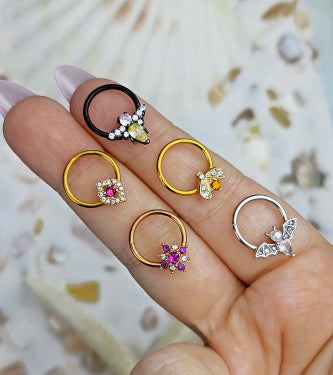
Captive Bead Rings (CBRs) & Hoops: If you're going for a bolder statement, a snug-fitting hoop or a CBR can look incredible. They create a more continuous loop that really draws the eye, making them a bit more noticeable than a standard barbell.
-
Dangles and Charms: Want to inject some serious personality? Look for curved barbells that come with tiny, dangling charms. It’s the perfect way to show off your unique style, whether you’re into gemstones, celestial symbols, or something a little more edgy.
No matter which style you fall for, the material is what really matters. Sticking with high-quality, hypoallergenic metals is absolutely non-negotiable if you want to avoid irritation, allergic reactions, and any future pain.
Always, always go for materials like implant-grade titanium, 14k or 18k gold, or surgical steel. These are proven body-safe options that will keep your piercing healthy and comfortable. This ensures you won't have to worry about how much eyebrow piercings hurt long after you've healed up.
Ready to start browsing? You can explore all the different kinds of eyebrow bling and find the perfect fit for your vibe by checking out our quick guide to eyebrow piercing jewelry. It's the best place to get inspired and start building that dream jewelry collection.
Your Eyebrow Piercing Pain Questions Answered
Still got a few questions buzzing in your head? You're not the only one! It’s smart to get all the details before you commit. We’ve rounded up the most common questions we hear about eyebrow piercing pain to give you quick, straight answers so you can feel totally confident walking into the studio.
Let's dive into the specifics and clear up any last-minute worries.
Can I Use Numbing Cream Before Getting Pierced?
While it might sound like the perfect pain-free solution, almost every professional piercer will tell you to steer clear of numbing creams. These products can actually change your skin's texture, making it feel rubbery or even causing it to swell up a bit. This makes it incredibly tough for your piercer to get the placement just right, which bumps up the risk of a crooked or poorly angled piercing.
Honestly, the sharp pinch is over in a second or two. It's so much better to skip the cream and let your piercer work their magic on your natural skin to get that flawless, perfectly straight look you’re after.
Which Hurts More: A Vertical Or Horizontal Piercing?
This is a great question! The truth is, the pain level between a classic vertical eyebrow piercing and a horizontal one is pretty much the same. Both are considered surface piercings that go through that thin, fleshy bit of skin above your eye, so there’s no real difference in what you'll feel.
Most people report the exact same quick, sharp pinch for either style. The main difference between a vertical and horizontal piercing is all about aesthetics and the vibe you want, not the ouch-factor!
So, if you’re trying to pick between the two, let your personal style be your guide, not any fear of pain.
How Long Will My Eyebrow Piercing Be Sore?
The initial piercing pain is gone in a flash, but what about the aftermath? You can definitely expect the area to feel tender, a little sore, and maybe even a bit swollen for the first few days, sometimes up to a week. This is completely normal—it’s just your body’s way of saying it has started the healing process.
If you’re a rockstar with your aftercare routine, this soreness should slowly fade more and more each day. But if the pain gets worse instead of better, or you notice a lot of swelling or any weird discharge, don't wait. Contact your piercer right away. They can help you figure out what’s going on and get your healing journey back on track.
Ready to find the perfect jewelry for your new look? BodyCandy has a massive collection of high-quality eyebrow rings to show off your style. Shop our full collection of eyebrow jewelry today